Skip to content
Private Label Anti Aging Cream Manufacturer
Private-label anti-aging cream engineered for EU/US compliance and fast sampling. Customize retinol/retinal/bakuchiol/peptides/niacinamide with barrier co-actives and airless, UV-safe packaging. Stability-first systems, measurable outcomes, and retail-ready textures help brands launch confidently across Amazon, salon, and pro-retail channels.
GMP/ISO • EU/US compliant docs • Samples in 3–7 days • MOQ from 1,000 pcs
Custom Anti Aging Cream Details
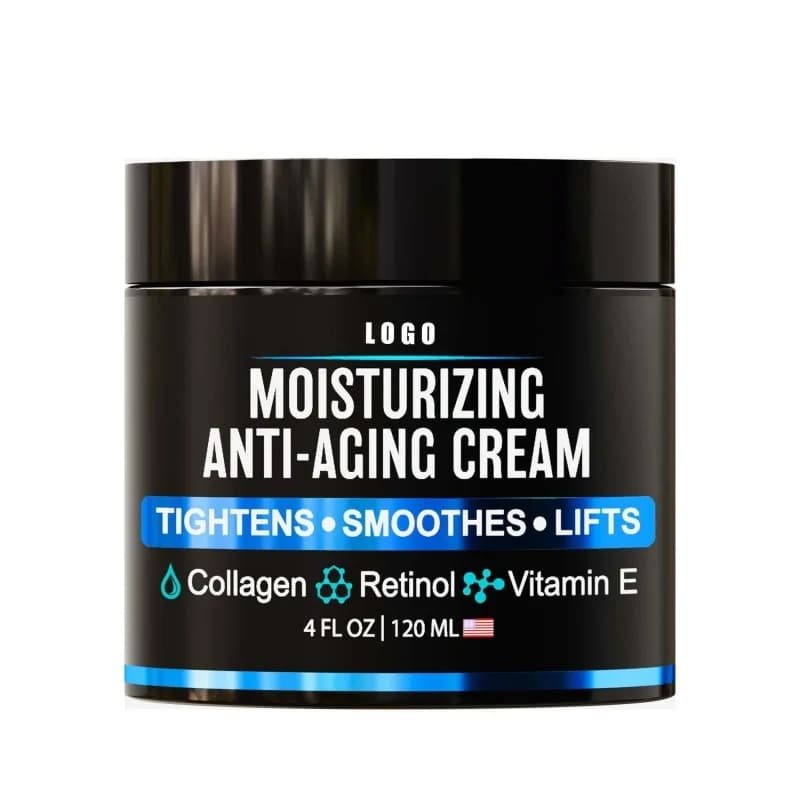
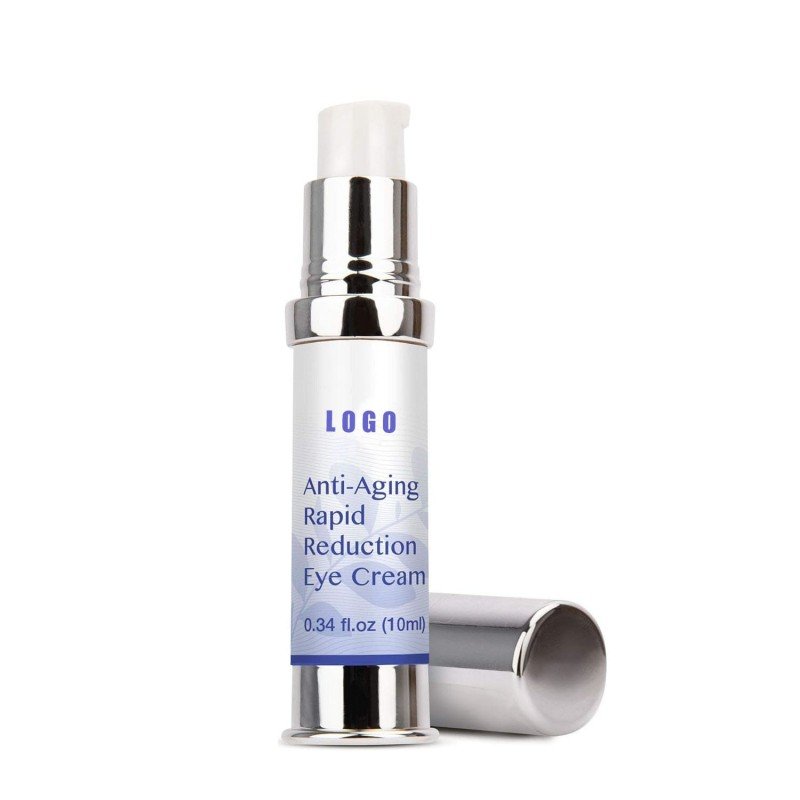
Build a results-driven anti-aging cream with multi-pathway actives: retinol/retinal for wrinkle and texture, bakuchiol for gentler tolerance, peptides for firmness, niacinamide and ceramides for barrier comfort. Controlled-pH systems, antioxidant/chelating support, and airless packaging keep actives stable and retail-ready.

Spec / Parameter Card
| Field | Options / Recommendations |
|---|---|
| Texture Systems | Light gel-cream (day), silky cream (universal), rich night cream |
| Core Actives | Retinol 0.1–0.5% • Retinal 0.05–0.15% • Bakuchiol 0.5–1% • Peptides 1–3% (total) • Niacinamide 2–5% • HA 0.1–0.3% • Ceramide complex 0.1–0.5% |
| Support | Antioxidants (tocopherol/derivatives), chelators, soothing stack (panthenol/beta-glucan) |
| pH Window | 5.0–6.0 (retinoid/peptide systems); AHA-hybrid night variant at pH ≥3.5 |
| Preservation | EU/US-accepted systems; alcohol-free/fragrance-free options |
| Color/Fragrance | Natural off-white acceptable; fragrance-free or low-allergen profiles available |
| Packaging | Airless (preferred) 30/50/100 ml; amber glass jar with inner seal (optional); PCR options |
| Stability & QC | Accelerated stability, transport, freeze–thaw; micro + challenge test; retinoid potency checks |
| Docs | COA, SDS, stability/challenge reports; CPSR/PIF/CPNP (EU, if required) |
| Sampling & Lead Time | Samples 3–7 days; production 15–30 days (depends on packaging) |
| MOQ (typical) | Existing base ≥1,000 pcs; new formula ≥3,000 pcs (guidance) |
More Private Label Products
Private Label Anti Aging Serum →
Private Label Anti Aging Eye Cream→
Private Label Anti Aging Lotion→
Private Label Retinol Serum→
Private Label Peptide Serum→
Private Label Collagen Cream→
Private Label Anti Wrinkle Cream→
Private Label Anti Wrinkle Serum→
Private Label Anti Wrinkle Cream→
Private Label Neck Firming Cream→
Private Label Retinol Eye Cream→
Private Label Skin Firming Cream→
Private Label Lifting Serum→
Private Label Skin Tightening Facial Kit→
More customization points you may want to know
Match textures and actives to skin type for efficacy and comfort. Oil-friendly gel-creams, balanced silky creams for combination, rich ceramide systems for dry/mature, and low-irritation builds for sensitive onboarding.
Oily / Acne-Prone
Texture: Light gel-cream, non-comedogenic, fast-absorbing.
Core stack: Niacinamide 2–5%, Peptides 1–2%, Retinol 0.1% starter (or Retinal 0.05%), multi-MW HA 0.1–0.2%.
Why it works: Refines look of pores and shine while introducing vitamin A at a tolerable level for daily wear.
Dry / Dehydrated
Texture: Rich night-repair cream with elegant occlusion.
Core stack: Retinal 0.05–0.1% ± Bakuchiol 0.5–1%, Ceramides 0.3–0.5% + Cholesterol/FA, HA 0.2–0.3%, Panthenol 0.3–0.5%.
Why it works: Rebuilds barrier feel and comfort while supporting visible firmness/texture.
Sensitive / First-Time Actives
Texture: Fragrance-free gel-cream or silky cream; essential-oil-free.
Core stack: Bakuchiol 0.5–1%, Peptides 1–2%, Niacinamide 2–3%, HA 0.1–0.3%, Beta-glucan 0.1–0.3%.
Onboarding tip: 2–3×/week → daily; add sunscreen guidance.
Combination
Texture: Silky, cushiony cream with quick set; no pilling under SPF.
Core stack: Retinol 0.1–0.3% or Retinal 0.05–0.1%, Peptides 1–3%, HA 0.1–0.3%, Niacinamide 2–3%.
Why it works: Balances T-zone and cheeks; visible smoothing without heaviness.
Mature / Thinning Barrier
Texture: Comforting yet non-greasy night cream.
Core stack: Retinal 0.1–0.15% or Retinol 0.3–0.5% (encapsulated), Peptides 2–3%, Ceramides 0.3–0.5%, Niacinamide 3–5%.
Why it works: Targets firmness/elasticity with supportive barrier co-actives for tolerance.
Priorities change by decade. We scale vitamin-A strength, peptide load, and barrier support to match real-world tolerance and goals—always in airless, UV-safe packaging with stability safeguards.
20s — Prevention & Photo-Support
Priority: Early texture control, antioxidant support, daily SPF pairing.
Core stack: Niacinamide 2–3%, Peptides ~1%, AOX (tocopherol/tea polyphenols), HA 0.1–0.2%.
Texture: Light gel-cream for all-day wear.
30s — First Lines & Texture
Priority: Smoother look, refined texture.
Core stack: Retinol 0.1–0.3% or Retinal 0.05–0.1%, Peptides 1–2%, HA 0.1–0.3%, Ceramides 0.1–0.3%.
Texture: Silky universal cream; non-pilling under makeup.
40s — Firmness & Elasticity
Priority: Lifted feel, elastic rebound.
Core stack: Retinal 0.1–0.15% or Retinol 0.3–0.5%(encapsulated),Peptides 2–3%, Niacinamide 3–5%, HA 0.2–0.3%.
Texture: Silky→rich night repair duo.
50s — Density & Barrier Comfort
Priority: Comfort + elasticity with consistent tolerance.
Core stack: Bakuchiol 0.5–1% ± Retinal 0.05–0.1%, Peptides 2–3%, Ceramides 0.3–0.5%, Cholesterol/FA, Panthenol 0.3–0.5%.
Texture: Rich night-repair; day cream that sets cleanly under SPF.
60s — Resilience & Deep Repair
Priority: Line softening, elasticity, low allergens
Core: Bakuchiol 0.5–1% ± Retinal 0.05% or Retinol 0.1–0.2% (encap), Peptides 2–3%, Ceramides 0.3–0.5%, B3 2–4%, HA 0.2–0.3%, Panthenol 0.3–0.5%, optional THD 3–5%
Texture: Rich night repair + comforting day cream / oil-in-cream
Hot selling anti aging cream on Amazon to reference
We reviewed nine Amazon bestselling anti aging creams to extract common stacks, formulation strengths, and gaps—so your private label can leapfrog with better stability, tolerance, and claims. The market clusters into three archetypes: retinol/retinal night creams, peptide-forward day creams, and bakuchiol/sensitive-skin builds. Our formulation analysis and ingredient comparison below highlight where to improve: airless/UV-safe packaging, encapsulated vitamin A, peptide synergies, barrier co-actives (ceramides/niacinamide/HA), and fragrance-allergen minimization.
| Brand / Product | Core Actives (typical %) | Texture | Strengths | Gaps |
|---|---|---|---|---|
| Olay Regenerist Retinol 24 Night Moisturizer (Fragrance-Free) | Retinol 0.1–0.3% · Niacinamide 2–5% · HA 0.1–0.2% | Silky night cream | Widely known retinol night cream; strong retail adoption; fragrance-free variant available. | Jar/pot formats exist; onboarding irritation possible for vitamin-A newcomers. |
| L’Oréal Paris Revitalift Triple Power Anti-Aging Moisturizer | Pro-retinol (retinol path) 0.1–0.3% · HA 0.1–0.2% · Vitamin C derivative 1–3% | Universal cream | Multi-active “retinol + HA + Vit C” story; mass retail scale. | Many listings in jars; fragrance-free exists but not universal—check sub-SKU. |
| Neutrogena Rapid Wrinkle Repair Retinol Night Moisturizer | Retinol 0.1–0.3% · HA 0.1–0.2% | Cream | Dermatologist-recommended brand; multiple sub-SKUs (night/SPF/fragrance-free). | Can sting/flake without onboarding; jar/tube mix—confirm pack for oxidation control. |
| RoC Retinol Correxion Max Daily Hydration Cream | Retinol 0.1–0.3% · HA 0.1–0.2% | Fast-absorbing cream | Longstanding retinol positioning; clinical claims on speed of visible results. | May include fragrance; vitamin-A tolerance still needed for some users. |
| CeraVe Skin Renewing Night Cream | Niacinamide 2–4% · Peptide complex 1–2% · Ceramides 0.1–0.5% · HA 0.1–0.3% | Rich, velvety night cream | Barrier-first (ceramides), fragrance-free; strong sensitivity appeal. | Lacks retinoid punch on its own—pair with PM retinoid or offer “Pro” SKU. |
| Burt’s Bees Firming Moisturizing Cream (Bakuchiol) | Bakuchiol 0.5–1% · Emollients/humectants | Comforting cream | “Retinol-alternative” narrative; high shopper traction for sensitive skin. | Typically slower perceived change vs. retinoids; add peptide stack for pop. |
| LilyAna Naturals Retinol Cream | Retinol 0.1–0.3% · HA 0.1–0.3% · Vit E | Cream | Budget retinol best-seller with large review base on Amazon. | Actives disclosure varies; check pack/INCI for stability; potential fragrance variants. |
| COSRX Retinol 0.1% Cream | Retinol 0.1% (stated) · Soothing stack | Cream (tube) | Clear % disclosure; K-beauty credibility; smaller target area or PM intro builds. | Lower %—consider “Pro” version or retinal path for faster impact. |
| Eucerin Q10 Anti-Wrinkle Face Cream | Coenzyme Q10 0.05–0.5% · Vit E/Beta-carotene | Cream (unscented) | Fragrance-free classic; antioxidant + sensitive-skin angle. | No retinoid; slower anti-wrinkle perception—pair with PM retinoid SKU. |


Make A Sample First?
If you have your own formula, packaging idea, logo artwork, or even just a concept, please share the details of your project requirements, including preferred product type, ingredients, scent, and customization needs. We’re excited to help you bring your personal care product ideas to life through our sample development process.
Custom Formulation Recommendations for anti aging cream
From vitamin-A pathways (retinol/retinal) and gentler alternatives like bakuchiol to peptides, niacinamide, ceramides, and multi-weight hyaluronic acid, each active serves different tolerance levels and goals. Use these formulation suggestions and smart ingredient pairing (e.g., retinoid + peptides; bakuchiol + THD VC; B3 + ceramides) to balance efficacy, stability, and skin comfort across skin types and age targets.
| Active (Use Range) | Key Features | Suitable Skin Types | Recommended Combinations | Suggested Packaging |
|---|---|---|---|---|
| Retinol (0.1–0.5%) | Classic vitamin-A efficacy; texture smoothing; wrinkle appearance ↓ | Normal, combo, oily; tolerant dry/mature | Peptides; B3 2–5%; AOX (VE/Ferulic); soothing stack | Airless, opaque, UV-safe; consider encapsulation |
| Retinal (0.05–0.15%) | One step to RA; quicker pathway than retinol | Normal, combo, mature | Peptides 1–3%; B3 3–5%; ceramides | Airless, opaque, UV-safe; encapsulated; intro/pro strengths |
| Bakuchiol (0.5–1%) | Gentler retinol-like narrative; day-friendly | Sensitive, dry, combo | Peptides; ceramides; THD VC 3–5% | Pump/airless; jar acceptable but prefer airless |
| Peptides (1–3% total) | Firmness/elasticity (matrix + signal) | All; great for sensitive onboarding | Retinoids/bakuchiol; B3; HA | Pump/airless; tube with restrictor |
| Niacinamide (2–5%) | Barrier + tone; oil control support | Oily/combo/sensitive; mature | Retinoids; peptides; ceramides; HA | Pump/airless; UV-safe optional |
| Hyaluronic Acid, multi-MW (0.1–0.3%) | Hydration; cushion; TEWL support | All | B3; peptides; ceramides; panthenol | Any; pumps/tubes preferred |
| Ceramide Complex (0.1–0.5%) | Barrier repair; comfort | Dry, mature, sensitive | Cholesterol/FA; B3; panthenol | Airless jar or pump; inner seal if jar |
| THD Vitamin C (2–10%) | Oil-soluble VC; stable AOX; glow | Normal, dry, mature | Peptides; bakuchiol; VE | Opaque airless or aluminum tube |
| Ethyl Ascorbic Acid (1–3%) / AA2G (2–5%) | Neutral-pH VC derivatives; brightness | All; sensitive-leaning | B3; peptides; ferulic | Airless, UV-safe; chelators in system |
| Tocopherol / Derivatives (0.1–1%) | Antioxidant; supports stability | All | VC, retinoids, ferulic | Any; prefer airless with retinoids |
| Ferulic Acid (0.1–0.5%) | AOX synergy with VC/VE | All except ultra-sensitive | VC derivatives; VE | Opaque pump/airless |
| CoQ10 (0.1–0.5%) | Antioxidant/photodamage support | Dry, mature | VC derivatives; peptides | Pump/tube; UV-safe optional |
| Panthenol (0.2–1%) | Soothing; comfort; TEWL ↓ | Sensitive, dry | B3; HA; ceramides; beta-glucan | Any; onboarding builds |
| Beta-Glucan (0.1–0.3%) | Calming; feel of resilience | Sensitive/onboarding | B3; peptides; retinoid intros | Any; airless preferred |
| Allantoin (0.1–0.3%) | Comfort; mild keratolytic | Sensitive, combo | Panthenol; HA; peptides | Any |
| Lactic / Mandelic AHA (3–5% night variant) | Gentle resurfacing; glow | Normal, combo, dry (not very sensitive) | B3; HA; soothing stack | Pump/tube; label leave-on ≤10%, pH ≥3.5 |
| PHA (Gluconolactone 3–6%) | Low-irritation exfoliation | Sensitive, first-timers | B3; HA; ceramides | Pump/tube; onboarding SKUs |
Custom Cream Texture System & Sensory
Choose three production-ready textures—light gel-cream, silky universal cream, and rich night repair. Each is tuned for spreadability, quick set time, and non-pilling under makeup.
Light Gel-Cream (Day)

Fast-absorbing, non-sticky, makeup-friendly (≈3,000–7,000 cps).
Silky Cream (Universal)

Soft-glide, cushiony finish, year-round (≈7,000–12,000 cps).
Rich Night Repair (PM)
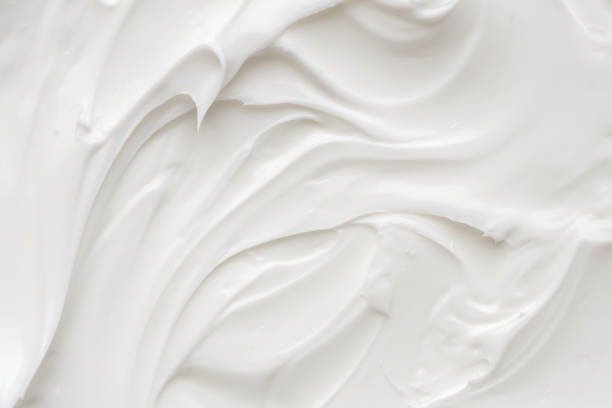
Comforting occlusion without heaviness (≈12,000–20,000 cps).
Packaging Customization for Anti aging cream
Airless, opaque, UV-safe packs protect retinoids. Offer 30/50/100 ml airless, amber glass jars with inner seals, and PCR options. Visual kits show texture + actives to boost retail storytelling.
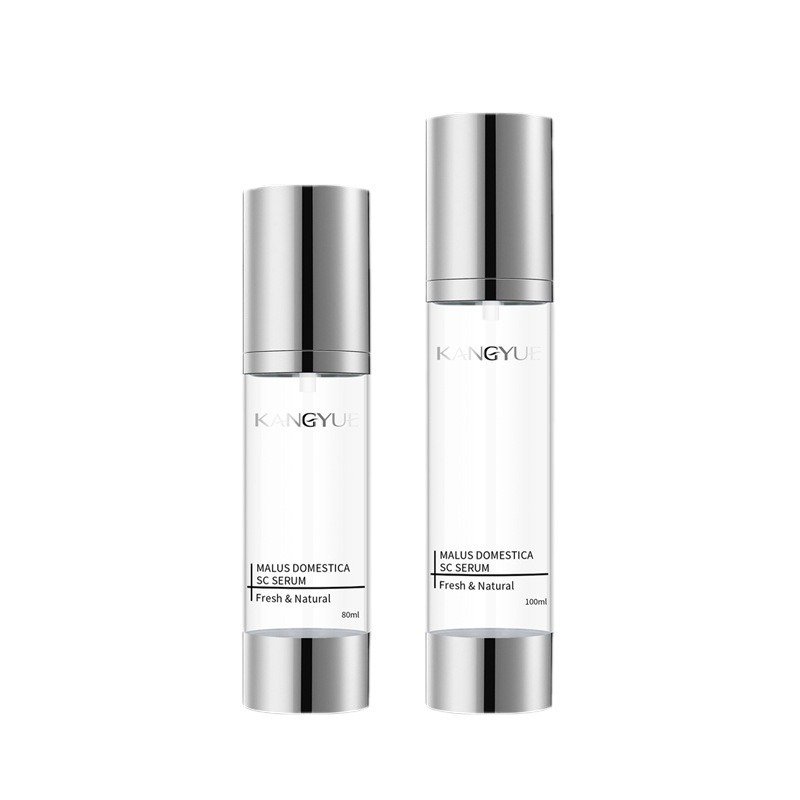
Airless Pump (30/50/100 ml)
oxygen-control piston, clean dosing, travel-ready
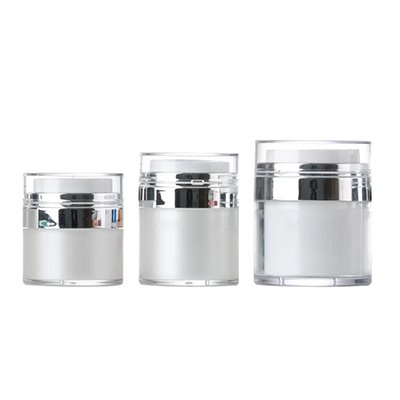
Amber Glass Jar (with inner seal)
UV attenuation, premium feel, easy scoop
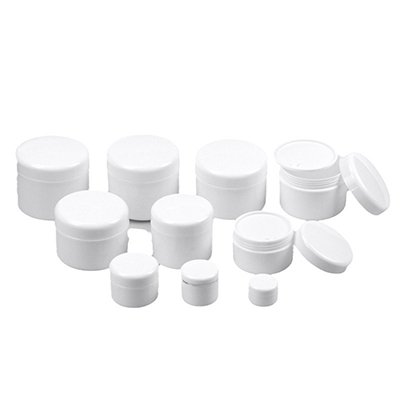
PCR Options
recycled plastics/glass for sustainability narratives
Anti aging cream – Private Label FAQ
Answer buyer-grade questions covering actives, tolerance, packaging, onboarding, and stability to streamline sampling decisions. Below are practical, compliance-aware answers designed for private-label decision making—covering retinoid onboarding, makeup compatibility, bakuchiol positioning, protective packaging, clinical substantiation, timelines, MOQs/lead times, and allergen-reduced builds.
1. How should we onboard retinol/retinal to minimize irritation?
Start with a tolerance-led plan: apply a pea-sized amount to clean, dry skin 2–3×/week for two weeks, then every other night, moving to nightly as tolerated. Keep the formula at pH 5.0–6.0, and pair the vitamin-A with niacinamide (2–5%), panthenol (0.2–0.5%), beta-glucan (0.1–0.3%), and ceramides (0.1–0.5%) to improve comfort. Consider encapsulated retinol/retinal, antioxidants, and chelators to reduce oxidative by-products that can exacerbate stinging. Avoid combining with strong exfoliants during the first 2–3 weeks; add AHA/PHA later if needed. Always recommend daily SPF and nighttime application. For retail, offer Intro/Pro strengths with a printed step-up guide and a simple patch-test instruction. Our lab can supply starter IFU cards and a tolerance diary template to reduce returns and increase repeat purchase.
2. Which texture works best under makeup and SPF?
For daytime layering, a light gel-cream or silky universal cream is ideal. Aim for fast spread and a quick set time (<60 seconds) to avoid mixing with sunscreen filters and primers. Keep viscosity in a moderate band (≈ 3,000–12,000 cps) and avoid heavy wax loads that may pill with silicone-rich SPFs. Use modern, low-tack emulsifiers and film-formers that set smoothly without residual drag. Include multi-weight HA for cushion and a small amount of lightweight emollients to keep slip high while shine stays low. We also recommend an in-house pilling stress test (five standard sunscreen types + two common primers) and a transfer test on foundation. Texture videos and “under-makeup” badges on the PDP help set shopper expectations.
3. Can we position bakuchiol for day use?
Yes—bakuchiol (0.5–1%) is commonly positioned for day and night because it is compatible with neutral-pH systems and is generally well tolerated. Frame messaging as a gentler alternative or a retinol-like story, avoiding drug-style claims. For daytime formulas, combine bakuchiol with peptides (1–2%), niacinamide (2–3%), THD vitamin C (3–5%) or EAA/AA2G, and antioxidants for photodamage support. Keep fragrance minimal or offer fragrance-free variants for sensitive onboarding, and always recommend SPF. From a stability angle, bakuchiol is less oxidation-prone than retinoids, yet still benefits from airless packaging and antioxidants. Consider a day bakuchiol + night retinal duo to widen your audience: the day SKU builds comfort and glow; the night SKU delivers visible remodeling for reviewers seeking faster change.
4. What packaging best protects retinoids and extends shelf life?
Choose airless, opaque, UV-safe components—30/50/100 ml pumps or airless jars with inner cups. For tubes, consider aluminum collapsible or multi-layer co-extrusions with low oxygen transmission rates. Pair packaging with formulation defenses: antioxidants (tocopherol/derivatives, ascorbate systems), metal chelators, tight water activity control, and optional encapsulation. Avoid wide-mouth jars where possible; if a jar is required, use an inner seal and clear “close immediately” instructions. Validate with accelerated stability (e.g., 40 °C/75%RH), freeze–thaw, photostability, and in-use simulation (pump strokes, headspace ingress). Add storage copy (“store below 25 °C / protect from light”) to cartons. Our QA provides potency checks at T0/1/3/6 months, helping you set confident PAO and shelf-life claims for Amazon and retail compliance.
5. How do you substantiate firmness and wrinkle claims?
We map each claim to measurable endpoints in a cosmetic use test (not a drug trial). For wrinkles/texture, use 3D profilometry (PRIMOS/Fringe) to quantify wrinkle depth/volume and Ra/Rz roughness. For firmness/elasticity, run Cutometer metrics (R2, R5, R7). For hydration/barrier, measure Corneometer and TEWL. Include standardized photography with expert grading and controlled lighting. Typical design: n ≥ 30, healthy adults, 8–12 weeks, assessments at baseline/4/8/12. Record tolerability (erythema, sting, dryness, peeling) and consumer perception as supportive—not primary—evidence. The resulting report lets you use compliant phrasing such as “improves the look of firmness” or “reduces the appearance of wrinkles,” avoiding medical terms. We can supply statistical analysis, chart assets, and pre-approved copy blocks for PDP and retail decks.
6. What’s the typical timeline for visible results?
Timelines depend on actives, baseline skin, and usage compliance. Hydration/comfort is often perceptible immediately to 1 week (HA, panthenol, ceramides). Texture smoothness and first fine-line changes may appear around 4–8 weeks with retinol/retinal, peptides, and supportive exfoliation (if used). Wrinkle depth/firmness improvements commonly register at 8–12 weeks on instrumental endpoints. Sensitive-skin or low-strength paths (e.g., bakuchiol-led) may require 6–8+ weeks for visible differences. Communicate an AM/PM routine with sunscreen by day, and a step-up schedule for vitamin-A to limit drop-off. For PDPs, we suggest a conservative range (“see visible improvement in 8–12 weeks in a cosmetic use test”) and a gallery showing before/after standardized imagery at defined time points.
7. What are your MOQs and lead times with airless packaging?
For planning, assume samples in 3–7 days, then 15–30 days for bulk production after approvals. Airless component procurement can add 15–45 days depending on finish (opaque, metallized, PCR, custom color) and cap/pump availability. Typical MOQs: ≥1,000 pcs for an existing base formula; ≥3,000 pcs for a new build (guidance—finals depend on components and prints). Artwork proofing (labels/cartons) adds 3–7 days; regulatory document prep runs in parallel. We recommend placing a rolling forecast and reserving component stock for smoother replenishment. Rush options may be possible with white-stock airless components. Our team shares a Gantt timeline covering lab sample → stability gate → pilot → production → QA release → dispatch, so your retail launch plan stays realistic.
8. Can we get fragrance-free and allergen-reduced builds?
Absolutely. We offer fragrance-free and essential-oil-free variants, plus low-allergen signature scents that comply with IFRA and minimize the EU 26 fragrance allergens. For sensitive onboarding, we recommend no added fragrance, a neutral odor base, robust antioxidant systems to control off-notes, and packaging that limits oxygen ingress. If a scent is desired, we can target allergen-reduced accords and keep disclosure simple for EU/UK labels. All builds include clear copy guidance—use cosmetic language (“improves the look/feel”) and avoid medical terminology. Pair allergen-reduced formulas with patch-test instructions, dermatologist-tested or sensitive-skin positioning (where justified), and consider separate Intro/Pro strengths to reduce returns. We’ll document IFRA compliance and supply label-ready INCI, PAO, and warning statements for each SKU.
Ready to Launch Your Custom Spot-Correcting Serum?
- Our team will answer your inquiries within 12 hours.
- Your information will be kept strictly confidential.

Let’s co-create a hero brand with custom formula, low MOQ, rapid sampling, and global shipping. Share your target market, benchmark, and budget—we’ll propose actives, texture, packaging, and claims in 48 hours (specs + samples)