
Private Label Body Butter Manufacturer For Body Care Brands
Develop custom body butter around richness, scoopability, spread, melt, absorption, fragrance and packaging, with OEM/ODM support from sampling to bulk production.
Texture & Richness Control
Develop the body butter around the thickness, scoopability, spread and melting behavior your customer should experience.
Absorption & Final Finish
Balance rich nourishment with the desired absorption speed, residual film and after-feel without making heaviness the only sign of performance.
Formula To Packaging
Coordinate formula structure, fragrance, packaging, sampling and production so the finished product works as a complete body-care SKU.
Anhydrous · Emulsified · Whipped · Fragrance-Free · Spa-Inspired · Premium
Body Butter Development For Different Beauty Brands
Body butter should fit more than a texture preference. Brand stage, target customer, sales channel and positioning all influence the right richness, absorption, fragrance, packaging and level of customization. We can start from a mature formula or develop a more differentiated direction around the experience your brand wants to create.
New Body Care Brand
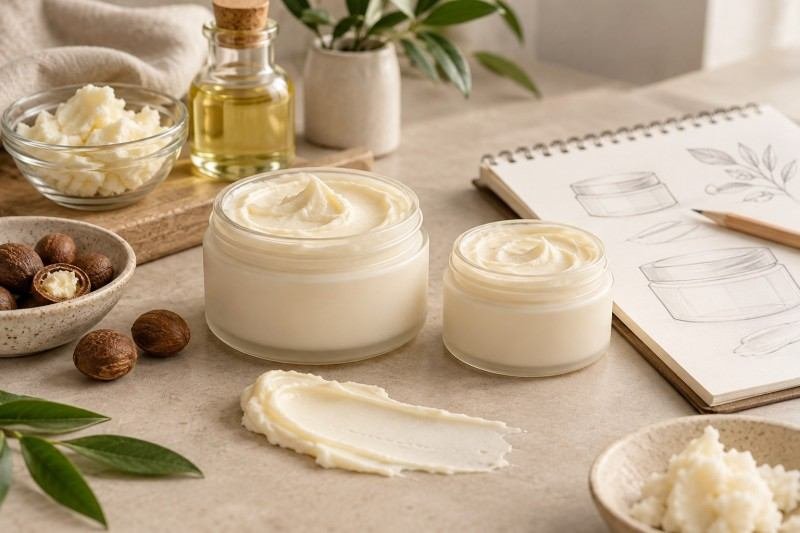
For a new brand, the priority is usually to create a clear product concept without making the first development unnecessarily complicated.
Development priorities:
- Easy-to-understand texture and positioning
- Balanced richness and absorption
- Suitable stock packaging
- Practical formula customization
A mature or semi-custom formula can provide a more efficient starting point while still allowing the product to develop its own identity.
Growing Beauty Brand
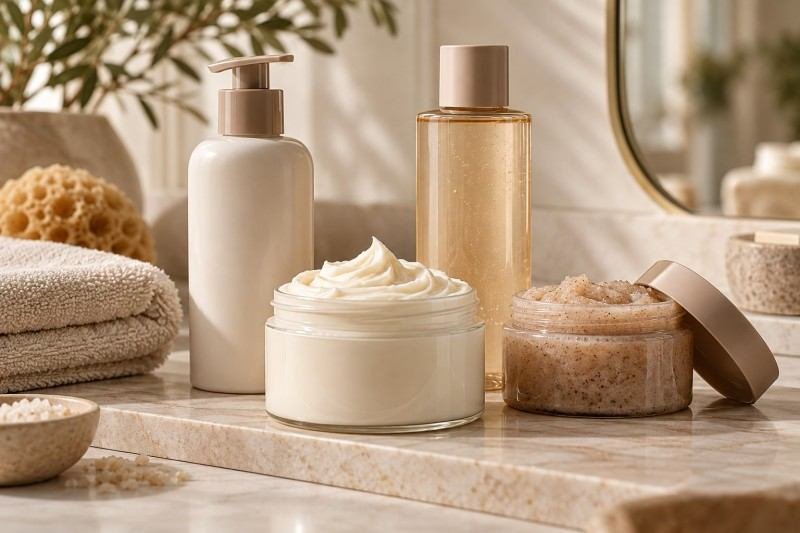
Established brands often need a body butter that adds something different to an existing body-care range rather than repeating another cream or lotion.
Development priorities:
- Distinctive texture and final finish
- Stronger fragrance identity
- Coordination with existing SKUs
- More differentiated packaging
Development can focus on creating a recognizable sensory experience while keeping the new product consistent with the wider brand.
Spa & Professional
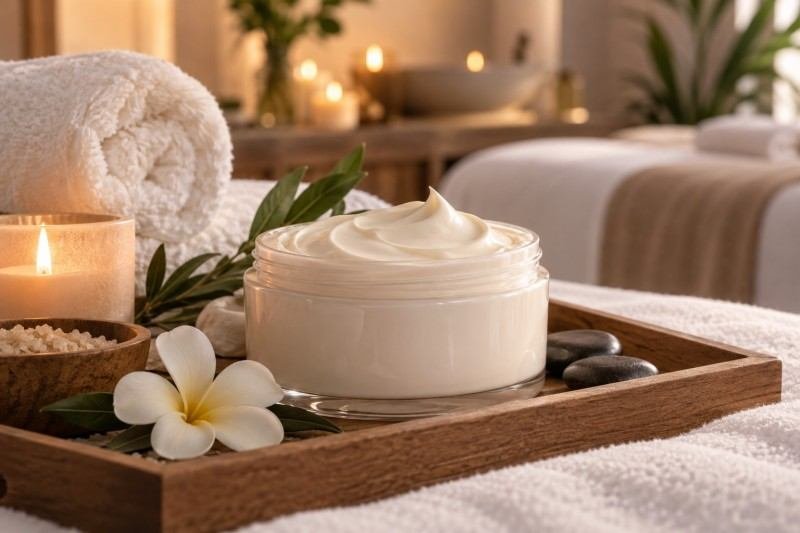
Spa and professional concepts usually place greater emphasis on application experience, massage spread, richness and fragrance during treatment or retail use.
Development priorities:
- Smooth, generous spread
- Longer working feel
- Comfortable residual conditioning
- Spa-inspired fragrance direction
The formula should feel rich and substantial during application while still leaving the skin finish appropriate for the intended treatment or home-care routine.
Premium Skincare Brand
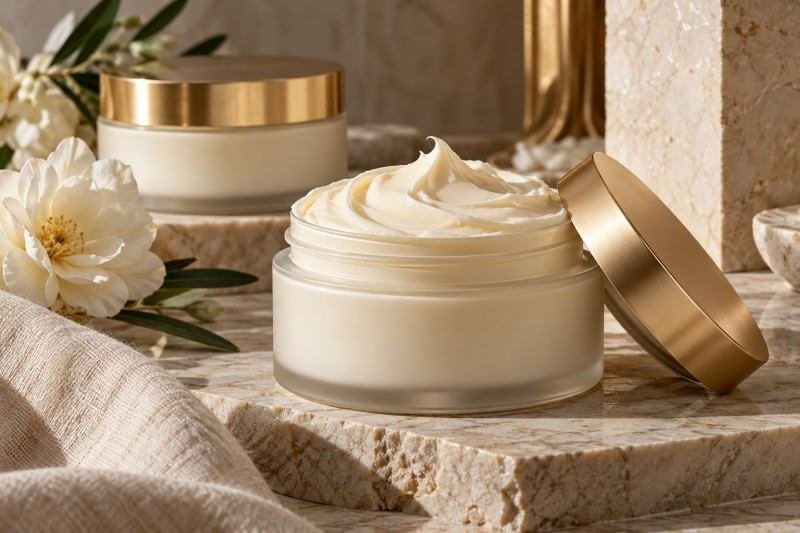
Premium body butter needs more than a luxurious jar. Texture, melt, fragrance, absorption and skin finish all need to support the positioning.
Development priorities:
- Refined scoop and melt behavior
- Controlled richness after application
- Sophisticated fragrance or fragrance-free option
- Premium packaging compatibility
The product should feel considered from the first scoop through the final skin finish rather than relying on one featured ingredient.
The right body butter should match both the skin experience and the business model behind it.
What Types Of Body Butter Can We Develop?
Body butter can be developed around very different texture, richness and finish targets. Instead of starting only from a featured butter or oil, choose the experience your customer should feel—from lightweight daily moisture to a richer, slower-melting or more fragrance-led body care product.
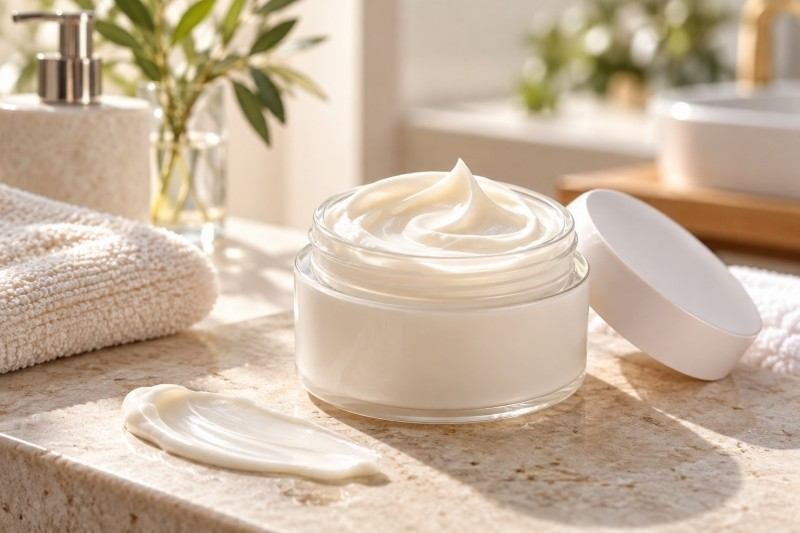
A balanced everyday body butter designed to feel richer than a lotion without becoming excessively heavy on the skin.
Development focus:
- Medium richness
- Smooth easy spread
- Controlled absorption
- Comfortable daily finish
Suitable for brands that want an approachable body butter for regular full-body use.
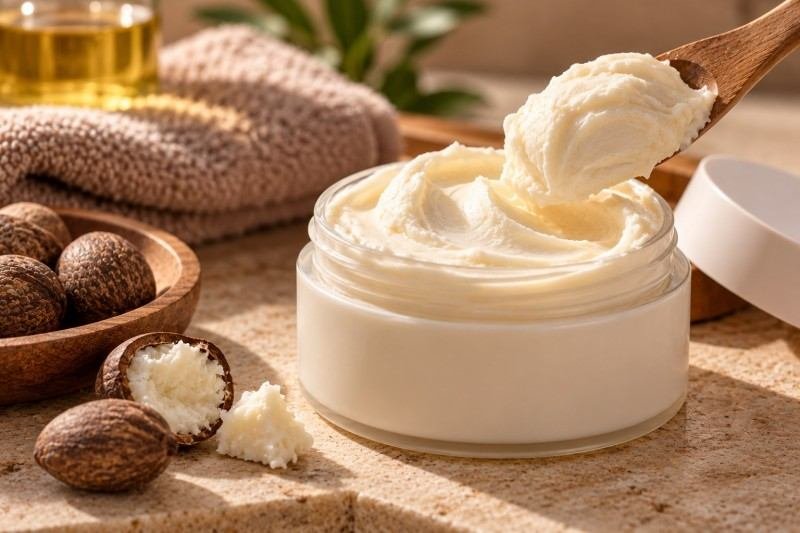
A denser, more substantial direction for customers who expect a richer application and a longer-lasting conditioned skin feel.
Development focus:
- Higher richness
- Slower melt and absorption
- More noticeable residual conditioning
- Dense, satisfying scoop
Well suited to dry-skin, winter-care or intensive body-care positioning.
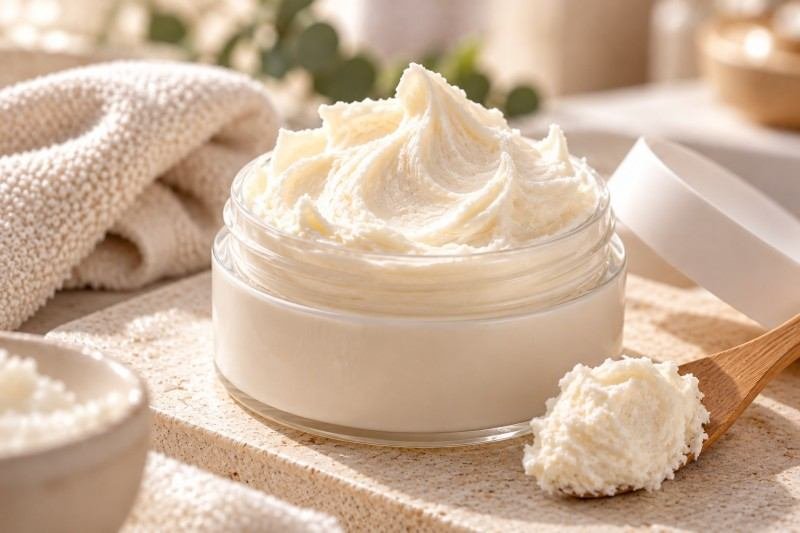
A lighter-looking, airy texture that creates a distinctive scoop and spread experience while still delivering the richness expected from body butter.
Development focus:
- Soft whipped appearance
- Easy scoopability
- Light initial spread
- Controlled final richness
The structure needs to remain stable enough to maintain the intended texture through storage and use.
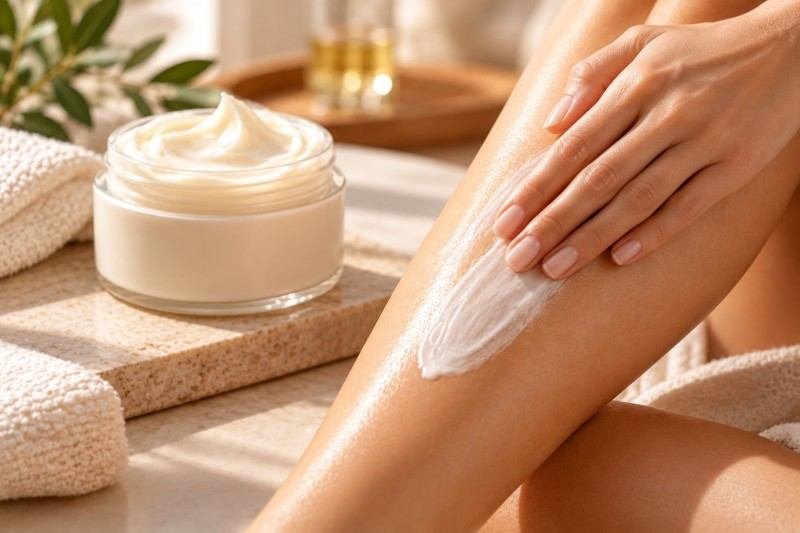
Designed for brands that want the richness of body butter during application but less greasy or heavy residue afterward.
Development focus:
- Smooth initial melt
- Faster spread
- Reduced oily finish
- Cleaner skin after-feel
This direction can work well for modern daily body care and consumers who dislike heavy occlusive residue.
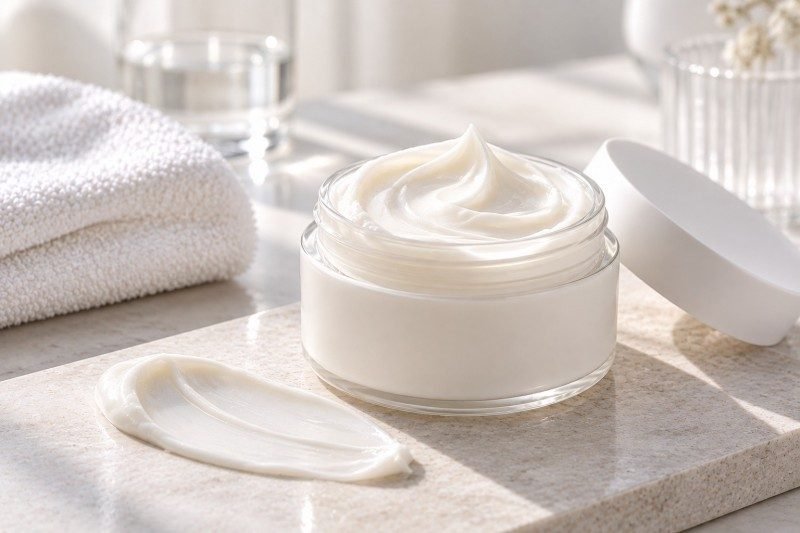
A low-scent or fragrance-free direction where texture, comfort and final skin feel become the main product experience.
Development focus:
- Neutral sensory profile
- Balanced richness
- Comfortable residual feel
- Minimal fragrance interference
Suitable for minimalist body care, sensitive-positioned concepts or routines where personal fragrance is applied afterward.
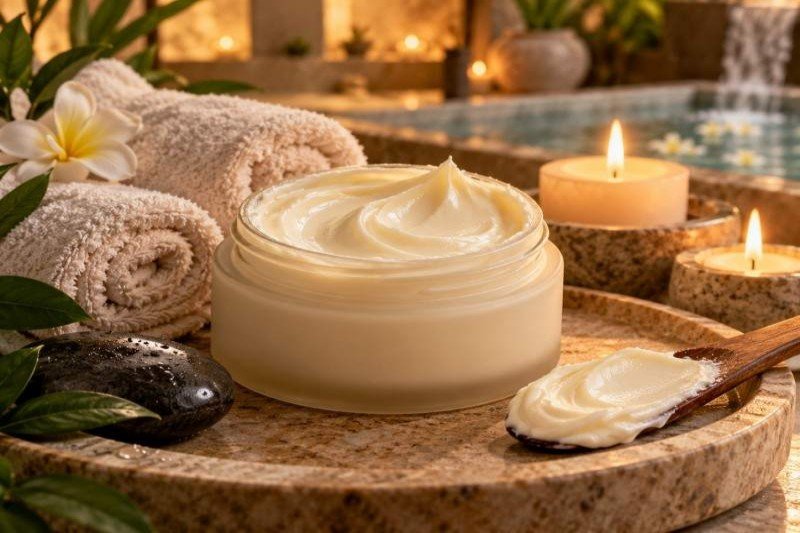
A more sensory body butter where richness, massage spread and fragrance work together to create a longer, more indulgent application experience.
Development focus:
- Generous spread
- Longer working time
- Rich conditioned finish
- More distinctive fragrance direction
Suitable for spa, wellness and premium body-care concepts.
Choose the body butter experience first, then build the formula around it.
Body Butter vs Lotion vs Cream vs Balm
Body lotion, cream, butter and balm can all support body moisturization, but they create very different application and after-feel experiences. The main differences usually come from texture structure, oil richness, spread, absorption and residual film. Body butter sits toward the richer end of body care, but it can still be developed from relatively fast-absorbing to deeply conditioning depending on the formula architecture.
| Product Format | Typical Texture | Spread | Absorption | Residual Feel | Best Use | Common Packaging |
|---|---|---|---|---|---|---|
| Body Lotion | Fluid to light cream | Fast and easy over large areas | Usually faster | Light, low-film finish | Daily full-body moisturizing | Pump bottle / flip-top bottle |
| Body Cream | Medium to rich cream | Smooth with more cushion | Moderate | Noticeable but controlled conditioning | Daily or richer body care | Jar / tube / pump |
| Body Butter | Dense, rich and scoopable | Melts and spreads with massage | Moderate to slower, depending on formula | Richer, more conditioned finish | Dry skin, premium care, winter or spa concepts | Wide-mouth jar / selected tubes |
| Body Balm | Very dense, waxy or semi-solid | More targeted, slower spread | Usually slower | Stronger protective film | Targeted dry areas and intensive care | Jar / stick / compact format |
What Should A Good Body Butter Feel Like?
A good body butter should feel rich without becoming difficult to scoop, spread or wear. The complete experience depends on how the product leaves the jar, melts across the skin, absorbs and finally settles. These six sensory targets help define the body butter before detailed formulation begins.
Rich Texture
Body butter should feel noticeably richer than a standard lotion or cream, but richness should still match the intended consumer and usage routine.
Development should balance:
- Dense, substantial texture
- Comfortable skin contact
- Premium sensory impression
- Appropriate everyday wearability
The goal is richness that feels intentional rather than simply heavy.
Easy Scoop
The product should be firm enough to hold its structure while remaining easy to remove from the jar with fingers or a spatula.
A balanced scoop should provide:
- Clear product structure
- Easy pickup from the jar
- No excessive hardness
- Predictable portion control
The first scoop strongly influences how customers perceive the product before application even begins.
Smooth Spread
Once applied, the body butter should move across the skin without excessive dragging or requiring too much product.
Good spreadability should support:
- Easy full-body application
- Smooth massage
- Lower friction
- Even product distribution
The formula should feel substantial while still becoming easier to move as it warms against the skin.
Controlled Melt
Body butter should soften appropriately during application rather than staying waxy or becoming excessively oily too quickly.
The melting profile affects:
- Application speed
- Massage feel
- Perceived richness
- Final residue
The right melt creates a transition from dense product in the jar to a smoother layer on the skin.
Balanced Absorption
Absorption should match the product concept. A rich butter does not need to disappear immediately, but it should settle at a predictable rate.
Development can control:
- Initial richness
- Working time
- Absorption speed
- Post-application heaviness
The goal is to leave the skin conditioned without making slow absorption feel unfinished.
Comfortable Finish
The final skin feel determines whether the body butter feels nourishing, greasy, waxy, silky or overly coated once application is complete.
The target should consider:
- Residual film
- Tack
- Oiliness
- Skin softness
A well-balanced body butter should leave a recognizable conditioned finish without unnecessary residue.
Rich Texture Without Excessive Greasiness
Body butter should feel substantial when scooped and applied, but that richness does not need to translate into a heavy, oily finish. The formula should control how richness changes as the product spreads, melts and settles on the skin.
Richness Begins With Structure
A rich body butter should have enough body to hold its shape in the jar and create a satisfying scoop.
The structure influences:
- How dense the product feels
- How easily it leaves the jar
- How much product is picked up
- How premium the first touch feels
A formula that is too soft may feel more like a cream, while one that is too firm can become difficult to scoop and spread.
Greasy Feel Appears Later
Greasy after-feel is not determined only by how thick the product looks in the jar.
It can also be influenced by:
- Oil and emollient selection
- Melting behavior
- Spreadability
- Absorption speed
- Residual film after application
A dense-looking butter can still finish relatively clean, while a softer formula can leave a noticeably oily film.
Control The Transition
The most important development point is what happens between the first scoop and the final skin finish.
A balanced body butter should move through three clear stages:
Dense In The Jar
Enough structure to look and feel like a true body butter.
Smooth During Application
Softens with skin contact and spreads without excessive dragging.
Controlled After Settling
Leaves the intended conditioned finish without unnecessary oiliness or heaviness.
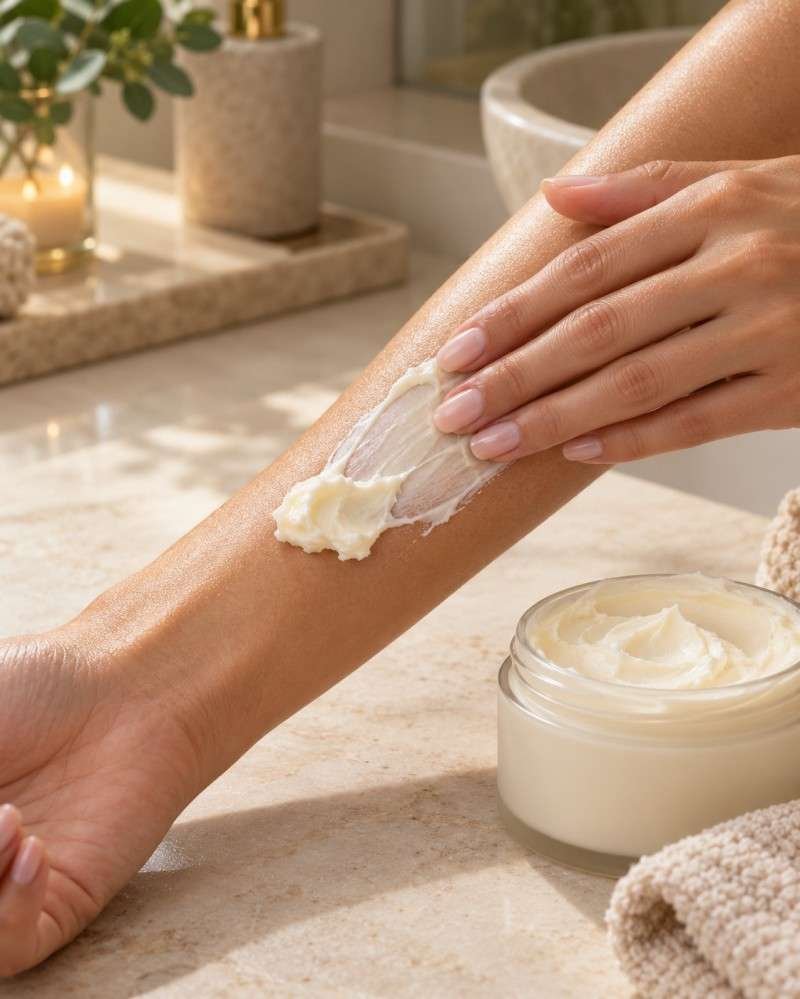
Richness should be felt during application—not only left behind as grease.
Scoopability Shapes The First Body Butter Experience
Before body butter reaches the skin, customers already judge it by how the surface looks, how easily the product can be picked up and whether the texture feels too hard or too loose. Good scoopability requires enough structure to hold the butter in the jar while remaining comfortable to remove and apply.
01
Controlled Firmness
The butter should feel substantial enough to hold its shape in the jar without becoming difficult to press, scoop or lift. Excessive firmness can make a rich formula feel waxy or inconvenient.
02
Easy Product Pickup
A finger or spatula should remove a practical amount without digging aggressively into the formula. The texture should separate cleanly from the bulk while still feeling dense and satisfying.
03
Texture Recovery
After product is removed, the remaining butter should maintain a stable, intentional appearance rather than collapsing, separating or becoming excessively oily around the scooped area during normal use.
04
Stable Jar Structure
Scoopability should remain reasonably consistent through expected storage and use conditions. A formula that becomes dramatically harder or softer can change dispensing, perceived quality and the overall consumer experience.
How Body Butter Should Spread And Melt
A good body butter should change as it moves from the jar to the skin. It needs enough structure to remain scoopable, then soften under pressure and skin warmth so it spreads smoothly without dragging, breaking apart or turning into an excessively oily layer.
Spread Begins After The Scoop
Once body butter leaves the jar, the texture should become easier to move across the skin.
A balanced formula should provide:
- Enough initial cushion
- Smooth movement under hand pressure
- Low unnecessary drag
- Even distribution over larger body areas
If the texture stays too firm during application, consumers may need more pressure or more product to cover the skin.
Melting Should Be Controlled
Body butter often softens as it meets skin warmth, but faster melting is not automatically better.
The melting profile influences:
- How quickly the formula opens up
- How rich it feels during massage
- How far a small amount can spread
- How oily the formula feels afterward
The goal is a gradual transition from a structured butter into a smooth, workable layer.
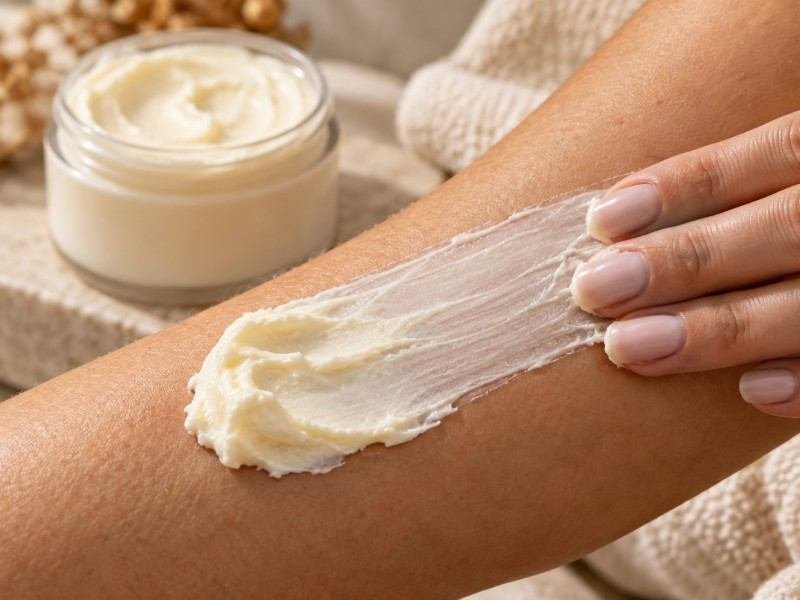
| Texture State | In The Jar | During Spread | Melting Behavior | Final Experience |
|---|---|---|---|---|
| Too Hard | Very firm and difficult to scoop | High drag, requires more pressure | Slow to soften | Can feel waxy, stiff or inconvenient |
| Balanced | Structured but easy to pick up | Smooth, controlled movement | Softens gradually with skin contact | Rich during application with a controlled finish |
| Too Soft | Loose or easily collapses | Spreads very quickly | Melts almost immediately | May feel oily, less structured or closer to a cream |
Absorption And Residue Define The Final Skin Feel
Body butter does not need to disappear immediately to feel well formulated. The right finish depends on how quickly the formula settles and how much conditioning film remains afterward. Different brands may prefer a cleaner daily finish, a silky conditioned feel or a richer, longer-lasting presence on the skin.
01
Fast & Clean
The butter settles relatively quickly and leaves only a light residual layer, making the skin feel conditioned without a strong oily or coated sensation.
Best suited to:
- Daily body care
- Warm-weather use
- Modern lightweight positioning
- Consumers who dislike heavy residue
02
Balanced & Silky
Absorption happens at a moderate pace, leaving a smooth, soft film that remains noticeable without feeling excessively greasy or sticky.
Best suited to:
- Everyday premium body care
- Broad consumer appeal
- Medium-rich textures
- Year-round product positioning
03
Rich & Conditioned
The formula absorbs more slowly and leaves a more noticeable conditioned layer, reinforcing the richness expected from an intensive body butter.
Best suited to:
- Dry-skin positioning
- Winter body care
- Rich nourishing concepts
- Evening or slower routines
04
Long-Lasting Finish
A more substantial residual film can be intentionally designed when the product concept calls for a deeply rich and lingering body-care experience.
Best suited to:
- Very rich butter concepts
- Spa-inspired products
- Targeted dry-area use
- Consumers who prefer a stronger after-feel
Body Butter Must Work Across Different Climates
Temperature can change how a body butter feels before, during and after application. A formula that performs well in a cool environment may become softer or melt faster in warmer conditions. Climate should therefore be considered together with texture structure, packaging, storage expectations and the intended consumer experience.
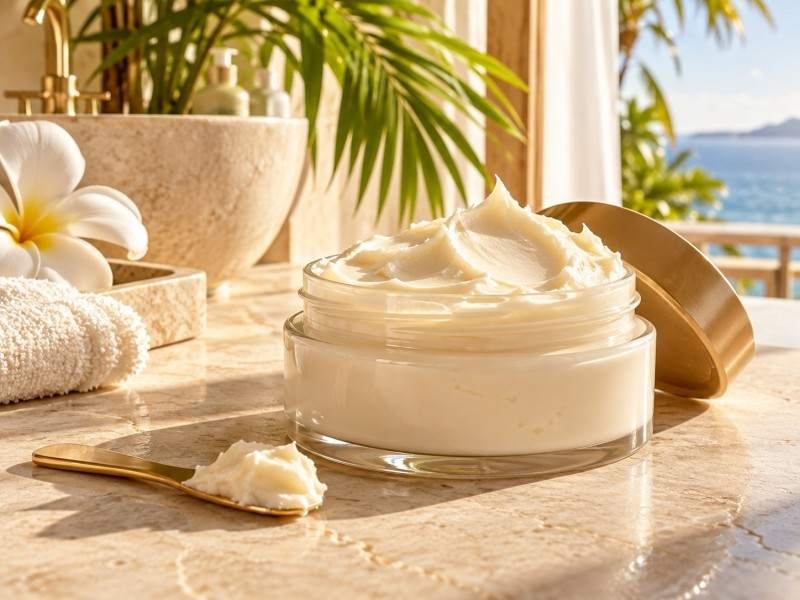
Warm Climate
Keep Richness Without Becoming Too Soft
In warmer markets, body butter may soften more quickly during storage and application. The formula needs enough structure to preserve a recognizable butter texture without becoming overly loose, oily or difficult to control.
Development priorities:
- Better texture retention
- Controlled melting speed
- Reduced oil separation risk
- Cleaner post-application finish
The goal is not to make the butter excessively hard, but to maintain a stable scoop-and-spread experience under warmer conditions.
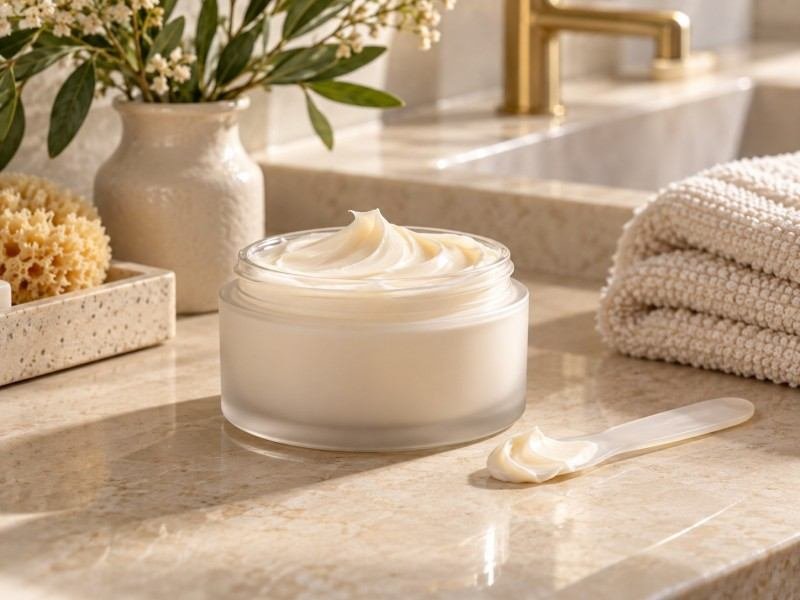
Temperate Climate
Balance Everyday Texture And Wearability
For moderate climates, the formula can focus more evenly on scoopability, spread, absorption and skin finish without pushing too strongly toward either heat resistance or extreme richness.
Development priorities:
- Consistent jar structure
- Smooth everyday spread
- Balanced absorption
- Comfortable residual conditioning
This direction works well for brands targeting broad year-round use across mainstream body-care routines.
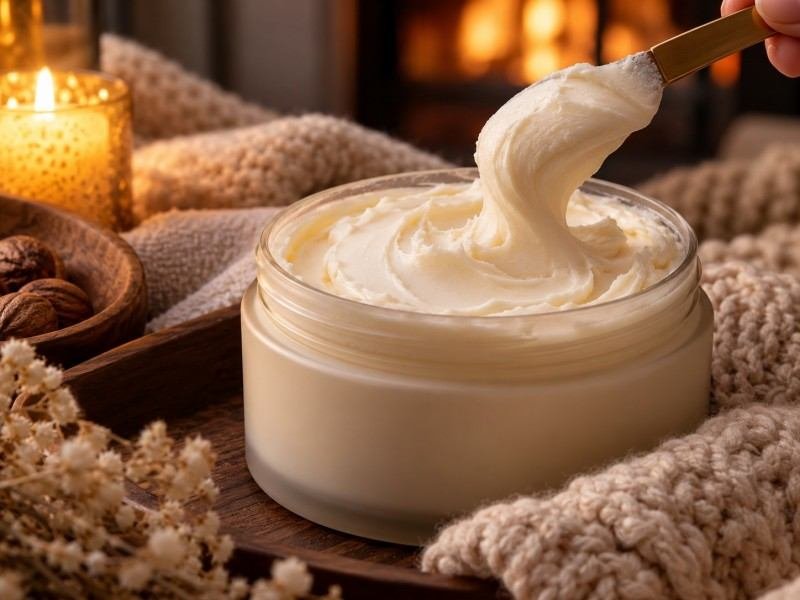
Cold & Dry Climate
Support Richer Application And Longer Comfort
In colder environments, body butter may feel firmer in the jar and slower to spread across the skin. At the same time, consumers may expect a richer and more substantial conditioning experience.
Development priorities:
- Easier scoop at lower temperatures
- Smoother melt under skin warmth
- Richer conditioning feel
- More noticeable residual comfort
The formula should remain usable when cooler without losing the richness expected from intensive body care.
The same richness can feel very different when temperature changes.
Choose Your Body Butter Formula Direction
After defining the target consumer, climate and desired skin finish, the body butter can move into a more specific formulation direction. The right route should balance jar structure, scoopability, melting behavior, absorption and residual feel rather than relying on a single featured butter or oil.
| Formula Direction | Jar Texture | Spread & Melt | Absorption | Final Skin Feel | Best Fit |
|---|---|---|---|---|---|
| Light Daily Butter | Soft to medium structure | Easy spread, quick softening | Faster | Light conditioning with lower residue | Everyday body care and warmer markets |
| Balanced Rich Butter | Dense but easy to scoop | Smooth, controlled melt | Moderate | Silky, noticeable conditioning | Broad premium body-care positioning |
| Intensive Nourishing Butter | Firm, substantial structure | Slower spread and melt | Slower | Richer, longer-lasting conditioned feel | Dry-skin, winter and intensive care concepts |
| Dry-Touch Butter | Medium-rich structure | Smooth and relatively fast spreading | Faster | Cleaner, less oily finish | Consumers who want richness without heavy residue |
| Massage & Spa Butter | Soft, workable texture | Longer working time | Moderate to slower | Rich slip with sustained conditioning | Spa, wellness and massage-led concepts |
| Whipped Sensory Butter | Airy, soft structure | Light initial spread, controlled collapse | Moderate | Soft, cushioned and distinctive | DTC, premium and sensory-led brands |
Ingredient Roles Behind Body Butter Performance
Body butter performance comes from how different formula systems work together—not from one featured butter or oil. Structure, spread, melt, absorption and final skin feel can all change depending on how the butter phase, emollients, structuring materials and other supporting systems are balanced.
Butter Base
Plant butters help establish the dense, rich character expected from body butter and influence firmness, melt behavior and the overall conditioning feel.
The butter phase can affect:
- Jar structure
- Scoop firmness
- Melt under skin warmth
- Perceived richness
Different butter combinations can create very different textures even when the finished products look similar.
Emollient System
Oils and emollients influence how easily the butter spreads and how oily, silky or lightweight the final finish feels.
They help control:
- Slip during application
- Spread distance
- Absorption profile
- Residual oiliness
A richer oil phase does not automatically create a better body butter—the blend needs to match the intended finish.
Structuring System
Structuring materials help the formula hold its shape in the jar and influence whether it feels soft, firm, waxy or easy to scoop.
They affect:
- Firmness
- Texture recovery
- Heat response
- Scoopability
Too much structure can create drag and waxiness, while too little may cause the product to become loose or unstable.
Moisture System
In emulsified body butter, the water phase and humectant system can influence hydration, spread and how quickly the rich texture settles on the skin.
They can support:
- Moisture feel
- Softer spread
- Reduced heaviness
- More cream-like absorption
This system is relevant to emulsified body butter rather than fully anhydrous formulas.
Emulsification System
For emulsified body butter, the emulsifier system keeps the water and oil phases together while also influencing texture, stability and final sensory character.
It can affect:
- Cream structure
- Viscosity
- Spread behavior
- Stability through storage
The emulsifier system should support the intended richness rather than making the product feel unnecessarily waxy or heavy.
Stability System
A rich body butter also needs to maintain its intended appearance, texture and performance throughout storage and normal use.
Development may need to consider:
- Temperature stability
- Oil separation
- Texture changes
- Microbiological control where applicable
The stability approach depends on whether the formula is anhydrous or emulsified and on the final packaging and market requirements.
Anhydrous Or Emulsified Body Butter?
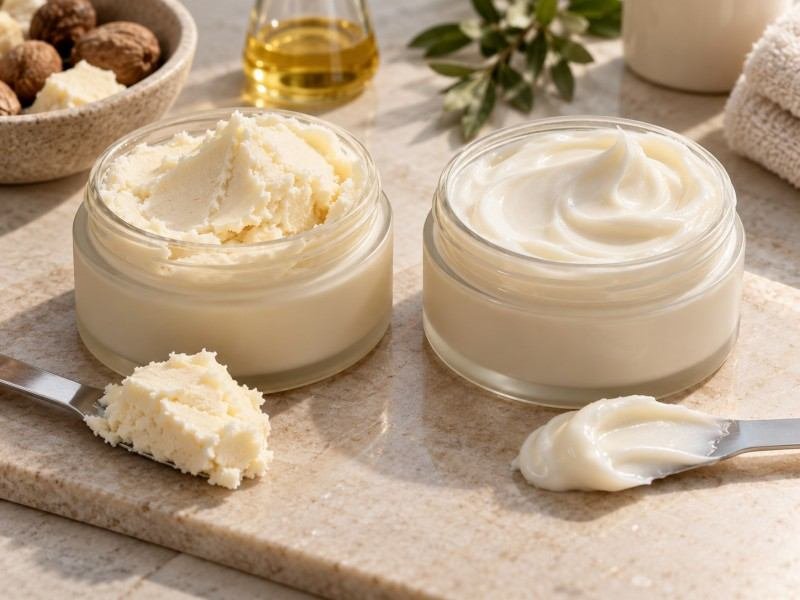
Body butter can be built as a water-free butter-and-oil system or as a rich emulsion containing both water and oil phases. These two structures can look similarly rich in the jar, but they behave very differently in scoopability, spread, absorption, residue, stability and final skin feel.
Two Structures, Two Different Experiences
Choosing between anhydrous and emulsified body butter should start with the intended consumer experience rather than the product name.
Anhydrous Body Butter
An anhydrous formula contains no added water and is typically built around:
- Plant butters
- Oils and emollients
- Structuring materials
- Antioxidant support where appropriate
- Fragrance or fragrance-free direction
This route usually creates a more oil-rich, concentrated and slower-melting experience.
It can be suitable when the product should feel:
- Dense and substantial
- Rich during massage
- More protective after application
- Clearly different from a conventional body cream
Because there is no water phase, the formula architecture, stability strategy and sensory behavior are different from an emulsified cream.
Emulsified Body Butter
An emulsified body butter combines water and oil phases to create a rich cream-butter structure.
This route allows more control over:
- Hydration feel
- Spreadability
- Absorption speed
- Residual oiliness
- Creaminess and cushion
It can still feel very rich, but the finish can usually be adjusted toward a cleaner or more familiar skincare feel.
An emulsified system also requires appropriate emulsification, preservation and microbiological control.
| Development Point | Anhydrous Body Butter | Emulsified Body Butter |
|---|---|---|
| Formula Structure | Water-free butter, oil and structuring system | Water + oil phases held together by an emulsification system |
| Jar Texture | Usually denser, more butter-like or balm-like | Rich, creamy and more adjustable |
| Scoopability | Can become firmer depending on butter and temperature | Often softer and more cream-like |
| Melting Behavior | More strongly influenced by butter and oil melting profiles | Can be controlled through the full emulsion structure |
| Spread | Richer, sometimes slower and more oil-led | Usually smoother and easier over larger body areas |
| Absorption | Generally slower with more noticeable oil presence | Can be adjusted from medium-rich to relatively fast absorbing |
| Residual Feel | More substantial, oily or protective | More flexible from silky to rich |
| Moisture System | No traditional water-based humectant phase | Can include water-phase humectants |
| Microbiological Control | Different risk profile due to no added water | Requires an appropriate preservation system and microbiological control |
| Temperature Sensitivity | Butter melting points can strongly affect firmness | Texture can also change with heat, but through a different structural system |
| Best Fit | Rich, oil-led, intensive or sensory concepts | Daily premium, moisturizing and more versatile body-care concepts |
Build The Right Body Butter Fragrance Experience
Fragrance can shape how rich, fresh or premium a body butter feels, but it should work with the texture and final skin finish rather than overpower them. The right direction considers scent strength during application, character, dry-down and how the fragrance fits the rest of the body-care routine.
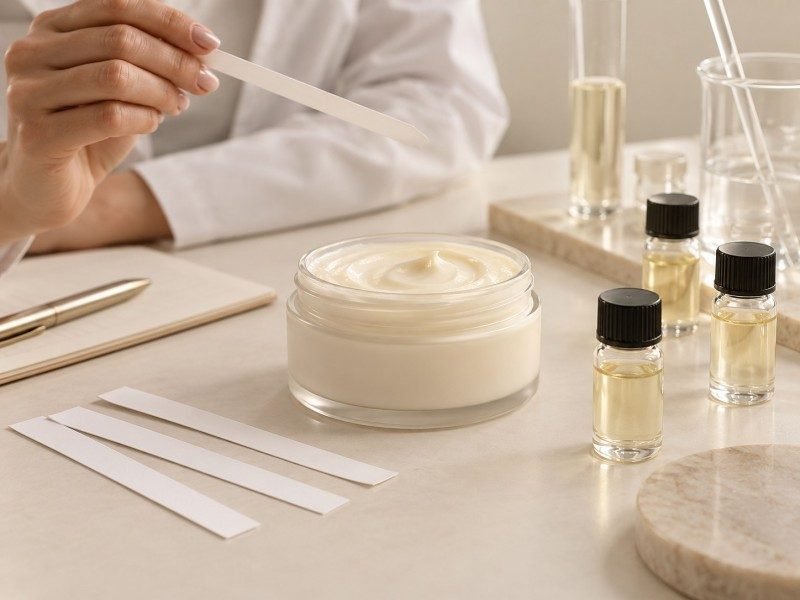
Set The Fragrance Strength
Match Scent Intensity To The Product Experience
A rich body butter often remains on the skin longer than a rinse-off product, so fragrance intensity needs to be considered carefully.
Possible directions include:
- Fragrance-free
- Very light scent
- Moderate daily fragrance
- More distinctive sensory fragrance
A stronger fragrance is not automatically more premium. The right level should match how long the product remains noticeable on the skin and how the consumer is expected to use it.
Choose The Scent Character
Use Fragrance To Support Brand Positioning
The scent family can help reinforce whether the body butter feels clean, comforting, botanical, spa-inspired or more luxurious.
Possible directions include:
- Clean & soft
- Fresh botanical
- Warm gourmand
- Floral comfort
- Spa aromatic
- Woody premium
The fragrance should support the intended consumer and product positioning rather than being selected independently from the formula concept.
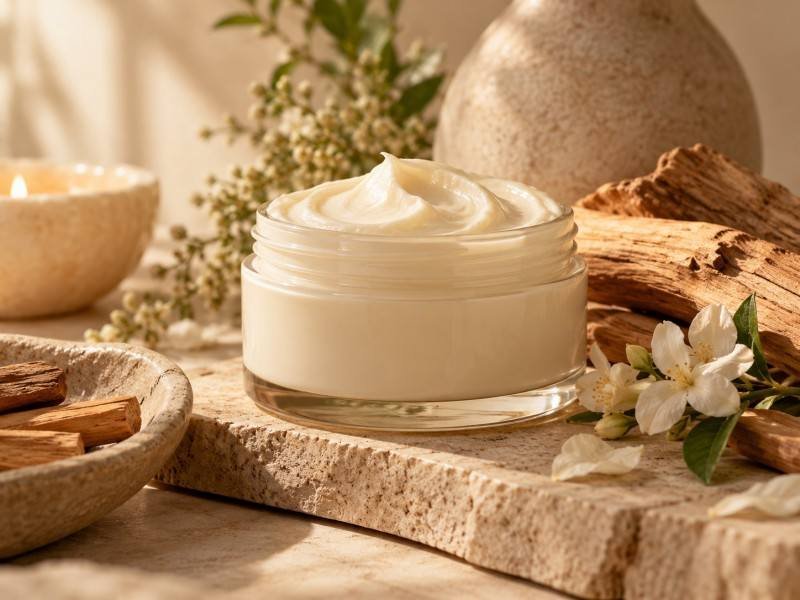
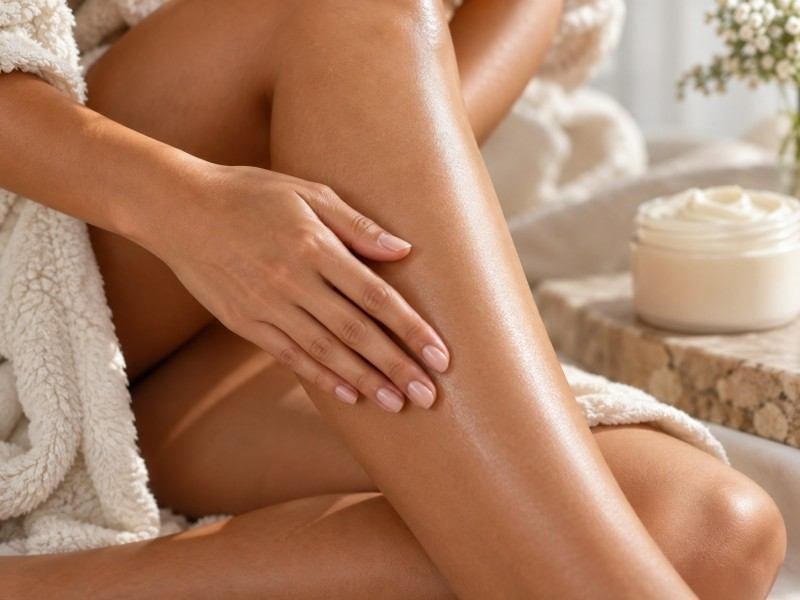
Evaluate The Skin Dry-Down
Judge The Scent After The Butter Settles
The fragrance experienced when opening the jar may differ from what remains after the product has melted, spread and settled on the skin.
Development should consider:
- Initial scent impact
- Fragrance during massage
- Character after absorption
- Residual scent on the skin
- Interaction with the formula’s oily or creamy base
This is especially important for richer body butters because the residual phase can influence how the fragrance develops over time.
Fit The Body Care Routine
Make Fragrance Work Across Multiple Products
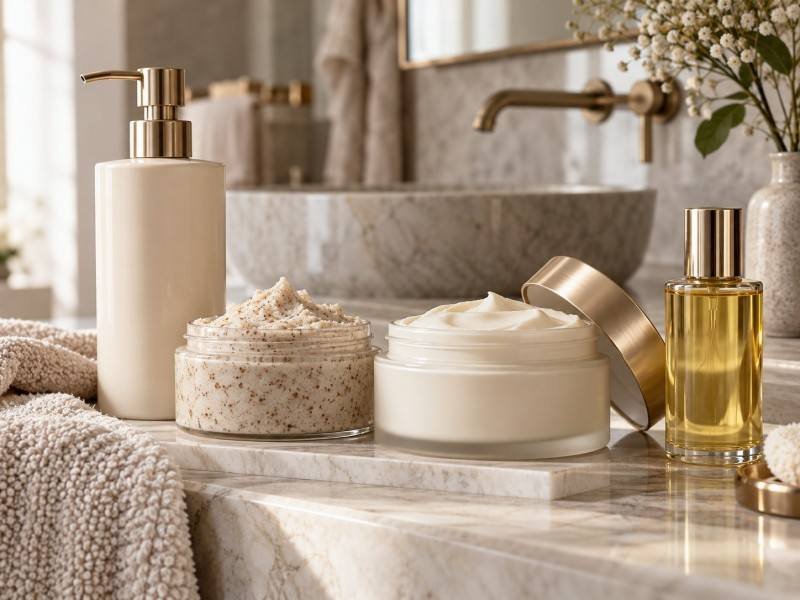
Body butter may be used after body wash, scrub or body serum and before body oil or personal fragrance.
A coordinated scent strategy can:
- Keep the butter neutral for layering
- Match an existing body wash or scrub
- Create a recognizable fragrance family
- Leave space for perfume used afterward
This becomes more important when Body Butter is part of a larger branded body-care collection.
A good body butter fragrance should complement the richness of the formula—not compete with it.
Fragrance should be evaluated after the body butter has spread and settled, because the final scent experience matters more than the first impression from the jar.
Packaging Must Match Body Butter Texture
Body butter packaging should be selected after the final texture direction is clear. A dense anhydrous butter, a softer whipped texture and an emulsified body butter do not dispense in the same way. The package needs to support scoopability, formula flow, consumer use and transport while still fitting the brand’s visual position.
Wide-Mouth Jar
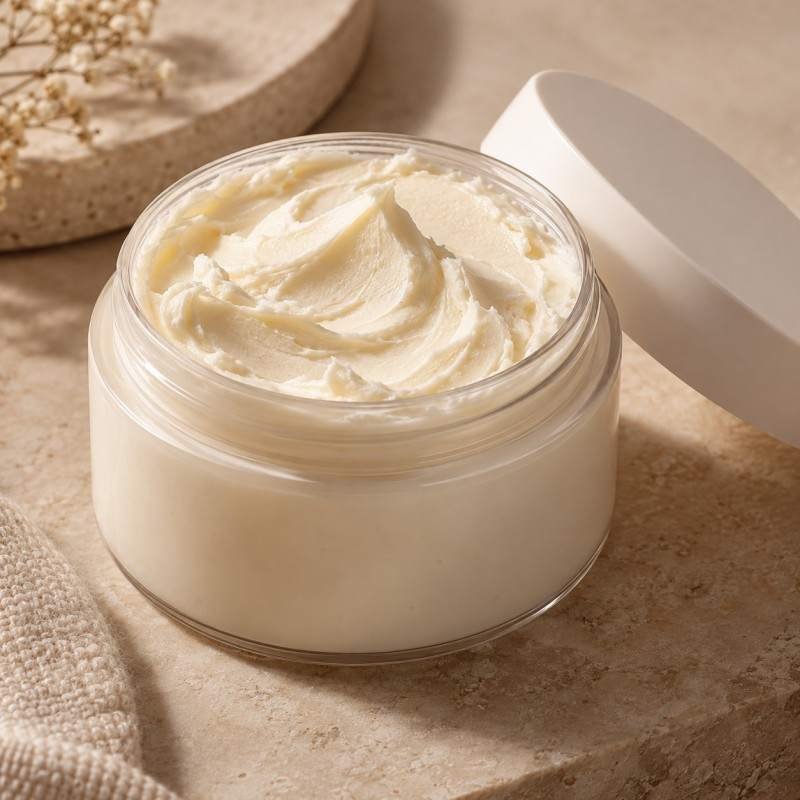
The most flexible packaging route for traditional body butter because consumers can directly scoop dense or rich textures without relying on a pump system.
Best suited for:
- Dense body butter
- Anhydrous formulas
- Whipped textures
- Rich emulsified butter
Jar diameter, opening size and fill volume should make the product easy to access while leaving enough space for a clean and practical scooping experience.
Packaging Focus
Easy Access → Scoopability → Texture Visibility → Daily Use
Premium Jar
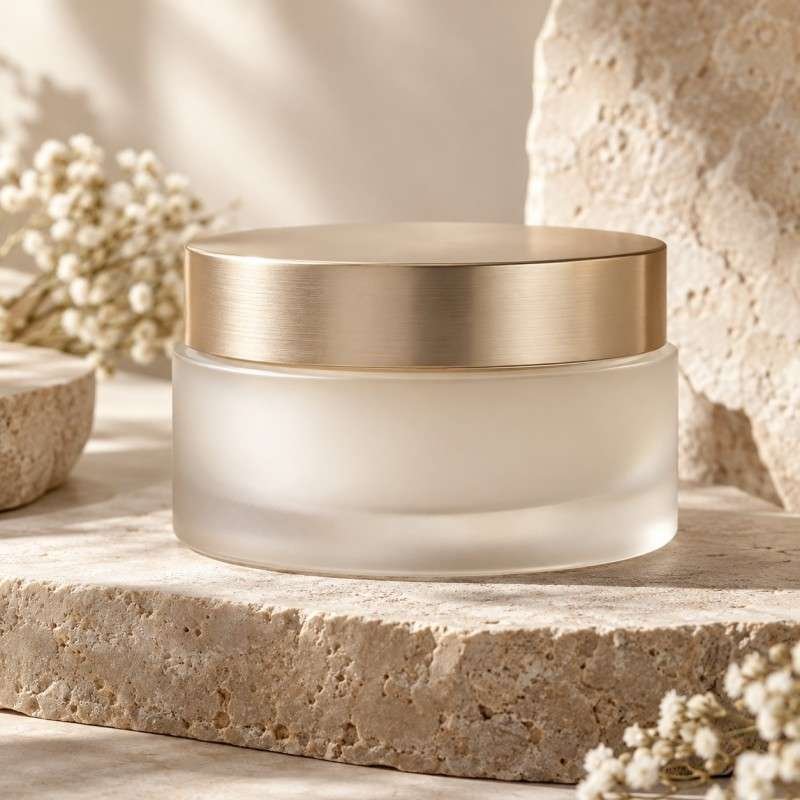
Heavy-wall plastic or suitable glass-style packaging can create a more substantial presentation for premium body-care positioning.
Best suited for:
- Premium retail concepts
- Rich body-care collections
- Gift or spa positioning
- Higher-end visual presentation
The package should still be evaluated for weight, closure fit, transport and compatibility with the final formula rather than selected only for appearance.
Packaging Focus
Premium Feel → Formula Fit → Closure → Transport
Squeeze Tube
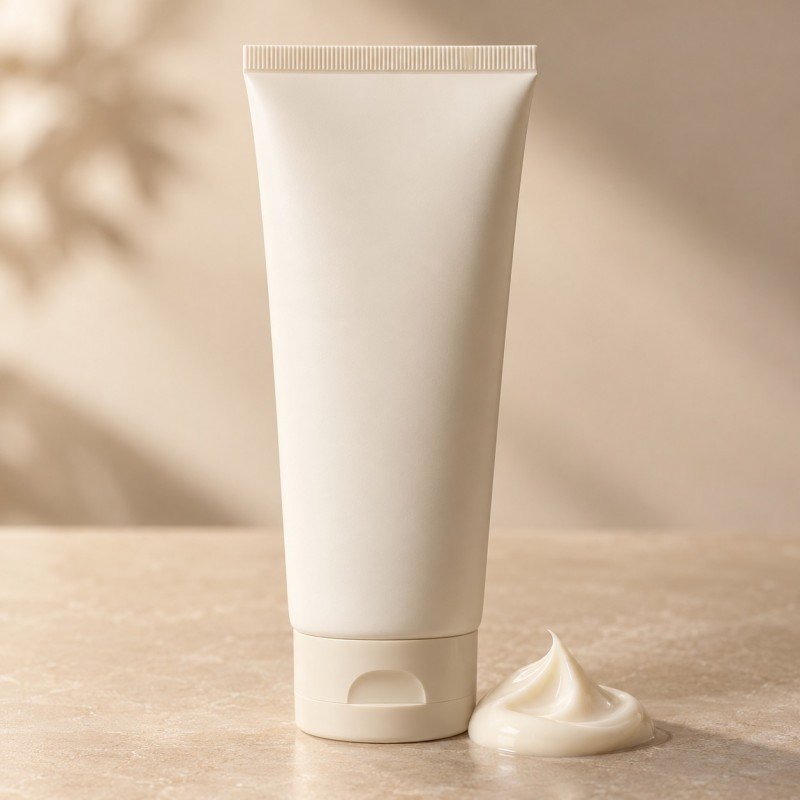
A tube can work for softer, more flowable emulsified body butter when the brand wants cleaner dispensing and less direct contact with the formula.
Best suited for:
- Softer emulsified textures
- Travel-oriented concepts
- Controlled dispensing
- More compact body-care formats
Very dense or firm body butter may be difficult to dispense through a tube, so viscosity and opening size need to be evaluated together.
Packaging Focus
Formula Flow → Opening Size → Squeeze Force → Dose Control
Airless Packaging
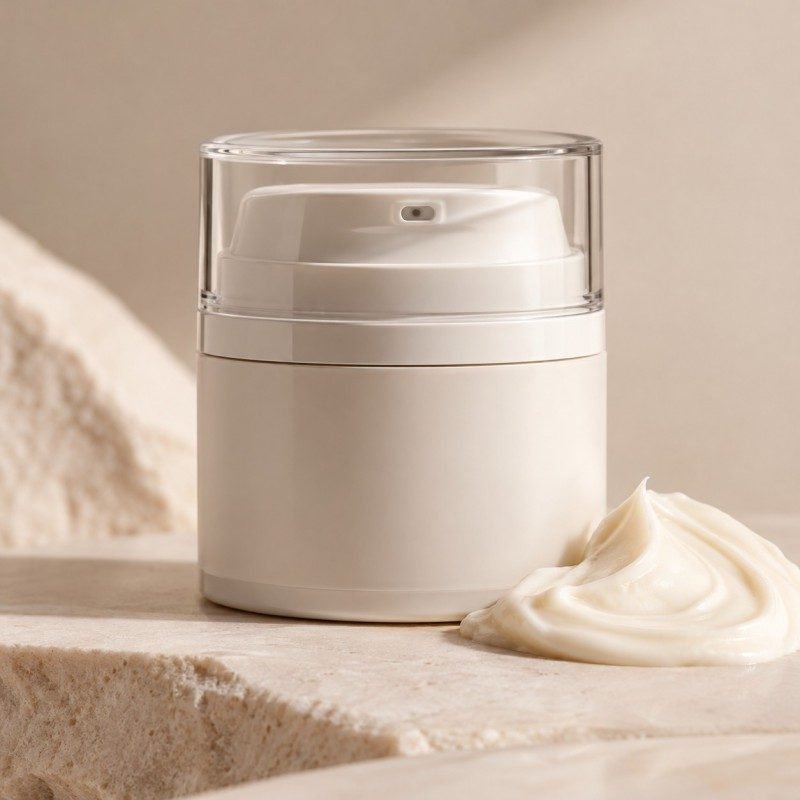
Airless packaging can suit selected emulsified body butter formulas when controlled dosing and a more skincare-led user experience are priorities.
Best suited for:
- Softer emulsified formulas
- Premium skincare positioning
- Controlled single-use dosing
- Reduced direct product contact
The final viscosity must be compatible with the airless mechanism. A dense anhydrous butter should not simply be placed into a pump system without dispensing evaluation.
Packaging Focus
Viscosity → Pump Compatibility → Dose → User Experience
Choose the package around how the body butter moves—not appearance alone.
Develop Body Butter Around Your Sales Channel
Where body butter is sold affects more than branding. Texture, fragrance, packaging, climate exposure, transport and how quickly customers understand the product can all change by channel. A successful formula should fit both the desired skin experience and the commercial environment in which the product will be purchased and used.
01
DTC Brand
DTC brands have more freedom to build a distinctive sensory experience and explain texture, fragrance and product ritual directly to consumers.
Development priorities:
- Recognizable texture identity
- Stronger sensory differentiation
- Coordinated fragrance direction
- Packaging aligned with brand aesthetics
This channel works well for whipped, premium, spa-inspired or more differentiated body butter concepts.
02
Amazon Marketplace
Amazon products need a clear proposition, reliable packaging and a body butter texture that remains practical through storage, fulfillment and shipping.
Development priorities:
- Easy-to-understand positioning
- Stable jar presentation
- Reliable closure and transport
- Broadly acceptable skin finish
The product should deliver a consistent experience that customers can quickly recognize and evaluate after purchase.
03
Spa & Professional
Spa-oriented body butter places more emphasis on spread, massage time, fragrance and the conditioned feel that remains after application.
Development priorities:
- Smooth extended spread
- Comfortable working time
- Rich but controlled residue
- Spa-inspired scent direction
The formula should feel substantial during treatment without becoming unnecessarily waxy, sticky or difficult to massage.
04
Retail & Distribution
Retail and distribution projects need to balance consumer appeal, shelf presentation, transport stability and a texture that performs consistently across broader markets.
Development priorities:
- Clear product positioning
- Broad sensory acceptance
- Shelf-ready packaging
- Consistent texture through distribution
The product should be understandable and visually convincing even when there is no long brand explanation beside it.
Build Body Butter Into A Complete Body Care Line
Body butter can work as a hero product on its own, but it can also anchor a broader body-care collection. When cleanser, exfoliation, moisturization and finishing products are developed as one routine, texture, fragrance and after-feel can be coordinated while each SKU keeps a clear role.
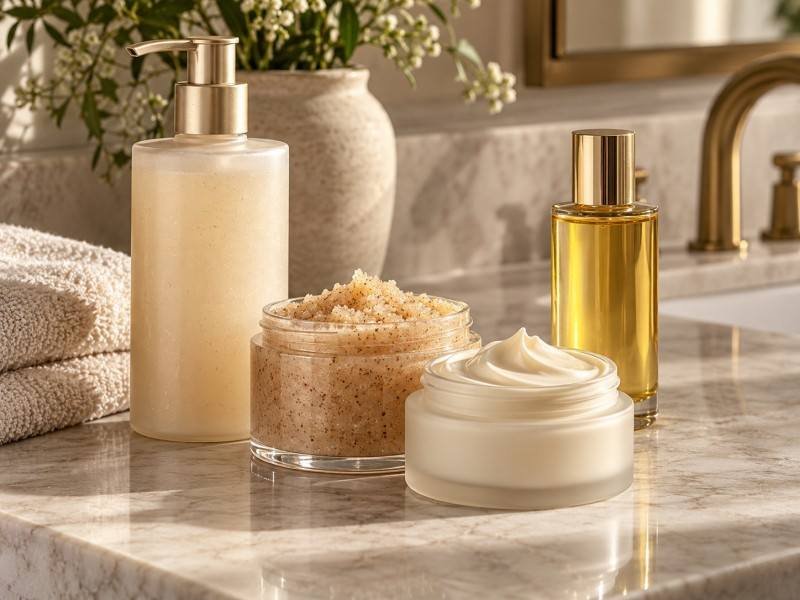
Body Wash → Body Scrub → Body Butter → Body Oil
01 — Cleanse With Body Wash
Start the routine by removing daily sweat, oil and surface buildup without leaving the skin feeling unnecessarily stripped.
The cleanser should prepare the skin for the richer care steps that follow.
02 — Exfoliate With Body Scrub
Add an occasional polishing step to create a smoother body-care routine and provide a more sensory treatment experience.
The scrub should rinse clean enough that the next moisturizing step does not feel overloaded.
03 — Moisturize With Body Butter
Body butter becomes the main conditioning step, adding richness, softness and the desired residual skin finish.
Its texture can be adjusted from lighter daily wear to richer intensive care depending on the collection.
04 — Finish With Body Oil
Body oil can add extra slip, glow and a more oil-led finishing step for consumers who want additional richness.
The oil should complement the butter rather than duplicate the same skin feel.
Each product should add a different step to the routine—not repeat the same experience in another package.
Choose The Right Body Butter Development Route
Not every body butter project needs full custom development. Some brands can launch efficiently from a mature formula, while others need adjustments to texture, fragrance, absorption or packaging. The right route depends on how different the finished product needs to be and how much development control your project requires.
| Development Route | Starting Point | Customization Level | Typical Development Focus | Best Fit | Project Character |
|---|---|---|---|---|---|
| Private Label | Existing mature body butter formula | Low | Packaging, fill size and available fragrance direction | Brands needing a straightforward launch | Faster, simpler and lower development complexity |
| Semi-Custom | Mature formula close to the target | Medium | Richness, fragrance, texture, absorption, after-feel and selected formula adjustments | Brands wanting stronger differentiation without rebuilding the formula | Balance between efficiency and product identity |
| Custom Development | New brief, benchmark or specific sensory target | High | Formula structure, scoopability, melt, spread, absorption, residue, fragrance and packaging compatibility | Brands with a clearly defined product concept | Greater development control and deeper sampling |
From Body Butter Brief To Production
Move from product concept to formula selection, sampling, sensory evaluation, packaging confirmation and bulk production through a clear development process built around the final body butter experience.
Step 1
Define The Brief
Tell us your target market, consumer, preferred body butter type, benchmark, fragrance direction, packaging idea and expected quantity. We also clarify the desired richness, absorption and final skin feel so the project starts from a practical product target rather than only an ingredient list.
Step 2
Set The Formula Direction
We determine whether a mature formula, semi-custom adjustment or custom route is appropriate, then define the intended structure. Key decisions can include anhydrous or emulsified, jar firmness, scoopability, spread, melting behavior, absorption and the amount of residual conditioning expected after application.
Step 3
Develop The Sample
Our R&D team prepares a laboratory sample around the confirmed direction. The sample allows you to evaluate the actual appearance, texture, fragrance, scoop behavior and application experience rather than approving the body butter only from a written formula concept or ingredient proposal.
Step 4
Test The Full Sensory Experience
Evaluate the product from the first scoop through the final skin finish. Pay attention to firmness, pickup, spread, melting speed, absorption, tack, oiliness and residual film. Feedback at this stage should describe the complete experience so formula adjustments can target the right sensory problem.
Step 5
Confirm The Packaging
Once the formula direction is approved, we match the finished texture with a suitable wide-mouth jar, premium jar, tube or selected airless format. Packaging is reviewed around formula flow, scoopability, dispensing, closure function, artwork area and transport requirements before production preparation.
Step 6
Produce And Deliver
After formula, packaging and artwork are confirmed, the project moves into bulk manufacturing, filling, packing and routine quality checks. Production planning follows the approved sample and confirmed specifications, while export and delivery arrangements can then be coordinated according to destination and order requirements.
Approve the body butter from scoop to final skin finish—not only by how it looks in the jar.
MOQ, Production And Quality Control
Once the body butter formula, packaging and artwork are confirmed, the project moves into production planning. MOQ, texture stability, packaging compatibility and manufacturing lead time should be reviewed together so the approved scoopability, melt behavior and final skin feel can be reproduced consistently at scale.
| Project Item | Typical Direction | What To Confirm |
|---|---|---|
| Product MOQ | 1,000 pcs per SKU with suitable stock packaging | Formula structure, fill size and packaging availability |
| Packaging MOQ | May differ from product MOQ | Jar, tube, airless component, custom color and decoration |
| Sample Development | Typically 7–15 working days | Texture, fragrance and sensory feedback |
| Bulk Production | Typically 25–35 working days after confirmation | Formula, packaging and artwork approval |
| Formula Approval | Approved sample becomes the production reference | Firmness, scoopability, spread, melt and final finish |
| Temperature Review | Evaluated according to formula direction | Softening, firmness changes and oil separation risk |
| Packaging Compatibility | Checked with the final texture | Filling, scooping, dispensing, closure and leakage |
| Quality Evaluation | Based on formula and project requirements | Appearance, stability, microbiological control where applicable |
01 — Formula Approval
The approved sample should define more than color and fragrance.
For body butter, the reference should also include:
- Jar firmness
- Scoopability
- Texture appearance
- Spread behavior
- Melting character
- Absorption
- Residual skin feel
These sensory characteristics help guide scale-up so the finished batch remains aligned with the approved product experience.
02 — Texture And Temperature Stability
Body butter can be particularly sensitive to temperature because its structure may depend heavily on butters, oils, emulsifiers and structuring materials.
Evaluation may focus on:
- Softening at higher temperatures
- Increased firmness at lower temperatures
- Oil separation
- Surface changes
- Texture recovery
- Overall appearance
The goal is not to make the product unaffected by temperature, but to understand and control how much the texture changes under expected storage conditions.
03 — Packaging Compatibility
Packaging must be checked against the actual finished viscosity and structure.
For example:
Wide-Mouth Jar
Should allow easy scooping without making access difficult.
Tube
Requires a softer formula that can move through the opening without excessive squeezing.
Airless Packaging
Needs a compatible emulsified texture that can dispense reliably through the pump mechanism.
Packaging should support the formula rather than force the formula into an unsuitable dispensing system.
04 — Scale-Up Control
A laboratory sample and a production batch are made at very different scales.
During scale-up, important factors can include:
- Mixing consistency
- Heating and cooling control
- Texture development
- Filling temperature
- Batch uniformity
These factors are especially important for body butter because cooling behavior can influence the final firmness and appearance.
05 — Filling And Packing
Before filling begins, the confirmed production details should include:
- Fill weight
- Packaging components
- Closure
- Decoration method
- Inner and outer packing
- Shipping requirements
The product should be filled under conditions suitable for the final formula so its intended texture is preserved during packing.
06 — Final Quality Check
Finished goods are reviewed before shipment to confirm that the batch matches the agreed specifications.
Checks can include:
- Product appearance
- Texture consistency
- Fill quantity
- Packaging function
- Closure condition
- Finished presentation
For emulsified formulas, routine stability and microbiological evaluation can also be considered according to the project requirements.
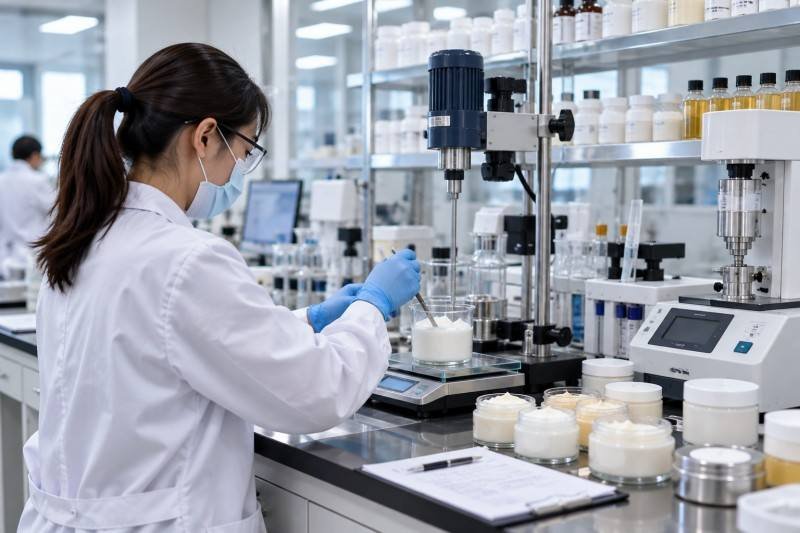
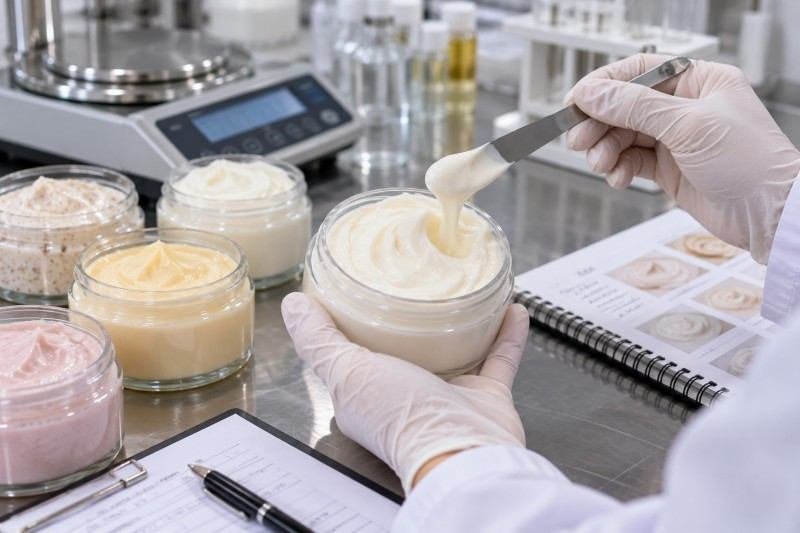
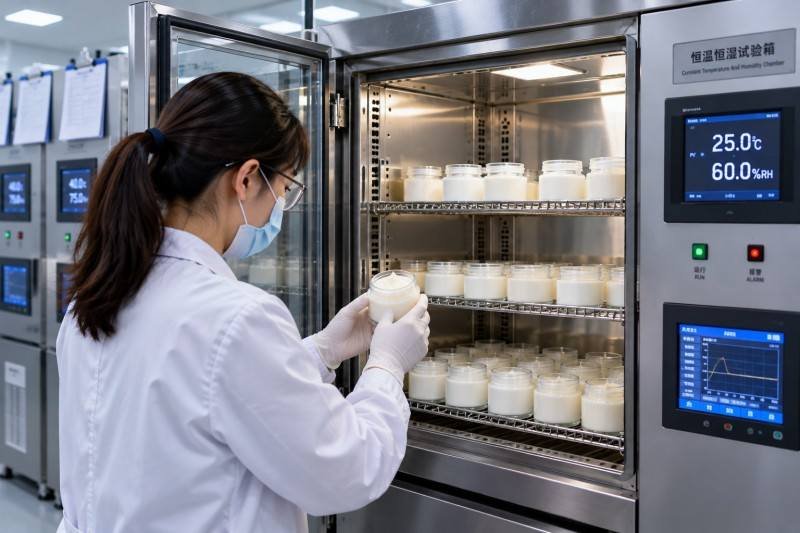
Make A Sample First?
If you have your own formula, packaging idea, logo artwork, or even just a concept, please share the details of your project requirements, including preferred product type, ingredients, scent, and customization needs. We’re excited to help you bring your personal care product ideas to life through our sample development process.
Frequently Asked Questions About Private Label Body Butter
Practical answers about body butter customization, samples, MOQ, texture, packaging, production and documentation before starting your private label project.
1. What is your MOQ for private label body butter?
- Our standard product MOQ is 1,000 pcs per SKU when using suitable stock packaging.
- Packaging components may have their own MOQ depending on the jar, tube, airless system, custom color or decoration.
- Final MOQ is confirmed after the formula structure, fill size and packaging route are selected.
2. Can I test a body butter sample before bulk production?
- Yes. Sampling allows you to evaluate firmness, scoopability, spread, melting behavior, fragrance, absorption and final skin feel.
- Sample development is typically 7–15 working days after the product direction is confirmed.
- Samples are normally prepared in laboratory packaging first so the formula can be evaluated before final packaging is committed.
3. Can you develop both anhydrous and emulsified body butter?
- Yes. The appropriate structure depends on the texture, absorption and final finish your brand wants to create.
- Anhydrous body butter is generally more oil- and butter-led, while emulsified body butter offers more flexibility in hydration, spread and absorption.
- We recommend choosing the structure according to the desired consumer experience rather than assuming one type is automatically more premium.
4. Can the texture be adjusted for different climates?
- Yes. Temperature can influence firmness, melting speed, oil separation and the way the product feels during application.
- Warmer markets may require stronger texture retention, while colder conditions may require easier scoopability and smoother melting.
- Climate is considered together with formula structure, packaging and expected storage conditions during development.
5. Can you customize the fragrance and final skin feel?
- Yes. Fragrance direction can range from fragrance-free and very light scent to more distinctive spa or premium concepts.
- Sensory adjustments can focus on richness, spread, absorption speed, residual film, oiliness and overall after-feel.
- Fragrance and skin finish should be evaluated together because both influence how the product is perceived after application.
6. What packaging works best for body butter?
- Wide-mouth jars are the most flexible option for dense, whipped and traditional body butter textures.
- Softer emulsified formulas may also work with selected tubes or airless packaging when the viscosity is suitable.
- Packaging should be matched to the final texture and dispensing behavior rather than selected by appearance alone.
7. How long does bulk production usually take?
- Bulk production is typically 25–35 working days after the formula, packaging and artwork are confirmed.
- Custom packaging, decoration or special components may require additional preparation time.
- Shipping time is separate and depends on the destination, order volume and selected logistics route.
8. What product documents can you provide?
- After the order is confirmed, relevant product information such as the final ingredient declaration and SDS/MSDS can be prepared according to the project stage.
- Batch-specific documents such as the COA are available after bulk production.
- Additional market-specific compliance or third-party testing can be discussed separately according to the destination and product requirements.
Start Your Private Label Body Serum Project
Tell us what kind of body butter you want to develop and where you plan to sell it.
You do not need a complete formula brief before contacting us. Start with the information you already know—your target market, preferred body butter structure, desired richness, absorption, fragrance direction, packaging idea and estimated order quantity.
Our team can then evaluate whether a private label, semi-custom or custom development route is more suitable and help you move toward sampling.
Helpful Project Details
- Target market and sales channel
- Anhydrous or emulsified preference
- Desired richness and texture
- Scoopability and melting preference
- Absorption and final skin feel
- Fragrance direction
- Packaging type and fill size
- Estimated order quantity
- Benchmark product, if available
- Our team will answer your inquiries within 12 hours.
- Your information will be kept strictly confidential.