Skip to content
Private label calendula cream: how can brands design an effective soothing and barrier-comfort hero moisturizer?
A successful calendula cream should calm the look of stressed skin, reduce “itchy-tight” discomfort, and leave a soft, breathable finish that works for daily use—especially for sensitive routines. The formula needs to feel instantly comforting without becoming greasy, waxy, or “heavy-sticky” under sunscreen or makeup.
Many brands fail by relying on a weak botanical story with no real comfort engineering, overloading oils/waxes (then causing pilling or clogged-feel complaints), or underbuilding preservation and stability (separation, odor drift, viscosity shifts). The winning approach is a modern barrier-first cream base + a well-built calendula soothing system + proven comfort supports, with clear positioning for sensitive and family use.
GMP/ISO • EU/US compliant docs • Samples in 3–7 days • MOQ from 1,000 pcs
What are the key specifications of this custom calendula cream?
Define whether this is a “daily calming moisturizer,” a “family-sensitive cream,” or a “rich rescue barrier cream,” then align calendula system choice, emollient structure, and sensory targets before development starts.


Spec / Parameter Card
| Field | Options / Recommendations |
|---|---|
| Core Formats | Lightweight gel-cream • Classic O/W soothing cream • Rich barrier cream • Balm-cream (project-dependent) |
| Calendula System | Calendula extract (water/glycerin) • calendula oil infusion • calendula CO₂ extract (lane-dependent) |
| Supporting Actives | Panthenol, allantoin, beta-glucan, glycerin/betaine, ceramide/cholesterol/fatty-acid support (as compatible), madecassoside/centella direction (optional) |
| Base Structure | Barrier-friendly emulsion with low-tack polymers; balanced occlusion (no waxy drag); non-pilling under SPF |
| Claim Focus | Soothes and comforts • helps reduce dryness-related discomfort • supports the moisture barrier • softer, calmer-looking skin (cosmetic) |
| pH Window | Skin-comfort range; tuned for preservative performance and ingredient stability |
| Fragrance Strategy | Fragrance-free recommended for sensitive lanes; ultra-light hypoallergenic scent optional for lifestyle lines |
| Skin Type Fit | Sensitive/reactive routines • dry/compromised barrier • redness-prone look • family/baby-friendly positioning (claim-safe) |
| Usage Frequency | AM/PM daily; rich rescue versions for PM or spot-use clearly defined |
| Stability & QC | Viscosity drift, separation, odor drift, micro/challenge, freeze–thaw, packaging compatibility, pump performance |
| Docs | COA, SDS, micro & stability data; claim boundary guidance by market |
| Sampling & Lead Time | Sensory (drag/pilling) and preservative plan often decide iterations; packaging choice affects schedule |
| Typical MOQ | 1,000–3,000 pcs/SKU for validated bases; higher for custom airless/premium components |
More Private Label Products
Which customers and channels is this calendula cream for?
Calendula creams convert best where buyers want “calm + comfort + barrier support” in one step—especially sensitive routines, family care, and derm-adjacent positioning that avoids heavy fragrance and greasy after-feel.
Calendula creams attract sensitive buyers who want comfort without grease. But “calm” means different things: redness-prone, dry-barrier, post-shave, and family use each need a tuned base, finish, and clear usage rules.
Sensitive / Reactive Routines (Daily Calm Lane)
- Texture: Lightweight gel-cream or soft O/W cream.
- Core stack: Calendula system + panthenol/allantoin/beta-glucan + humectants.
- Notes: Fragrance-free trust; minimize sting, tack, and pilling.
- Micro-CTA: Create a Fragrance-Free Calendula Calming Cream
Dry / Compromised Barrier (Rescue Barrier Lane)
- Texture: Rich barrier cream with “cushion” slip.
- Core stack: Calendula system + ceramide/cholesterol/fatty-acid direction + glycerin/betaine.
- Notes: Comfort-first occlusion without waxy drag; PM hero positioning.
- Micro-CTA: Build a Calendula Barrier Rescue Cream
Redness-Prone Look (Tone-Comfort Lane)
- Texture: Medium-weight cream with breathable finish.
- Core stack: Calendula system + soothing supports + optional mild anti-inflammatory direction actives.
- Notes: Position as “calmer-looking skin,” avoid medical redness claims.
- Micro-CTA: Develop a Calendula Comfort Cream for Redness-Prone Skin
Men’s Grooming / Post-Shave Comfort (Fast Finish Lane)
- Texture: Quick-absorbing gel-cream, low residue.
- Core stack: Calendula system + panthenol + low-tack humectants.
- Notes: Reduce post-shave tightness feel; keep scent minimal.
- Micro-CTA: Launch a Fast-Absorb Calendula Cream for Men
Family / Baby-Friendly Positioning (Simple & Gentle Lane)
- Texture: Soft classic cream; optional richer winter version.
- Core stack: Calendula system + simple emollients + comfort supports.
- Notes: Keep INCI clean and straightforward; no “eczema treatment” language.
- Micro-CTA: Design a Family Calendula Cream for Daily Comfort
Calendula cream needs shift by age and routine. Younger users want light, non-sticky comfort; active-stackers need no pilling under SPF; mature users need richer barrier feel—without greasy residue or fragrance irritation.
Teens & Early 20s – Light Comfort, No Grease
- Texture: Gel-cream with fast dry-down.
- Core stack: Calendula system + humectants + light emollients.
- Notes: Keep finish breathable and non-shiny.
20s–30s – Daily Moisturizer Under SPF/Makeup
- Texture: Soft O/W cream, low pilling risk.
- Core stack: Calendula + panthenol/allantoin + balanced emollients.
- Notes: Must layer cleanly and not roll up.
30s–40s – Active Stacking (Retinoid/AHA Users)
- Texture: Comfort cream with barrier supports.
- Core stack: Calendula + ceramide-direction + soothing supports.
- Notes: Position as “comfort + barrier,” avoid over-active stacking inside the cream.
40s–50s – Dryness + Sensitivity Creep
- Texture: Medium-to-rich cream with cushion.
- Core stack: Calendula + richer lipid blend + humectants.
- Notes: Sensory elegance matters as much as comfort.
60s+ – Rich Comfort, Simple Routine
- Texture: Rich barrier cream or balm-cream.
- Core stack: Calendula + occlusive-emollient balance + comfort supports.
- Notes: Fragrance-free and easy application guidance.
What can top-selling calendula creams teach your formula design?
Top calendula products show two winning lanes: lightweight “calm hydration” textures and richer “protective comfort” creams. Buyers repurchase when the finish is non-greasy and the soothing story is backed by real barrier-friendly formulation choices.
| Brand / Product | Core Actives (typical) | Format / Texture | Strengths | Gaps / Considerations |
|---|---|---|---|---|
| Kiehl’s Calendula Serum-Infused Water Cream | Calendula extract/petals; humectants/comfort supports | Water-cream / gel-cream | “Fresh hydration + calming” sensorial; strong calendula equity | Needs excellent pilling control under SPF; premium expectations on finish |
| Weleda Calendula Baby Face Cream | Calendula-focused baby face cream | Classic cream | Trusted “gentle” positioning; family-friendly lane | Richer creams can feel heavy for oily users; fragrance policy must be clear (lane-dependent) |
| Weleda Baby Calendula Protective Cream (diaper/protective) | Calendula + protective cream positioning | Rich protective cream | Strong “protective comfort” use-case; clear functional positioning | Not a face-moisturizer format; use as protection/occlusion reference only |
| California Baby Calendula Cream | Organic calendula + aloe direction (product claim) | Face + body cream | Versatile “all-ages” soothing moisturizer positioning | Ensure preservative robustness for family use; keep residue low for face-lane |
| Boiron Calendula Cream (first aid positioning) | Calendula-led first aid cream positioning | Non-greasy cream | Strong demand signal (high volume); “relief” expectations are obvious | Often sits closer to first-aid/drug-adjacent positioning; claim boundary differs by market—use as expectation reference only |
| Era Organics Calendula Cream for Babies | Calendula cream for babies; cocoa butter + botanical direction | Rich baby cream | Comfort + nourishment story; sensitive lane signal | Rich emollients can increase tack/grease; needs careful finish engineering |
| Pili Natural Calendula Cream | Unscented, non-greasy calendula cream positioning | Classic cream | “Unscented + non-greasy” message aligns with sensitive buyers | Sensory must match promise: no drag, no pilling, stable viscosity over shelf life |
Custom Funtion Formula for your brand? You can review skincare function formulation pages:
Custom Sensitive Skin Care Formulations →Custom Anti Inflammatory Formulations → Custom Moisturizing Formulations → Custom Barrier Repair Formulations →
Calendula Cream Finish Products you may want to reference:


Make A Sample First?
If you have your own formula, packaging idea, logo artwork, or even just a concept, please share the details of your project requirements, including preferred product type, ingredients, scent, and customization needs. We’re excited to help you bring your personal care product ideas to life through our sample development process.
How should you design the formula and active stack for calendula cream?
Build calendula cream like a “comfort-first barrier moisturizer,” not a heavy herbal paste. The base structure (finish, slip, pilling control) decides whether sensitive buyers actually keep using it.
Step 1 – Define the job and hero lane
- Daily calming moisturizer vs rich barrier rescue vs family-sensitive cream
- Decide finish target: breathable and soft, not shiny-greasy or waxy-drag
- Set complaint-zero goals: no sting, no tack build-up, no pilling under SPF
Step 2 – Choose the calendula system and emulsion architecture
- Pick calendula form (extract vs oil infusion vs CO₂) based on feel, clarity, and cost
- Build an O/W cream base that cushions skin but stays low-residue
- Engineer slip and spread so it feels “instantly comfortable,” not heavy
Step 3 – Balance comfort with performance using support actives
- Add humectants (glycerin/betaine) to relieve dryness-related tightness feel
- Add soothing supports (panthenol, allantoin, beta-glucan) for reactive routines
- Add barrier-support lipids (ceramide-direction) for rescue lanes without clog-feel
- Keep fragrance minimal or fragrance-free; avoid sensitizing “strong herbal” scent
Step 4 – Validate stability, compatibility, and real-life layering
- Watch viscosity drift and separation across heat/cold cycles and long storage
- Run micro/challenge for water-based creams (family lane is non-negotiable)
- Confirm packaging output: no clogging, no airless failure, no leakage in shipping
- Test layering with sunscreen/makeup to prevent pilling and “rolled-up” reviews

| Active (Use Range) | Key Features | Suitable Uses / Skin Types | Recommended Combinations | Suggested Packaging |
|---|---|---|---|---|
| Calendula extract / oil / CO₂ (system-dependent) | Botanical calming story; comfort positioning | Sensitive, redness-prone look, family lanes | With panthenol + humectants | Airless, tube, jar (lane-dependent) |
| Panthenol (0.2–2%) | Comfort + moisture support | Sensitive, dry, post-shave | With allantoin/beta-glucan | Any |
| Allantoin (0.1–0.5%) | Soothing support; “soft feel” | Reactive routines | With panthenol + calendula | Any |
| Beta-glucan (0.05–0.5%) | Barrier comfort support | Sensitive, compromised barrier | With humectants + ceramide-direction | Airless, tube |
| Ceramide-direction complex (0.05–1%) | Barrier-support story | Dry/barrier lanes | With cholesterol/fatty-acid direction | Airless, tube |
| Humectants (glycerin/betaine, 2–8%) | Reduces tightness; improves cushion | All skin types | With all systems | Any |
| Squalane/light emollients (1–8%) | Non-greasy softness | Normal–dry, sensitive | With calendula + humectants | Airless, tube |
| Colloidal oatmeal direction (0.2–1%) (optional) | Comfort positioning | Very dry/itchy-feel users (claim-safe) | With barrier lipids | Tube, jar |
Which textures work best for calendula cream?
The best calendula cream textures feel instantly calming and “soft-wrapped,” while staying breathable—comfortable on contact, smooth during spread, and non-greasy after, with zero pilling under daily SPF.
Considerations by market and user
- Climate:Hot / humid: gel-cream and light O/W creams with fast absorb and low shine. Cold / dry: richer barrier creams with cushion slip and longer comfort window.
- Skin type & routine:Oily/sensitive: lightweight, non-occlusive comfort with low residue. Dry/compromised: richer lipid support without wax drag. Active-stackers: strict pilling control and minimal fragrance.
- Channel:Amazon / e-commerce: “greasy” and “pilled under sunscreen” reviews kill repeat purchase. Retail: sensorial slip and instant comfort drive conversion. Derm-adjacent: fragrance-free, barrier-language, and simple INCI choices build trust.
Light gel-cream (daily calm lane)

A fresh, breathable gel-cream with quick dry-down; typical viscosity around 15,000–45,000 cps.
- Suitable for: sensitive + combination/oily, humid climates, daytime routines
- Key selling points: fast absorb, low shine, layers cleanly under SPF
- Packaging/use tips: airless pump or tube; position AM/PM daily
Soft classic O/W cream (balanced comfort lane)

A cushiony, non-waxy cream with smooth slip; typical viscosity around 45,000–120,000 cps.
- Suitable for: normal–dry, redness-prone look, year-round daily use
- Key selling points: instant comfort, soft finish, minimal residue
- Packaging/use tips: tube or airless; highlight “non-greasy comfort”
Rich barrier cream / balm-cream (rescue lane)
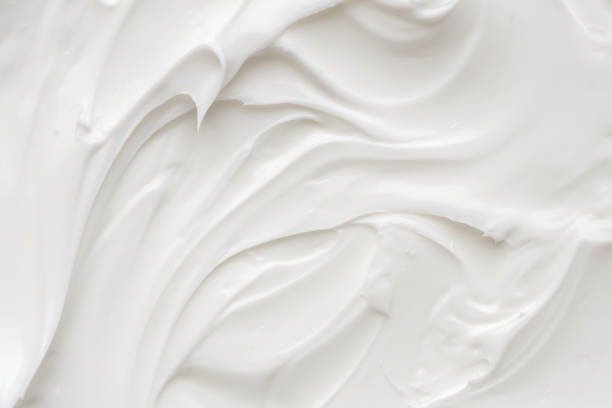
A richer protective feel with controlled occlusion; typical viscosity around 120,000–250,000+ cps.
- Suitable for: very dry, compromised barrier, cold climates, night use
- Key selling points: longer comfort window, reduces dryness-related tight feel
- Packaging/use tips: jar or tube; position PM or targeted areas to avoid heaviness
Which packaging options make sense for calendula cream?
Choose packaging that supports hygienic daily use, protects formula stability, and leaves enough label space to communicate “sensitive-safe” positioning and layering guidance.
Factors to align with your brand
- Application method:Airless pumps for premium hygiene and controlled dosing. Tubes for travel-friendly, low-contamination daily use. Jars for rich rescue creams (only if positioning and hygiene guidance are clear).
- Stability & protection:Compatibility with botanical systems and emulsion polymers. No clogging, no pump failure, stable output over time. Leak-tested closures for e-commerce shipping.
- Sustainability direction:PCR tubes and caps where feasible. PCR PET bottles for airless/pump formats (when available). Reduced components to improve recyclability.
- Label and artwork space:“Fragrance-free / sensitive” cues (when true) Layering guidance (“works under sunscreen”). Simple usage notes for family lanes.
- Channel needs:Amazon: leak resistance + clear usage = fewer returns. Retail: premium tactile packaging lifts conversion. Derm-adjacent: minimalism and hygiene cues build trust.

Airless Pump (30/50/100ml)
Best for sensitive + premium positioning; hygienic dosing.

Squeeze Tube (50–150ml)
Best all-around; travel-friendly and clean application.
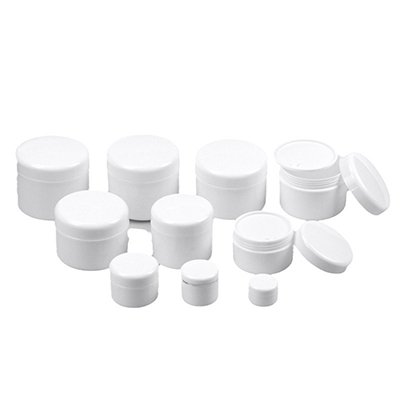
PCR Options
Post-consumer recycled components where feasible.
What do brands most often ask about this calendula cream?
Brands usually ask how to make calendula feel “truly soothing” without heaviness, how to build a fragrance-free sensitive lane that still feels premium, and how to prevent pilling under sunscreen and makeup.
1. What is calendula cream typically positioned to do in skincare?
- Support a calmer-looking, more comfortable feel for dryness-stressed skin
- Help reduce dryness-related tightness and improve softness (cosmetic)
- Fit daily routines as a “comfort moisturizer,” not a medical treatment
2. Is calendula cream suitable for sensitive skin?
- Yes—when fragrance is minimized and the base is low-irritation and non-stripping
- Choose a calendula system that won’t add odor drift or sensitizing botanicals
- Validate with sensitive-lane testing and clear “stop if irritated” labeling rules
3. How do you prevent calendula creams from feeling greasy or heavy?
- Balance emollients with fast-absorbing feel and low-wax structure
- Use humectants + barrier supports instead of “more oil” to create comfort
- Build sensory checkpoints: shine level, residue, and reapplication feel
4. Why do some “calming” creams pill under sunscreen or makeup?
- Polymer/emollient mismatch can cause rolling when layered
- High tack or heavy film-formers increase pilling risk in real routines
- Test with common SPF textures and adjust slip, dry-down, and film balance
5. Should calendula cream be fragrance-free or lightly scented?
- Sensitive/derm-adjacent lanes convert best with fragrance-free positioning
- Lifestyle lanes can use ultra-light hypoallergenic scent if irritation risk is controlled
- Label clarity matters: fragrance policy should match the target user promise
6. What are typical MOQs, lead times, and cost drivers for calendula cream?
- Typical MOQ: 1,000–3,000 units per SKU, higher for custom airless/premium components
- Cost drivers: calendula system type, barrier lipid stack, packaging format, fragrance policy
- Testing drivers: micro/challenge, stability, and layering/pilling validation
How will Zerun Cosmetic support private label calendula cream projects?
- Our team will answer your inquiries within 12 hours.
- Your information will be kept strictly confidential.





Zerun supports calendula cream brands with comfort-first base engineering, calendula system selection, and channel-ready packaging plans—helping you launch a calming hero cream that feels premium, not greasy.
We start from your reality:
- Your target users (sensitive/reactive, dry/barrier-compromised, family lanes) and climates
- Your positioning lane (daily calm vs rich rescue) and channel plan (Amazon, retail, derm-adjacent)
- Your fragrance policy, finish target, and budget for testing and premium sensory supports
We co-develop formulas, formats and routines:
- Gel-creams, classic soothing creams, and rich barrier rescue creams
- Calendula + comfort stacks that reduce tightness feel and improve repeat purchase
- Routine placement guidance that prevents pilling and “too heavy” complaints
We help plan claims, tests and documentation:
- Cosmetic-safe calming and barrier-support claims with clear usage guidance
- Micro/challenge, stability, viscosity drift, and packaging compatibility validation
- Layering instructions for SPF/makeup routines to reduce returns and negative reviews
If you already have reference products or ideas, share:
- Links/photos of calendula creams you like (finish, spread, after-feel, packaging)
- Your “must avoid” issues (greasy feel, pilling, strong scent, irritation complaints)
- Your target markets, initial volumes, and desired launch timing
Based on this, we can propose a clear calendula cream development roadmap and sampling plan. Use the contact form, email or WhatsApp on this site to start your private label calendula cream project with Zerun.