Skip to content
Rice ceramide moisturizing cream: how to choose and design the right formula for each skin type
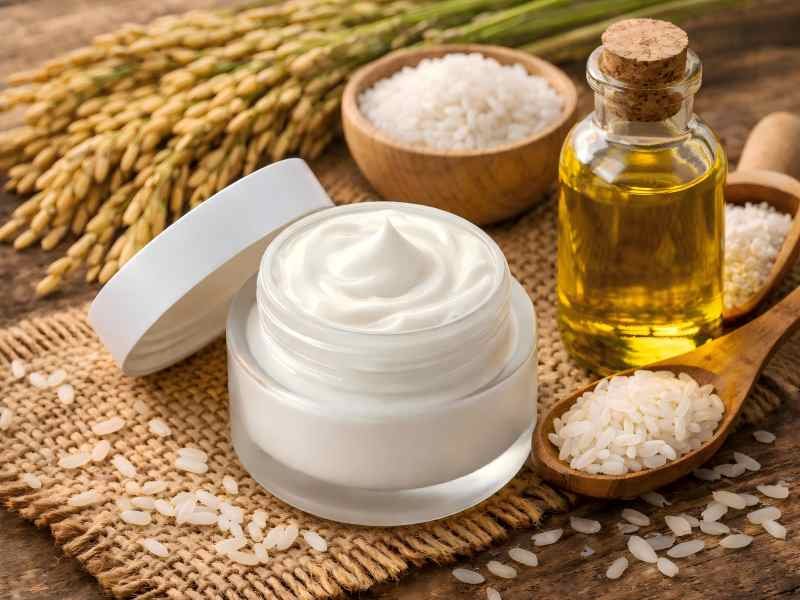
People usually reach for a “rice ceramide” cream when their skin is dry, tight, or flaky, but they still want the finish to look calm and wearable—under sunscreen, under makeup, and in daily life. Then the common frustrations show up fast: the cream feels too thick, pills under SPF, stings on sensitized skin, or looks great for an hour but doesn’t actually stop the tightness by afternoon. And if it smells strong or feels greasy, repeat rates drop quickly.
A rice ceramide moisturizing cream that performs in the US market is not just “ceramide + rice.” It’s a balanced structure: a comfortable humectant base, a barrier-lipid strategy centered on ceramides, and a “rice” story (rice extract, rice bran oil, or rice-derived ceramides) that supports texture, glow, and gentle nourishment—plus clear usage rules and a texture choice that fits real routines. On shelf, well-known references position “rice extract + rice bran oil + ceramide” as deep hydration with a soft, smooth feel, and some newer references lean into fragrance-free, barrier-first messaging.
Key takeaways for buyers
- The keyword “rice ceramide moisturizing cream” is strongly pulled toward product-style expectations: “hydrating, soft, smooth, healthy glow” with rice + ceramide language.
- Differentiation that ranks and converts is usually “how to choose / how to design”: skin-type fit, fragrance strategy, pilling control, and day vs night texture lanes—rather than trying to outcompete retail product pages.
- Two SKUs often beat one: a lighter day gel-cream for combination skin, and a richer night barrier cream for dry/sensitive users (same “rice ceramide” story, different sensory).
- Ceramides work best as part of a broader barrier-lipid approach (not just a token add-on), ideally paired with supporting lipids to better mimic barrier structure.
What “rice ceramide” usually means on the shelf
The common “rice + ceramide” ingredient story
In real retail descriptions, “rice ceramide” is often presented as a blend of rice extract and rice bran oil plus ceramides (sometimes described as “ceramide 3” or “vegetable rice ceramides”), with classic moisturizers like glycerin and emollients like shea butter or lecithin to support a soft finish.
The expected feel
Shoppers expect “not greasy, absorbs well, soft finish” as much as they expect hydration. This expectation is reinforced by how rice + ceramide creams are usually described: deep hydration with a smooth, comfortable feel.
Rice ceramide vs classic ceramide creams: what’s actually different
At the ingredient level
- “Ceramide cream” usually means ceramides (often Ceramide NP) plus a moisturizer base.
- “Rice ceramide cream” adds a recognizable rice story (rice extract, rice bran oil, or rice-derived ceramide language) that supports a “nourishing glow” and comfort narrative.
At the formula-feel level
The bigger differences often come from texture architecture: emollient choices, film-formers, and fragrance strategy. Two products can both “have ceramide,” but one pills under SPF while the other doesn’t—because the polymer and sensory structure is different.
Who should buy it: best-fit skin types and scenarios
Dry + flaky (cold weather, indoor heating)
- Needs: longer-lasting comfort, less tightness, less visible flaking
- Best lane: richer cream or night barrier cream with a stronger lipid feel
Sensitive / redness-prone (barrier-compromised)
- Needs: low-sting, low-trigger, steady hydration
- Best lane: fragrance-free or low-fragrance “sensitive-ready” version; avoid strong cooling sensations
Combination skin that wants “light but protective”
- Needs: moisturized cheeks without a heavy T-zone
- Best lane: gel-cream or light cream with clean finish
Oily-dehydrated (wants barrier support, hates greasiness)
- Needs: hydration without residue; non-pilling under sunscreen
- Best lane: lightweight gel-cream and tighter control of heavy butters and waxy occlusives
Product positioning that converts in the US
Three positioning lanes
Barrier-support daily moisturizer
Focus: comfort, hydration, “barrier support,” sensitive-ready options
Comfort glow cream (rice-nourished look)
Focus: hydrated, soft, “healthy glow” language (avoid “whitening” wording)
Night repair nourishing cream
Focus: richer texture, “wake up comfortable,” moisture-lock message
A simple “safe premium” claim map
Safer, widely accepted cosmetic-style claims:
- “Helps support the skin barrier,” “helps reduce moisture loss,” “hydrates and softens,” “leaves skin smooth and comfortable”
Higher-risk territory to avoid (or phrase carefully):
- “Treats eczema/dermatitis,” “heals inflammation,” “repairs skin damage”
- “Whitening” (use “brightening” or “healthy glow” instead)
What top-selling rice ceramide creams teach your formula brief
Market references typically cluster into two playbooks: (1) rice extract + rice bran oil + ceramide for “soft hydration,” and (2) fragrance-free, barrier-first formulas that focus on ceramides and comfort. The repeatable takeaway is not the brand name—it’s the brief: texture role, fragrance stance, and layering behavior (especially under sunscreen).
Market reference comparison table (for briefing and gap spotting)
| Market reference type | Positioning cues | Texture cues | Hero ingredients usually highlighted | Fragrance stance | What to improve for a private label brief |
|---|---|---|---|---|---|
| Classic “rice + ceramide” cream | Deep hydration, soft/smooth feel | Silky, comfortable cream | Rice extract + rice bran oil + ceramide | Often lightly fragranced | Offer two textures (day vs night) and make pilling + sensitive-skin rules explicit |
| “Barrier-first, fragrance-free” rice ceramide cream | Barrier comfort, long-lasting hydration | Modern cream, protected finish | Ceramides + rice story + comfort support | Fragrance-free highlighted | Keep barrier messaging but simplify usage rules for daily layering |
| Ingredient-transparency reference | Ingredient validation, irritant checking | Focus on humectants + emollients | Glycerin/betaine + emollients + rice + ceramide | Varies | Pre-empt objections: fragrance strategy, silicone feel, pore-clogging concerns, pilling control |
Step-by-step: how to design the formula and active stack
Step 1: Define the core complaint you’re solving
Pick one primary “job” (and one supporting “job”), so texture and claims stay coherent.
- Primary jobs: tightness relief, flake comfort, sensitive-ready barrier support, “comfortable glow”
- Supporting jobs: pilling control under SPF, non-greasy finish, makeup-friendly slip
Step 2: Choose the barrier-lipid strategy and the rice story
Barrier-lipid strategy (common winning pattern):
- Ceramide focus (often Ceramide NP) plus supportive lipids and emollients that create a “filled-in” feeling, not just surface slip.
Rice story options (choose one “hero” narrative):
- Rice extract (gentle nourishment, comfort)
- Rice bran oil (emollient glow, richer feel)
- Rice-derived ceramide language (plant ceramide positioning)
Step 3: Balance performance vs tolerance
Key trade-offs to manage:
- More occlusive/richer feel = better night comfort, higher clogging/pilling risk for oily users
- More slip/film feel = better makeup layering, higher “film” complaints for some audiences
- Fragrance = higher brand identity, higher sensitive-skin risk
Step 4: Stability + compatibility checks
- Emulsion stability (heat/cold cycling, long-term)
- Odor drift (especially if rice bran oil notes are present)
- Packaging compatibility (airless vs jar vs tube)
- Pilling stress test: layer with common sunscreens and primers
Key actives and support ingredients (buyer-facing table)
| Ingredient | Role in the formula | Suggested use-level idea | Works best with | Notes for sensitive-ready versions |
|---|---|---|---|---|
| Ceramide NP (or a ceramide blend) | Barrier lipid support | Typically low % but high story value | Support lipids + humectants | Keep fragrance low; avoid harsh solvent feel |
| Rice extract / rice bran oil | “Rice nourishment” + comfort/glow | Extract for lighter feel; bran oil for richer feel | Ceramides + glycerin/betaine | Bran oil can feel richer; watch acne-prone feedback |
| Glycerin, betaine | Core hydration | Moderate % range depending on texture | Ceramides; film control | Watch tackiness/pilling balance |
| Panthenol (optional) | Comfort support | Low-to-moderate | Ceramides; humectants | Helps reduce “tightness” complaints |
| Squalane (optional) | Lightweight emollient | Low-to-moderate | Ceramides; gel-cream textures | Helps reduce greasy feel vs heavier butters |
| Hyaluronate (optional) | Hydration feel + plump | Low % | Glycerin + barrier lipids | Watch pilling in some high-polymer systems |
Which textures work best for a rice ceramide moisturizing cream
Best-selling textures usually feel light on spread but “sealed” after dry-down, avoiding heavy greasiness and avoiding pilling under SPF.
Considerations by market and user
- Climate: dry/cold markets tolerate richer textures; humid markets punish greasy finishes
- Skin type & routine: acne-prone users reject heavy occlusives; dry/sensitive users reject squeaky-light gels
- Channel: returns often spike from “pilled under sunscreen” and “too greasy”
Common texture directions for custom rice ceramide moisturizing cream
1.Lightweight gel-cream (8,000–20,000 cps)
- Best for: combination, oily-dehydrated, day use
- Selling point: fast-absorbing, sunscreen-friendly
- Watch-out: can feel “not enough” for very dry winter skin
2.Comfort cream (20,000–60,000 cps)
- Best for: normal-to-dry, sensitive-leaning
- Selling point: soft, smooth, calm finish
- Watch-out: manage pilling with SPF and primer layering
3.Night barrier cream (60,000–120,000 cps)
- Best for: very dry, flaky, barrier-compromised routines
- Selling point: moisture-lock comfort overnight
- Watch-out: acne-prone users may report heaviness if used as a day cream
Texture choice depends on your core audience and climate, but the repeat winners are always easy to spread, comfortable after 10 minutes, and reliable under the user’s sunscreen.
Packaging choices that reduce complaints and improve repeat
Packaging has one job: keep the formula stable, hygienic, and easy to dose so texture feels consistent until the last pump.
Factors to decide
- Brand image and price tier (mass, masstige, premium)
- Sustainability plan (PCR where feasible)
- Label space for directions (especially day vs night and layering tips)
- Channel needs (travel, leakage risk, unboxing)
Packaging options
- Airless pump: best for sensitive-ready positioning and hygiene; supports premium price
- Jar (with inner lid): best for rich night creams; cost-effective
- Tube: travel-friendly and dose-controlled for gel-cream day textures
- PCR options: feasible in tubes and some jars; prioritize compatibility tests first
How to use it: simple routine roles and usage rules
- AM role: apply a thin layer, wait 1–2 minutes, then sunscreen; if pilling occurs, reduce amount or switch to gel-cream lane
- PM role: use a slightly richer amount as the final step; focus on dry zones first
- With acids/retinoids: use the rice-ceramide cream as the buffer/comfort step; don’t stack multiple exfoliants on the same night when barrier is stressed
Frequently Asked Questions about rice ceramide moisturizing cream
Buyers and shoppers usually want to confirm three things: “Is it sensitive-friendly?”, “Will it clog pores?”, and “Will it pill under sunscreen?”
- Is rice ceramide cream good for sensitive skin?
- Choose a fragrance-free or very low-fragrance version for sensitive-ready positioning.
- Keep the base gentle and avoid strong cooling sensations that can read as irritation.
- Give simple usage rules: thin layer, patch test for sensitized users, reduce frequency if stinging persists.
2. Will it clog pores for oily or acne-prone skin?
- Use a gel-cream texture lane and limit heavy butters/waxes in the day SKU.
- Emphasize dosing: pea-to-almond size is usually enough for face.
- Offer a “day light / night rich” pairing so oily users don’t have to abandon the product.
3. What’s the difference between rice ceramide and a classic ceramide moisturizer?
- “Rice ceramide” usually adds rice extract/rice bran oil/rice-derived ceramide language to a ceramide base.
- The feel difference often comes from emollients and texture architecture, not just the ceramide name.
- Positioning can lean “comfort glow” rather than purely “clinical barrier.”
4. Can it be used with retinol or exfoliating acids?
- Yes, it often works best as the comfort layer after actives, especially at night.
- Don’t layer multiple strong exfoliants on the same night if barrier is already stressed.
- If irritation rises, pause actives and use the barrier cream consistently for 7–14 days.
5. Is fragrance-free necessary for a sensitive-ready version?
- Fragrance-free tends to reduce complaint risk for sensitive audiences.
- If you keep fragrance, keep it low and choose low-allergen profiles.
- Consider two lanes: scented comfort glow + fragrance-free barrier lane.
6. How do you prevent pilling under sunscreen or makeup?
- Control polymers and film feel so the cream doesn’t roll when layered.
- Give a simple rule: apply thin, wait 1–2 minutes, then SPF.
- Test with common sunscreen textures across mineral, hybrid, and watery formats.
7. Should it be a day cream, night cream, or both?
- A single all-day SKU can work, but two textures often drive higher repeat.
- Day: lighter gel-cream for SPF layering; night: richer barrier cream for comfort.
- Keep the story consistent (“rice + ceramide”), but make the texture role obvious.
8. What packaging is best for stability and hygiene?
Airless pumps fit premium and sensitive-ready claims well.
- Jars fit rich night creams but benefit from hygiene cues (inner lid/spatula option).
- Tubes are travel-friendly and dose-controlled for gel-creams.
Conclusion
Rice ceramide moisturizing cream sells when the formula matches the user’s daily reality: hydration that feels comfortable, barrier support that doesn’t sting, and a texture that behaves under sunscreen. The most reliable private label approach is to lock one clear positioning lane, build a ceramide-centered barrier structure, choose a rice story that supports the sensory goal, and launch with two textures (day + night) when the audience is broad.
More Related
Custom Moisturizing Formulations→
Private Label Hyaluronic Acid Moisturizer→
Private Label Nourishing Cream→
Private Label Barrier Repair Cream→
Custom Barrier Repair Formulations→
Private Label Sensitive Skin Sunscreen→
Custom Sensitive Skin Care Formulations→
Private Label Antioxidant Serum→
Private Label Niacinamide Serum→
Private Label Vitamin C Serum→
Custom Formulations
Custom Brightening Formulations→
Custom Anti-Aging Formulations→
Custom Sunscreen Formulations→
Custom Acne Treatment Formulations→
Custom Sensitive Skin Care Formulations→
Custom Hair Growth Formulations→
Custom Anti Hair Loss Formulations→
Custom Smooth And Shine Hair Formulations→
Custom Anti Frizz Formulations→
Custom Hair Gloss Formulations→
Custom Anti Static Hair Formulations→
Custom Hair Moisturizer Formulations→
Custom Hair Nourishing Formulations→
Custom Hair Strengthening Formulations→
Custom Hair Damage Repair Formulations→
Custom Hair Volumizing Formulations→
Custom Hair Fluffy Formulations→
Custom Curl Defining Formulations→
Hot Private label Hair products
Private Label Hair Growth Oil→
Private Label Anti Dandruff Shampoo→
Private Label Anti Fungal Shampoo→
Private Label Luxury Hair Oil→
Private Label Lightweight Conditioner→
Private Label Peppermint Hair Oil→
Private Label Leave In Conditioner→
Private Label Curl Defining Cream→
Private Label Hair Volume Powder→
Hot ingredients
Custom cosmetic solutions
FAQ Categories
Can't find the answers?
No worries, please contact us and we will answer all the questions you have during the whole process of OEM Cosmetic customization.
Make A Sample First?
If you have your own formula, packaging idea, logo artwork, or even just a concept, please share the details of your project requirements, including preferred product type, ingredients, scent, and customization needs. We’re excited to help you bring your personal care product ideas to life through our sample development process.