Skip to content
Private label cracked heel cream: how can brands design an effective intensive heel repair hero product?
A great cracked heel cream has one job: soften thick, rough heel skin fast, reduce the look of splits, and keep feet comfortable—without a greasy “never dries” film or a sting that makes users quit after two nights.
Most brands fail by choosing the wrong “strength lane” (too mild for real cracks, too aggressive for daily use), or by building a rich occlusive without enough keratolytic + humectant logic. The winning approach is a clear urea lane + smart exfoliation support (optional) + long-wear barrier occlusion, with simple “night routine” instructions that prevent irritation and improve repeat purchase.
GMP/ISO • EU/US compliant docs • Samples in 3–7 days • MOQ from 1,000 pcs
What are the key specifications of this custom cracked heel cream?
Start by defining whether this is a daily maintenance foot cream or a night intensive heel repair. That single decision sets your urea level, optional acid support, texture heaviness, and “sock routine” instructions.


Spec / Parameter Card
| Field | Options / Recommendations |
|---|---|
| Core Formats | Thick heel repair cream • Balm-cream • Petrolatum-rich ointment • Overnight “sock routine” cream • Solid balm stick (optional) |
| Keratolytic System | Urea-led lane (primary) • optional lactic/ammonium lactate direction • optional low-level salicylic direction (project-dependent) |
| Barrier & Comfort Supports | Glycerin, panthenol, allantoin, beta-glucan • ceramides/cholesterol/fatty alcohols • dimethicone/petrolatum or plant-butters (lane-dependent) |
| Occlusion Strategy | Fast-drying “non-greasy” film vs overnight occlusive seal (clearly positioned) |
| Claim Focus | Softens rough heels • reduces the look of cracks/splits • long-lasting moisture • smoother-looking feet • supports the skin barrier (cosmetic) |
| Fragrance Strategy | Fragrance-free or very low scent recommended (foot cracks often sting with fragrance) |
| Skin Type Fit | Very dry/rough heels • callus-prone feet • workers/athletes • mature dryness • sensitive/fragrance-averse users |
| Usage Frequency | Daily maintenance vs nightly intensive + sock routine clearly defined |
| Stability & QC | Odor stability (oils/butters) • viscosity drift • phase stability • micro (water-based creams) • packaging compatibility (tubes/sticks) |
| Docs | COA, SDS, micro & stability data; claim boundary guidance by market |
| Sampling & Lead Time | “Strength lane” tuning + sensorial dry-down often needs iterations; labeling must include simple use rules |
| Typical MOQ | 1,000–3,000 pcs/SKU for validated bases; higher for custom sticks, specialty caps, or premium components |
More Private Label Products
Private Label Antiperspirant Deodorant→
Private Label Oily Skin Cleanser→
Private Label Glycolic Acid Face Wash
Private Label Shower Body Wash
Private Label Charcoal Face Wash
Private Label Salicylic Acid Toner
Private Label Azelaic Acid Serum
Private Label Glycolic Acid Cream
Private Label Exfoliating Face Scrub
Private Label Skin Tightening Cream
Which customers and channels is this cracked heel cream for?
Cracked heel creams convert best when the product promise is crystal clear: “night repair for real cracks” or “daily comfort to prevent rough heels.” Buyers want fast feel-results, but they churn if the cream is greasy, stings, or doesn’t show visible smoothing within 3–7 nights.
Cracked heel buyers vary by severity: some want daily softness, others need visible crack smoothing fast. This tab shows how urea lane, optional acids, occlusion level, and fragrance policy are adjusted to prevent sting, greasiness, and “did nothing” reviews.
Mild Roughness (Daily Maintenance Lane)
- Texture: Fast-absorbing rich cream (non-greasy finish).
- Core stack: Mid-lane urea + glycerin + barrier supports.
- Notes: Focus on “daily comfort + smoother-looking heels,” not “peel strength.”
- Micro-CTA: Create a Daily Heel Softening Cream
Moderate Cracks + Callus Build-Up (Overnight Repair Lane)
- Texture: Dense cushion cream or balm-cream with longer wear.
- Core stack: Higher urea lane + optional lactic direction + occlusive seal.
- Notes: Pair with a simple “apply + socks” routine for measurable results.
- Micro-CTA: Develop an Overnight Crack Repair Hero
Severe Rough Heels (Intensive Smoothing Lane)
- Texture: Ointment-leaning balm for maximum occlusion.
- Core stack: Strong urea lane + optional low-level salicylic direction (market-appropriate).
- Notes: Manage tolerance carefully; clear “stop if stinging” instructions reduce complaints.
- Micro-CTA: Build a Maximum-Repair Heel Balm
Sensitive / Fragrance-Averse Users (Comfort-First Lane)
- Texture: Rich cream with low sting, low odor.
- Core stack: Urea + panthenol/allantoin + barrier lipids; fragrance-free.
- Notes: Avoid “hot” botanicals; keep exfoliation gentle.
- Micro-CTA: Design a Fragrance-Free Heel Repair Cream
Spa / Pedicure Retail (Premium Experience Lane)
- Texture: Plush cream-balm with elegant slip and clean dry-down.
- Core stack: Urea lane + emollient blend + odor control plan.
- Notes: Premium sensorials matter; residue on sandals should be minimized.
- Micro-CTA: Launch a Premium Pedicure Finish Cream
Foot-care routines change with age and lifestyle. Younger users need simple “night + socks” guidance, while older users need comfort and barrier support. This tab shows how finish, scent, and strength are tuned by routine.
Teens & Early 20s – Sports, Sweat, Fast Fix
- Texture: Quick-absorbing cream, low slip after dry-down.
- Core stack: Urea lane + glycerin + light occlusion.
- Notes: “Night use” rules prevent slippery daytime feel.
20s–30s – Lifestyle Maintenance + Sandal Season
- Texture: Rich cream that layers without greasy residue.
- Core stack: Urea lane + barrier supports + optional gentle AHA direction.
- Notes: Must show visible smoothing within 1–2 weeks.
30s–40s – Busy Routine, Needs Reliable Results
- Texture: Dense cushion cream with strong overnight wear.
- Core stack: Higher urea lane + occlusive seal + comfort supports.
- Notes: Clear drop-size / amount guidance reduces overuse and sting.
40s–50s – Dryness + Thickened Heel Skin
- Texture: Balm-cream or ointment-leaning repair texture.
- Core stack: Strong urea lane + lipid support plan + optional keratolytic partner.
- Notes: Prioritize softness and crack-look reduction over “light feel.”
60s+ – Comfort and Simplicity
- Texture: Plush, fragrance-free leaning cream with easy spread.
- Core stack: Urea lane + barrier lipids + soothing supports.
- Notes: Easy packaging (flip-top tube / pump) improves compliance.
What can top-selling cracked heel creams teach your formula design?
Top sellers prove that cracked heel products win when they deliver noticeable smoothing fast and still feel comfortable enough for nightly use. The best SKUs also make the routine obvious: apply at night, seal, and stay consistent.
| Brand / Product | Core Actives (typical) | Format / Texture | Strengths | Gaps / Considerations |
|---|---|---|---|---|
| Dr. Scholl’s Severe Cracked Heel Repair Restoring Balm | 25% urea direction | Balm / stick-like balm | Strong “25% urea” signal; protective feel | Heavy feel for daytime; fragrance/essential-oil lane requires sensitivity care |
| Flexitol 25% Urea Heel Balm | 25% urea direction | Thick balm | Clear high-urea positioning; intense softening | High strength can sting on compromised skin—needs guidance |
| Kerasal Intensive Foot Repair | Urea + salicylic direction + petrolatum | Ointment | Multi-action: soften + exfoliate + occlude | Not ideal for fragrance-averse “clean minimal” lanes |
| O’Keeffe’s Healthy Feet | High glycerin + allantoin direction | Concentrated cream | Fast comfort story; “non-greasy” expectation | Less “keratolytic strength” signaling for severe cracks |
| AmLactin Foot Repair | 15% lactic acid direction | Rich cream | Strong smoothing for rough/callused feet | Acid lane may sting—pack instructions matter |
| Eucerin Advanced Repair Foot Cream / UreaRepair Foot Cream | Urea + lactic direction + ceramide/NMF direction | Foot cream | Barrier + smoothing positioning; fragrance-free leaning options | Needs sensorial “dry-down” optimization for hot climates |
| CeraVe SA Renewing Foot Cream | Salicylic direction + ceramides + HA | Cream | Barrier trust + smoothing/exfoliation message | Salicylic lane needs claim boundaries by market |
| Ebanel Urea 40% + 2% SA (intensive lane) | 40% urea + salicylic direction | Very strong cream | Extreme roughness/callus lane | Higher irritation risk; not suitable for all buyers/markets |
Custom Funtion Formula for your brand? You can review skincare function formulation pages:
Custom Hand Foot Care Formulations→,Custom Moisturizing Formulations→,Custom Barrier Repair Formulations→,Custom Exfoliating Formulations→,
Cracked Heel Cream Finish Products you may want to reference:


Make A Sample First?
If you have your own formula, packaging idea, logo artwork, or even just a concept, please share the details of your project requirements, including preferred product type, ingredients, scent, and customization needs. We’re excited to help you bring your personal care product ideas to life through our sample development process.
How should you design the formula and active stack for cracked heel cream?
Treat cracked heel cream as a two-part system: soften and loosen thick roughness (keratolytic + humectant), then keep it down (barrier occlusion + lipid support). Urea is the core lever; higher concentrations can also add keratolytic effect, so tolerance planning matters.
Step 1 – Define the “strength lane” and routine instructions
- Daily maintenance vs overnight intensive repair (with socks)
- Decide the hero message: “non-greasy daily comfort” vs “visible crack smoothing”
- Set user rules: night-first, amount guidance, reduce frequency if stinging
Step 2 – Choose the keratolytic + humectant architecture
- Urea-led system as the primary softening lever
- Optional AHA (lactic/ammonium lactate) for smoothing lanes
- Optional low-level salicylic direction only when market/claims/tolerance are validated
Step 3 – Build long-wear barrier repair without greasy backlash
- Add occlusives (petrolatum/dimethicone or balanced butters) to seal moisture
- Add barrier supports (ceramide/cholesterol/fatty alcohol feel) when compatible
- Add comfort supports (panthenol/allantoin/beta-glucan) to reduce “burns” reviews
Step 4 – Validate real-world performance and packaging reality
- Dry-down feel, slip risk (daytime), odor stability, phase stability, viscosity drift
- Micro/challenge (for water-based creams) and compatibility with tubes/sticks
- Clear on-pack instructions (night routine, socks, avoid broken/bleeding skin)

| Active (Use Range) | Key Features | Suitable Uses / User Types | Recommended Combinations | Suggested Packaging |
|---|---|---|---|---|
| Urea (system-dependent) | Humectant + softening; higher lanes add smoothing power | All cracked-heel lanes (by strength) | With glycerin + occlusives | Tube, jar |
| Lactic / Ammonium Lactate direction (project-dependent) | AHA smoothing support for rough/callused feet | Texture-heavy feet; not for highly sensitive | With urea + barrier supports | Tube |
| Salicylic direction (project-dependent) | Callus/roughness support; needs tolerance control | Severe roughness positioning (select markets) | With urea + petrolatum seal | Tube |
| Glycerin / Sodium PCA | Moisture loading to reduce “tight rough rebound” | All users | With urea | Tube, pump |
| Petrolatum / Dimethicone | Occlusion + protection; improves overnight results | Night repair lanes | With urea + humectants | Jar, tube |
| Ceramides / Cholesterol / Fatty alcohol feel | Barrier-support positioning | Mature dryness, frequent walkers | With urea + occlusives | Tube |
| Panthenol / Allantoin / Beta-glucan | Comfort supports to reduce sting and dropout | Sensitive / fragrance-averse | With any lane | Any |
Which textures work best for cracked heel cream?
The best cracked heel textures feel dense and protective at night but still controllable and non-messy—high cushion, low drip, and a dry-down that doesn’t leave feet slippery for hours.
Considerations by market and user
- Climate:Hot / humid: faster dry-down creams reduce “sticky socks” complaints. Cold / dry: richer balm-creams and ointment-leaning textures perform better overnight.
- Skin type & routine:Severe cracks/callus: heavier occlusion + stronger urea lane wins. Sensitive/fragrance-averse: comfort-first bases, minimal “hot” botanicals. Daytime users: lower slip, non-greasy finish is essential.
- Channel:Amazon / e-commerce: greasy feel and sting drive returns—routine clarity matters. Retail/spa: premium slip + elegant dry-down improves trial conversion. Derm-adjacent: fragrance-free cues and barrier logic build trust.
Dense cushion heel cream (daily + night hybrid)

A thick, spreadable cream with quick set; typical viscosity around 80,000–220,000 cps.
- Suitable for: daily maintenance users, mixed climates, “non-greasy but rich” positioning
- Key selling points: fast comfort, controlled dosing, less mess than ointments
- Packaging/use tips: tube with flip-top; include “night-first” instructions for best results
Balm-cream repair texture (overnight intensive lane)

A heavier balm-cream with stronger occlusive feel; typical viscosity around 200,000–600,000 cps.
- Suitable for: moderate-to-severe cracks, cold/dry climates, sock routine users
- Key selling points: long-wear seal, visible smoothing feel by morning, fewer reapplications
- Packaging/use tips: jar or tube; recommend socks to boost performance and reduce transfer
Whipped balm-cream (premium sensorial)
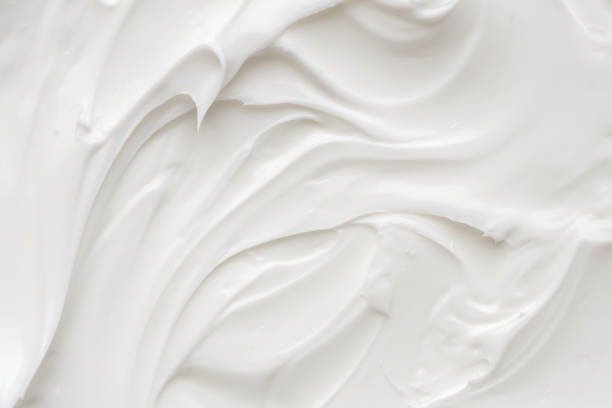
A plush, airy balm-cream that melts on contact; typical viscosity around 150,000–450,000 cps.
- Suitable for: spa/pedicure retail, lifestyle brands, “luxury foot recovery” positioning
- Key selling points: premium application, softer after-feel, better acceptance for repeat use
- Packaging/use tips: jar with inner lid or wide-mouth tube; emphasize nightly routine
Which packaging options make sense for cracked heel cream?
Choose packaging that enables controlled dosing, protects the formula from contamination, and fits the “night routine” habit (bathroom counter, bedside, travel). If the lane is intensive, packaging must also tolerate thick textures without clogging.
Factors to align with your brand
- Application method:Flip-top tubes for clean, controlled dosing. Jars for balm textures and “spa ritual” positioning (add hygiene guidance). Stick formats only when glide, hardness, and smear control are validated.
- Stability & protection:Odor control and oxidation plan for oil/butter-rich bases. Closures that don’t leak under shipping heat cycles. No cracking/clogging with high-viscosity creams.
- Sustainability direction:PCR tubes and caps where feasible. PCR jars (PP/PET) for balm-creams. Fewer components to improve recyclability.
- Label and artwork space:Clear routine rules: night use, socks, amount, frequency. Sensitive-skin notes: fragrance policy, irritation guidance.
- Channel needs:Amazon: leak resistance + clear instructions = fewer returns. Retail/spa: tactile premium packaging can lift perceived value.

Flip-Top Squeeze Tube (75–120ml)
Best all-around for thick creams.

Jar (50–100g)
Ideal for balm-creams and premium ritual positioning.

PCR Options
Post-consumer recycled components where feasible.
What do brands most often ask about this cracked heel cream?
Buyers usually ask about the right urea “strength lane,” how to avoid sting, whether acids are necessary, what instructions prevent negative reviews, and how to position claims safely across markets.
1. How often should cracked heel cream be used?
- Daily maintenance lanes: once daily (PM) or twice daily if tolerated
- Intensive repair lanes: nightly for 7–14 days, then step down to maintenance
- Add a simple “reduce frequency if stinging occurs” rule to protect reviews
2. What urea level works best for real cracked heels?
- Mid-lane urea works for daily softness; higher lanes target thick, rough heels faster
- The right level depends on tolerance, texture, and whether a sock routine is used
- Stronger lanes need clearer instructions to prevent irritation and churn
3. Do acids (lactic/salicylic) help, and when do they backfire?
- Gentle AHA directions can improve smoothing for callus-prone feet
- Salicylic directions can suit severe roughness lanes but require tighter tolerance control
- For sensitive users, comfort-first formulas often outperform “strong peel” positioning
4. Should the formula be designed for overnight socks or “heel sealing”?
- Yes—sock routines significantly improve perceived results for crack repair lanes
- The texture must set enough to reduce transfer while keeping occlusion overnight
- Packaging and instructions should make the routine effortless (amount + steps)
5. What claims are safest for cracked heel cream in cosmetic lanes?
- Use “softens,” “smooths,” “reduces the look of cracks,” and “supports barrier moisture”
- Avoid medical-style promises unless the product category is reviewed for that market
- Add routine guidance (night use, consistency) to set realistic expectations
6. What are typical MOQs, lead times, and cost drivers?
- Typical MOQ: 1,000–3,000 units per SKU, higher for sticks or specialty packaging
- Cost drivers: urea/acid lane strength, occlusive system, barrier lipids, packaging type
- Testing and stability plans (odor, phase, micro) influence timeline and revisions
How will Zerun Cosmetic support private label cracked heel cream projects?
- Our team will answer your inquiries within 12 hours.
- Your information will be kept strictly confidential.





Zerun supports cracked heel cream brands with strength-lane planning, urea-centered repair engineering, and channel-ready packaging plans—helping you launch a heel product that smooths roughness without greasy backlash.
We start from your reality:
- Your target users (daily maintenance vs severe cracks) and climates
- Your desired routine lane (day-friendly vs overnight socks) and channel plan (Amazon, retail, spa)
- Your fragrance policy, positioning boundaries, and budget for comfort supports and testing
We co-develop formulas, formats and routines:
- Dense cushion creams, balm-creams, and ointment-leaning repair textures
- Urea + barrier stacks that reduce sting risk and improve repeat purchase
- Routine instructions that make results predictable (amount, socks, frequency)
We help plan claims, tests and documentation:
- Cosmetic-safe claims for smoother-looking heels and long-lasting moisture with clear usage guidance
- Micro/challenge (for water-based creams), stability, odor/oxidation, and packaging compatibility validation
- On-pack routine instructions that reduce misuse and improve customer outcomes
If you already have reference products or ideas, share:
- Links/photos of heel creams you like (finish, dry-down, scent, packaging)
- Your “must avoid” issues (sting, greasy transfer, strong fragrance, slippery feel)
- Your target markets, initial volumes, and desired launch timing
Based on this, we can propose a clear cracked heel cream development roadmap and sampling plan. Use the contact form, email or WhatsApp on this site to start your private label cracked heel cream project with Zerun.