Skip to content
Private label dog conditioner: how can brands design an effective coat-softening & detangling hero product?
A winning dog conditioner gives brands a clear “bath-day upgrade” story: softer coat, easier brushing, less static, and a clean finish that doesn’t feel greasy or weigh the coat down—especially for doodles, double coats, and dry/itchy-skin customers.
Most failures come from copying human-hair conditioner logic without pet reality: heavy residue that attracts dirt, fragrance that triggers complaints, or “slip” that disappears once rinsed. The winning approach is a dog-appropriate conditioning system + coat-type targeting + rinse performance discipline, supported by packaging that fits both home baths and grooming routines.
GMP/ISO • EU/US compliant docs • Samples in 3–7 days • MOQ from 1,000 pcs
What are the key specifications of this custom dog conditioner?
Decide whether this is a classic rinse-out “soft + detangle” conditioner, a de-shedding / anti-static lane, or a sensitive-skin (fragrance-minimal) comfort lane. That choice drives the conditioning system, fragrance policy, viscosity, rinse-feel, and testing gates from day one.
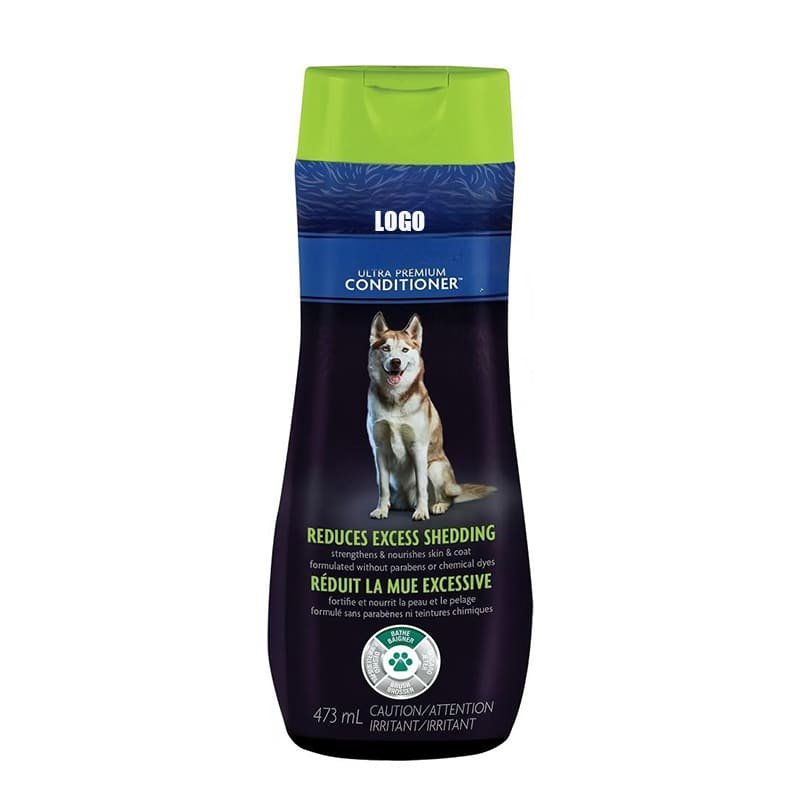
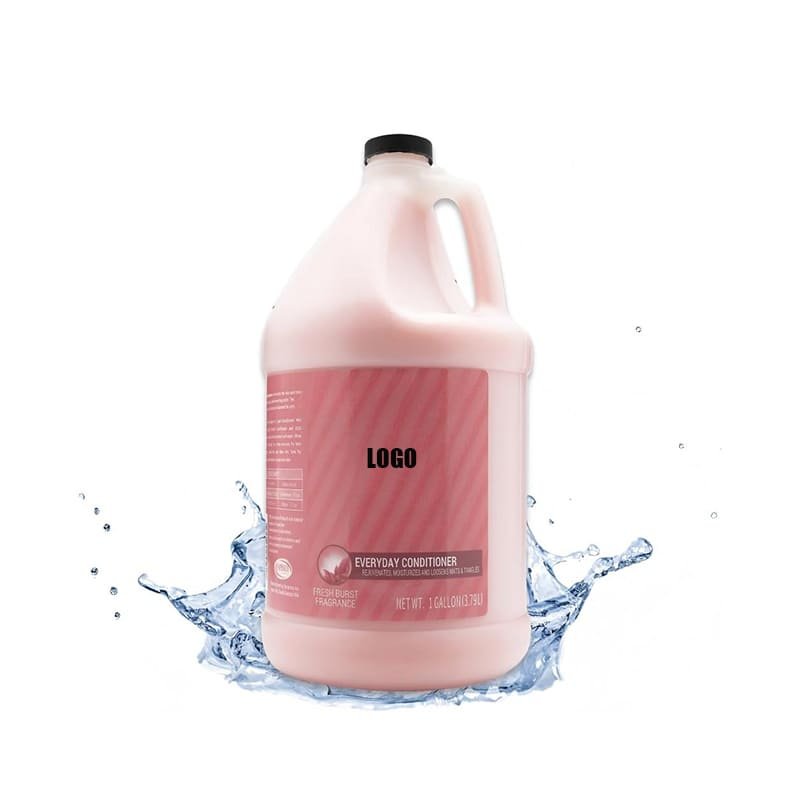
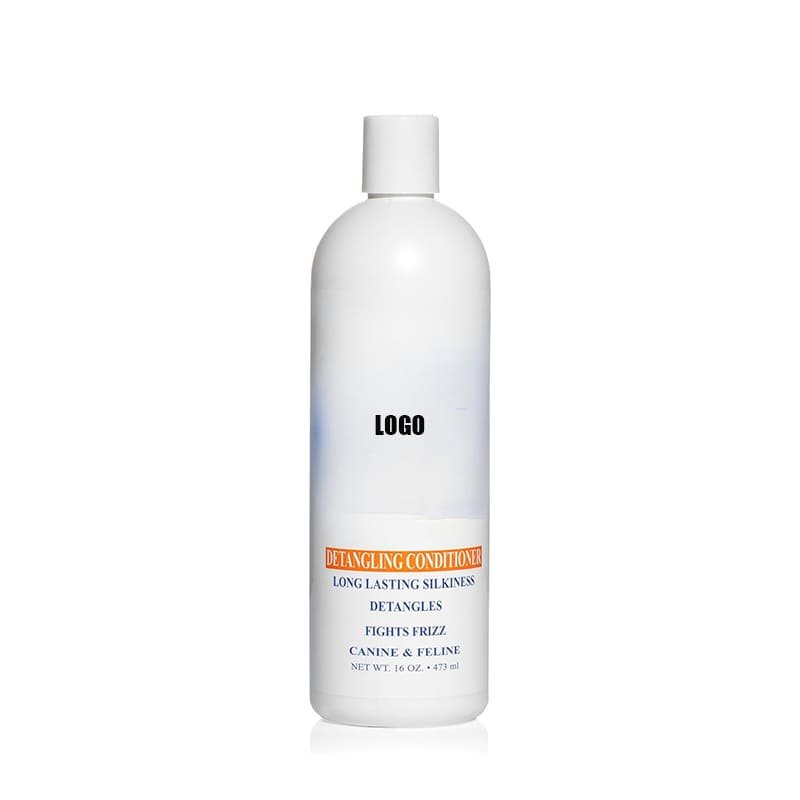
Spec / Parameter Card
| Field | Options / Recommendations |
|---|---|
| Core Formats | Rinse-out conditioner (standard) • Rich coat mask (weekly) • Leave-in detangler/conditioning spray (optional line extension) |
| Conditioning System | Fatty alcohol + cationic conditioner system (slip + softness) or silicone-light system (shine + combability) or sensitive-skin minimal system |
| Coat/Use Target | Doodles/curly (detangle) • Double coat (de-shed + anti-static) • Dry/itchy (comfort) • Show coat (shine + manageability) |
| Soothing Supports | Colloidal oatmeal / aloe direction (comfort lane) |
| Protein/Strength Feel | Silk/wheat protein direction for combing + “salon finish” (breed/coat dependent) |
| Fragrance Strategy | Fragrance-free / very low scent (sensitive lane) • Light “fresh coat” scent (mass lane) • Groomer-style fragrance (salon lane) |
| pH & Mildness Positioning | “pH-balanced for dogs” positioning is common in market messaging; avoid eye-sting and over-perfumed profiles |
| Claim Focus | Detangles • reduces static • helps soften coat • improves combability • helps deodorize coat (cosmetic/grooming) |
| Rinse Performance | Fast rinse, no waxy buildup; “wet slip” + “dry feel” must both be validated |
| Stability & QC | Viscosity drift, phase stability, fragrance stability, micro/challenge (water-based), rinse residue checks, bottle/pump compatibility |
| Docs | COA, SDS, micro & stability data; claim boundary guidance by market/channel |
| Sampling & Lead Time | Most iterations come from slip vs residue balance, scent tolerance, and rinse feel across coat types |
| Typical MOQ | 1,000–3,000 pcs/SKU for validated bases; higher for custom bottles/pumps, labels, or premium decoration |
More Private Label Products
Private Label Sports Muscle Relief →
How to Launch Sports Muscle Relief Products →
Private Label Skincare Solutions→
Private Label Clinic Care Solutions→
Private Label Pet Care Solutions→
Private Label Tan Care Solutions→
Private Label Intimate Care Solutions→
Private Label Tattoo Care Solutions→
Private Label Facial Care Solutions→
Private Label Body Care Solutions→
Private Label Beard Care Solutions→
Private Label Hair Care Solutions →
Which customers and channels is this dog conditioner for?
Dog conditioners sell best when they solve one obvious pain point: “brushing is a fight,” “coat feels dry,” “static and flyaways,” or “dog smells again too fast.” The formula must perform in real baths: fast spread, fast rinse, and a clean coat feel.
Dog conditioners win when slip is real but residue is low. This tab shows how the conditioning system, scent level, and comfort supports change for curly coats, double coats, sensitive skin, and odor-control buyers.
Curly / Doodle Coats (Detangling Hero Lane)
- Texture: Rich but fast-rinse cream conditioner.
- Core stack: High-slip conditioning system + anti-static direction + protein direction.
- Notes: “Brush-out in half the time” is the hero experience.
- Micro-CTA: Create a Doodle Detangling Conditioner
Double Coat / Seasonal Shedding (De-shed + Anti-Static Lane)
- Texture: Medium cream, low residue.
- Core stack: Lightweight conditioner system + anti-static direction; avoid heavy oils.
- Notes: Must not flatten coat or feel greasy.
- Micro-CTA: Develop a De-Shed Coat Conditioner
Dry / Dull Coat (Softness + Shine Lane)
- Texture: Conditioning cream with cushion slip.
- Core stack: Conditioner system + emollient balance + shine direction.
- Notes: Soft feel should remain after towel-dry.
- Micro-CTA: Build a Soft & Shiny Coat Conditioner
Sensitive / Itchy-Prone Skin (Comfort-First Lane)
- Texture: Simple, low-scent cream; rinse clean.
- Core stack: Mild conditioning system + oatmeal/aloe direction; conservative fragrance strategy
- Notes: Reduce complaint risk; avoid “too perfumed.”
- Micro-CTA: Design a Sensitive-Skin Dog Conditioner
Odor Control Buyers (Fresh Coat Lane)
- Texture: Lightweight conditioner; quick rinse.
- Core stack: Conditioning system + deodorizing scent strategy (or low-scent “clean coat” style).
- Notes: Odor control must not feel like heavy fragrance.
- Micro-CTA: Launch a Fresh-Coat Conditioner
Routine changes outcomes: puppies need low-scent simplicity, active dogs need fast rinse and odor control, long-coat owners need detangling slip, and seniors benefit from comfort-first formulas that leave no buildup.
Puppies / First-Time Owners – Simple, Low-Scent Conditioning
- Texture: Light cream, easy rinse.
- Core stack: Gentle conditioning system + minimal fragrance.
- Notes: Clear directions reduce misuse complaints.
Adult Active Dogs – Fast Rinse + Fresh Coat
- Texture: Medium-light cream, non-greasy dry feel.
- Core stack: Conditioner system + fresh coat scent strategy.
- Notes: “Clean feel” beats heavy perfume.
Long-Coat / Daily Brushing – High Slip Detangling
- Texture: Richer cream with controlled residue.
- Core stack: High-slip conditioning system + anti-static direction + protein direction.
- Notes: Brush-out and mat prevention messaging converts.
Sensitive Households – Fragrance-Minimal Comfort Lane
- Texture: Simple, rinse-clean cream.
- Core stack: Mild conditioning system + oatmeal/aloe direction (project-dependent)
- Notes: Keep claim boundaries non-medical.
Senior Dogs – Comfort + Soft Coat Without Buildup
- Texture: Cushion cream, easy spread.
- Core stack: Conditioner system + comfort supports; avoid heavy residue.
- Notes: “Soft coat, easy grooming” positioning works well.
What can top-selling dog conditioners teach your formula design?
Top sellers show that shoppers buy “soft + detangle” first, then pick a lane (oatmeal comfort, deodorizing, grooming-salon finish). The best products balance real wet slip with a clean, non-greasy dry feel—and they make coat-type selection easy.
| Brand / Product | Core Actives (typical) | Format / Texture | Strengths | Gaps / Considerations |
|---|---|---|---|---|
| earthbath Oatmeal & Aloe Conditioner | Colloidal oatmeal + aloe + shea butter + conditioning agents | Cream conditioner | Strong “comfort” story; recognizable soothing ingredients | Scent strategy matters; keep residue low for double coats |
| Burt’s Bees Oatmeal Dog Conditioner | Conditioning agents + oatmeal + oils + aloe + vitamin E + panthenol (varies by SKU) | Cream conditioner | “Natural” positioning; broad mainstream appeal | Over-oiling can feel heavy; rinse feel must be tuned |
| TropiClean Kiwi & Cocoa Butter Conditioner | “Moisturize/soften/detangle” positioning; soap-free/paraben-free messaging appears often | Cream conditioner | Strong detangling lane; mass-market familiarity | Fragrance strength can polarize; avoid greasy dry-down |
| Isle of Dogs Silky Coating Conditioner (Everyday Elements) | Moisturizing conditioner positioning; aloe appears in some listings | Cream conditioner | Premium “salon coat” vibe; sensory-driven | Scent sensitivity varies; premium feel must match price |
| Chris Christensen Spectrum Ten Conditioner | Pro grooming conditioner base with conditioning agents + panthenol (per ingredient listings) | Professional cream | “Show coat” / grooming credibility; strong slip expectations | Ingredient philosophy differs by market; set clear lane (pro vs “clean”) |
| BioSilk Silk Therapy Coconut Oil Conditioner (Dogs) | Coconut oil + silk/vitamin positioning in listings | Cream conditioner | Familiar “human-haircare inspired” story | Must avoid human-heavy residue; ensure pet-appropriate rinse feel |
| CHI for Dogs (conditioning / deodorizing grooming line examples) | “pH balanced for dogs” + sulfate/paraben-free messaging appears in listings | Foam/leave-in line examples | Strong retail-friendly positioning | If you go leave-in, residue and skin tolerance testing becomes critical |
Custom Funtion Formula for your brand? You can review skincare function formulation pages:
Custom Moisturizing Formulations →Custom Nourishing Formulations →Custom Sensitive Skin Care Formulations →Custom Anti-inflammatory Formulations →Custom Deodorant Formulations →
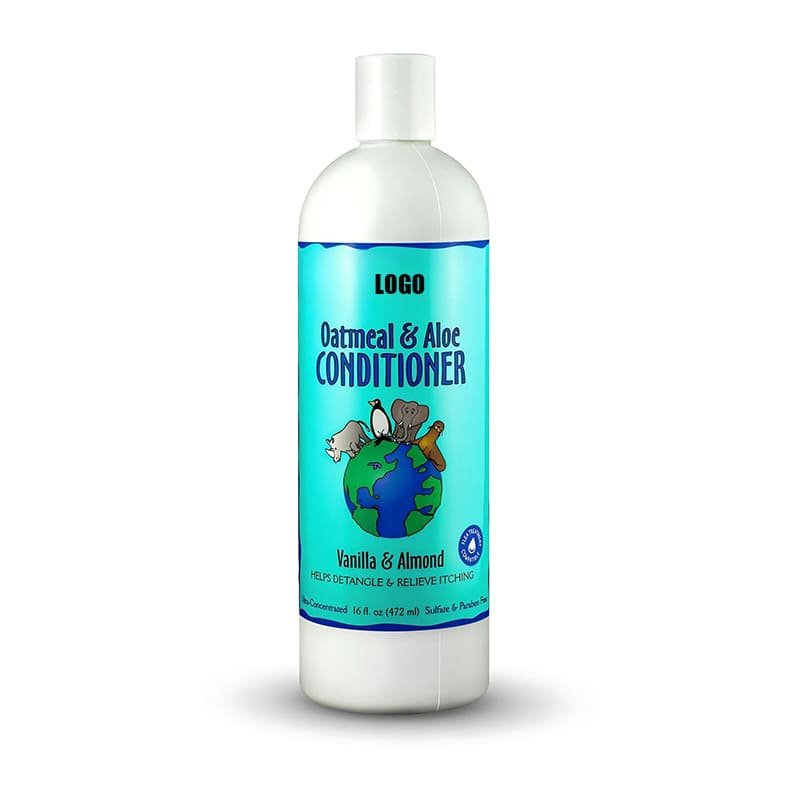
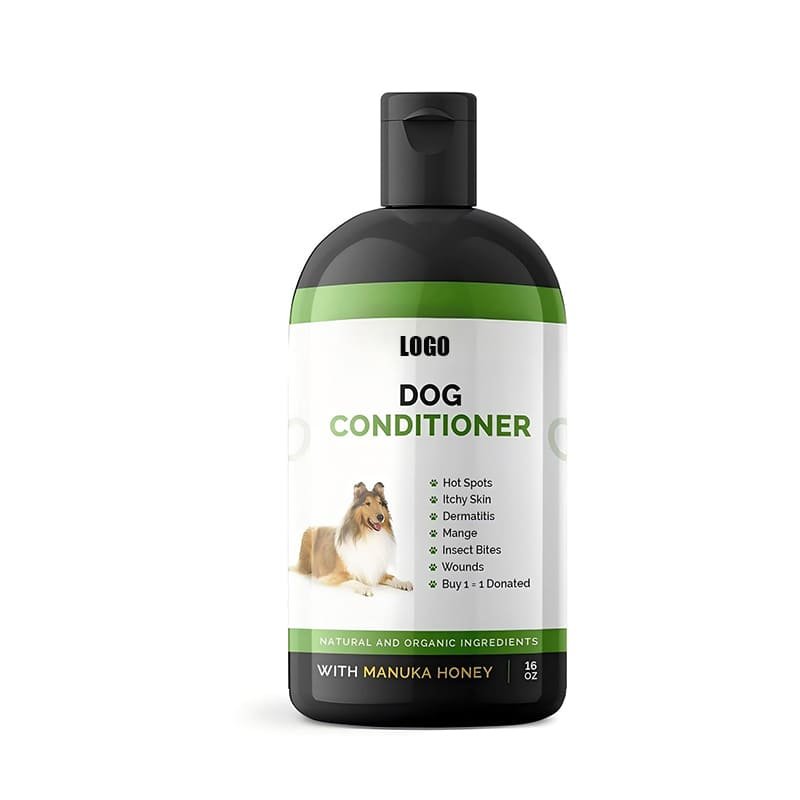
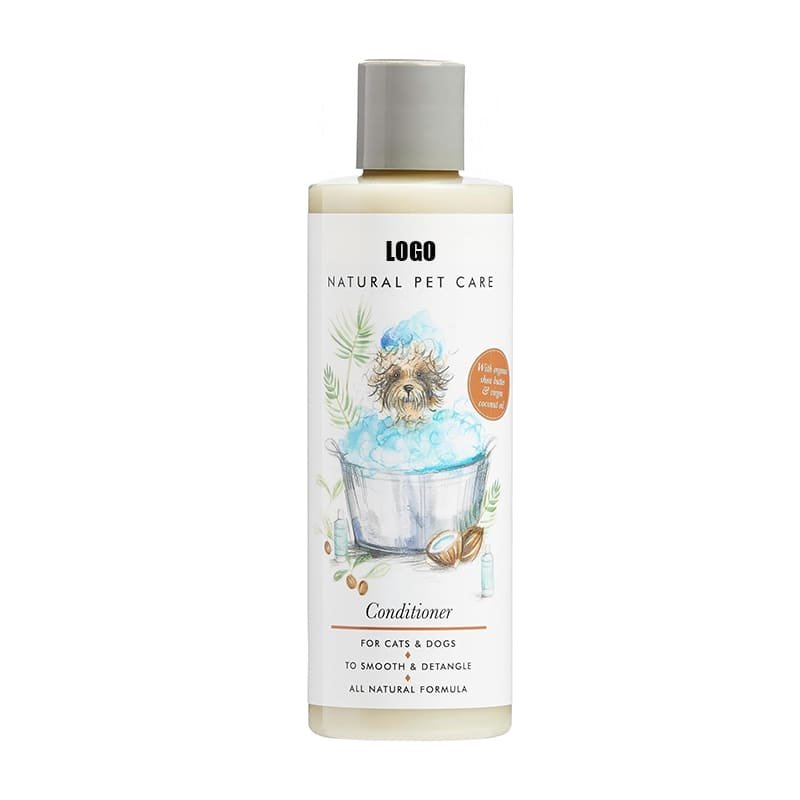
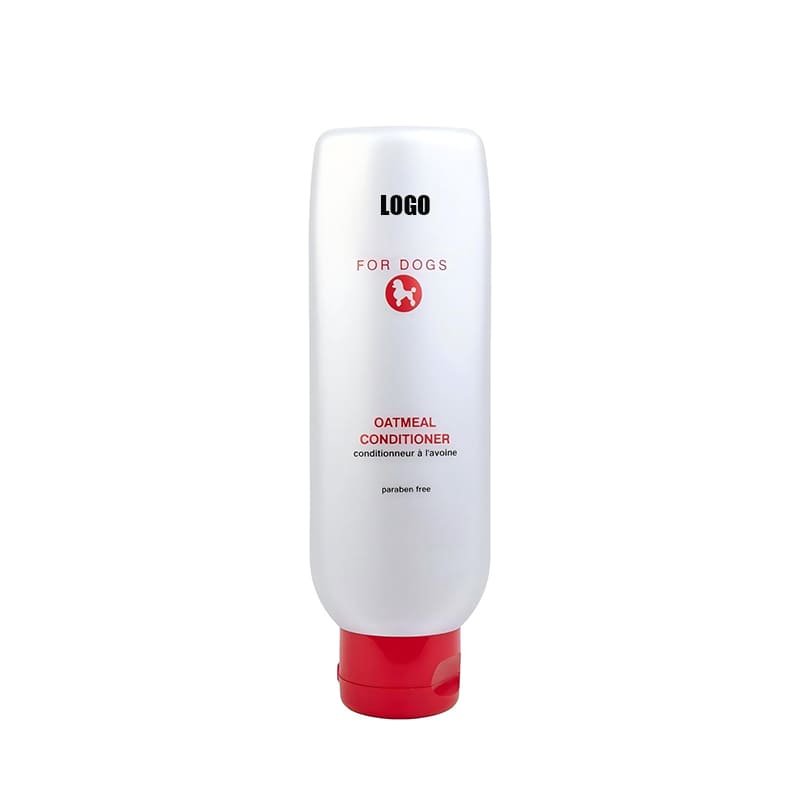
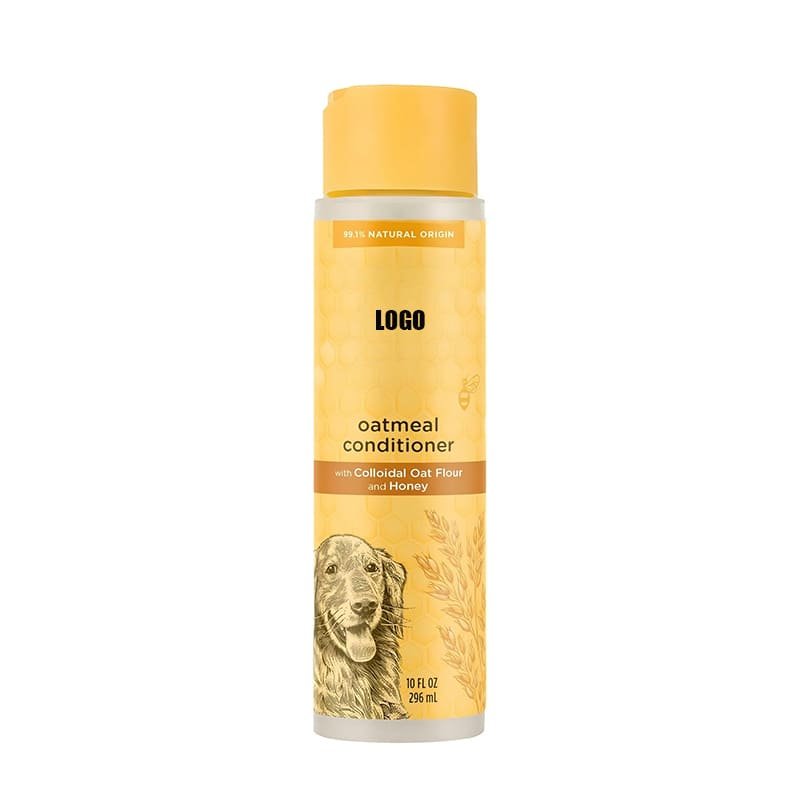
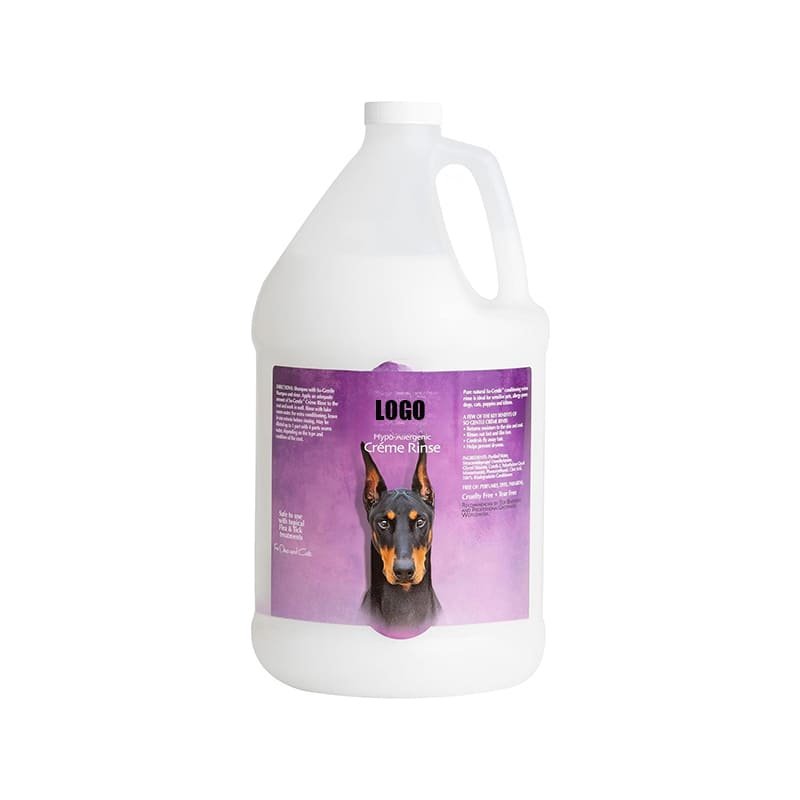
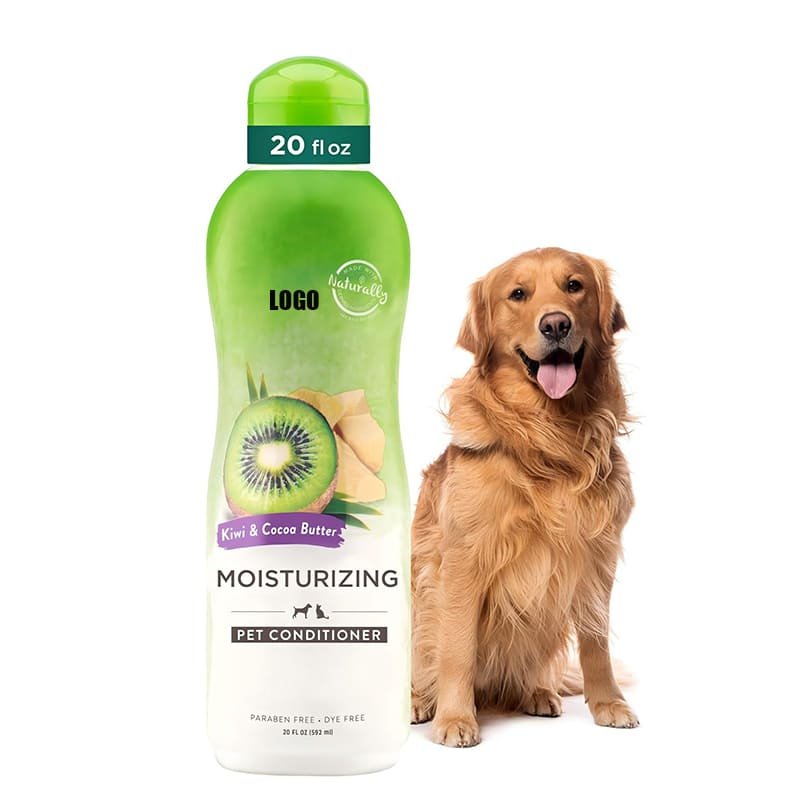
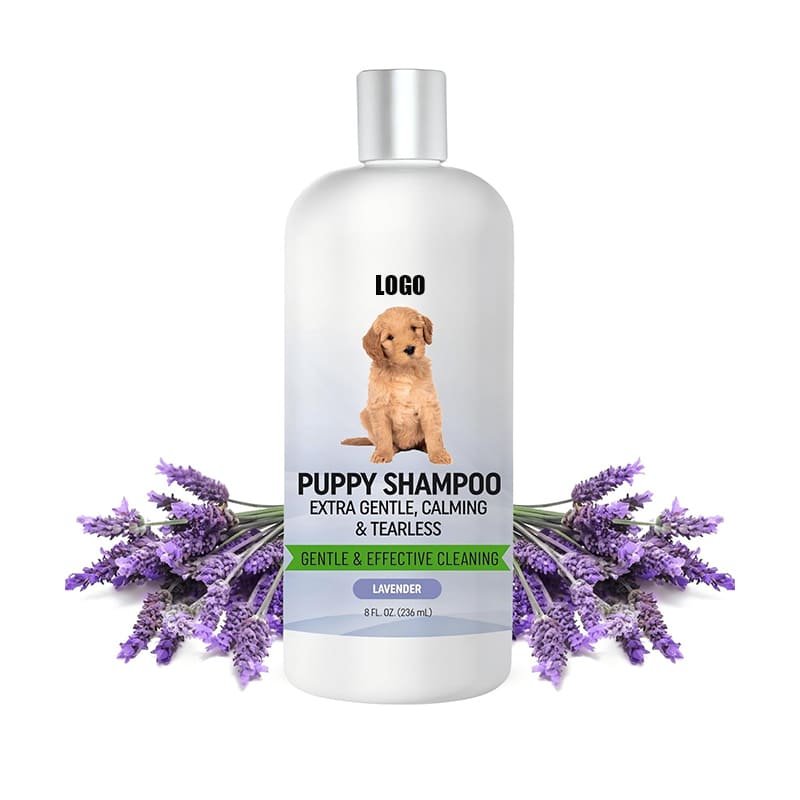
Dog Conditioner Finish Products you may want to reference:
Make A Sample First?
If you have your own formula, packaging idea, logo artwork, or even just a concept, please share the details of your project requirements, including preferred product type, ingredients, scent, and customization needs. We’re excited to help you bring your personal care product ideas to life through our sample development process.
How should you design the formula and active stack for dog conditioner?
Treat a dog conditioner as a performance system (wet slip → rinse → dry feel), not a single “oatmeal/aloe” headline. Market winners often combine recognizable comfort ingredients with a proven conditioning base, then control scent and residue tightly.
Step 1 – Define the job and usage lane
- Rinse-out daily conditioner vs weekly coat mask vs leave-in detangler extension
- Choose the hero promise: detangling, anti-static, sensitive-skin comfort, or fresh-coat odor control
- Set experience targets: fast spread, fast rinse, clean dry feel, easy brush-out
Step 2 – Choose the conditioning system and coat targeting
- Build around a fatty alcohol + cationic conditioner base for slip/softness (coat-type dependent)
- Decide on silicone-light vs silicone-free direction (channel + “clean” positioning)
- Add comfort ingredients only if they don’t compromise rinse feel (oatmeal/aloe lanes)
Step 3 – Balance slip with residue, scent, and tolerance
- Too much “heavy emollient” can flatten coats and attract dirt—especially double coats
- Control fragrance intensity; sensitive households churn fast when scent is too strong
- Keep performance consistent across warm/cold water and fast/slow rinsers
Step 4 – Validate stability, compatibility, and real grooming reality
- Wet combing + dry combing performance checks (detangle, static, softness)
- Micro/challenge + stability for water-based formulas; fragrance stability and discoloration
- Packaging compatibility (pump/flip-top flow, clogging risk, leakage resistance)

| Active (Use Range) | Key Features | Suitable Uses / Coat Types | Recommended Combinations | Suggested Packaging |
|---|---|---|---|---|
| Cationic conditioners (system-dependent) | Slip + softness backbone | Detangling, long/curly coats | With fatty alcohol structure | Flip-top / pump |
| Fatty alcohols (system-dependent) | Cream structure + rinse feel | Most lanes | With conditioning base | Flip-top / pump |
| Colloidal oatmeal (0.1–1% typical) | Comfort positioning | Dry/itchy-prone lane | With mild base + low scent | Flip-top / pump |
| Aloe (0.1–1% typical) | Comfort + “soothing” story | Sensitive lane | With oatmeal direction | Flip-top / pump |
| Hydrolyzed proteins (0.1–1%) | Combability + “salon finish” feel | Long coats / grooming lane | With high-slip base | Pump / salon bottles |
| Anti-static polymer direction (system-dependent) | Reduces flyaways/static | Double coat, winter climates | With lightweight base | Flip-top / pump |
| Deodorizing fragrance strategy | Fresh coat experience | Outdoor/active lane | With clean-rinse base | Pump / flip-top |
Which textures work best for dog conditioner?
The best dog conditioner textures deliver strong wet slip but rinse clean—no waxy buildup, no greasy coat feel, and no “heavy perfume residue”—while staying stable and easy to dispense in real bath conditions.
Considerations by market and user
- Climate:Hot / humid: lighter creams that rinse fast and don’t feel oily. Cold / dry: slightly richer creams that reduce static and roughness
- Coat type & routine:Curly/long: higher slip + controlled residue for brush-out. Double coat: lightweight, anti-static, non-flattening systems. Sensitive households: low-scent, minimal-irritant direction
- Channel:Amazon / e-commerce: “too greasy” and “smell too strong” drive returns—texture and fragrance must be tuned. Groomers: concentrated/pro performance feel; easy spread and consistent results. Retail: simple coat-type navigation and easy-to-rinse experience sells
Lightweight rinse-out conditioner (every-bath lane)
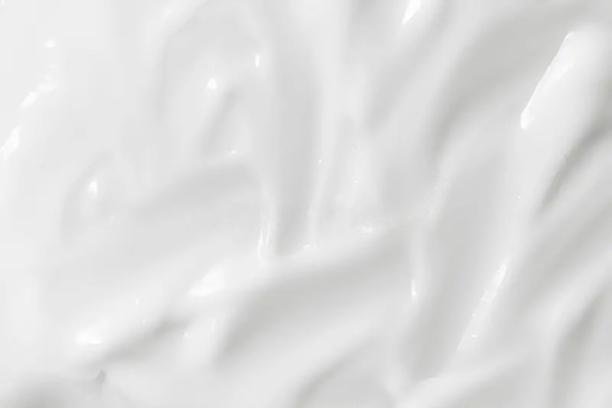
A medium-light cream that spreads fast and rinses clean; typical viscosity around 8,000–20,000 cps.
- Suitable for: most coat types, humid climates, family-use routines
- Key selling points: clean dry feel, softer coat without flattening
- Packaging/use tips: flip-top or pump; add clear rinse-time guidance
Rich detangling cream conditioner (doodle/long-coat lane)
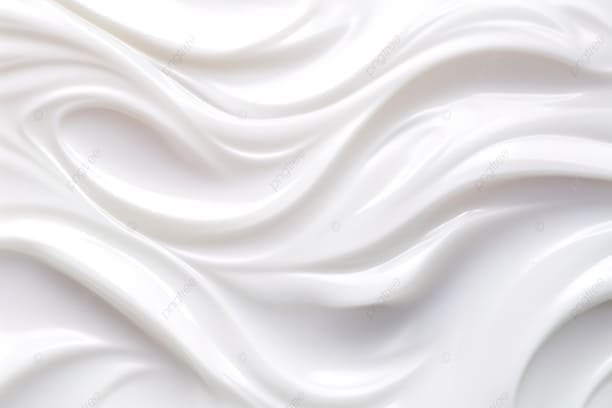
A richer cream with higher wet slip; typical viscosity around 20,000–60,000 cps.
- Suitable for: curly/long coats, heavy brushing routines
- Key selling points: detangle power, reduced breakage from brushing, smoother finish
- Packaging/use tips: wide flip-top or pump; note “work through coat, then rinse well”
Leave-in conditioning detangler (line extension lane)
A light spray/serum that reduces static and improves combability; typical viscosity around 20–300 cps.
- Suitable for: between-bath maintenance, long coats, grooming-on-the-go
- Key selling points: quick refresh, easier brushing, less static
- Packaging/use tips: fine-mist sprayer; define spray counts by coat size
Which packaging options make sense for dog conditioner?
Choose packaging that supports fast dispensing in wet hands, reduces leaks in shipping, and fits the buyer’s routine (home bath vs groomer station).
Factors to align with your brand
- Application method:Flip-top bottles for home users and shower convenience. Pumps for controlled dosing and premium feel. Salon/jug formats for groomers or refill programs
- Stability & protection:Reliable flow (no clogging), consistent viscosity at cold/heat. Leak resistance for e-commerce
- Sustainability direction:PCR PET bottles where feasible. PCR caps/components where feasible. Simplify materials for better recyclability
- Label and artwork space:Coat-type guidance (curly/double/sensitive). Simple rinse-time + brushing instructions. Scent and “sensitive household” cues
- Channel needs:Amazon: leak prevention + clear coat-type selection reduces returns. Retail: tactile packaging + easy navigation improves conversion. Groomers: large sizes, dilution/concentrate options, fast workflow

Flip-Top Bottle (250–500ml)
Best for home baths and shower handling.
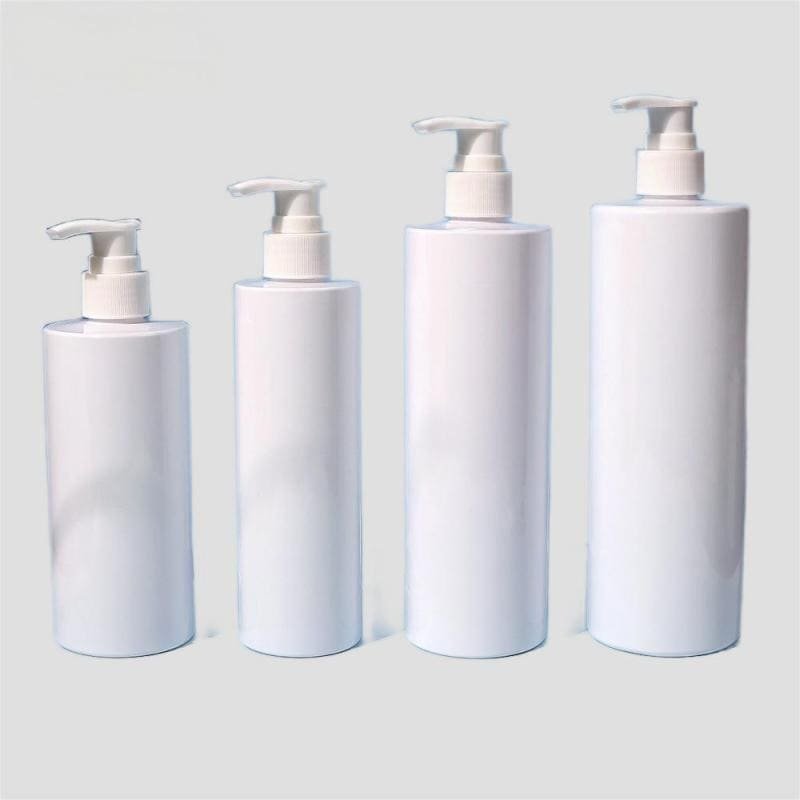
Pump Bottle (150–500ml)
Best for controlled dosing and premium feel.

Leave-in Spray Bottle (200–300ml)
For detangling line extensions.

PCR Options
Post-consumer recycled components where feasible.
What do brands most often ask about this dog conditioner?
Brands usually ask how to deliver “real detangling” without greasy residue, how to control fragrance complaints, how to customize by coat type (doodle vs double coat), and what tests prove rinse feel, stability, and skin tolerance.
1. What makes a dog conditioner actually detangle (not just feel slippery in the bath)?
- Build wet slip + dry combability as separate targets (not one “feel”)
- Control residue so the coat doesn’t attract dirt after drying
- Validate brush-out performance on representative coat types
2. How do you prevent a conditioner from feeling greasy or flattening the coat?
- Choose a lightweight conditioning system for double coats and humid climates
- Avoid overloading heavy oils/butters in “softness” lanes
- Set rinse-time and dosage rules that match real users
3. Is an oatmeal/aloe conditioner always better for itchy-prone dogs?
- Oatmeal/aloe can support a comfort positioning when the base is mild
- Scent level and rinse residue often matter more than one hero ingredient
- Keep claims non-medical and focus on comfort + coat feel
4. Should the formula be fragrance-free or scented?
- Sensitive households often prefer fragrance-free or very low scent
- Mass-market lanes can use light “fresh coat” fragrance (avoid overpowering profiles)
- Stability of fragrance in the base must be checked to prevent off-odor drift
5. Do groomers need a different conditioner than DTC/Amazon buyers?
- Groomers want speed: fast spread, predictable slip, fast rinse
- DTC/Amazon buyers need clearer coat-type guidance and “no greasy feel” outcomes
- Packaging format (pump/jug vs flip-top) should match workflow
6. What are typical MOQs, lead times and cost drivers?
- Typical MOQ: 1,000–3,000 units per SKU, higher for custom bottles/pumps/decoration
- Lead time depends on texture iterations, scent tuning, and micro/stability validation
- Cost drivers: conditioning system complexity, fragrance direction, and packaging format
How will Zerun Cosmetic support private label dog conditioner projects?
- Our team will answer your inquiries within 12 hours.
- Your information will be kept strictly confidential.





Zerun supports dog conditioner brands with coat-type targeting, rinse-performance texture engineering, and channel-ready packaging plans—helping you launch a conditioner that detangles, rinses clean, and earns repeat purchase.
We start from your reality:
- Your target coat types (doodle, double coat, sensitive households) and climates
- Your lane choice (detangling, de-shed/anti-static, comfort, fresh coat) and channel plan (Amazon, retail, groomers)
- Your packaging preference, fragrance policy, and budget for stability and compatibility testing
We co-develop formulas, formats and routines:
- Rinse-out conditioners, richer masks, and optional leave-in detanglers built for real bath routines
- Conditioning systems tuned for wet slip + clean rinse + non-greasy dry feel
- Simple usage rules (amount, work-through time, rinse time, brushing tips) that reduce complaint reviews
We help plan claims, tests and documentation:
- Grooming-safe claims for detangling, softness, anti-static and fresh coat positioning
- Micro/challenge (water-based), stability, viscosity control, and packaging compatibility validation
- On-pack coat-type guidance that improves selection and reduces returns
If you already have reference products or ideas, share:
- Links/photos of conditioners you like (slip, scent strength, rinse feel, packaging)
- Your “must avoid” issues (greasy coat, overpowering scent, residue, poor brush-out)
- Your target markets, initial volumes, and desired launch timing
Based on this, we can propose a clear dog conditioner development roadmap and sampling plan. Use the contact form, email or WhatsApp on this site to start your private label dog conditioner project with Zerun.