Skip to content
Private label dog paw balm: how can brands design an effective paw protection & repair hero product?
A winning dog paw balm gives brands a clear “daily paw protection” story: helps soften dry, rough paw pads, supports a comfortable feel after walks, and helps form a protective barrier against seasonal stressors—without greasy floors, strong fragrance, or sticky residue that dogs instantly lick off.
Most failures come from copying a “natural wax balm” headline without real-world usability: too hard to spread in winter, too oily in heat, gritty wax feel, messy tins, or claim wording that drifts into “treat/prevent disease” territory. The winning approach is a lick-safer barrier system + comfort emollients + texture that applies fast + packaging that stays clean, with simple use rules owners can follow.
What are the key specifications of this custom dog paw balm?
Decide whether this is a classic all-season “paw wax barrier balm” (protective film, outdoor-first) or a “repair butter balm” (softening + comfort, indoor-friendly). That single choice drives wax ratio, slip, softening point, packaging format, and how “non-greasy” the finish can realistically be.


Spec / Parameter Card
| Field | Options / Recommendations |
|---|---|
| Core Formats | Anhydrous wax balm (tin/jar) • Twist-up stick balm • Butter balm (soft balm) • Water-in-silicone paw cream (fast-dry lane) |
| Barrier System | Food-grade wax blend direction (beeswax/candelilla/carnauba) or silicone-protect direction (non-greasy lane) |
| Emollient Base | Shea/cocoa/mango butter • Coconut/olive/jojoba oils • Lightweight esters for cleaner finish (lane-dependent) |
| Comfort Supports | Calendula/oat/bisabolol direction (pet-safe positioning) • vitamin E for oxidation control |
| Fragrance Strategy | Fragrance-free or very low scent preferred (pets + owner sensitivity + “strong smell” reviews) |
| Lick-Safety Positioning | “Lick-resistant” (stays on) vs “lick-safer” (non-toxic ingredients) messaging discipline |
| Claim Focus | Helps moisturize dry paw pads • helps soften roughness • helps protect from environmental dryness/rough surfaces (avoid disease claims) |
| Seasonal Lanes | Winter salt/snow dryness • Summer hot pavement dryness • Indoor cracked pads (brief-based) |
| Slip & Mess Control | Fast spread • low transfer • minimal oil track on floors/furniture |
| Stability & QC | Softening point consistency • sweat/oil separation • graininess control (butters) • odor drift • microbial controls if water-based format |
| Packaging Compatibility | Tin/PP jar (classic) • Twist-up stick (convenience) • Tube (clean carry) • Closure tightness for travel |
| Docs | COA, SDS, micro/stability where applicable; claim boundary guidance (pet product wording discipline) |
| Sampling & Lead Time | Most iterations come from spreadability (cold/heat), mess control, and lick-off resistance |
| Typical MOQ | 1,000–3,000 pcs/SKU for validated bases; higher for custom sticks, molds, or premium decoration |
More Private Label Products
Private Label Sports Muscle Relief →
How to Launch Sports Muscle Relief Products →
Private Label Skincare Solutions→
Private Label Clinic Care Solutions→
Private Label Pet Care Solutions→
Private Label Tan Care Solutions→
Private Label Intimate Care Solutions→
Private Label Tattoo Care Solutions→
Private Label Facial Care Solutions→
Private Label Body Care Solutions→
Private Label Beard Care Solutions→
Private Label Hair Care Solutions →
Which customers and channels is this dog paw balm for?
Dog paw balms convert best when positioned as an easy daily habit: before outdoor walks for protection, and after walks for softening and comfort. Real-world success depends on “no mess” application and clear instructions owners can repeat.
Paw balms win when they spread easily, feel non-greasy, and stay on long enough to matter. This tab shows how wax ratio, emollient choice, and finish change for working dogs, sensitive paws, and seasonal stress.
Dry / Rough Pads (Daily Softening Lane)
- Texture: Butter balm or soft anhydrous balm, quick melt.
- Core stack: Shea/cocoa butter + light wax + vitamin E.
- Notes: “Soft paws without greasy floors” is the hero experience.
- Micro-CTA: Create a Daily Paw Softening Balm
Cracked Pads (Repair-First Lane)
- Texture: Higher-structure balm with protective film.
- Core stack: Wax blend + rich butters + comfort botanical direction.
- Notes: Must spread in cold weather; avoid gritty feel.
- Micro-CTA: Build a Repair-First Paw Balm
Outdoor / Hiking Dogs (Barrier Wax Lane)
- Texture: Firm wax balm or stick, durable coat.
- Core stack: Multi-wax barrier system + non-greasy emollients.
- Notes: Transfer control matters (car seats, backpacks, floors).
- Micro-CTA: Develop an Outdoor Paw Protection Wax
Sensitive / Allergy-Prone (Fragrance-Free Lane)
- Texture: Simple, minimal-ingredient balm; low scent.
- Core stack: Clean butter + wax base; avoid essential oil overload.
- Notes: Simple use rules + gentle positioning protect reviews.
- Micro-CTA: Design a Sensitive-Paw Balm
Urban Walks (Fast-Apply, Clean Carry Lane)
- Texture: Twist-up stick or tube format, no finger dip.
- Core stack: Structured balm with clean finish.
- Notes: Convenience drives repeat purchase and gifting.
- Micro-CTA: Launch a Stick-Format Paw Balm
Owner behavior decides repurchase: some want a “before walks” protector, others want a “night repair” balm, and many want a mess-free stick. This tab maps format, finish, and instructions to routine reality.
New Pet Owners – Simple One-Step Paw Care
- Texture: Soft balm or stick, easy spread.
- Core stack: Basic butter + wax system.
- Notes: Clear “how much to use” prevents greasy overuse.
Active Families – Before/After Walk Routine
- Texture: Firm balm/stick with durable barrier.
- Core stack: Wax blend + transfer-controlled emollients.
- Notes: Travel-friendly packaging reduces leakage complaints.
Apartment Living – No-Mess Indoor Use
- Texture: Low-transfer butter balm or tube cream lane.
- Core stack: Comfort emollients + clean finish strategy.
- Notes: Floors/furniture sensitivity must be designed in.
Winter Season – Salt/Snow Dryness Focus
- Texture: Barrier wax balm that spreads in cold.
- Core stack: Multi-wax system + anti-graininess control.
- Notes: Instruction: warm between fingers before applying.
Night Repair – “Apply Before Bed” Habit
- Texture: Richer balm, slower melt.
- Core stack: Butters + comfort supports + stable antioxidant.
- Notes: Position with socks/booties optional to reduce tracking.
What can top-selling dog paw balms teach your formula design?
Top sellers prove the category is driven by two promises: a protective barrier (wax-style products) and visible softening (butter-style products). Owners quit when the balm is greasy, too hard to spread, or when claims drift into medical territory—so “mess control + clear usage rules” are as important as ingredients.
| Brand / Product | Core Actives (typical) | Format / Texture | Strengths | Gaps / Considerations |
|---|---|---|---|---|
| Musher’s Secret Paw Protection Wax | Natural wax blend + vegetable oils + vitamin E | Firm wax balm (tin/jar) | Strong “barrier wax” identity; all-season positioning | Can feel firm; needs warm-up and dose guidance |
| Natural Dog Company Paw Soother | Calendula/rosemary extracts + oils + candelilla wax + vitamin E | Balm (tin) / stick | Clear “plant-based balm” story; multiple sizes | Essential oils require careful scent/tolerance control |
| Burt’s Bees Nose & Paw Balm | Beeswax + cocoa butter direction; “pH balanced for dogs” positioning | Small balm (tin) | Recognizable mass brand; simple, gentle positioning | Small pack size; “too waxy” perception if spread is slow |
| Pawtitas Paw Balm | Certified organic herbs/oils (listing varies by SKU/region) | Stick / balm | “Certified organic” angle; travel-stick convenience | Keep claims cosmetic/hygiene; avoid “treat hot spot” language |
| Vets Preferred Advanced Pad Protection | Oils + beeswax + shea + vitamin E + EO blend | Balm | Strong “pad protector” framing; ingredient list transparency | EO blend increases scent and sensitivity risk; needs restricted list options |
| Skout’s Honor Prebiotic Pet Balm | Oils/butters + waxes + mānuka honey + prebiotic direction | Balm | “Microbiome-friendly / fragrance-free” style positioning | Tin hardening perception; texture tuning and storage guidance matter |
| Dermoscent BIO BALM® | Soybean oil + cajeput EO direction; water-resistant positioning | Balm | EU pet-dermo style; “water-resistant” angle | EO strategy must be tightly controlled; avoid “wound healing” claims |
| Pet MD Paw Balm 3-in-1 | Shea + oils + beeswax + botanical infusions + EO blend | Balm | Multi-area use positioning (paws/nose/elbows) | “3-in-1” can dilute hero story; scent tolerance needs options |
Custom Funtion Formula for your brand? You can review skincare function formulation pages:
Custom Moisturizing Formulations →Custom Barrier Repair Formulations →Custom Anti-inflammatory Formulations →Custom Hand & Foot Care Formulations →
Dog Paw Balm Finish Products you may want to reference:


Make A Sample First?
If you have your own formula, packaging idea, logo artwork, or even just a concept, please share the details of your project requirements, including preferred product type, ingredients, scent, and customization needs. We’re excited to help you bring your personal care product ideas to life through our sample development process.
How should you design the formula and active stack for dog paw balm?
Treat this as a “barrier + comfort + usability” product, not a vague “healing balm.” In pet categories, claim language matters: if a product is intended to diagnose, treat, or prevent disease in animals, it can fall into animal-drug territory—so the safest strategy is comfort/moisturizing/barrier positioning with disciplined wording.
Step 1 – Define the job and usage lane
- Pre-walk barrier wax vs post-walk softening vs overnight “repair butter”
- Target season: winter salt/snow dryness vs summer heat/rough surfaces
- Set the experience target: fast apply, low transfer, low odor, stays on long enough to matter
Step 2 – Choose the barrier system and lick-safer design
- Wax network lane (beeswax/candelilla/carnauba blend) for durable film and outdoor protection
- Clean-finish lane (light esters / silicone-protect direction) for “no greasy floors” routines
- Decide essential-oil policy early (fragrance-free option often required for sensitive-paw buyers)
Step 3 – Balance results with mess control and owner behavior
- Tune spreadability across temperature (cold-start vs heat-softening)
- Reduce graininess risk in butters; avoid “gritty wax” complaints
- Build simple dose rules (pea-size, warm between fingers) to prevent over-application
Step 4 – Validate stability, compatibility, and real-life use
- Stress-test for sweating/oil separation, softening point drift, and odor drift
- Packaging leakage tests for travel (tin/jar seal, stick mechanism torque)
- Basic safety positioning and claim boundary check before artwork finalization

| Active (Use Range) | Key Features | Suitable Uses / Paw Types | Recommended Combinations | Suggested Packaging |
|---|---|---|---|---|
| Wax blend (5–20%) | Forms protective film; controls hardness | Outdoor, winter lanes; barrier-first | With butters + vitamin E | Tin/jar; twist-up stick |
| Shea / cocoa / mango butter (5–25%) | Softening feel; comfort emolliency | Dry/rough pads; night repair | With wax blend + stable oils | Tin/jar |
| Coconut / olive / jojoba oils (5–30%) | Spreadability + conditioning | Daily softening lanes | With wax + tocopherol | Tin/jar; tube (if structured) |
| Tocopherol (0.1–0.5%) | Antioxidant support; odor/oxidation help | All lanes | With oils/butters | Any |
| Calendula / oat / bisabolol direction (0.1–1%, system-dependent) | Comfort story (non-medical) | Sensitive-paw positioning | With fragrance-free base | Tin/jar; stick |
| Dimethicone direction (0.5–3%) | Cleaner finish; reduced transfer | Apartment/no-mess lane | With water-in-silicone cream base | Tube |
| Honey / prebiotic direction (0.1–1%, system-dependent) | “skin comfort” positioning | Fragrance-free wellness lane | With simple base; low odor | Tin/jar |
Which textures work best for dog paw balm?
The best dog paw balm textures spread fast, feel non-greasy, and leave a durable protective feel—no grit, no oil tracking, and no heavy fragrance—while staying stable across seasonal temperature swings and real-life travel.
Considerations by market and user
- Climate:Cold / winter: firmer balms must still spread (avoid “too hard” reviews); minimize graininess on cooling. Hot / humid: prevent melting/sweating; prioritize cleaner finish and lower transfer
- Paw condition & lifestyle:Outdoor/hiking: stronger barrier film and durability. Dry/rough indoor pads: softer “butter balm” with quick comfort feel. Sensitive households: fragrance-free and minimal-ingredient direction
- Channel:Amazon/e-commerce: “greasy floors” and “arrived melted/leaked” drive returns—packaging seal and thermal stability matter. Retail/gifting: stick format and clean carry increase conversion. Pet-dermo: simple ingredient story and disciplined claims build trust.
Firm all-season paw wax (outdoor barrier lane)

A structured wax balm that forms a durable film; typical apparent viscosity around 300,000–1,000,000+ cps (semi-solid).
- Suitable for: winter walks, rough terrain, active dogs
- Key selling points: protective barrier feel, longer wear, less reapply
- Packaging/use tips: tin or twist-up stick; instruct “warm between fingers, thin layer”
Soft butter balm (daily softening lane)

A softer balm that melts quickly with minimal drag; typical apparent viscosity around 80,000–350,000 cps.
- Suitable for: dry/rough pads, indoor routines, night repair
- Key selling points: fast comfort feel, easy spread, owner-friendly
- Packaging/use tips: jar or tin; graininess control is a key QC gate
Clean-finish paw cream (no-mess lane)
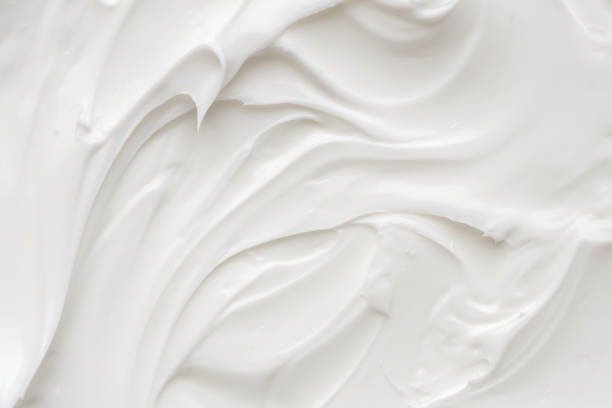
A fast-dry cream-gel feel (often silicone-protect direction); typical viscosity around 10,000–60,000 cps.
- Suitable for: apartment living, “no oily tracks” households, travel kits
- Key selling points: reduced transfer, quick absorb perception, easy carry
- Packaging/use tips: tube; must validate stability and micro controls for water-based systems
Which packaging options make sense for dog paw balm?
Choose packaging that stays clean in real life, resists leakage in bags, and makes dosing obvious for owners—because over-application is the fastest way to create “greasy floors” reviews.
Factors to align with your brand
- Application method:Tin/jar for classic wax balms and richer butter balms. Twist-up stick for “no finger dip” convenience and gifting. Tube for clean-finish creams and travel-friendly use
- Stability & protection:Heat resistance (summer shipping) and cold-start spread (winter use). Tight closures to prevent leakage and drying out. Mechanism reliability for sticks (no collapse, no cap cracks)
- Sustainability direction:PCR PET/PP jars where feasible. PCR caps/components where feasible. Simplified mono-material direction for easier recycling
- Label and artwork space:Clear dose rules (“pea-size per paw”). Simple routine: before walk / after walk / bedtime. Safety wording discipline (avoid disease claims)
- Channel needs:Amazon: leak resistance + melt control reduces returns. Retail: stick format and premium tactility support pricing. Subscription/DTC: clean carry and repeatable dosing reduce churn

Aluminum Tin (30–60g)
Classic paw wax/balm format; cost-efficient and travel friendly.

PP/PET Jar (50–100g)
Better scoop access for softer butter balms; more label space.

Squeeze Tube (50–100ml)
Best for clean-finish paw cream lanes.

PCR Options
Post-consumer recycled components where feasible.
What do brands most often ask about this dog paw balm?
Brands usually ask how to balance real barrier protection vs non-greasy finish, how to build a “lick-safer” positioning without irritation risks, how to stop melting/leaking in shipping, and how to keep claims safely away from animal-drug wording.
1. Is dog paw balm safe if dogs lick it?
- Use a “lick-safer” ingredient policy (no harsh irritants; controlled scent strategy)
- Design for staying power so licking doesn’t remove it instantly (film + dose rules)
- Provide simple instructions: thin layer, distract for 1–2 minutes after applying
2. How can greasy floors and oily paw prints be reduced?
- Reduce heavy oils and tune wax/finish for lower transfer
- Add clear dosing guidance (most mess comes from over-application)
- Offer a stick or tube format for cleaner use and better compliance
3. Why do some paw balms arrive melted or leak during shipping?
- Softening point and oil “sweating” must be validated under heat stress
- Closure/seal tests are critical for tins and jars in transit
- Packaging format choice (stick vs tin vs jar) should match climate lanes
4. What claims should be avoided to stay out of animal-drug territory?
- Avoid disease-language like “treat,” “cure,” “prevent infection,” or “heal wounds”
- Use comfort/barrier wording (moisturizes, softens, helps protect)
- Add “see a veterinarian” guidance for severe cracking/bleeding cases
5. Which format converts best: tin, jar, stick, or tube?
- Tin/jar works for classic wax balms; stick converts for convenience and gifting
- Tube fits clean-finish cream lanes and travel kits
- Best choice depends on owner routine, climate, and mess sensitivity
6. What are typical MOQs, lead times and cost drivers?
- Typical MOQ: 1,000–3,000 units per SKU, higher for custom sticks/molds
- Lead time depends on texture iterations (cold/heat performance) and packaging testing
- Cost drivers: packaging format, wax/butter quality, stability validation, and decoration
How will Zerun Cosmetic support private label dog paw balm projects?
- Our team will answer your inquiries within 12 hours.
- Your information will be kept strictly confidential.





Zerun supports dog paw balm brands with texture engineering for real-life use, stability-first packaging choices, and disciplined claim language—helping you launch a paw care hero that owners trust and repurchase.
We start from your reality:
- Your target routine (before-walk protection, after-walk softening, bedtime repair) and climates
- Your lane choice (barrier wax, soft butter balm, or clean-finish cream) and channel plan (Amazon, DTC, retail)
- Your fragrance/essential-oil policy, lick-safer positioning, and mess-control expectations
We co-develop formulas, formats and routines:
- Wax-balms, butter-balms, stick formats, and clean-finish tube formats for different owner behaviors
- Barrier systems tuned for spreadability in cold and stability in heat (anti-sweat, anti-grit)
- Simple use rules (dose size, warm-up, wait time) that reduce greasy-floor complaints
We help plan claims, tests and documentation:
- Comfort/barrier claim wording that avoids animal-drug territory and stays consistent across markets
- Stability checks (softening point, sweating, odor drift) and packaging leak/torque validation
- Label instructions that improve compliance and reduce return-driving misuse reviews
If you already have reference products or ideas, share:
- Links/photos of paw balms you like (finish, hardness, spread speed, packaging)
- Your “must avoid” issues (greasy tracks, melting/leaking, gritty wax, strong scent)
- Your target markets, initial volumes, and desired launch timing
Based on this, we can propose a clear dog paw balm development roadmap and sampling plan. Use the contact form, email or WhatsApp on this site to start your private label dog paw balm project with Zerun.