Skip to content
Private label dry scalp moisturizing shampoo: how can brands design an effective comfort & hydration hero product?
A successful dry scalp moisturizing shampoo gently removes build-up while soothing tight, itchy skin and replenishing moisture, so the scalp feels more comfortable and hair still feels light and clean.
Many “moisturizing” shampoos for dry scalp are either too harsh (sulfate-heavy bases that strip oils) or too rich (heavy conditioners that flatten fine hair and leave residue). Confusing “dry scalp” with classic dandruff, relying on medicinal smells and not explaining actives clearly often stops these shampoos from becoming true, repurchased hero products.
What are the key specifications of this custom dry scalp moisturizing shampoo?
You need to define whether you’re targeting simple dryness, dry + flaky scalp, mild dandruff-like concerns, hair types, “clean” standards and anti-dandruff actives (yes or no, and for which markets) before we start development.
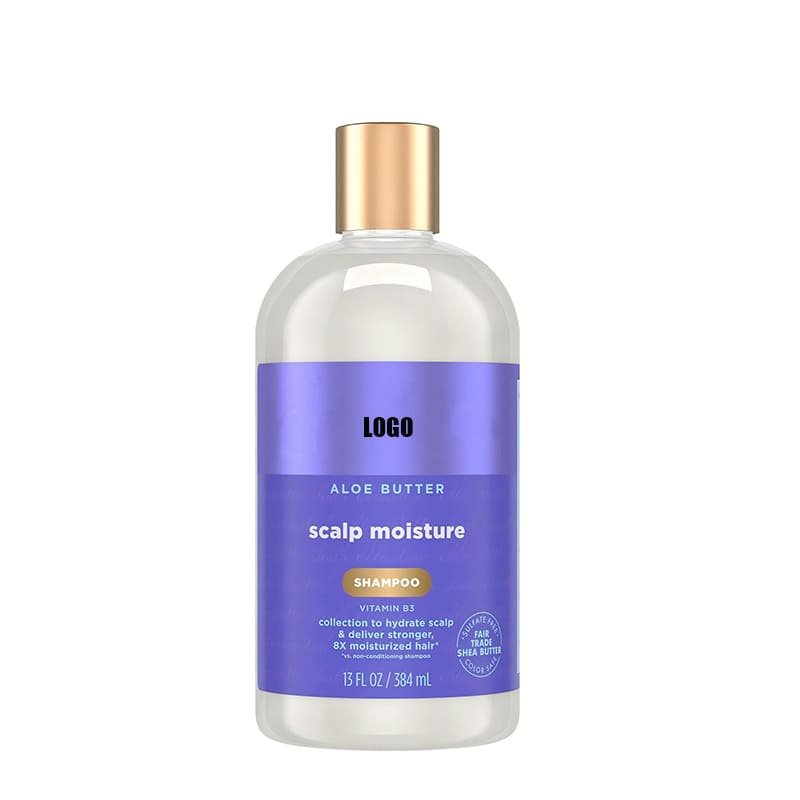
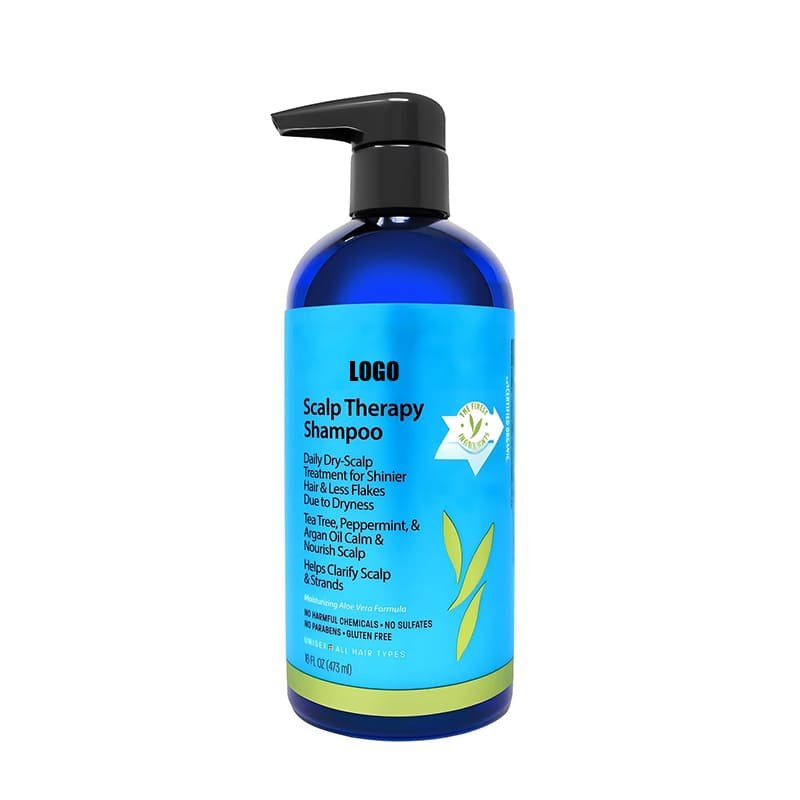
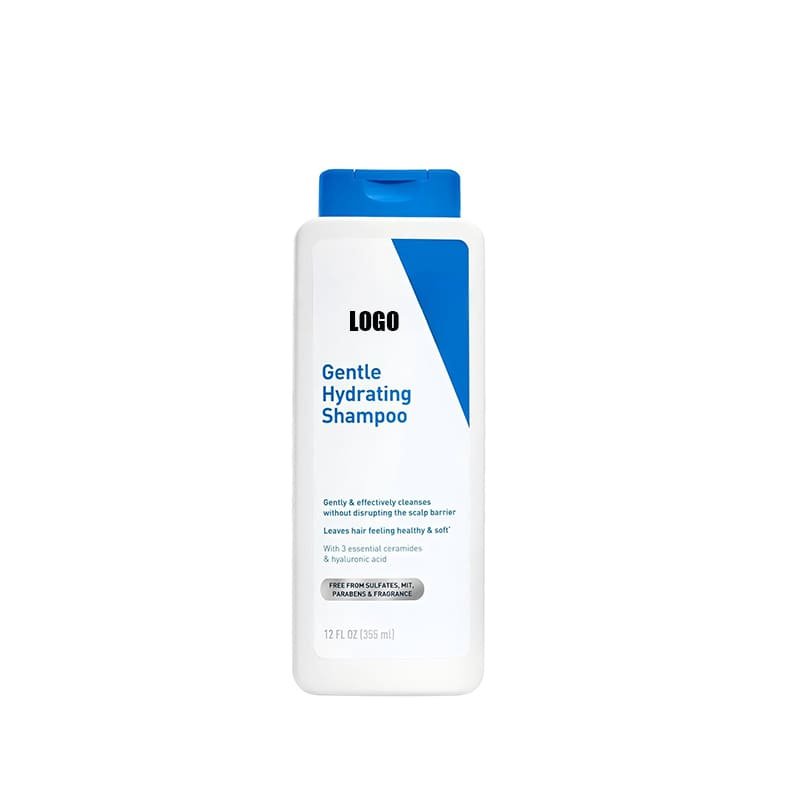
Spec / Parameter Card
| Field | Options / Recommendations |
|---|---|
| Core Formats | Daily moisturizing shampoo • Dry scalp & hair care shampoo • Co-wash / cream wash |
| Primary Focus | Dry/tight scalp comfort • reduced visible flaking look • itch relief feel • hair softness |
| Scalp Conditions | Simple dryness • dry + flaky • dry + itchy • post-colour dryness • mild seborrhoeic trends |
| Hair Types | Fine/flat • normal • thick/coarse • curly/coily • protective styles |
| Surfactant System | Sulfate-free (preferred) • low-sulfate • anionic + amphoteric blends |
| Moisture System | Glycerin, sorbitol, betaine, hyaluronic acid, polyols, conditioning esters, light oils |
| Soothing Actives | Panthenol, aloe, oat derivatives, bisabolol, allantoin, beta-glucan, centella, etc. |
| Anti-Flake / Anti-Dandruff Options | Salicylic acid, piroctone olamine, climbazole, etc., tuned by market rules |
| Zinc Pyrithione Policy | Allowed in some non-EU markets; banned in EU/UK cosmetics since 1 March 2022 (CIRS Group) |
| pH Window | Typically 4.5–5.8 for scalp comfort and colour care |
| “Clean” / Sensitive Options | Sulfate-free • silicone-free • fragrance-free • allergen-reduced • vegan |
| Colour & Treatment Safety | Colour-safe and keratin-safe options on request |
| Aftercare System | Matching dry scalp conditioner, scalp serum, mask or tonic |
| Stability & QC | Stability, micro, viscosity, foaming, colour/odour, packaging compatibility |
| Docs | COA, SDS, micro & stability data; cosmetic safety file inputs |
| Sampling & Lead Time | Existing bases: lab samples in days; new actives/testing programs discussed per project |
| Typical MOQ | ~1,500–3,000 pcs/SKU, higher for fully custom packaging |
More Private Label Products
Private Label Anti Aging Serum →
Private Label Dark Spot Corrector→
Private Label Brightening Face Mask→
Private Label Brightening Serum→
Private Label Whitening Cream→
Private Label Even Tone Correcting Serum→
Private Label Under Eye Corrector→
Private Label Dark Spot Toner→
Which customers and channels is this dry scalp moisturizing shampoo for?
Dry scalp moisturizing shampoos primarily target users whose scalp feels tight, itchy, flaky or dehydrated, but who still expect a “proper shampoo” feel with good foam and clean hair—across mass, derm/pharmacy, salon and e-commerce channels.
Different dry scalp scenarios need different surfactant strength, moisture levels and soothing stacks. This tab shows how we tune cleansing, humectants and actives so each user gets comfort without residue or stripped hair.
Simple Dry, Tight Scalp (Minimal Flakes)
- Formula focus: Gentle cleansing + hydration + soothing.
- Core stack: Sulfate-free surfactants, glycerin, hyaluronic acid, panthenol, aloe.
- Notes: “Comfort & moisture” narrative; ideal for heater/AC seasons and post-colour dryness.
- Micro-CTA: Design a Daily Dry Scalp Comfort Shampoo
Dry Scalp with Loose Flakes (Cosmetic Flakiness)
- Formula focus: Hydrating cleanse + mild keratolytic for flake lift-off.
- Core stack: Mild surfactants, glycerin, salicylic acid or PHA, panthenol, soothing botanicals.
- Notes: Focus on visible flake reduction look without harsh medicated branding.
- Micro-CTA: Create a Flake-Reducing Moisturizing Shampoo
Dry & Itchy Scalp in Curls/Coils
- Formula focus: Extra slip, scalp comfort and curl-safe moisture.
- Core stack: Gentle surfactants, glycerin, betaine, oils/butters at tuned level, aloe, oat, bisabolol.
- Notes: “Scalp comfort + curl-friendly moisture” message for textured hair communities.
- Micro-CTA: Build a Curl-Safe Dry Scalp Shampoo
Sensitive or Reactive Scalp (Fragrance-Free)
- Formula focus: Minimalist INCI, barrier support, ultra-gentle surfactants.
- Core stack: Sulfate-free system, ceramides/ceramide-like lipids, niacinamide, panthenol, no fragrance.
- Notes: Ideal for derm, pharmacy and “eczema-prone” audiences (claims adapted by market).
- Micro-CTA: Launch a Fragrance-Free Dry Scalp Shampoo
Combination Scalp (Oily Roots, Dry Patches)
- Formula focus: Balanced cleansing with targeted moisture.
- Core stack: Mild but effective surfactants, light humectants, light conditioning esters, niacinamide, zinc PCA.
- Notes: “Balances oily roots and dry scalp” storyline for urban/oily markets.
- Micro-CTA: Offer a Balancing Dry Scalp & Oily Root Shampoo
Dry scalp issues show up differently for teens over-washing, styling-heavy 20s–30s, and 40+ users with thinning or hormonal dryness. We adapt cleansing strength, moisture levels and fragrance to fit real routines.
Teens & Early 20s – Over-Washing & Harsh Products
- Routine focus: Relief from dryness caused by daily washing and strong shampoos.
- Format cues: Fresh, light, foamy shampoo that still feels “properly clean”.
- Notes: Education on not over-stripping and pairing with lightweight conditioner.
20s–30s – Urban, Colour & Styling Stress
- Routine focus: Comfort for scalp stressed by colour, dry shampoo and styling.
- Format cues: Sulfate-free, hydrating shampoo plus scalp-friendly marketing.
- Notes: Anti-pollution and microbiome-friendly angles can work well.
30s–40s – Busy Schedules, Regular Colour & Heat
- Routine focus: Less tightness, fewer flakes, hair that still looks polished.
- Format cues: Slightly richer, creamy shampoo with “care + hydration” message.
- Notes: Good bridge between salon-quality and at-home convenience.
40s–60s – Hormonal Dryness & Thinning
- Routine focus: Gentle cleansing, comfort, scalp barrier support.
- Format cues: Softer fragrance, creamy texture, easy-to-rinse formula.
- Notes: Works well with “scalp-first anti-aging” or density-support lines (claims adapted carefully).
60s+ – Very Dry, Fragile Hair & Scalp
- Routine focus: Maximum comfort, minimal friction.
- Format cues: Ultra-gentle surfactant system, rich but non-greasy lather.
- Notes: Larger fonts, simple instructions, non-slippery bottle ergonomics.
What can top-selling dry scalp shampoos teach your formula design?
Top-sellers show that clear problem–solution framing (“dry scalp”, “flakes”, “itch”) plus visible moisturizing and soothing ingredients matters more than simply printing “hydrating” on a standard base. Many leading products combine humectants, soothing botanicals and, where allowed, anti-dandruff actives into credible comfort stories across mass, derm and prestige channels.
| Brand / Product | Core Actives / System (typical) | Format / Texture | Strengths – What to Learn | Gaps / Considerations for Your Brand |
|---|---|---|---|---|
| Selsun Blue Moisturizing Anti-Dandruff Shampoo | Selenium sulfide as anti-dandruff active, plus moisturizers in a rich lather base for dry, flaky scalps. | Classic medicated blue shampoo with strong foam. | Shows how a medicated, affordable product can own “dry scalp + flakes + itch” at mass level. Clear “moisturizing antidandruff” naming is very direct. | Strongly “medicated”; scent and INCI may feel too clinical for “clean” or premium natural lines. Position your OEM version with softer fragrance and more cosmetic language where needed. |
| Head & Shoulders Dry Scalp Care / DermaCare Scalp | Pyrithione zinc anti-dandruff system (outside EU/UK) plus moisturizers like almond or coconut oil; rich, creamy lather for dry, itchy scalps. | Creamy, high-foam shampoo; very familiar sensorial. | Excellent example of “everyday anti-dandruff + moisture” with huge review volume and trust; proves that dry scalp users accept actives when positioned gently. | Zinc pyrithione is banned in EU/UK cosmetics, so this exact active system cannot be copied for those markets; you’ll need alternative actives and different claims there. |
| Neutrogena Healthy Scalp Hydro Boost Moisturizing Shampoo | Hyaluronic acid and glycerin in a pH-balanced, sulfate-free system for dry hair and scalp; “Hydro Boost” hydration branding. | Light, gel-like shampoo with fresh sensorial. | Great template for “hydrating, skincare-inspired” dry scalp shampoo that still feels cosmetic, not medicated; strong ingredient recognition (HA). | Focuses more on hydration than anti-flake; if you copy this route, decide whether you want visible flake reduction or just comfort. |
| CeraVe Gentle Hydrating Shampoo | Ceramides, niacinamide, hyaluronic acid in a sulfate-free, fragrance-free base; targets dry hair and scalp, sensitive skin and eczema-prone users. | Creamy yet light shampoo, minimal fragrance. | Shows demand for derm-style, barrier-support dry scalp shampoos with ceramides and HA, especially for pharmacy and sensitive-skin channels. | Very minimalist sensorial; if your brand is more beauty-driven, you may want more fragrance and sensorials while keeping a “derm-inspired” active stack. |
| Bondi Boost Heavenly Hydration Shampoo | Aloe, Aquaxyl, sodium hyaluronate and other hydrating ingredients for dry scalp and hair; strong focus on hydration and build-up removal. | Rich but foamy liquid; modern, Instagram-ready look. | A good reference for hydrating, social-first brands that talk about dry scalp in a more lifestyle way (coconut cream, glossy visuals). | May weigh down very fine hair; if you’re targeting fine/limp hair, adjust oil level and conditioning. |
| Maria Nila Head & Hair Heal Shampoo | Soothing aloe + antifungal piroctone olamine for itchy, dry scalps and dandruff, in a vegan, colour-safe system with a non-medicinal scent. | Soft, creamy shampoo with premium salon/vegan positioning. | Excellent blueprint for “vegan, colour-safe anti-dandruff & dry scalp care” with pleasant fragrance and high-end branding. | Piroctone olamine is still an active and carries regulatory limits; testing and claims must be aligned to each target market. |
Custom Funtion Formula for your brand? You can review hair function formulation pages:
Custom Hair Moisturizer Formulations→,Custom Hair Nourishing Formulations→, Custom Hair Strengthening Formulations→,Custom Hair Damage Repair Formulations→,
Dry Scalp Moisturizing Shampoo Finish Products you may want to reference:
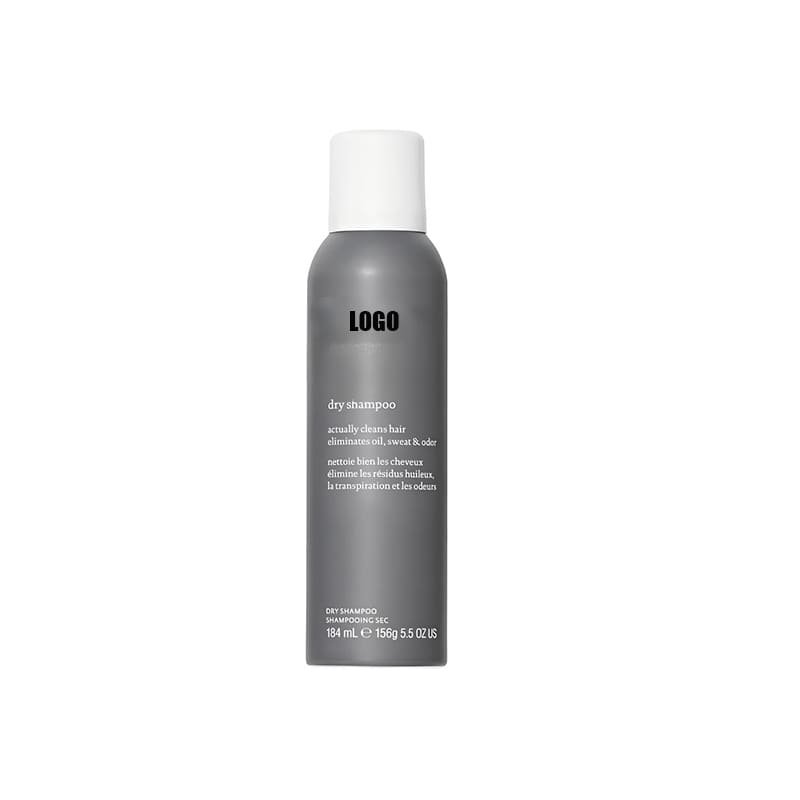
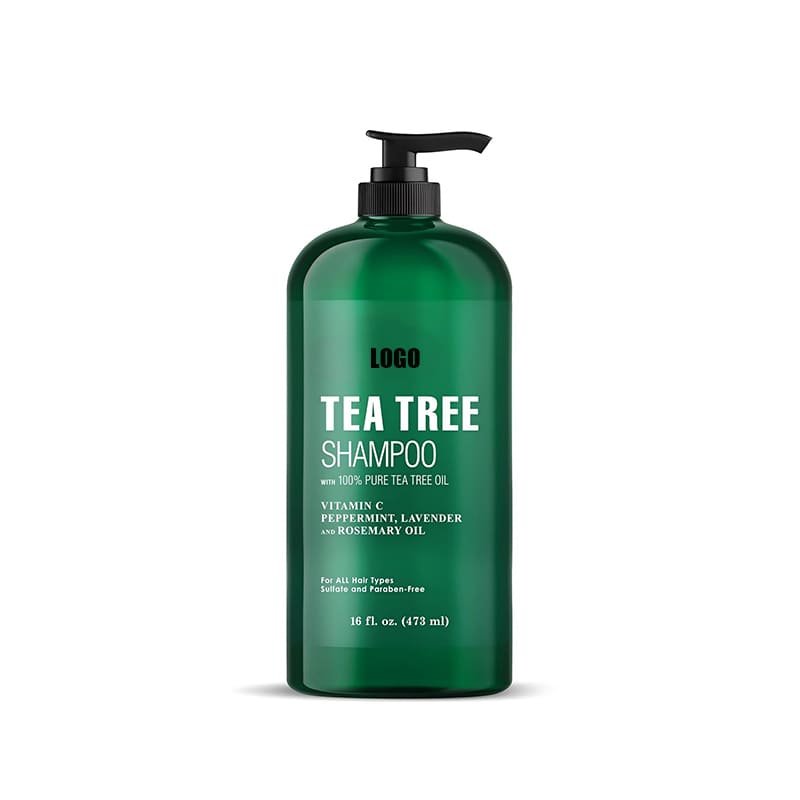
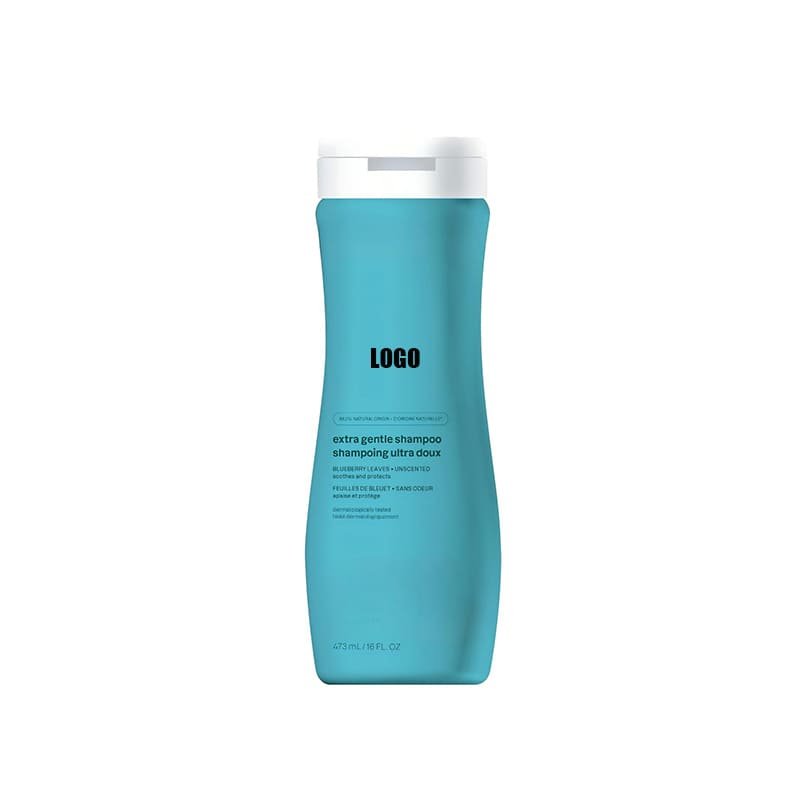
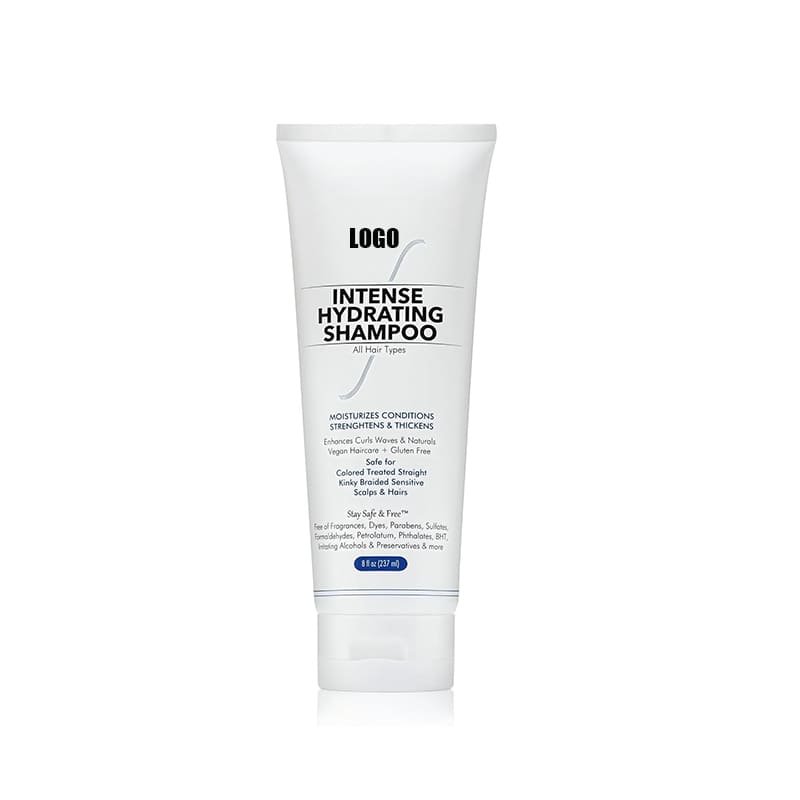
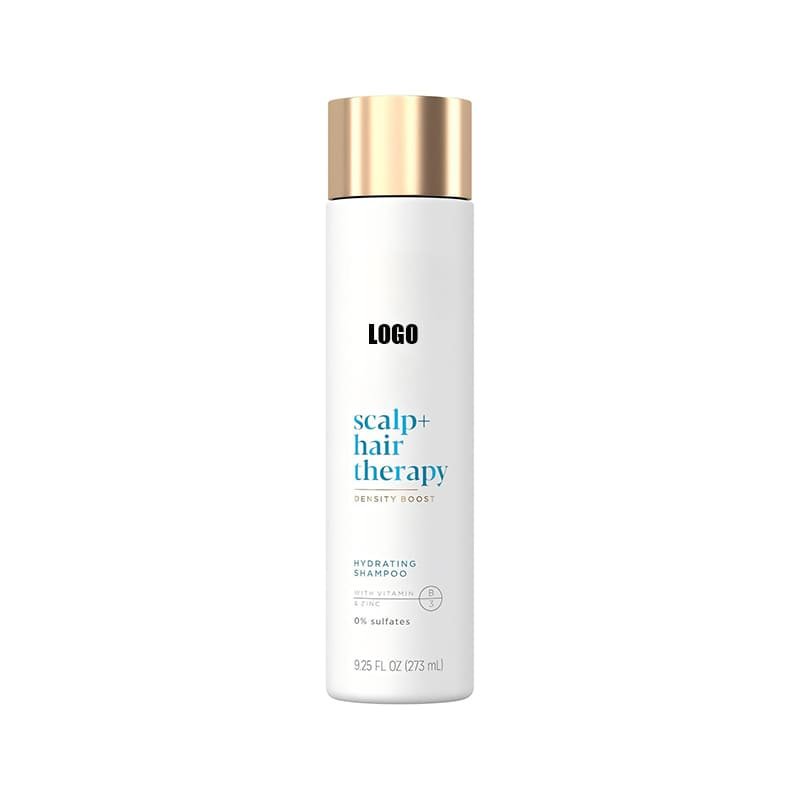
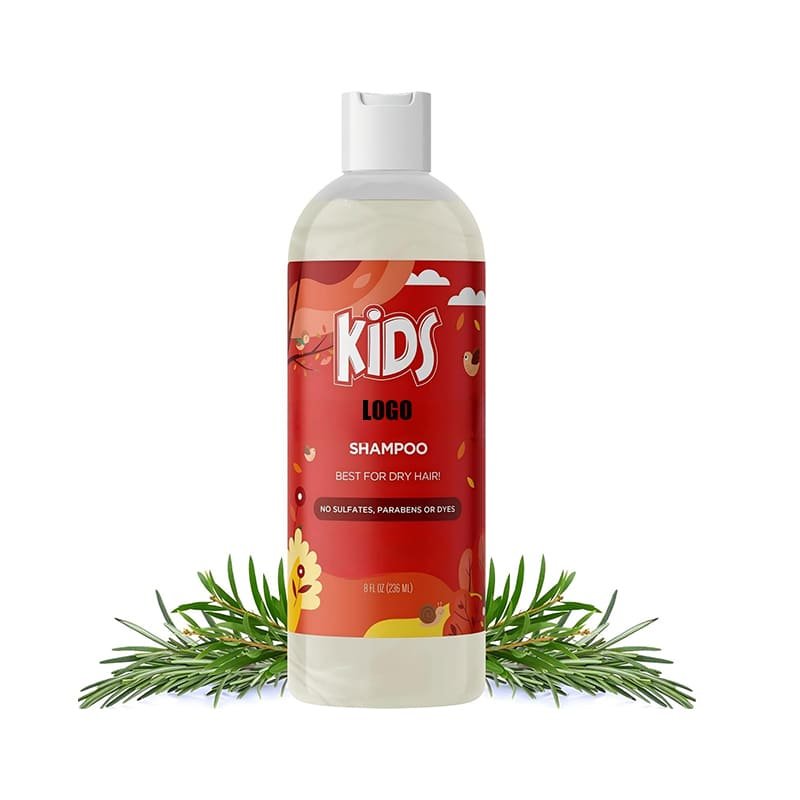
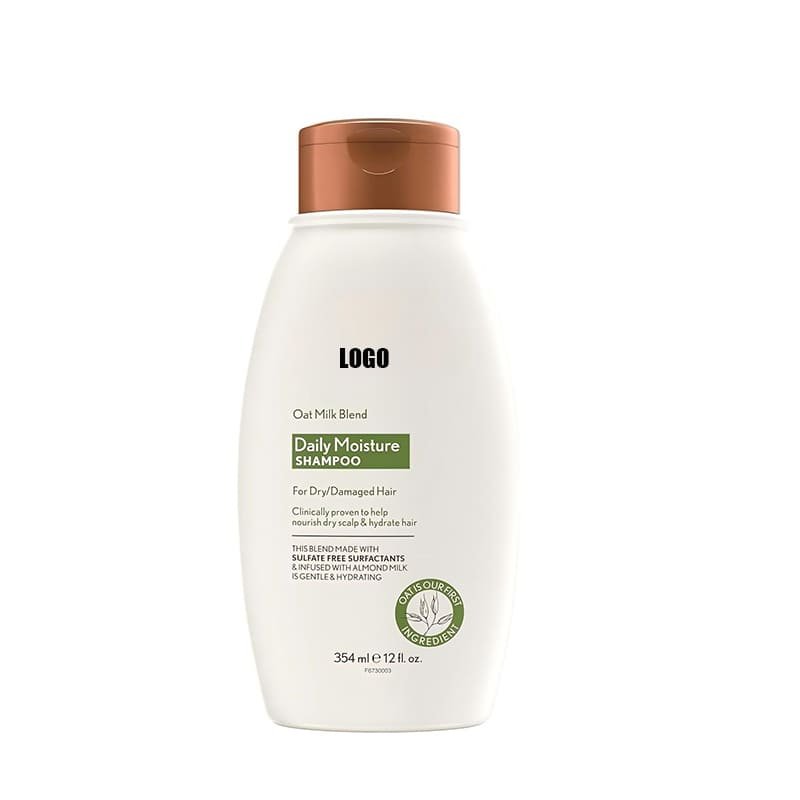
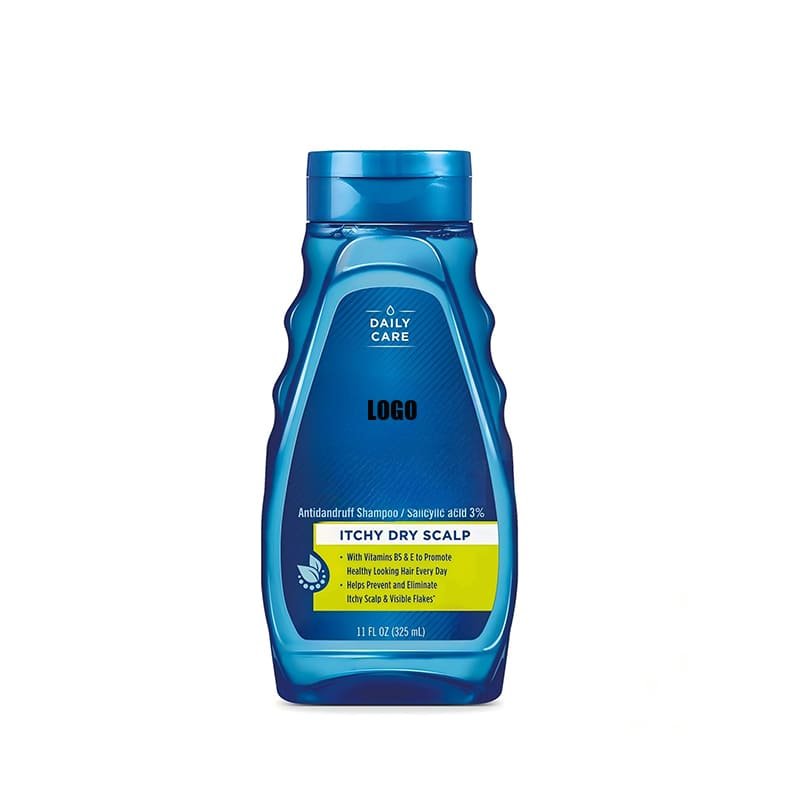
Make A Sample First?
If you have your own formula, packaging idea, logo artwork, or even just a concept, please share the details of your project requirements, including preferred product type, ingredients, scent, and customization needs. We’re excited to help you bring your personal care product ideas to life through our sample development process.
How should you design the formula and active stack for dry scalp moisturizing shampoo?
You start by defining the type of dryness and flaking, then choose surfactant and moisture systems, decide on anti-dandruff actives by region, balance foam and conditioning, and finally align your claims with realistic test-backed benefits.
Step 1 – Define your main comfort & care goals
- Is the priority tightness relief, visible flake reduction, itch comfort, or all three?
- Are you targeting simple seasonal dryness, post-colour dryness, or chronic dry + flaky scalp?
- Do you want a cosmetic “comfort & moisture” shampoo, a mild anti-flake shampoo, or a derm-style active product?
Step 2 – Choose surfactant base, moisture system and (optional) anti-dandruff actives
- Surfactant & base design: Sulfate-free or low-sulfate blends (e.g. ALS/SLES + amphoteric) tuned for gentle but effective cleansing. Foam profile adjusted so users still feel “properly washed” even with milder systems. pH around 4.5–5.5 for scalp comfort and colour care.
- Moisturizing & barrier-support stack: Humectants: glycerin, sorbitol, betaine, hyaluronic acid to draw water into scalp and hair. Barrier support: ceramides/ceramide-like lipids, cholesterol, niacinamide, mild occlusives in low levels. Conditioning esters, light oils and cationic polymers tuned by hair type (fine vs coarse, straight vs curly).
- Soothing & anti-itch support: Panthenol, allantoin, bisabolol, oat derivatives, aloe, centella and beta-glucan for calm-feel support. Fragrance level and type carefully chosen to avoid irritation (allergen-managed or fragrance-free variants).
- Anti-flake / anti-dandruff options (by market): Keratolytics like salicylic acid or gentle acids for lifting dry flakes. Anti-fungal/anti-dandruff actives like piroctone olamine or climbazole within regional limits. Zinc pyrithione is no longer allowed in EU/UK cosmetics and must be avoided for those markets; it may still be used in some other regions depending on local regulations.
Step 3 – Balance cleansing performance with hair feel and routine reality
- Avoid a base that over-cleanses and worsens dryness, especially for daily-use concepts.
- Ensure hair still feels soft, detangled and not waxy, so users don’t blame the shampoo for rough lengths.
- Design for realistic routines: many users will skip scalp tonics, so the shampoo must do more of the comfort work.
- Tailor foam, fragrance and “slip” to channel: salon and derm/pharmacy audiences expect different sensorial cues.
Step 4 – Check stability, compatibility and claims
- Confirm viscosity, foam, phase stability and fragrance stability under various temperatures.
- Test compatibility with typical conditioners, masks, leave-ins and scalp treatments in your range.
- Align language such as “helps relieve dry, tight scalp”, “helps reduce visible flakes”, “gently cleanses without over-drying” to what your formula and any tests can actually support.
- Ensure documentation supports market entry in EU/UK, US, GCC and other export regions, especially when using anti-dandruff actives or “derm”-style claims.

| Active / System | Key Features | Suitable Uses / Hair Types | Recommended Combinations | Suggested Packaging |
|---|---|---|---|---|
| Mild Surfactant System | Cleansing without over-stripping | All; especially dry, colour-treated, curly/coily | With humectants + light conditioners | Bottles, pumps |
| Glycerin & Polyols | Core hydration, reduces tight feel | All dry scalp types | With HA, betaine, panthenol | All formats |
| Hyaluronic Acid (HA) | Scalp and hair hydration marketing hook | Dry/tight scalp, post-colour users | With glycerin + soothing botanicals | “Hydro” or derm-style ranges |
| Betaine & Amino Acids | Osmotic balance and mild conditioning | Fine hair needing moisture without weight | With mild surfactants + light esters | Daily shampoos |
| Ceramides / Ceramide-like | Barrier support and comfort story | Sensitive, eczema-prone, mature scalps | With niacinamide + HA + fragrance-free bases | Derm/pharmacy SKUs |
| Panthenol | Humectant + soothing feel + shine | All, especially dry lengths | With glycerin + conditioning polymers | All formats |
| Aloe, Oat, Centella, etc. | Botanicals for calm, comfort and marketing appeal | Itchy, flaky, seasonally dry scalps | With humectants + mild surfactants | Mass to premium |
| Salicylic Acid / Mild Acids | Gentle exfoliation, flake lift-off | Dry + flaky, product build-up | With glycerin + soothing stack | Anti-flake subline |
| Piroctone Olamine / Climbazole | Anti-dandruff/anti-fungal support | Dry scalp with dandruff-like symptoms | With moisturizers + soothing agents | Where legally allowed |
| Fragrance / Allergen-Control | Comforting signature vs. fragrance-free for sensitives | All; tuned by market and channel | With allergen management or fragrance-free labelling | All packaging types |
Which textures work best for dry scalp moisturizing shampoo?
The best dry scalp moisturizing shampoos feel rich enough to reassure dry scalps, yet rinse clean so hair stays light and not coated.
Considerations by market and user
- Climate: Hot / humid: slightly lighter textures; avoid heavy oils that combine with sweat/humidity. Cold / dry: richer, creamier shampoos with more humectants and conditioning.
- Hair type & styling: Fine/straight: lighter gel textures, lower conditioning load. Thick/coarse/curly: creamier systems with extra slip and conditioning polymers. High styling/dry shampoo usage: stronger build-up removal paired with soothing actives.
- Channel: Amazon / e-commerce: big texture macros (gel vs cream), clear “dry scalp” icons and simple routine graphics. Derm / pharmacy: clinical-feeling textures; fragrance-free or low-allergen options with strong active stories. Salon / professional: more luxurious textures with clear pairing to treatments and scalp rituals.
Light, gel-like hydrating shampoo
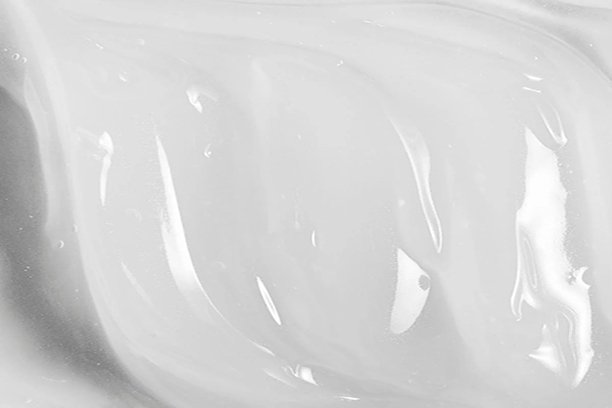
A clear or lightly tinted gel that foams well but uses mild surfactants and humectants.
- Ideal for fine to normal hair and daily use.
- Communicates “fresh but gentle”, good for unisex and mass markets.
- Works in standard bottles or pumps.
Creamy, comfort-focused moisturizing shampoo
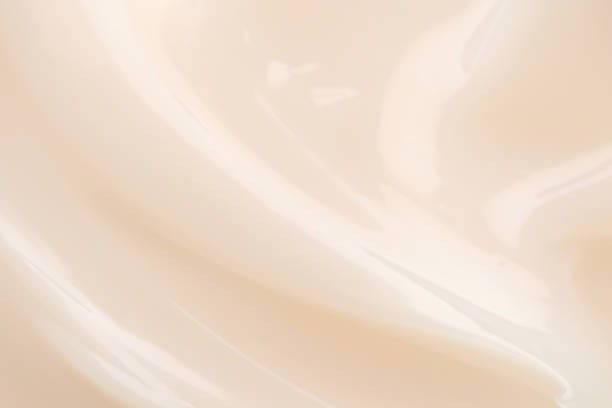
A soft, creamy liquid that feels closer to a light conditioner while still cleansing.
- Great for very dry scalps, colour-treated hair and colder climates.
- Pairs well with “derm” or “pharmacy” narratives and richer care lines.
- Well suited to bottles or soft-touch pumps.
Co-wash / cream-wash texture
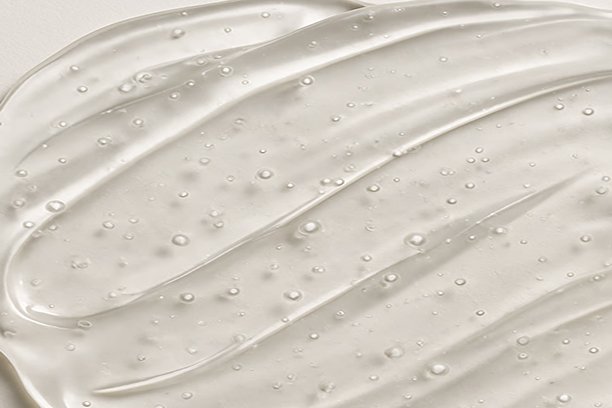
A low-foam cream cleanser focused on moisture and slip.
- Good for curls/coils and highly fragile hair that cannot tolerate strong cleansing.
- Works best as part of a curl or textured-hair system.
- Often positioned in tubes or wider pumps for in-shower use.
Which packaging options make sense for dry scalp moisturizing shampoo?
Choose packaging that communicates care and comfort, works safely in the shower and leaves enough space to explain scalp benefits, actives and usage.
Factors to align with your brand
- Application & ergonomics: Standard bottles with flip-top caps for family use and mass channels. Pump bottles for premium, derm and salon lines (easier one-hand use in shower). Travel minis and sample sachets for try-before-commit strategies.
- Stability & protection: Resin compatibility with surfactants, humectants and any actives. Reliable closure and leak testing for e-commerce and export shipping. Opaque or tinted packs for light-sensitive actives or natural colourants.
- Sustainability direction: PCR PET/HDPE bottles and pumps where possible. Refill pouches paired with durable, branded bottles for long-term users. Mono-material components to simplify recycling narratives.
- Label and artwork space: Room for “dry scalp moisturizing shampoo”, key actives (HA, ceramides, aloe, etc.), and usage guidance. Icons for “sulfate-free”, “fragrance-free”, “dermatologist tested”, “vegan” where appropriate. Multi-language layouts and QR codes linking to scalp education content.

Standard Bottle (250–400ml)
Ideal for mass, Amazon and retail; easy shelf blocking.

Pump Bottle (250–500ml)
For professional scalp treatments and in-salon rituals.

PCR Options
Post-consumer recycled options to support sustainability storytelling.
What do brands most often ask about this dry scalp moisturizing shampoo?
Brands usually ask how to balance moisture vs cleansing, whether to include anti-dandruff actives, how “medicated” it should feel, and how to keep hair from going flat or greasy.
1. What’s the difference between a dry scalp moisturizing shampoo and a dandruff shampoo?
- Dry scalp shampoos focus on hydration, comfort and mild flake reduction, often with humectants + soothing actives.
- Classic dandruff shampoos centre on fungal control actives and stronger anti-flake claims.
- We can build hybrid concepts, but we’ll align actives and claims with your target markets and regulations.
2. Should we include anti-dandruff actives or stay purely cosmetic?
- Anti-dandruff actives can make sense if flakes and itch are strong purchase drivers.
- For “beauty first” or EU-focused ranges, a cosmetic comfort + mild exfoliation angle may be safer and more flexible.
- We can design tiered SKUs: one cosmetic moisturizing shampoo, one stronger anti-flake formula for markets that allow it.
3. Will a moisturizing shampoo make hair flat or greasy?
- Not if we tune surfactants, conditioning level and oils correctly for the hair type.
- Fine-hair versions use lighter conditioners and humectants, not heavy oils.
- We also design routines (how much to use, how often, how to rinse) and communicate them clearly on pack.
4. How often can consumers use a dry scalp moisturizing shampoo?
- Many formulas are designed for daily or near-daily use.
- For stronger active or exfoliating formulas, we may recommend 2–3x per week and pair with a gentle in-between shampoo.
- We help you craft simple frequency guidance that fits your markets’ habits.
5. Do we need fragrance-free and sensitive variants?
- Not every range needs them, but pharmacy, derm and certain online communities expect fragrance-free options.
- We can keep the same base and adjust fragrance/allergen profile for a “Sensitive / Fragrance-Free” SKU.
- Labelling (“fragrance-free”, “hypoallergenic”, etc.) is aligned with actual formula and market rules.
6.What are typical MOQs, lead times and main cost drivers?
- MOQs usually start around 1,000–3,000 units per SKU, higher for custom moulds and pumps.
- Lead times depend on actives, fragrance development, testing scope and packaging supply.
- Main cost drivers: surfactant system, active stack (HA, ceramides, anti-dandruff), fragrance, and packaging format/size.
How will Zerun Cosmetic support private label dry scalp moisturizing shampoo projects?
- Our team will answer your inquiries within 12 hours.
- Your information will be kept strictly confidential.





Zerun supports scalp-care and hair-care brands with gentle, well-balanced dry scalp moisturizing shampoos that feel good to use, respect regulations and fit modern “skinification of scalp” storytelling.
We start from your reality:
- Your target users (seasonally dry scalp, textured hair, colour-treated, sensitive skin, men’s grooming…) and main markets.
- Your channels (Amazon/e-commerce, derm/pharmacy, salon, retail) and price tiers.
- Your stance on sulfates, silicones, fragrance, “clean beauty”, vegan and anti-dandruff actives.
We co-develop formulas, formats and routines:
- Dry scalp moisturizing shampoos in gel, creamy and co-wash textures, tuned to climate and hair type.
- Active stacks combining humectants, barrier-support actives, soothing botanicals and, where appropriate, anti-flake actives.
- Matching conditioners, scalp masks, serums and tonics so you can build complete “scalp comfort” routines.
We help plan claims, tests and documentation:
- Claims like “helps relieve dry, tight scalp”, “helps reduce visible flakes”, “gently cleanses without over-drying”, aligned with your risk appetite.
- Options for instrumental and perception testing on comfort, flake appearance and hair feel.
- Support with INCI layout, on-pack wording and technical documentation for EU/UK, US, GCC and more.
We think in routines, not single SKUs:
- Dry scalp moisturizing shampoos that anchor simple weekly or daily care rituals, not one-off fixes.
- Tiered offerings (daily gentle shampoo, active anti-flake shampoo, scalp tonic) for different segments and price points.
- Portfolio architecture optimised for SEO, AI recommendations, bundles and in-store or online navigation.
If you already have reference products or ideas, share:
- Links or photos of dry scalp shampoos you like (texture, scent, bottle, claims).
- Your target consumers, priority scalp issues and destination markets.
- Your initial volume expectations and desired launch timing.
Based on this, we can propose a clear dry scalp moisturizing shampoo development roadmap and sampling plan. Use the contact form, email or WhatsApp on this site to start your private label dry scalp moisturizing shampoo project with Zerun.