Skip to content
Private label hair protein treatment: how can brands design an effective repair & strength-support hero product?
A successful hair protein treatment helps damaged hair feel stronger, smoother and more resilient, without making it stiff, brittle or overloaded. It should fit into real washday routines and show visible improvement after just a few uses.
Many “protein” products are either too weak to make a difference, or so strong and frequent-use that they lead to dryness, breakage or “hay-like” hair. Poor choice of protein type, level, texture and usage guidance often stops hair protein treatments from becoming a trusted hero in damage-repair ranges.
GMP/ISO • EU/US compliant docs • Samples in 3–7 days • MOQ from 1,000 pcs
What are the key specifications of this custom hair protein treatment?
You need to define damage level, hair types, protein vs moisture balance, leave-in vs rinse-out format, frequency of use and claim boundaries before we start development.
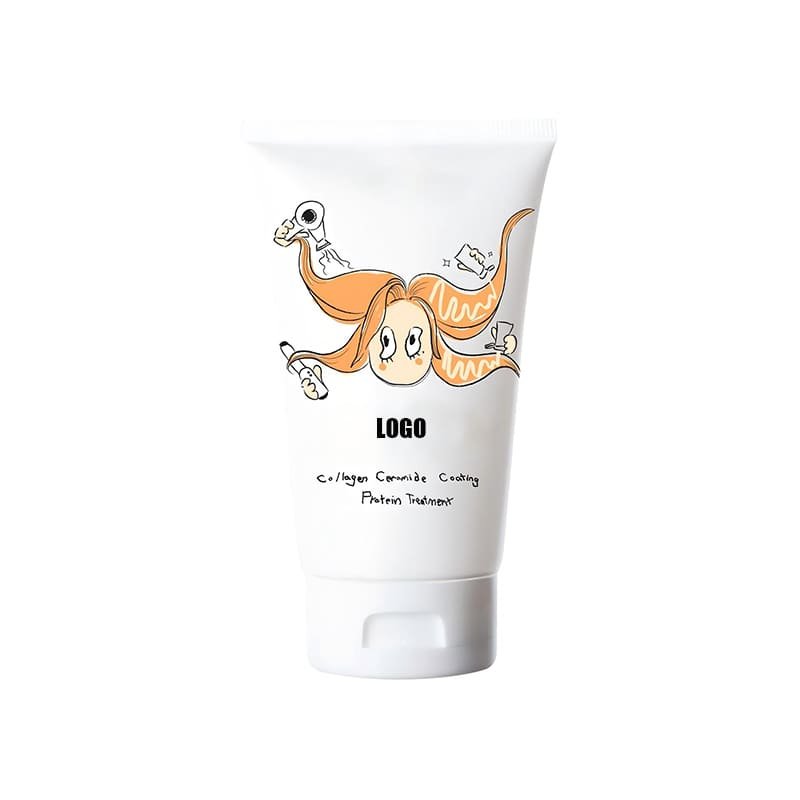
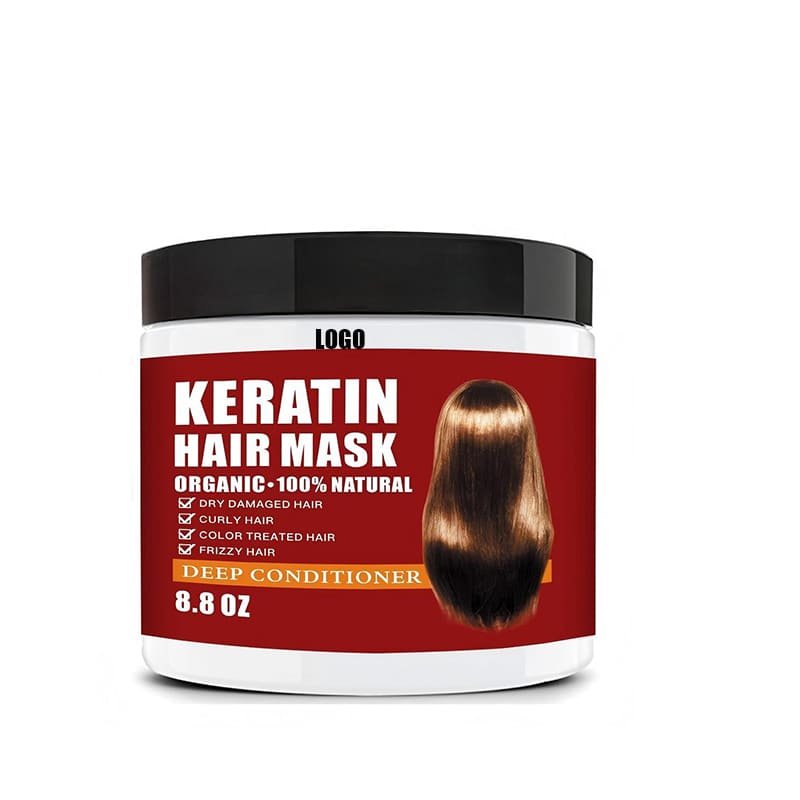
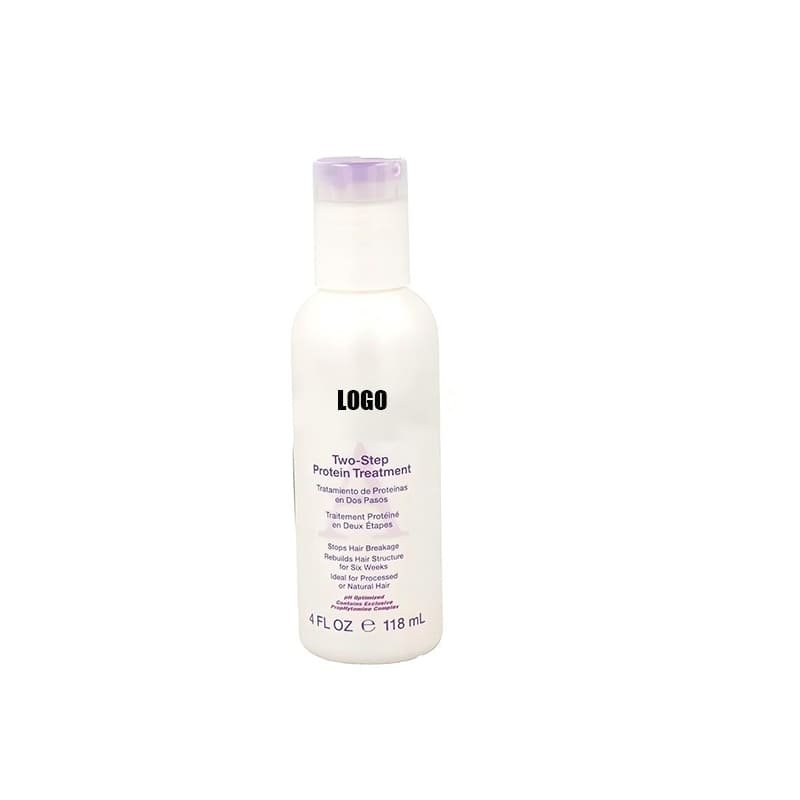
Spec / Parameter Card
| Field | Options / Recommendations |
|---|---|
| Core Formats | Rinse-out protein mask • Pre-shampoo treatment • Leave-in strengthening treatment • 2-step intensive salon-style treatment |
| Target Damage Levels | Mild styling damage • coloured hair • heavily bleached/relaxed • extremely compromised “SOS” hair |
| Hair Types | Fine/thin • medium • thick/coarse • straight/wavy • curly/coily • relaxed/chemically treated |
| Protein System | Hydrolysed keratin, wheat, soy, corn, silk, rice, pea proteins; bond-building actives; amino acids |
| Moisture & Lipid Balance | Humectants (glycerin, panthenol), emollients and oils to prevent stiffness |
| Claim Focus | Strengthening • breakage reduction • improved manageability • smoother feel • elasticity support |
| Use Frequency | Weekly • every 2 weeks • monthly intensive • professional 6-week programs (for very strong treatments) |
| Format Positioning | “Hair protein treatment”, “bond builder”, “strength & repair mask”, “deep conditioning + protein” |
| pH Window | Typically 3.5–5.5 depending on format and protein stack |
| “Clean” Positioning | Silicone-free • sulphate-free (for in-shower formats) • microplastic-free • vegan options |
| Scalp Contact | Lengths-only focus or scalp-safe, depending on formula and market |
| Compatibility | Designed to work with existing shampoos and conditioners; curl-friendly options on request |
| Stability & QC | Stability, micro, viscosity, phase stability, combability and sensory tests |
| Docs | COA, SDS, micro & stability data; support for cosmetic safety file |
| Sampling & Lead Time | Existing bases: lab samples in days; new systems depend on proteins, tests and markets |
| Typical MOQ | ~1,500–3,000 pcs/SKU for tubs/tubes; higher for ampoules or specialist packaging |
More Private Label Products
Private Label Anti Aging Serum →
Private Label Dark Spot Corrector→
Private Label Brightening Face Mask→
Private Label Brightening Serum→
Private Label Whitening Cream→
Private Label Even Tone Correcting Serum→
Private Label Under Eye Corrector→
Private Label Dark Spot Toner→
Which customers and channels is this hair protein treatment for?
Hair protein treatments primarily target users with damaged, coloured, bleached, relaxed or high-heat-styled hair who want stronger, smoother strands—across salon, pro retail, e-commerce and “treatment-focused” ranges.
Different hair and damage levels need very different protein intensity and textures. This tab shows how we tune protein type, level and moisture balance so each segment feels stronger, not brittle or coated.
Lightly Damaged / Colour-Treated Hair
- Formula focus: Gentle protein + moisture balance.
- Core stack: Hydrolysed plant proteins, panthenol, lightweight conditioners.
- Notes: Weekly mask for coloured hair that feels dry at ends.
- Micro-CTA: Design a Colour-Safe Hair Protein Repair Mask
Bleached & Highlighted Hair
- Formula focus: Stronger repair with good slip and anti-snap support.
- Core stack: Hydrolysed keratin + amino acids + lipids.
- Notes: Pre-shampoo or post-shampoo hair protein treatment for lightened hair.
- Micro-CTA: Create a Bleach Repair Hair Protein Treatment
Relaxed / Chemically Straightened Hair
- Formula focus: Strength + flexibility and reduced breakage.
- Core stack: Keratin/soy proteins, ceramide-like lipids, humectants.
- Notes: Supports salon relaxer programs and home maintenance.
- Micro-CTA: Build a Hair Protein Treatment for Relaxed Hair
Curly & Coily Hair (Heat / Colour Damage)
- Formula focus: Curl-safe protein plus deep moisture.
- Core stack: Hydrolysed wheat/pea proteins, butters, oils, humectants.
- Notes: Balances strength with softness so curls stay springy.
- Micro-CTA: Launch a Curl-Friendly Hair Protein & Moisture Mask
Severely Damaged / “SOS” Hair
- Formula focus: Intensive, lower-frequency treatment.
- Core stack: Higher protein, bond-building actives, protective lipids.
- Notes: Strict usage guidance (e.g. every 4–6 weeks).
- Micro-CTA: Offer an Intensive Professional Hair Protein Treatment
Hair protein treatments show up differently in teen curl care, 20s–30s colour journeys and 40+ density concerns. We adapt strength, format and education so each age group can actually use it correctly.
Teens & Early 20s – First Colour & Heat Styling
- Routine focus: Simple, TikTok-friendly repair step.
- Format cues: Easy rinse-out mask, clear “once a week” message.
- Notes: Gentle protein and moisture, fun fragrance and visuals.
20s–30s – Frequent Colour & Bleach
- Routine focus: Regular home repair between salon visits.
- Format cues: Pre-shampoo treatment or mask used weekly.
- Notes: Strength-focused with bond-building story and clear frequency.
30s–40s – Busy Schedules & Ongoing Damage
- Routine focus: Reliable repair with minimal extra steps.
- Format cues: 10-minute mask or leave-in treatment.
- Notes: “Stronger, smoother hair with one weekly step” messaging.
40s–50s – Density, Breakage & Texture Change
- Routine focus: Less breakage, more resilience.
- Format cues: Comfort-focused mask, not too heavy or sticky.
- Notes: Protein + scalp-friendly care, supportive but realistic claims.
60s+ – Fragile, Dry Hair
- Routine focus: Gentle strengthening without stiffness.
- Format cues: Creamy, easy-to-rinse mask with soft slip.
- Notes: Low fragrance, readable instructions, less frequent use.
What can top-selling hair protein treatments teach your formula design?
Top protein and bond-building treatments show that targeted strength, good slip and clear usage instructions are more important than simply saying “extra protein” on pack.
| Brand / Product | Core System / Actives (typical) | Format / Use | Strengths | Gaps / Considerations |
|---|---|---|---|---|
| Olaplex No.3 Hair Perfector | Bond-building technology (Bis-Aminopropyl Diglycol Dimaleate), conditioning agents, humectants | Pre-shampoo bond repair treatment | Strong professional and consumer trust; clear “bond builder” story for coloured and bleached hair. | Not positioned as classic “protein”; higher price point and more complex story to emulate. |
| ApHogee Two-Step Protein Treatment | Magnesium + modified proteins fused into hair with heat | Intensive 2-step protein service | Very strong, salon-grade treatment for severe damage and breakage reduction. | Strong formula requires strict timing and 6-week spacing; not for casual weekly use. |
| Briogeo Don’t Despair, Repair! Deep Conditioning Mask | Moisture + protein blend (oils + hydrolysed corn/wheat/soy proteins, panthenol, biotin) | Weekly deep-conditioning mask | Balances moisture and protein; vegan/”clean” positioning; award-winning, consumer-friendly story around strength and softness. | More “moisture + protein” than high-intensity protein; good model for broader audiences. |
| K18 Leave-In Molecular Repair Hair Mask | Patented peptide technology targeting keratin chains | Leave-in molecular repair mask | High-tech, short-contact-time story; strong traction as premium, science-led repair. | Technical ingredient story; expectations must be backed by solid data. |
| SheaMoisture Jamaican Black Castor Oil Masque | Shea butter, Jamaican black castor oil, proteins, conditioning agents | Rich mask for curls/coils | Strong in textured-hair channels; “strengthen & restore” narrative with oils plus proteins. | Heavier texture; not ideal for fine hair or ultra-lightweight positioning. |
| Wella FusionPlex Amino Refiller (Pro) | Amino acids and protein-inspired actives | Salon refiller treatment | Professional-only, service-based strengthening solution paired with salon visits. | Requires in-salon step; private label must adapt concept to at-home or pro models. |
Custom Funtion Formula for your brand? You can review hair function formulation pages:
Custom Smooth And Shine Hair Formulations→, Custom Hair Strengthening Formulations→, Custom Hair Damage Repair Formulations→,
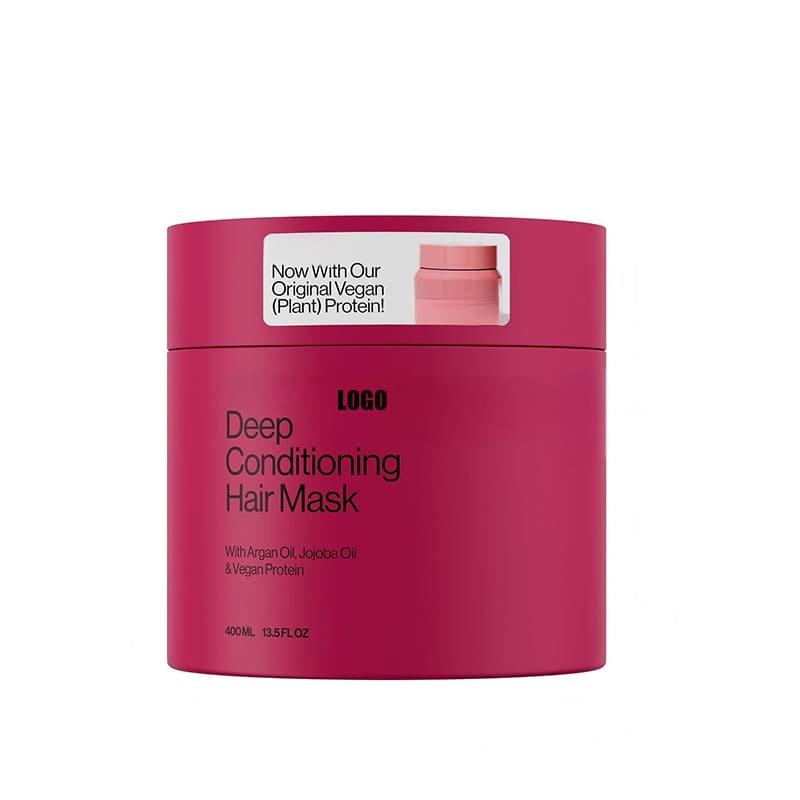
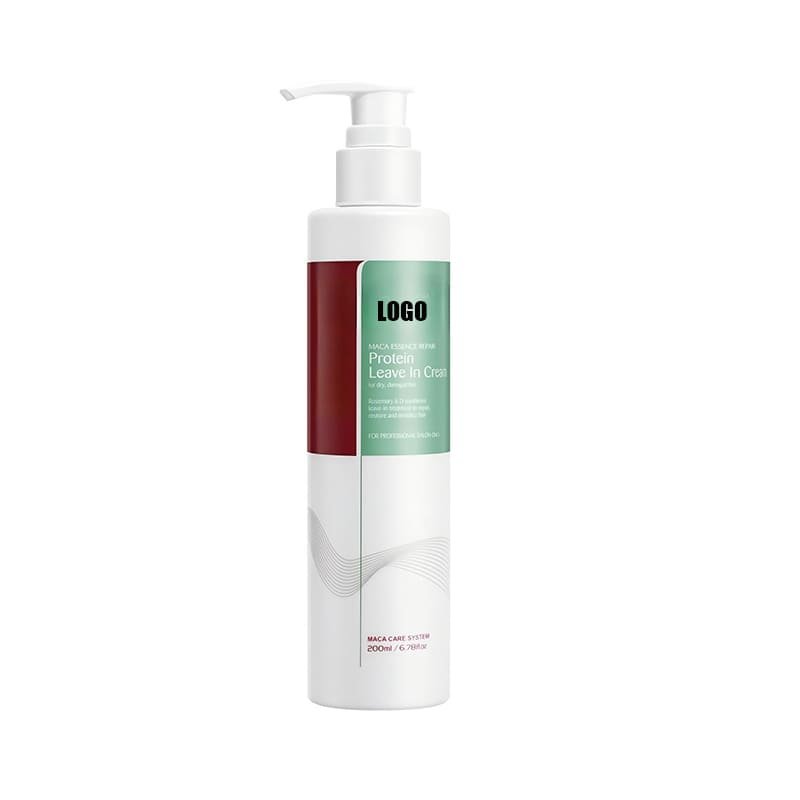
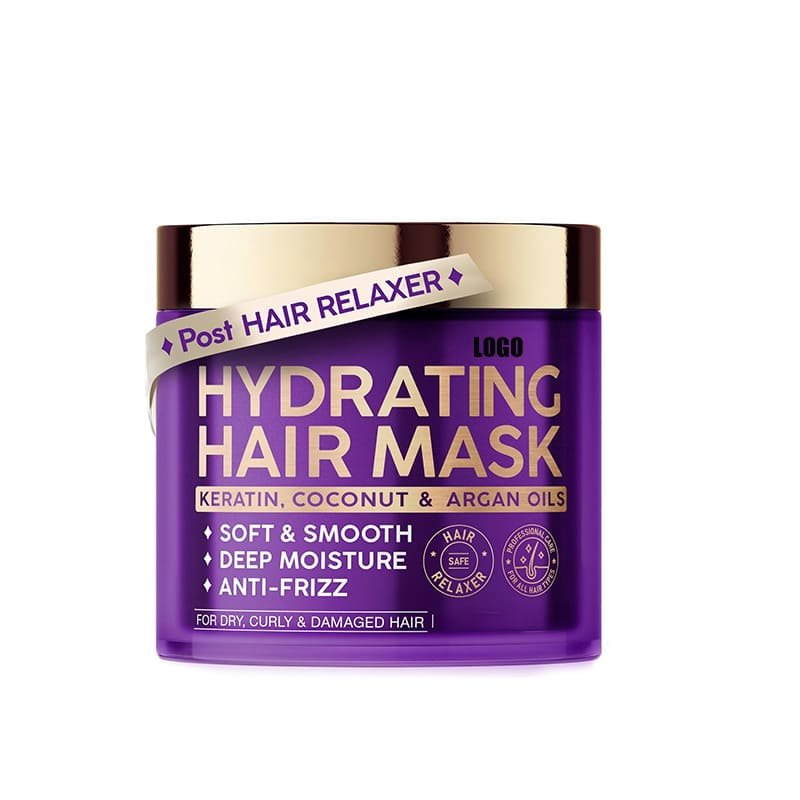
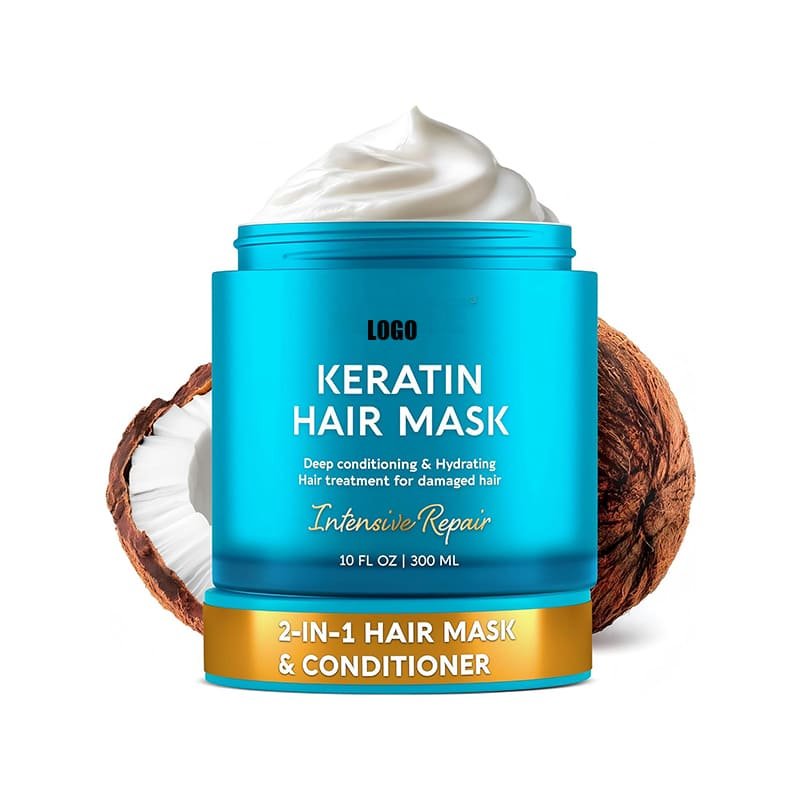
Hair Protein Treatment Finish Products you may want to reference:
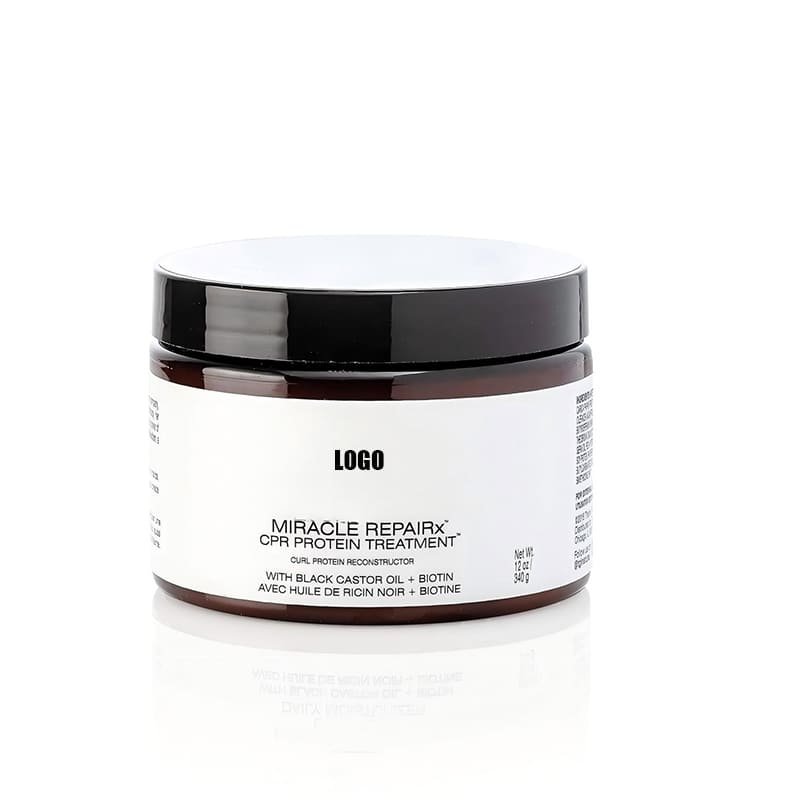
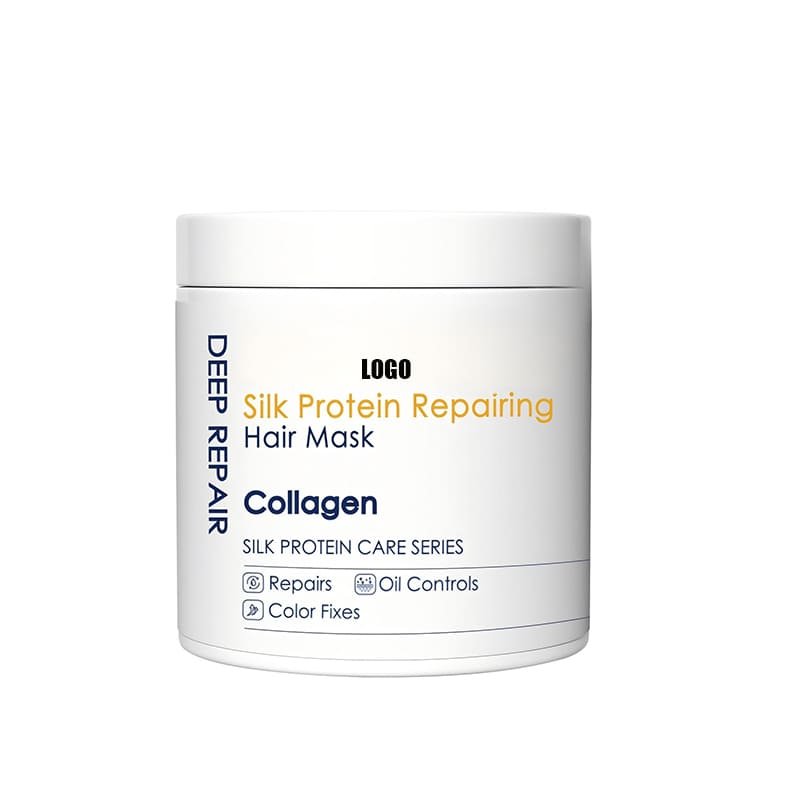
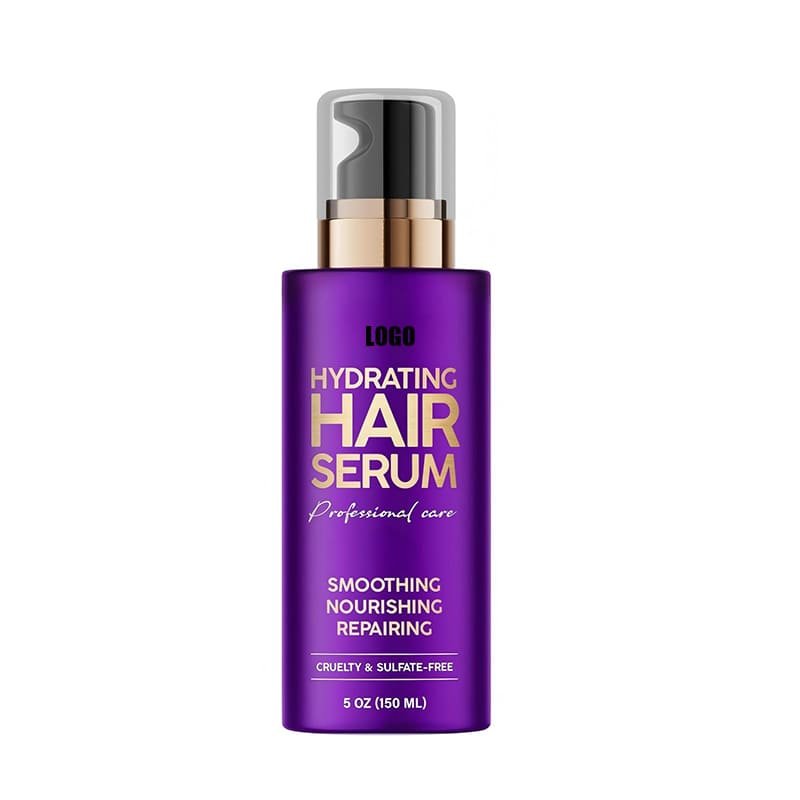
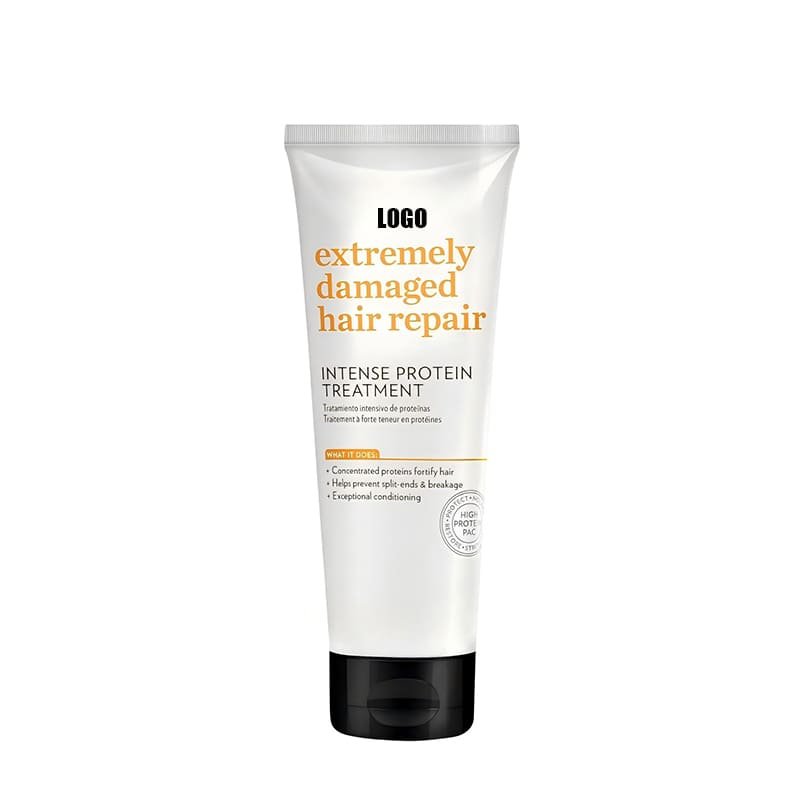
Make A Sample First?
If you have your own formula, packaging idea, logo artwork, or even just a concept, please share the details of your project requirements, including preferred product type, ingredients, scent, and customization needs. We’re excited to help you bring your personal care product ideas to life through our sample development process.
How should you design the formula and active stack for hair protein treatment?
You start by defining damage level and frequency, then choose protein types and levels, balance them with moisture and lipids, and finally validate tolerance, stability and claims.
Step 1 – Define your main repair and strength goals
- Is the priority breakage reduction, smoother feel, elasticity and snap-back, or bond repair positioning?
- Which hair types and situations dominate: bleached blondes, relaxed hair, heat-styled curls, everyday coloured hair?
- Do you want a salon-style intensive hair protein treatment or a friendly weekly mask / leave-in that is hard to misuse?
Step 2 – Choose protein system, format and support actives
- Protein system selection
- Animal-origin keratin/silk vs. plant-derived proteins (wheat, soy, corn, pea, rice) depending on vegan/market rules.
- Hydrolysed (smaller) proteins for better deposition and “feel” benefits.
- Option to add bond-building technology or amino acid blends to strengthen the story.
- Format choice
- Rinse-out mask / deep conditioner (most flexible for mass and e-commerce).
- Pre-shampoo treatment for very damaged or porous hair.
- Leave-in mist or cream for lightweight, routine-friendly strength support.
- 2-step intensive concepts for pro lines (e.g. heat-activated protein step plus neutralising/softening step).
- Support actives and care
- Humectants (glycerin, panthenol) to keep hair flexible, not rigid.
- Oils and butters (e.g. avocado, argan, shea) tuned by hair type to avoid heaviness.
- Ceramide-like lipids and conditioning esters to smooth cuticle and improve combability.
Step 3 – Balance performance with tolerance and routine reality
- Avoid overloading with high protein + high frequency; design strength and label guidance together.
- Fine hair may need lighter textures and lower oil levels; curls/coils often prefer richer, more cushioned systems.
- Consider curl-safe and colour-safe positioning when targeting curly and coloured communities.
- Fragrance level and profile should feel care-focused, not overpowering, especially for treatments left on 10–20 minutes.
Step 4 – Check stability, compatibility and claim language
- Confirm viscosity, phase stability, combability and sensory over time and across temperatures.
- Test behaviour with popular shampoos, conditioners and leave-ins (especially sulphate-free and bond-builder lines).
- Align claims (e.g. “helps reduce breakage”, “stronger-feeling hair”, “improves manageability”) with realistic instrumental or perception tests.
- Ensure documentation supports the regulatory needs of EU/UK, US, GCC and other export markets.

| Active (Use Range) | Key Features | Suitable Uses / Hair Types | Recommended Combinations | Suggested Packaging |
|---|---|---|---|---|
| Hydrolysed Keratin (0.2–3%) | Strength, improved feel, breakage support | Bleached, relaxed, heavily damaged hair | With ceramide-like lipids + film-formers | Tubs, tubes, pro bottles |
| Hydrolysed Wheat/Soy/Corn Proteins (0.5–5%) | Texture, body, light strength | Coloured, mildly damaged, curls/coils | With oils, butters, humectants | Masks, conditioners, sprays |
| Amino Acid Blends (0.5–3%) | Support for fibre structure and moisture balance | All hair types, especially fine and colour-treated | With lighter proteins + humectants | Light masks and leave-ins |
| Bond-Building / Crosslinking Actives | Repair positioning, resilience narrative | Bleached and salon-treated hair | With mild surfactant-free carriers or pre-shampoo systems | Bottles, tubes, dropper bottles |
| Panthenol & Humectants (0.5–5%) | Moisture, flexibility, shine | Dry, brittle or porous hair | With proteins + oils to prevent stiffness | All treatment formats |
| Ceramide-Like Lipids (0.1–2%) | Cuticle smoothing, barrier-mimicking support | Chemically treated, porous hair | With keratin/plant proteins | Premium masks and pro ranges |
| Plant Oils & Butters (1–15%) | Lubrication, softness, frizz control | Curls/coils, thick and coarse hair | With plant proteins and humectants | Jars, tubes |
| Light Silicones or Alternatives (0–3%) | Slip, shine, heat-comb support | Mid to high damage, styling-heavy users | With proteins + humectants; silicone-free options available | Mass and salon treatments |
| Soothing Botanicals (0.1–2%) | Scalp comfort for in-shower formats | Sensitive scalps, frequent users | With mild surfactants and low fragrance | In-shower masks & treatments |
| Antioxidants (0.05–0.5%) | Formula stability, “protection” story | All formulations | With oils, butters and bond-building narratives | Any |
Which textures work best for hair protein treatment?
Considerations by market and user
- Climate: Hot / humid: lighter gel-creams and mists with humidity-aware polymers. Cold / dry: richer, creamier textures with more humectants and lipids.
- Hair type & routine: Fine, straight hair: lighter textures, lower oil and butter content. Thick, curly/coily hair: richer masks with strong slip and emollience. Highly damaged hair: pre-shampoo textures that don’t over-soften roots.
- Channel: Amazon / e-commerce: strong texture macros and before/after visuals; clear “how often to use” diagrams. Salon / professional: more concentrated textures, heat-compatible routines and clear pro protocol sheets. Retail / drugstore: intuitive, family-friendly mask textures and simple timing icons (5–10–20 minutes).
Rich, creamy hair protein repair mask
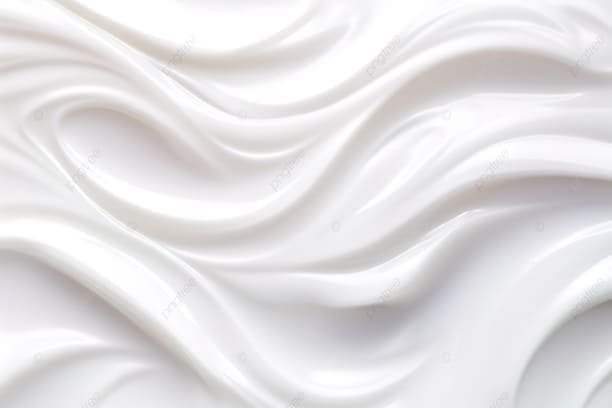
A dense but spreadable cream mask that clings to hair lengths.
- Ideal for moderate to severe damage, coloured and bleached hair.
- Delivers a clear “treatment moment” in the shower.
- Works in jars or large tubes for both retail and pro.
Lightweight gel-cream hair protein treatment

A lighter gel-cream with good slip but less heaviness.
- Suitable for fine or easily weighed-down hair.
- Good for weekly or every-2-weeks routines.
- Fits “modern, clean” and unisex ranges.
Leave-in hair protein mist or cream
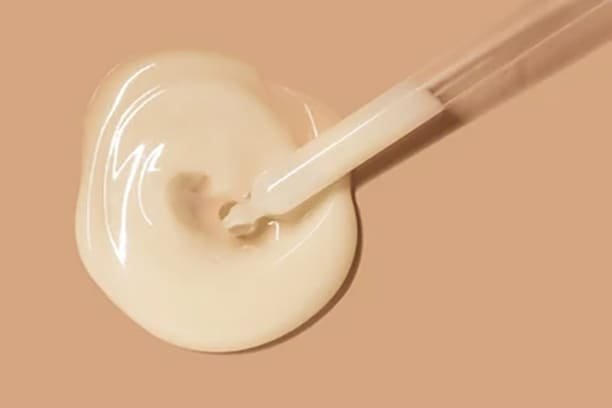
A fluid spray or light cream for ongoing support.
- Ideal for daily/weekly use on mid-lengths and ends.
- Good fit for heat-styling and colour-maintenance routines.
- Often paired with a richer mask in the same line.
Which packaging options make sense for hair protein treatment?
Choose packaging that supports controlled dosing, in-shower handling and your “treatment” story—from hardworking jars to pro-style bottles and sachets.
Factors to align with your brand
- Application method: Jars for scoopable, rich hair protein masks in shower or at the sink. Tubes for more hygienic, squeeze-out use and travel. Pump bottles or spray bottles for leave-in mists and creams. Monodose sachets/ampoules for sampling and retail “booster” formats.
- Stability & protection: Containers tested for viscosity, surfactant (if any) and preservative compatibility. Closures designed to avoid water entry and contamination in the shower. Opaque or tinted packs for light-sensitive actives and oils.
- Sustainability direction: PCR PET/HDPE jars and tubes where feasible. Refill pouches for high-use masks paired with durable hero jars. Mono-material components to support easier recycling claims.
- Label and artwork space: Room for strength, repair, breakage, “protein + moisture” messaging. Clear usage timing and frequency icons (e.g. “1x per week, 10 min”). Multi-language layouts for export and e-commerce detail pages.

Wide-Mouth Jar (150–500ml)
Classic mask format; easy to scoop in-shower and perfect for rich hair protein treatments.

Squeeze Tube (150–250ml)
More hygienic and travel-friendly; great for lighter masks and premium lines.
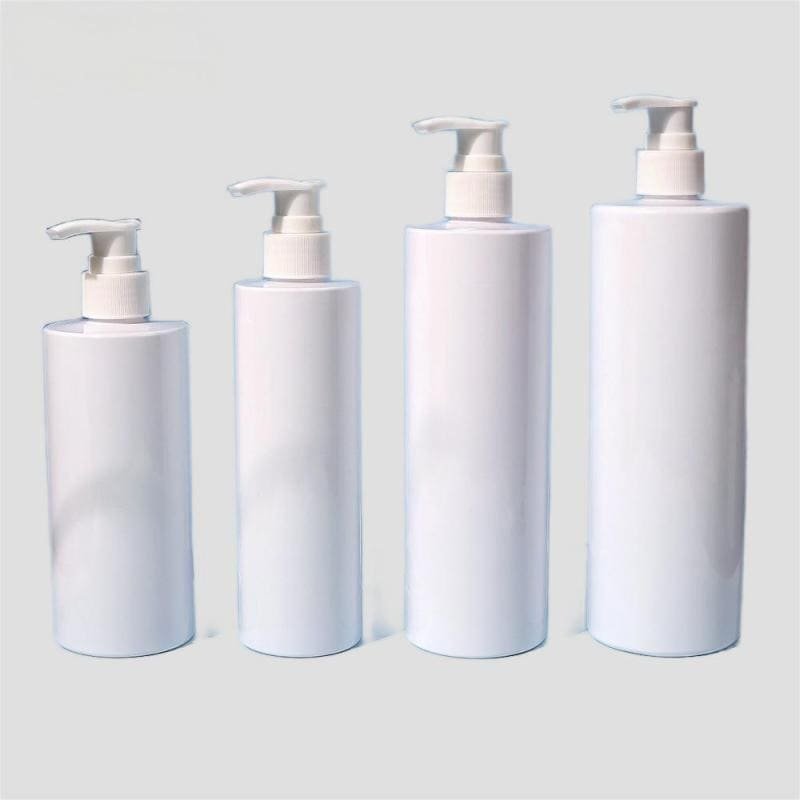
Pump Bottle (100–250ml)
Ideal for leave-in creams or lighter in-shower treatments; neat and user-friendly.

PCR Variants
Post-consumer recycled options to support sustainability messaging without changing user experience.
What do brands most often ask about this hair protein treatment?
Brands usually ask how strong the protein level should be, how to avoid stiffness or overload, how often consumers should use it, and how to position bond-building vs classic protein stories.
1. How strong should the protein level be?
- We match strength to damage level and frequency (weekly vs “once every 4–6 weeks”).
- Lighter, more frequent-use masks need gentler protein loads.
- Very damaged hair can use stronger formulas but with strict usage guidance.
2. How do we avoid stiffness or “protein overload”?
- We always pair protein with moisture and lipids to keep hair flexible.
- Texture and usage frequency are designed together to avoid overuse.
- On pack, we add simple “how often” and “for which hair” instructions.
3. Should we talk about “bond-building” or just “protein treatment”?
- Bond-building language works well for bleached and salon-oriented lines.
- Classic “protein & repair” stories are clearer for mass and family ranges.
- We can create two tiers: a friendly hair protein mask and a more technical bond builder.
4. How often should consumers use a hair protein treatment?
- Typical guidance: weekly for regular masks; every 2–4 weeks for stronger versions.
- Very intense, salon-style treatments may be every 4–6 weeks only.
- We help craft wording based on your formula strength and target market habits.
5. Can one formula work for both fine and curly/coily hair?
- One balanced base can work, but fine and coily hair often need different textures.
- Many brands launch separate fine-hair and curl/coily hair protein SKUs.
- We can reuse a protein “core” and adjust oils/butters and texture per hair type.
6.What are typical MOQs, lead times and key cost drivers?
- MOQs often start around 1,500–3,000 units per SKU, higher for complex or glass packaging.
- Lead times depend on protein sourcing, testing scope and component supply.
- Main cost drivers: protein/bond actives, oils/butters, “clean” requirements and packaging type/size.
How will Zerun Cosmetic support private label hair protein treatment projects?
- Our team will answer your inquiries within 12 hours.
- Your information will be kept strictly confidential.





Zerun supports repair-focused brands with hair protein systems, bond-building concepts, textures and packaging that match real hair damage patterns—not just marketing buzzwords.
We start from your reality:
- Your target users (bleached blondes, relaxed hair, curl communities, men’s damage repair) and markets.
- Your channels (salon/pro, retail, e-commerce, subscription boxes) and price tiers.
- Your stance on proteins, bond builders, silicones, “clean” and vegan frameworks.
We co-develop formulas, formats and routines:
- Hair protein treatments in rich masks, lighter gel-creams, pre-shampoo balms and leave-in mists.
- Active stacks combining proteins, amino acids, bond-builders, humectants and lipids tuned to each hair type.
- Matching shampoos, conditioners, leave-ins and serums to build complete repair systems.
We help plan claims, tests and documentation:
- Claims around strength, breakage reduction, smoother feel and manageability aligned with your risk appetite.
- Options for instrumental and perception tests to support premium storytelling.
- Support with INCI layout, on-pack language and technical files for EU/UK, US, GCC and other target regions.
We think in routines, not single SKUs:
- Hair protein treatment concepts that anchor weekly “repair night” or post-salon rituals.
- Tiered offerings (gentle weekly mask, intensive repair treatment, leave-in support) for different users and budgets.
- Portfolio architecture optimised for SEO, AI recommendations, bundling and in-store navigation.
If you already have reference products or ideas, share:
- Links or photos of hair protein treatments you like (texture, scent, pack, claims).
- Your target consumers, key damage scenarios and destination markets.
- Your initial volume expectations and desired launch timing.
Based on this, we can propose a clear hair protein treatment development roadmap and sampling plan. Use the contact form, email or WhatsApp on this site to start your private label hair protein treatment project with Zerun.