What does hair serum do?
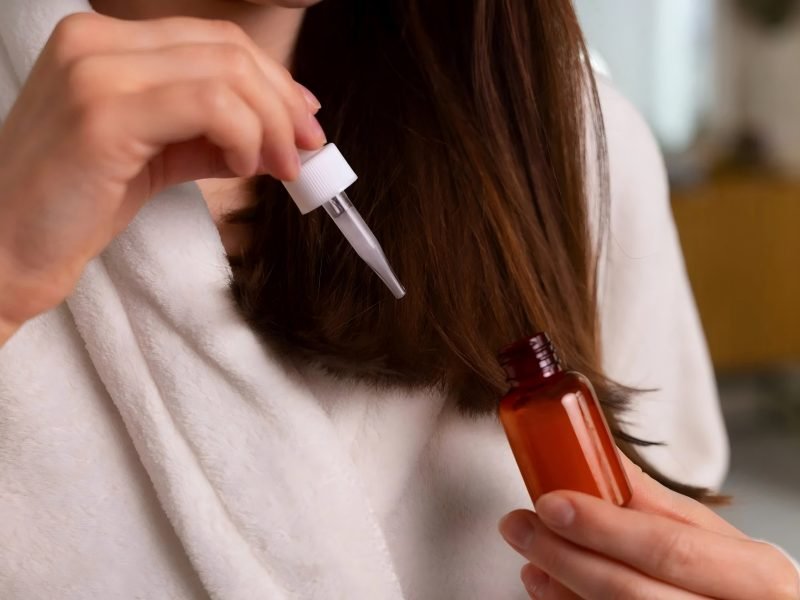
Hair serum is often described as a “finishing product,” but most people reach for it for one simple reason: hair feels rough, puffy, dull, or hard to control—especially after washing, blow-drying, coloring, or spending time in humid weather. When the texture looks uneven, even healthy hair can appear damaged.
Hair serum is used to coat and condition the hair surface so strands feel smoother, look shinier, and behave better during styling. In practical terms, a good hair serum reduces frizz and flyaways, improves slip for detangling, helps hair look more polished, and can add heat or humidity support depending on the formula. It does not “repair” split ends permanently, but it can make them look less obvious and help prevent new breakage by reducing friction.
What is hair serum exactly?
How hair serum is different from hair oil
Hair oil is typically a higher-oil system that emphasizes nourishment feel, shine, and sometimes scalp massage rituals. Hair serum is usually lighter in feel and more “surface-engineered,” often relying on conditioning agents and film formers that spread easily and reduce static. Some serums contain oils, but the core purpose is usually manageability and a sleek finish rather than an oil-heavy treatment.
How hair serum is different from conditioner and leave-in conditioner
Rinse-off conditioner conditions during the shower and is removed, so the lasting “anti-frizz shield” can be limited. Leave-in conditioner stays on hair and can provide softness, but many leave-ins prioritize hydration and easy combing rather than a glossy, humidity-resistant finish. Serum is often the final layer that makes the hair look smoother and more reflective.
What hair serum is not
Hair serum is not a hair growth product by default, and it is not a medical treatment for shedding. When a serum targets the scalp with active ingredients, it becomes a different product concept (often called a scalp serum), with different expectations and often different testing and claims boundaries.
What is hair serum used for in a routine?
Managing frizz, flyaways, and “puffy” hair
For many hair types, frizz is a surface problem: raised cuticles, static, and uneven moisture absorption. Serum helps by smoothing the cuticle surface and reducing static so hair sits flatter and looks more uniform.
Adding shine and a polished look
Shine is mostly about light reflection. When the hair surface is smoother, it reflects light more evenly. That’s why even a small amount of serum can make hair look “healthier” immediately—without changing the internal structure.
Detangling and reducing breakage from friction
Hair breaks when it snags—during combing, towel drying, brushing, or styling. Serums that improve slip reduce mechanical damage. This matters most for long hair, bleached hair, curly hair, and hair that tangles easily.
Supporting heat styling and humidity control
Some serums include ingredients that help reduce moisture uptake (humidity frizz) or provide a protective feel during blow-drying and ironing. Results depend on the formula and how it is applied. Heat protection is not automatic just because a product is called a serum—look for a formula designed with that purpose.
What benefits can hair serum realistically deliver?
What changes are visible right away
The most immediate changes are cosmetic but meaningful: smoother feel, less visible frizz, less “halo” around the head, and more shine. Hair also tends to feel easier to brush and style.
What improves with consistent use
Over time, many users notice fewer tangles, less snapping during brushing, and better “day two” hair because the hair surface stays more controlled. When serum reduces friction consistently, hair can retain length better simply because less breakage occurs.
What hair serum cannot do
A serum cannot fuse split ends permanently, reverse chemical damage, or replace a haircut. It can make damaged areas look better temporarily and reduce further damage by improving slip and reducing friction. If shedding, scalp irritation, or patchy hair loss is the main concern, a scalp-focused product concept is more appropriate than a length-and-ends serum.
Which types of hair serums exist?
Silicone-smoothing serums
These are classic “anti-frizz shine” serums with strong slip and a silky finish. They often perform extremely well for blowouts, humidity control, and flyaways—especially on medium to thick hair. The main risk is over-application on fine hair, which can look flat or greasy.
Lightweight water-based serums
These are designed for fine hair, oily roots, or people who dislike the “coated” feel. They can still add manageability, but shine and humidity control may be softer than heavy smoothing serums.
Cream-serum hybrids for damaged hair
These sit between leave-in conditioner and serum. They often focus on softness, reduced tangling, and a more cushiony feel—useful for bleached, colored, or high-porosity hair that needs both conditioning and surface smoothing.
Scalp serums vs hair-length serums
A scalp serum is intended for the scalp environment (oiliness, dryness, comfort, hair density appearance). A hair-length serum is intended for the hair fiber (frizz, shine, detangling). Mixing expectations between the two is a common reason people feel disappointed.
Table 1: Hair serum type and best-use scenarios
| Serum type | Best for | Typical feel | Common application zone |
|---|---|---|---|
| Smoothing/shine serum | Frizz, flyaways, blowouts | Silky, glossy | Mid-lengths to ends |
| Lightweight daily serum | Fine hair, oily roots | Light, fast-absorbing | Ends; very small amount near mid-lengths |
| Repair-look hybrid | Bleached/colored, tangles | Soft, cushiony | Mid-lengths to ends |
| Scalp-focused serum | Scalp comfort or density appearance | Non-oily, quick-dry | Scalp only |
What ingredients matter most in hair serum performance?
Surface-smoothing and slip agents
The “serum effect” is mostly about friction reduction and film behavior. This is why some serums feel instantly transformative: they spread well, coat evenly, and reduce static so hair aligns better.
Anti-static and conditioning polymers
These help reduce flyaways and improve combability. They can also help the serum feel less greasy while still delivering control.
Humidity and heat-support systems
Humidity control depends on how the film handles moisture in the air. Heat-support depends on how the formula behaves under styling temperatures. Not every serum is built for this; when it is a core promise, the formula usually needs to be engineered around it rather than added as an afterthought.
Fragrance and sensorial balance
Hair serums sit on the hair for hours, so scent and after-feel matter a lot. For sensitive users, a lighter fragrance approach can reduce scalp and neck irritation risks.
What hair serum is good for different hair types?
Fine hair that gets oily easily
A lightweight serum is usually a better fit than a heavy smoothing serum. The most common mistake is applying too much or applying near the roots. For fine hair, the best result often comes from a pea-sized amount for the ends only, then adding more only if needed.
Thick, frizzy, or coarse hair
Thicker hair typically tolerates richer serums and benefits more from strong smoothing and humidity control. Application can be more generous, and layering with a leave-in conditioner often improves softness without sacrificing control.
Curly hair
Curly hair can benefit from serums that reduce frizz without collapsing curl definition. The key is choosing a serum that doesn’t feel heavy or waxy and applying it as a finishing layer after curl creams or gels.
Bleached, colored, or high-porosity hair
These hair types tangle easily and lose shine quickly. A cream-serum hybrid or a richer smoothing serum can help with slip and reduce the appearance of dryness. The goal is not to “repair” damage overnight, but to keep the fiber protected from daily friction.
How should hair serum be applied for best results?
When to apply: damp hair vs dry hair
Applying on damp, towel-dried hair helps distribute serum evenly and reduces the chance of greasy patches. Applying on dry hair is best for finishing: taming flyaways, adding shine to ends, and smoothing the surface before going out.
Where to apply: roots vs mid-lengths vs ends
Most hair serums perform best from mid-lengths to ends. Applying to roots can make hair look flat or oily unless the product is specifically designed for scalp use.
How much to use
Start small. Over-application is the fastest way to hate a serum. For short hair, a drop or two can be enough; for long hair, a small pump amount may be appropriate. Add only if needed after combing through.
How to layer with other products
Serum usually works best as the final smoothing layer. A common order is: leave-in conditioner (for softness) → heat protectant (if separate) → serum (for finish). If the serum is also the heat-support product, it should be applied evenly before heat styling.
What should be checked before choosing a hair serum concept for private label?
This subpage is designed to support the product decision journey behind private label hair serum, so the most useful filters are the ones that prevent common buyer complaints.
Which promise is being prioritized: shine, frizz control, repair-look, or heat support?
A single serum can do several things, but top-performing products usually have one “hero outcome” that the formula and sensorial design are built around. When the promise is too broad, results tend to feel average.
Which hair and scalp profiles are being targeted?
“Hair serum” can mean sleek blowout serum for thick hair, lightweight daily serum for fine hair, or a repair-look hybrid for bleached hair. Defining hair type and daily routine up front improves formula direction, packaging choice, and claim clarity.
Which texture and packaging match the use case?
Pumps and droppers create different usage behavior. A pump supports quick daily application; a dropper supports “precise dose” storytelling but can feel slower. Packaging should match how the serum is meant to be used—post-shower, before styling, or as a finishing product on dry hair.
Frequently Asked Questions about hair serum
Does hair serum help hair growth?
Most hair serums are meant for the hair fiber—smoothness, shine, frizz control—not growth. Growth-support claims usually belong to scalp serums and require a different active strategy and claim discipline.
Can hair serum replace conditioner?
Not really. Conditioner softens and detangles during the wash step. Serum is better viewed as the finishing layer that improves surface control and shine after the wash step.
Can hair serum be used every day?
Daily use is common, especially for lightweight serums. The best results usually come from correct dose and correct placement (mid-lengths to ends). If buildup appears, reduce the amount or switch to a lighter texture.
Why does hair serum sometimes make hair greasy?
Greasy feel usually comes from over-application, applying too close to roots, or choosing a serum that is too rich for the hair type. Using less and applying only to ends fixes most cases.
Conclusion
Hair serum is primarily a surface-performance product: it is used to make hair smoother, shinier, and easier to control by reducing friction, static, and visible frizz. The most reliable benefits are immediate—sleeker feel, fewer flyaways, better combing—and the longer-term payoff is often less breakage because hair snags less during daily handling. Choosing the right serum depends on hair type and routine: fine hair usually needs a lighter texture and smaller dose, while thick or frizzy hair often benefits from stronger smoothing and humidity control. The best outcomes come from aligning the formula style, texture, and application behavior with one clear “hero result,” then using the serum consistently in the right place—mid-lengths to ends—so performance stays polished without buildup.
More Related
Cosmetic Supplier for Brands →
Cosmetic Manufacturers for Small Business →
Low MOQ Cosmetic Manufacturer →
Small Batch Cosmetic Manufacturing →
Private Label Manufacturer vs OEM ODM →
Contract Manufacturing Beauty Products →
Cosmetic Contract Manufacturer Checklist →
Cosmetic Manufacturing Companies How to Vet →
Cosmetic Manufacturing Company Audit Points →
What Is the Skincare Manufacturing Process →
What Questions to Ask Cosmetic Products Manufacturer →
Why Cosmetic MOQ Lead Time Vary So Much →
Cosmetic Bulk vs Finished Goods →
Custom Formulations
Custom Brightening Formulations→
Custom Anti-Aging Formulations→
Custom Sunscreen Formulations→
Custom Acne Treatment Formulations→
Custom Sensitive Skin Care Formulations→
Custom Hair Growth Formulations→
Custom Anti Hair Loss Formulations→
Custom Smooth And Shine Hair Formulations→
Custom Anti Frizz Formulations→
Custom Hair Gloss Formulations→
Custom Anti Static Hair Formulations→
Custom Hair Moisturizer Formulations→
Custom Hair Nourishing Formulations→
Custom Hair Strengthening Formulations→
Custom Hair Damage Repair Formulations→
Custom Hair Volumizing Formulations→
Custom Hair Fluffy Formulations→
Custom Curl Defining Formulations→
Hot Private label Hair products
Private Label Hair Growth Oil→
Private Label Anti Dandruff Shampoo→
Private Label Anti Fungal Shampoo→
Private Label Luxury Hair Oil→
Private Label Lightweight Conditioner→
Private Label Peppermint Hair Oil→
Private Label Leave In Conditioner→
Private Label Curl Defining Cream→
Private Label Hair Volume Powder→
Hot ingredients
Custom cosmetic solutions
FAQ Categories
Can't find the answers?
No worries, please contact us and we will answer all the questions you have during the whole process of OEM Cosmetic customization.
Make A Sample First?
If you have your own formula, packaging idea, logo artwork, or even just a concept, please share the details of your project requirements, including preferred product type, ingredients, scent, and customization needs. We’re excited to help you bring your personal care product ideas to life through our sample development process.