Skip to content
Private label lightweight conditioner: how can brands design an effective weightless moisture and detangling hero product?
A successful private label lightweight conditioner delivers weightless moisture, easy detangling and smoothness while keeping roots fresh, hair bouncy and aligned with your brand positioning.
Many brands want a daily conditioner that feels light but still caring, avoids build-up, fits clean or silicone-reduced philosophies and meets EU/US compliance, yet struggle to write a clear, realistic OEM brief.
GMP/ISO • EU/US compliant docs • Samples in 3–7 days • MOQ from 1,000 pcs
What are the key specifications of this custom lightweight conditioner?
The key specifications define who the conditioner is for, how strong the conditioning should be, the format, fragrance, claims and compliance requirements for each market.
Spec / Parameter Card
| Field | Options / Recommendations |
|---|---|
| Core Architectures | Rinse-off lightweight conditioner • short-contact daily conditioner • spray/mist leave-in • cream leave-in |
| Core Actives | Cationic polymers, light esters, low-viscosity silicones or silicone-free emollients, humectants, proteins, panthenol, betaine, antioxidants, UV filters* |
| Claim Focus | Weightless hydration • tangle-free & smooth • volume-friendly • colour & heat protection (where allowed) |
| pH Window | Typically 4.0–5.0 for cuticle alignment and shine |
| Fragrance Strategy | Fresh / clean • floral / gourmand • gender-neutral • low-fragrance for sensitive scalps |
| Hair-Type Segments | Fine/flat • normal • oily roots/dry ends • curly/coily • colour-treated / damaged • men’s grooming |
| Packaging | Bottles, tubes, pumps, spray bottles, sachets, minis; PCR options |
| Compatibility | Designed to pair with your shampoos, masks, leave-ins and styling products; sulphate-free & silicone-free options available |
| Stability & QC | Accelerated + real-time stability, viscosity and combability profiling, packaging compatibility |
| Docs | COA, SDS, stability and performance data; cosmetic safety file inputs (PIF/CPSR where needed) |
| Sampling & Lead Time | Existing bases: lab samples in days; new chassis, special actives or complex fragrance stories increase development time |
| Typical MOQ | Existing base ≥1,000–3,000 pcs/SKU; specialised sprays/dispensers and multi-variant launches may require higher aggregate volumes |
More Private Label Products
Private Label Anti Aging Serum →
Private Label Dark Spot Corrector→
Private Label Brightening Face Mask→
Private Label Brightening Serum→
Private Label Whitening Cream→
Private Label Even Tone Correcting Serum→
Private Label Under Eye Corrector→
Private Label Dark Spot Toner→
Which customers and channels is this lightweight conditioner for?
This type of conditioner is ideal for volume-conscious users who still want softness and slip, especially in humid markets, online-first brands and salon lines targeting daily-care routines.
Match textures and actives to skin type for efficacy and comfort. Oil-friendly gel-creams, balanced silky creams for combination, rich ceramide systems for dry/mature, and low-irritation builds for sensitive onboarding.
Fine / Thin Hair
- Texture: Fluid, low-viscosity conditioner.
- Core stack: Low-dose conditioning polymers, light esters, anti-static agents; minimal or no heavy silicones.
- Notes: Focus on detangling and frizz reduction without collapsing volume; often used “lengths and ends only”.
- Micro-CTA: Design a Volume-Friendly Conditioner
Normal / Combination Hair
- Texture: Classic milky cream.
- Core stack: Balanced cationic polymer + light silicone or silicone-free emollients; humectants for everyday softness.
- Notes: Versatile “family” or “daily care” positioning; fits many fragrances and pack formats.
- Micro-CTA: Create an Everyday Lightweight Conditioner
Oily Roots, Dry Ends
- Texture: Medium-weight conditioner with targeted slip.
- Core stack: Polymers and esters biased for lengths, anti-static and smoothness; lightweight feel near roots.
- Notes: Communication focuses on “scalp feels fresh, ends feel nourished”; often paired with balancing shampoo.
- Micro-CTA: Build a Balancing Lightweight Conditioner
Curly / Wavy Hair
- Texture: More cushiony yet still airy cream.
- Core stack: Conditioning polymers, curl-friendly emollients, glycerin and film formers; silicone-free or low-build-up silicones.
- Notes: Designed for slip, clump and frizz control without heaviness; co-wash and leave-in variants possible.
- Micro-CTA: Launch a Curl-Light Conditioner
Coily / Very Textured Hair
- Texture: Slightly richer conditioner with high slip.
- Core stack: Stronger conditioning polymers, richer but still breathable oils/butters, humectants, anti-shrinkage narrative.
- Notes: Works as rinse-off + part leave-in; focuses on breakage reduction and protective styles.
- Micro-CTA: Create a Coily-Friendly Lightweight Conditioner
Different age groups frame conditioner benefits differently—fewer tangles and frizz for teens, time-saving for parents, colour longevity for 40+, comfort and ease of use for seniors. This tab shows how we adapt conditioning intensity, storytelling, fragrance and packaging to each life stage so your line feels purpose-built.
Teens & Students
- Texture: Easy-rinse daily conditioner.
- Core stack: Basic conditioning polymer + light emollients, fresh fragrance.
- Notes: Focus on tangles, school sports and first heat styling; price-sensitive but Instagram-friendly packs.
- Micro-CTA: Create a Teen Daily Conditioner
20s–30s Urban & Gym Users
- Texture: Polished milky conditioner or 2-in-1 rinse-off + leave-in concept.
- Core stack: Lightweight conditioning + anti-pollution/urban narrative; modern fragrance.
- Notes: Talks to commuting, late nights and frequent styling; ideal for e-commerce hero SKUs.
- Micro-CTA: Design a Lifestyle Lightweight Conditioner
30s–40s Busy Professionals & Parents
- Texture: Efficient, slightly richer yet still breathable cream.
- Core stack: Conditioning polymers, panthenol or proteins, anti-breakage narrative.
- Notes: Emphasis on “quick routine, fewer knots, less breakage” and compatibility with colour/highlights.
- Micro-CTA: Build a Time-Saver Family Conditioner
40s–55 Image-Conscious, Often Colour-Treated
- Texture: Creamy, salon-feel conditioner.
- Core stack: Colour-protective actives, amino-silicones or alternatives, proteins, antioxidants.
- Notes: Links shine and manageability with maintaining professional colour services and blowouts.
- Micro-CTA: Launch a Salon-Style Lightweight Conditioner
55+ / Seniors
- Texture: Gentle, comfortable conditioner that rinses easily.
- Core stack: Mild conditioning, low fragrance or fragrance-free option, scalp-comfort humectants.
- Notes: Simple directions, large-print labelling; focuses on easy combing and minimal residue or irritation.
- Micro-CTA: Request a 55+ Gentle Conditioner
What can top-selling lightweight conditioners teach your formula design?
Best-sellers show that “weightless but effective” wins: light conditioning systems, clear claims, easy rinse and strong reviews on non-greasiness, scent and detangling performance drive reorders.
| Brand / Product | Core Features / Key Technologies | Texture / Format | Strengths (What Consumers Love) | Gaps / Considerations |
|---|---|---|---|---|
| John Frieda Volume Lift Weightless Conditioner | Air-Silk Technology; designed for fine, flat, colour-treated hair; sulphate-free. | Lightweight rinse-off cream | Highly rated by fine-hair users for adding fullness and bounce without heavy residue; safe for colour; good price point and strong drugstore brand recognition. | Still a conventional formula; some “clean beauty” consumers avoid silicones; sensorial profile more mass-market than spa or salon. |
| Biolage Volume Boost (Volume Bloom) Conditioner | Soy protein + polymers for lift; paraben-free; focused on fine hair volume and softness. | Milky rinse-off conditioner | Professional salon branding with weightless moisture + volume positioning; good detangling and shine; supports full Biolage volume regimen on Amazon. | Higher price than mass brands; “pro” look may feel less approachable to budget shoppers; mostly focused on fine hair, not curls or men’s lines. |
| Redken Volume Injection Conditioner for Fine Hair | Filloxane + bodifying complex; pH-balanced; pro-salon positioning for fine hair volume. | Creamy lightweight conditioner | Strong root-lift and body story; trusted salon name; performs well for limp, straight hair needing professional-level results; good partner to matching shampoo. | Premium price; less “clean” communication; more technical branding that may intimidate casual Amazon shoppers without stylist recommendation. |
| OGX Extra Strength Biotin & Collagen Conditioner | Biotin, collagen, hydrolysed wheat protein; marketed as “weightless” volume formula. | Rich-but-light cream | Very visible on Amazon with strong value positioning; attractive packaging; promises thicker, fuller-looking hair while still being described as lightweight. | Protein + richer emollients can feel heavy on some very fine/oily hair types; branding leans more “sensory” than clinical or clean. |
| Moroccanoil Extra Volume Conditioner | Argan oil + linden bud extract; sulphate, phosphate and paraben-free; colour-safe. | Silky lightweight cream | Premium Argan-oil + volume story; nourishes and detangles while keeping hair bouncy; strong brand equity with salons and high-end consumers on Amazon. | Higher price; fragrance and richer feel may deter ultra-minimalist or very fine-hair users who want a barely-there conditioner. |
| OUAI Fine Conditioner | Keratin, biotin, chia seed oil; designed specifically for fine hair; sulphate and paraben-free. | Lightweight cream | Social-media friendly brand; praised for giving softness, bounce and thickness to fine hair without greasiness; styling-friendly and colour-safe. | Premium / prestige price tier; stronger scent not loved by all; aesthetic is very “millennial” and may not match every private-label positioning. |
| Maple Holistics Silk 18 Natural Conditioner | Silk amino acids, jojoba and argan oils; formulated as lightweight, natural-leaning conditioner. | Lightweight creamy conditioner | Popular “natural” Amazon choice; lightweight hydration + frizz control with a more botanical narrative; free-from heavy silicones and many common harsh additives. | Natural-leaning INCI can still feel rich on ultra-fine hair if over-used; branding less obviously “salon-pro” compared with Biolage/Redken. |
| John Frieda Volume Lift Weightless Leave-In Conditioner optional row | Uses same Air-Silk concept in a spray; targeted at fine/flat hair needing detangling and volume. | Spray leave-in conditioner | Convenient weightless detangler + styler for fine hair; easy cross-sell with rinse-off conditioner; strong Amazon visibility in fine-hair leave-ins. | Needs precise dosage to avoid build-up; spray hardware quality impacts reviews; a leave-in format isn’t yet offered by every private-label competitor. |
Custom Funtion Formula for your brand? You can review hair function formulation pages:
Custom Hair Growth Formulations, Custom Hair smooth and shine formulations, Custom anti hair loss formulations, Custom anti frizz formulations, Custom hair gloss formulations
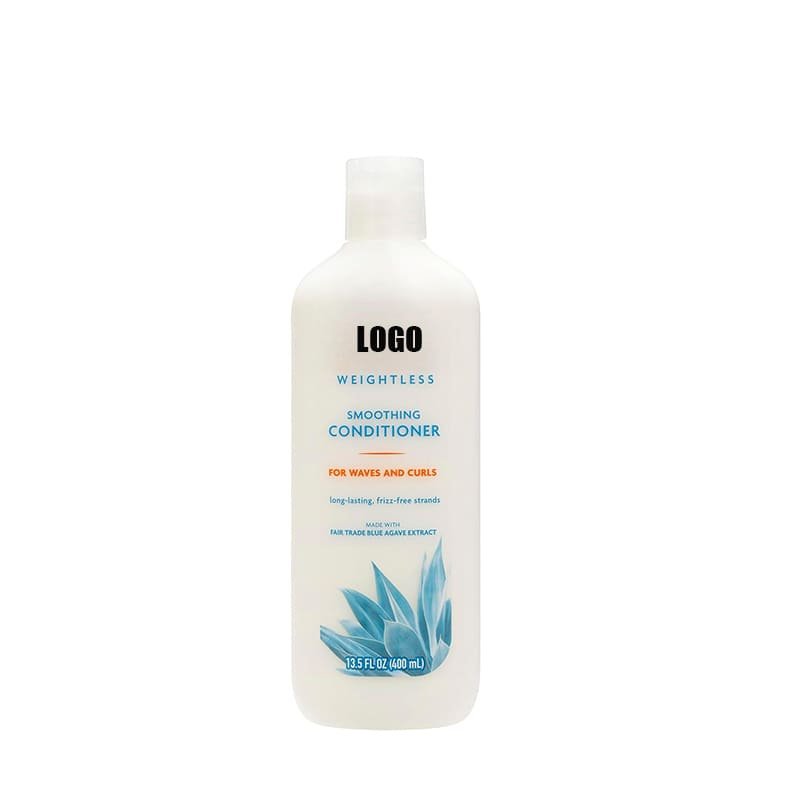
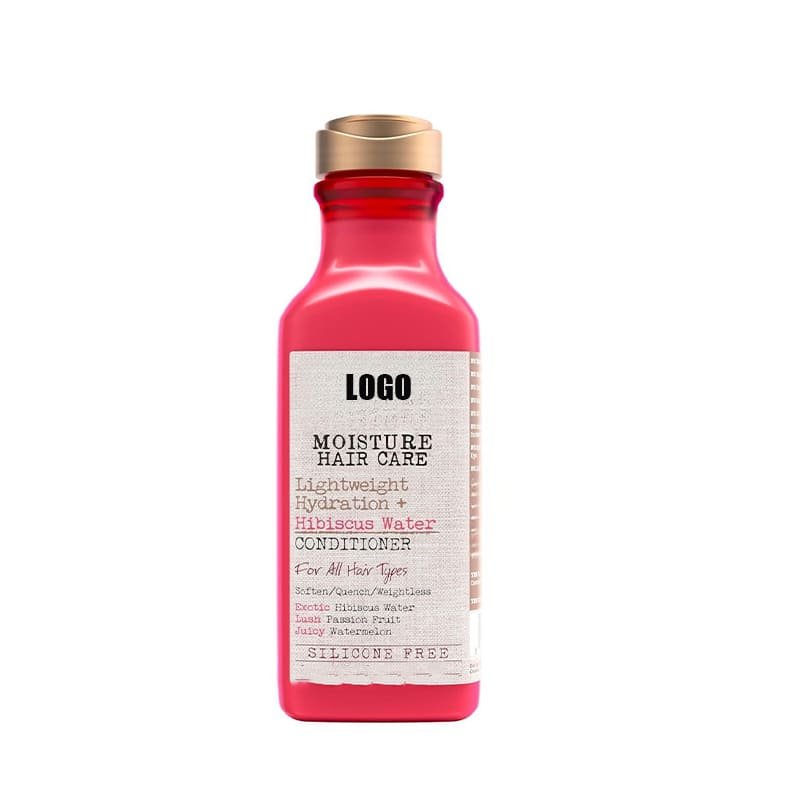
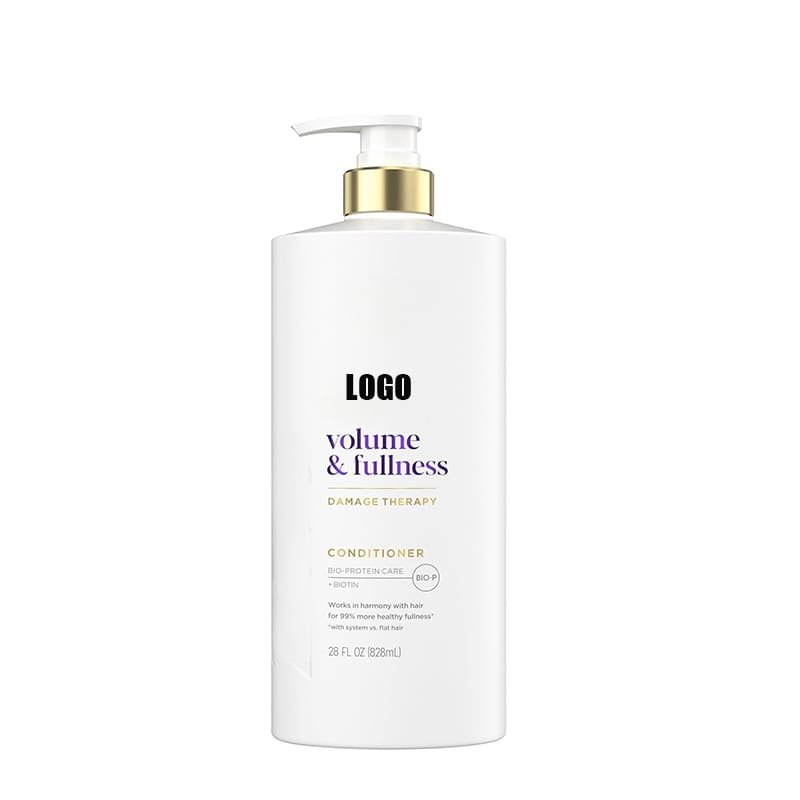
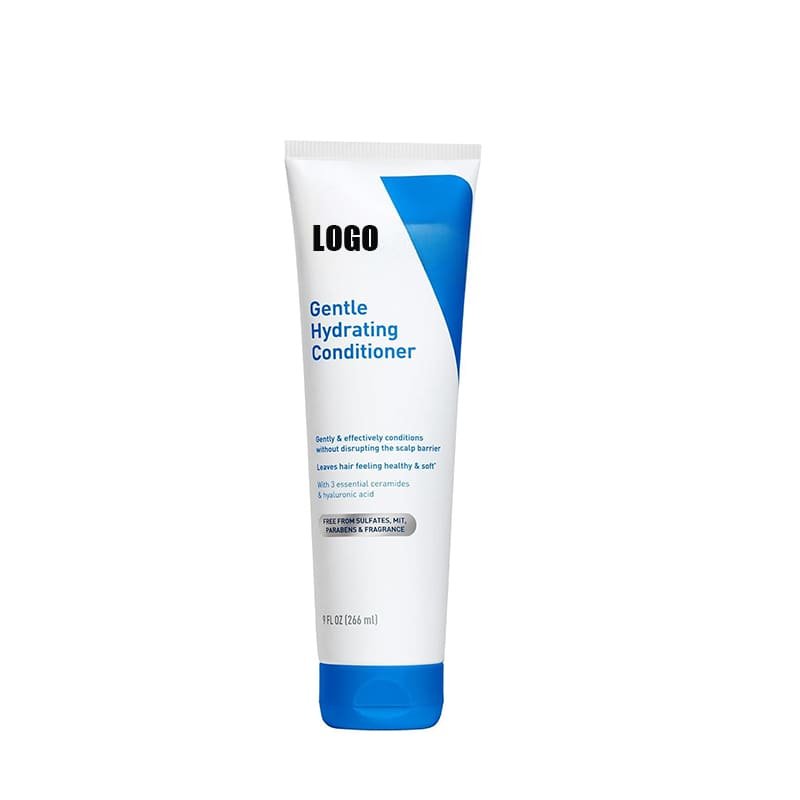
Lightweight Conditioners Finish Products you may want to reference:
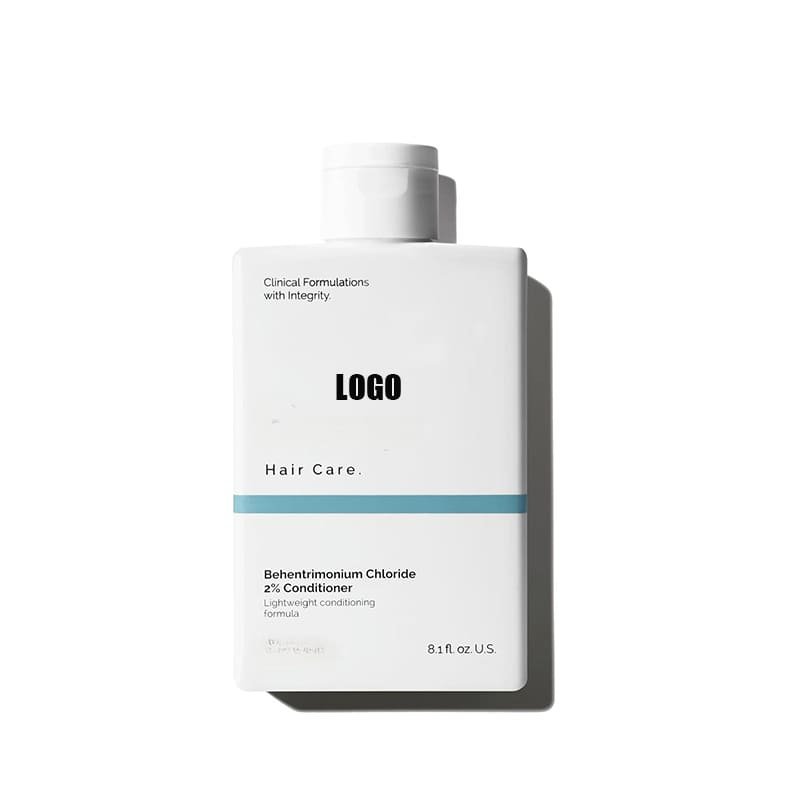
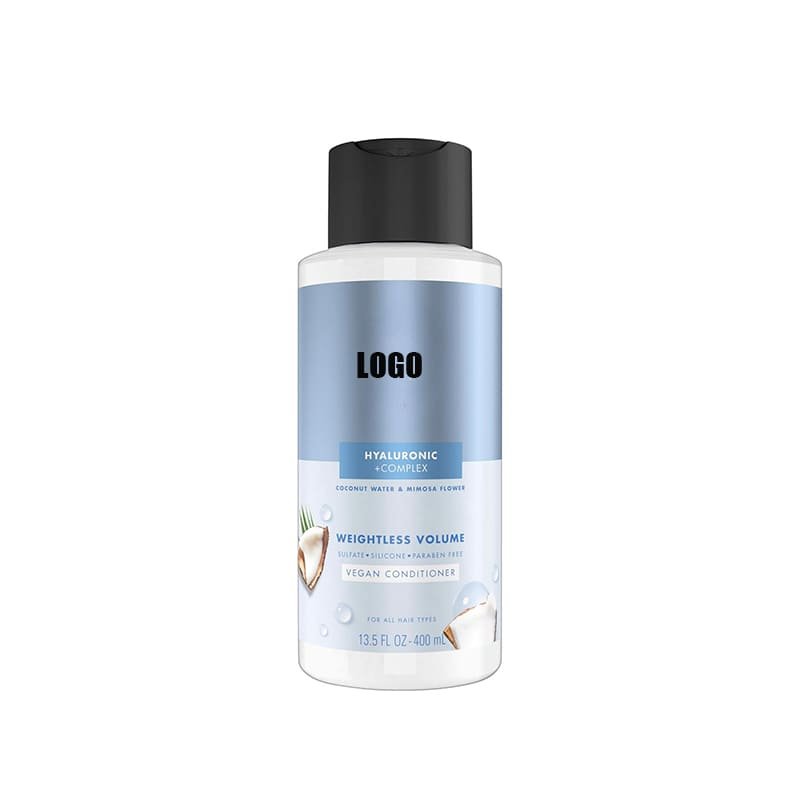
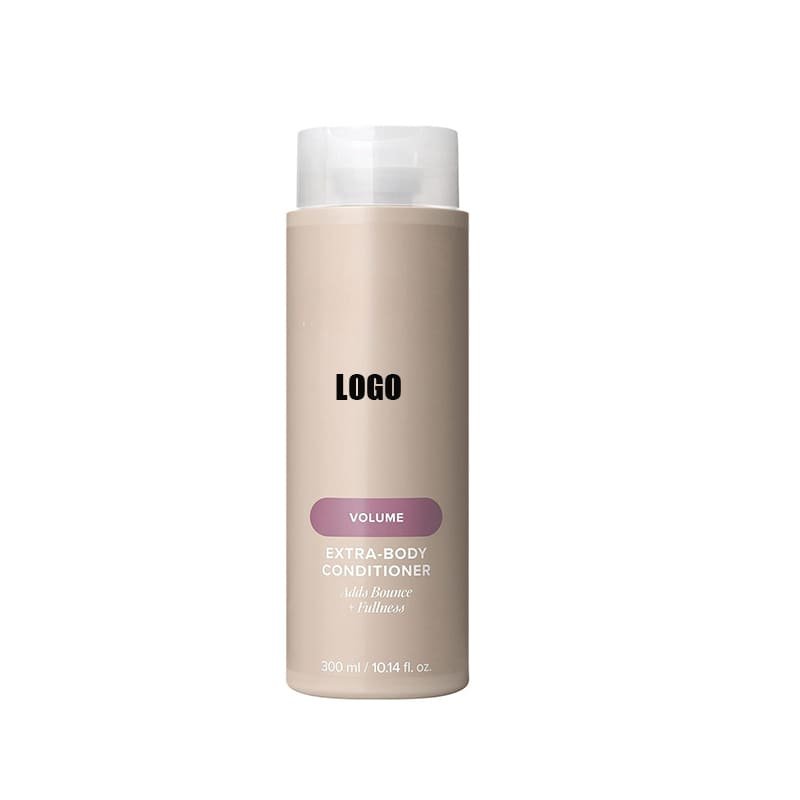
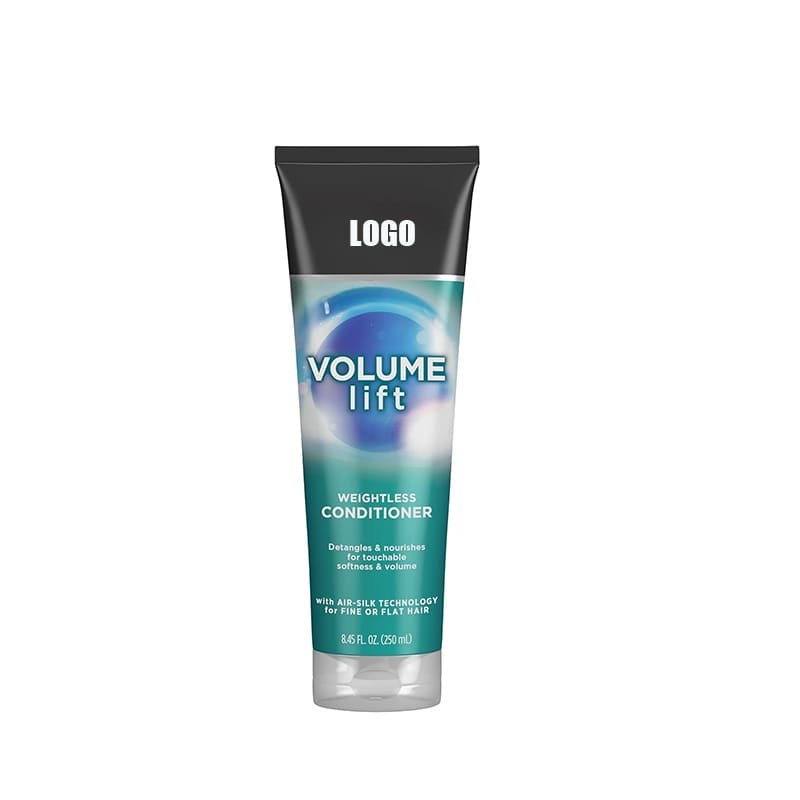
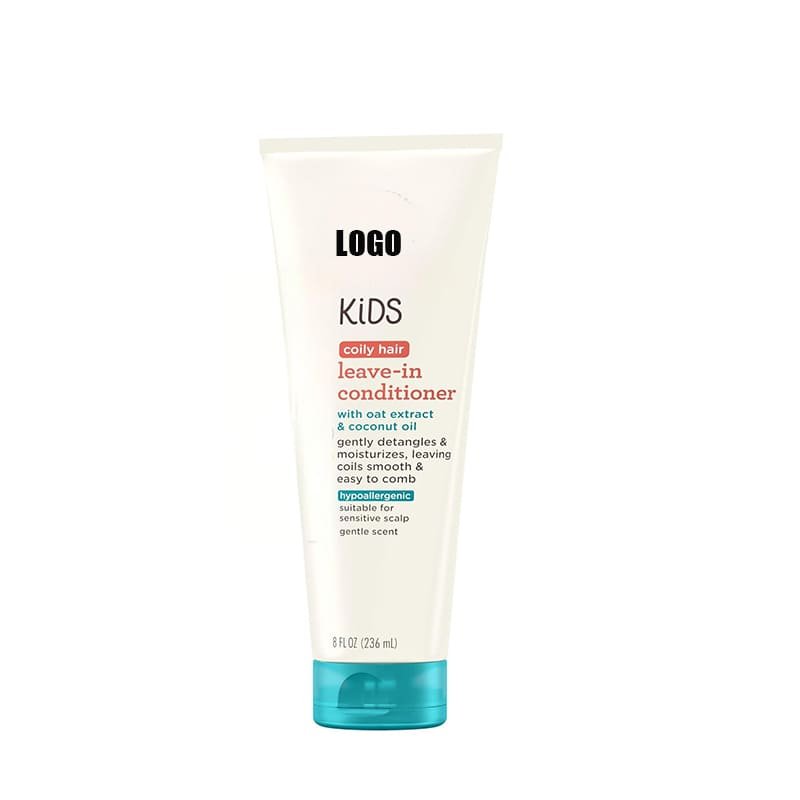
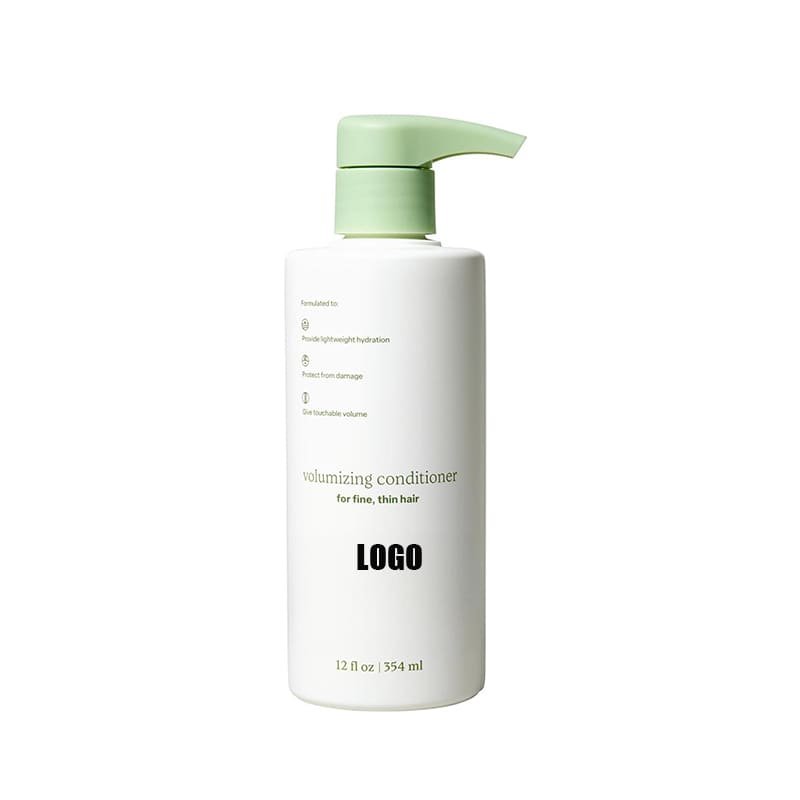
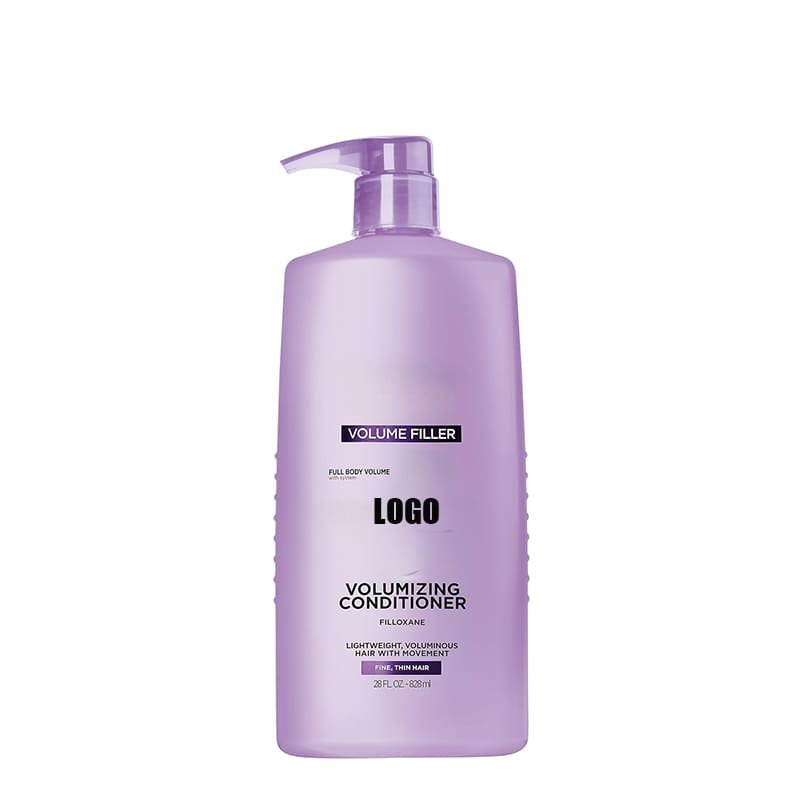
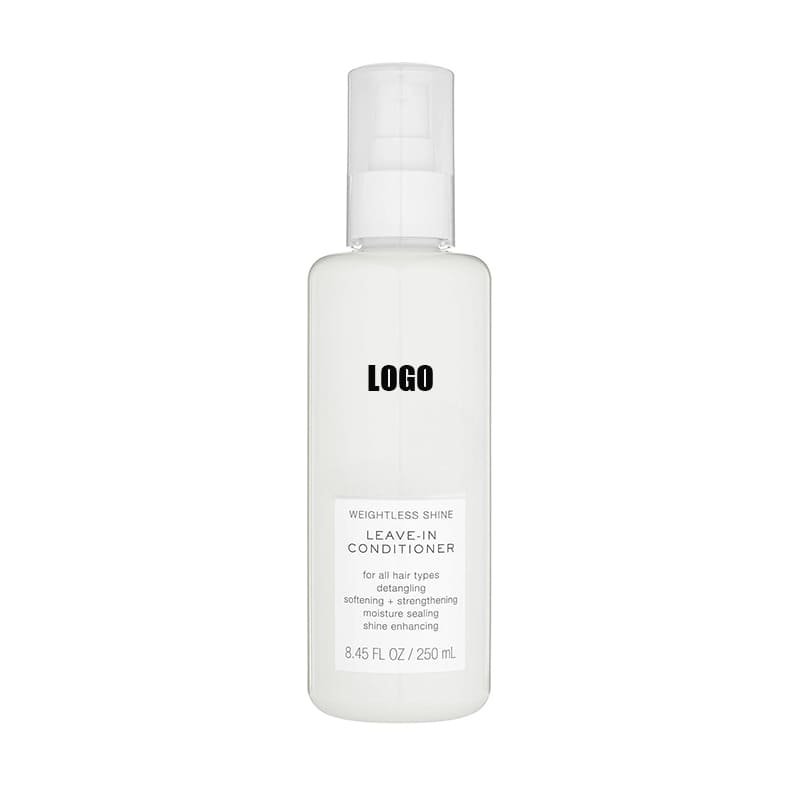
Make A Sample First?
If you have your own formula, packaging idea, logo artwork, or even just a concept, please share the details of your project requirements, including preferred product type, ingredients, scent, and customization needs. We’re excited to help you bring your personal care product ideas to life through our sample development process.
How should you design the formula and active stack for lightweight conditioner?
Start with a light conditioning base, then layer weightless emollients and support actives so hair feels smooth, detangled and bouncy instead of coated, flat or greasy.
Conditioning backbone
- Use light cationic surfactants / polymers
- Behentrimonium chloride or similar at carefully tuned levels
- Polyquats for slip without heavy build-up
- Avoid overloading with multiple heavy conditioners
- Calibrate conditioning strength
- Very fine hair: lower levels, more focus on slip and detangling
- Normal / slightly dry hair: light–medium conditioning intensity
- Use combability testing to validate claims
Weightless emollients and oils
- Choose light esters and low-viscosity oils
- C13–15 alkane, coco-caprylate/caprate, isododecane-type systems
- Small touches of argan, jojoba or sunflower for marketing story
- Avoid too much shea or heavy butters that reduce “light” perception
- Support the cuticle with film formers
- Lightweight polymers for frizz control
- Humidity-resistant systems in tropical markets
Support actives and benefits
- Hydration and barrier support
- Glycerin, panthenol, betaine for moisture balance
- Amino acids, proteins for light repair positioning
- Targeted add-ons by line
- Colour protection actives for dyed hair lines
- Anti-breakage / bond-support actives for damaged hair
- Scalp-friendly claims when used with lighter, cleaner INCI
Fragrance and gentle profile
- Keep fragrance levels moderate
- Fresh, clean olfactory families for daily-use positioning
- Allergen-reduced versions where needed for EU
- Maintain mildness and compatibility
- Balanced pH (usually around 4.0–5.0)
- Dermatologically tested or sensitive-friendly positioning where required
Testing and validation
- Instrumental tests for wet and dry combability
- Consumer tests for perceived lightness, volume and residue
- Stability and compatibility with packaging across key climates
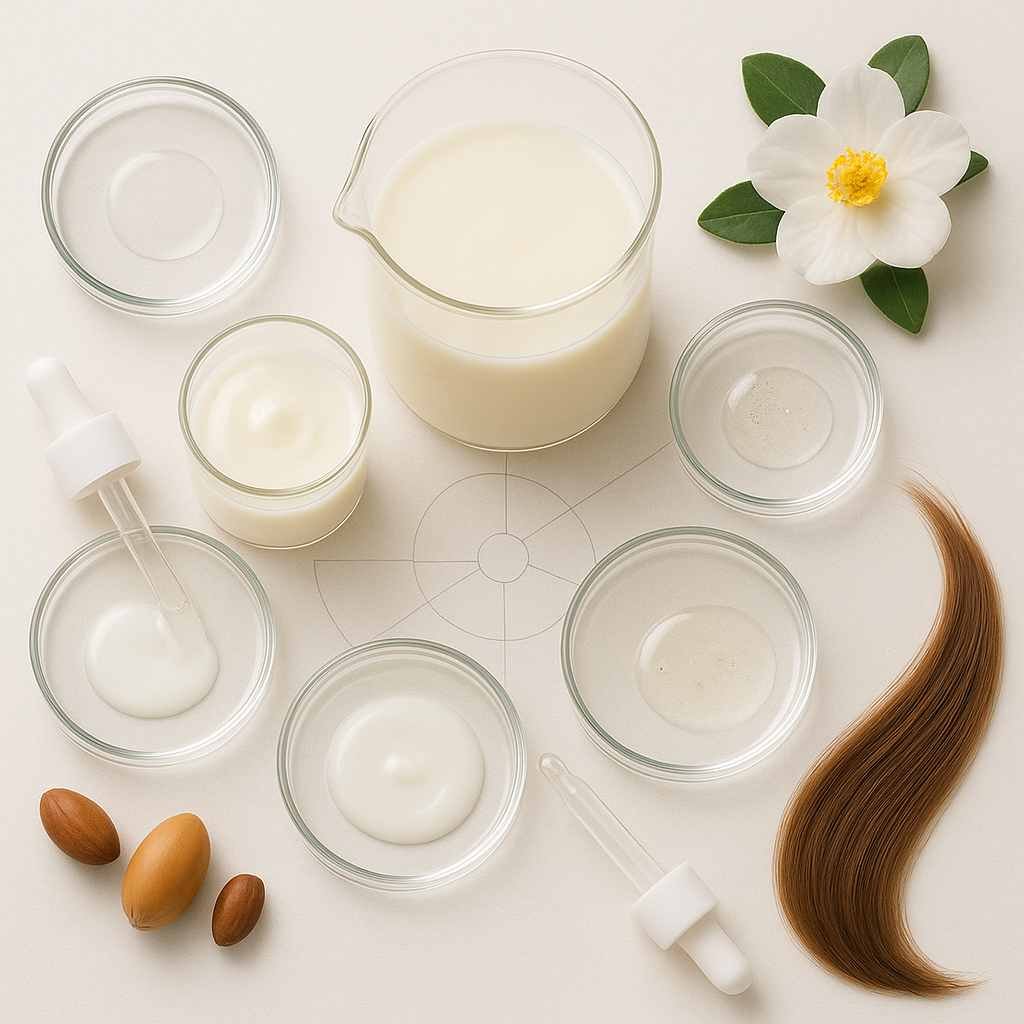
| Active / Component | Key Features | Suitable Hair Types / Uses | Recommended Combinations | Suggested Packaging |
|---|---|---|---|---|
| Cationic Conditioning Polymers (Polyquats) | Core detangling, smoothness, anti-static | All; dosage adjusted by hair type | Light esters + humectants + fragrance | Bottles, tubes, pumps |
| Cationic Guar Derivatives | Conditioning with more “natural” story | Daily/family lines, clean-leaning brands | Plant-derived esters + glycerin | Bottles, tubes |
| Amino-Silicones / Low-Viscosity Silicones | Shine, slip, heat/colour protection at low film weight | Colour, damage and styling-focused lines | Polyquats + panthenol + proteins | Bottles, tubes, sprays |
| Silicone-Free Emollients (Esters, Alkanes) | Lightweight lubrication and softness | Silicone-free, fine hair, clean-positioned lines | Polyquats + humectants + plant oils at low levels | All formats |
| Plant Oils / Butters (Low Level) | Nourishment & frizz control at carefully controlled dosage | Curly, coily, dry lengths | Conditioning polymers + humectants | Bottles, tubes |
| Panthenol / Pro-Vitamin B5 | Hydration, shine, breakage-resistance narrative | Colour/damage lines, leave-ins | Polyquats + amino-silicones or silicone alternatives | Bottles, sprays |
| Hydrolysed Proteins (Keratin, Wheat, etc.) | Strength and damage-care storytelling | Damaged, bleached or chemically treated hair | Panthenol + conditioning polymers | Bottles, tubes, sprays |
| Humectants (Glycerin, Betaine, etc.) | Moisture balance without heaviness | All; especially dry lengths and curls | Conditioning system + emollients | All formats |
| Anti-Static / Smoothing Agents | Reduced flyaways and frizz; better combability | Fine, straight, electrically sensitive hair | Polyquats + light silicones or silicone-free esters | Sprays, bottles |
| UV / Heat Protection Ingredients* | Protection narrative for colour and styling | Colour-care, heat-styling routines | Amino-silicones + antioxidants + panthenol | Bottles, sprays |
Which textures work best for lightweight conditioner?
The best lightweight conditioner textures feel fluid and easy to rinse, with enough body to coat hair evenly but not so thick that fine hair collapses or feels coated.
Considerations by market and user
- Climate
- Hot / humid regions: fluid lotions, sprayable leave-ins and gel-creams that minimise perceived film
- Cold / dry regions: slightly richer creams or milky leave-ins for extra surface protection
- Hair type
- Fine or oily-prone hair: fluid rinse-out, sprays and light gel-creams
- Normal or slightly dry hair: lightweight creams and milky leave-ins
- Mixed households: one mid-light texture that works across hair types
- Channel
- Amazon / e-commerce: clear texture visuals and “lightweight, non-greasy, easy-rinse” claims
- Salon / clinic: slightly more indulgent texture that still leaves lift at the roots
- Retail / pharmacy: familiar cream or lotion textures with simple usage instructions
Fluid rinse-out lotion
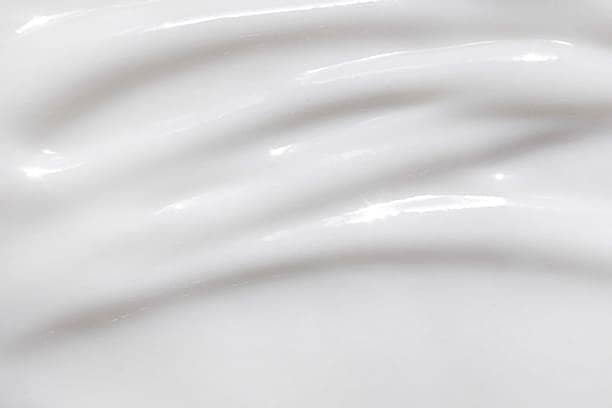
A low- to medium-density lotion that pours easily from a bottle and spreads fast through lengths; typical viscosity around 3,000–8,000 cps.
- Ideal for fine or normal hair
- Feels clean-rinsing with low residue
- Works well in humid, frequent-wash markets
Lightweight cream conditioner
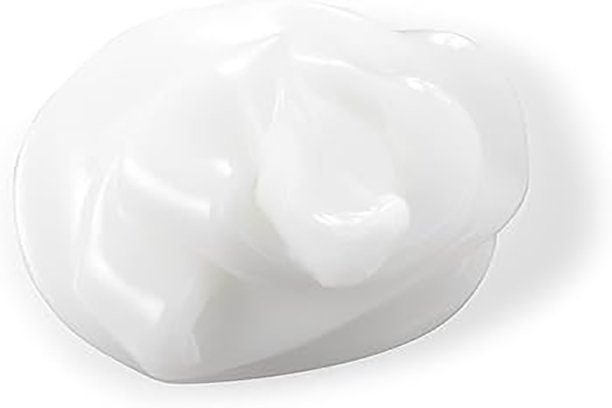
A soft cream with a cushioned feel that still rinses quickly and leaves hair bouncy; typical viscosity around 8,000–20,000 cps.
- Balances care and volume for normal–slightly dry hair
- Good for salon-inspired, more indulgent lines
- Fits both tubes and upside-down bottles
Gel-cream conditioner
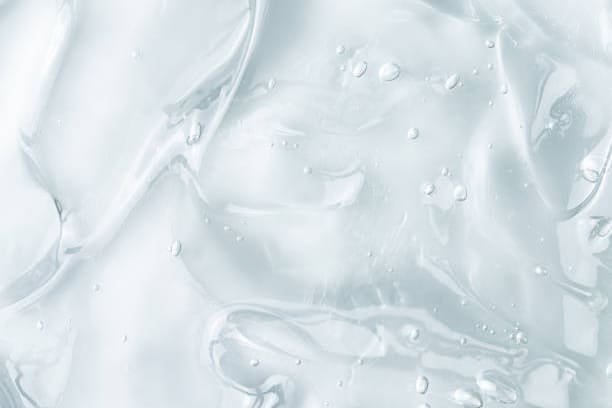
A fresh, slightly translucent gel-cream that holds shape yet melts on contact; typical viscosity around 5,000–15,000 cps.
- Modern sensorial for “weightless repair” stories
- Helps reduce oiliness perception on roots
- Attractive for younger, trend-led brands
Which packaging options make sense for lightweight conditioner?
Packaging should make the product easy to use in the shower, clearly signal “lightweight care”, align with your brand image and support stability, recyclability and logistics for your main channels.
- Brand image
- Minimalist, clean bottles for “weightless, modern” positioning
- Colour accents by hair type or fragrance family
- Matte vs glossy finishes to match line identity
- Sustainability
- PCR content in bottles and caps where feasible
- Mono-material or easy-to-recycle components
- Clear messaging: “bottle with X% recycled plastic”
- Label space & communication
- Adequate front panel space for hair type and hero benefit
- Side/back area for INCI, directions and claims
- QR codes for extended content or regimen guides
- Channel needs
- Robust, leak-tested packaging for e-commerce shipping
- Shelf-height and facing considerations for retail
- Ergonomic usage in wet, salon or home environments

Standard Bottle (200–400ml)
Core format for daily lightweight conditioners; works in shower caddies and on retail shelves.

Pump Bottle (300–500ml)
Great for family or salon back-bar sizes; easy one-hand dosing and strong bathroom presence.

Squeeze Tube (150–250ml)
Ideal for premium, colour-care or travel-friendly lines; good for controlled use and gift sets.

PCR Options
Post-consumer recycled materials and lightweight secondary packaging to support sustainability and retailer ESG goals.
What do brands most often ask about this lightweight conditioner?
Brands usually ask how light they can go without losing care, how to avoid build-up, which ingredients to highlight on the label, and what MOQs and lead times look like.
1. How do we keep the conditioner truly lightweight but still effective?
- Start with a calibrated conditioning polymer system
- Use light esters and select oils rather than heavy butters
- Validate through combability tests and user panels on fine hair
2. Can we make it silicone-free and still avoid frizz?
- Yes, with the right blend of conditioning polymers and light oils
- Film-forming polysaccharides and plant-derived emollients help
- We can develop side-by-side silicone vs silicone-free prototypes
3.What about build-up for frequent washers and gym-goers?
- Focus on systems that rinse clean and avoid overly substantive quats
- Design clear usage instructions on how much to apply and where
- Pair with clarifying or balancing shampoos in the line
4. Which claims are safest and most convincing for lightweight conditioner?
- “Weightless hydration”, “no build-up”, “non-greasy feel”
- “Soft, easy-to-detangle hair” and “hair feels light and bouncy”
- Region-appropriate claims reviewed against local regulations
5.What are the typical MOQs, lead times and costs?
- MOQs often start from 1,000–3,000 units per SKU, depending on pack
- Lab sampling: usually a few weeks for first round concepts
- Bulk production and filling timelines agreed by season and capacity
6.Can we integrate this into a wider haircare routine?
- Yes, we can map the conditioner to matching shampoos, masks and leave-ins
- Ensure fragrance, texture and claim alignment across the routine
- Build bundle concepts for e-commerce and salon retail
How will Zerun Cosmetic support private label lightweight conditioner projects?
- Our team will answer your inquiries within 12 hours.
- Your information will be kept strictly confidential.
Zerun Cosmetic helps you translate “lightweight but caring” into a concrete brief, then co-develops formulas, textures, packaging and documentation so your conditioner becomes a true hero SKU in your line.
How we work with you
- Clarify your starting point
- Target markets, hair types and price bands
- Preferred free-from, vegan or sustainability boundaries
- Existing references you like (products, textures, claims)
- Co-develop formula, texture and packaging
- Multiple lightweight conditioning directions for side-by-side testing
- Recommendations for actives and fragrance that fit your story
- Bottle, tube or spray concepts aligned with your channels
- Support testing and compliance
- Stability and compatibility testing plans
- Guidance on safety assessments and documentation by region
- Labelling and claim language suggestions that make sense commercially
- Scale from pilot to hero SKU
- MOQs and phased roll-out options for new or growing brands
- Support for line extensions once the core conditioner performs
- Consistent quality control and repeatable batches
If you’re ready to explore a private label lightweight conditioner, share your target markets, hair types and reference products, and Zerun Cosmetic can propose a clear development roadmap and sampling plan.