 Skip to content
Private label muscle pain relief cream: how can brands design an effective fast-acting external analgesic hero product?
A winning muscle pain relief cream gives brands a clear “back/shoulder/knee relief” promise that feels real in-hand: fast rub-in, non-greasy finish, no staining, and a scent level people can live with—so it actually gets repurchased, not abandoned in a gym bag.
Most failures come from skipping the hard parts: picking an OTC active story that doesn’t match the channel, under-building the sensory base (burn/sting, greasy drag, strong odor), or ignoring Drug Facts + warning requirements for the US OTC route. The winning approach is a market-appropriate OTC active system + low-residue texture engineering + packaging that controls dosing and leakage, supported by simple “how to apply” rules.
GMP/ISO • EU/US compliant docs • Samples in 3–7 days • MOQ from 1,000 pcs
What are the key specifications of this custom muscle pain relief cream?
Start by deciding the regulatory lane and “feel strategy”: counterirritant cooling/warming rubs (menthol/camphor/methyl salicylate), numbing (lidocaine), capsaicin heat, or arthritis-specific diclofenac gel. That choice drives the base, odor profile, directions/warnings, packaging, and documentation.


Spec / Parameter Card
| Field | Options / Recommendations |
|---|---|
| Core Formats | Non-greasy cream • Gel-cream • Cooling gel • Roll-on gel • Stick balm • Pump lotion (sports) |
| Regulatory Lane | US OTC external analgesic (Drug Facts required) or cosmetic “comfort/massage” (market-dependent) |
| Active System (OTC examples) | Menthol systems • Camphor/menthol/methyl salicylate systems • Lidocaine 4% systems • Capsaicin systems • Diclofenac 1% gel (arthritis-only positioning) |
| Sensory Goal | Fast rub-in • Low residue under clothing • Low staining • Controlled scent (fresh, not “medicinal overload”) |
| Claim Focus (OTC lane) | Temporary relief of minor muscle/joint aches (strain/sprain/backache); arthritis-only claims when using diclofenac-lane gels |
| Fragrance Strategy | Fragrance-free or low scent preferred; “menthol/camphor odor control” is a review driver |
| Skin Tolerance | Reduce burn/sting risk (solvent balance, cooling level, capsaicin management); clear “do not use on broken skin” rules |
| Usage Frequency | Direction-driven (often up to multiple times/day); label clarity matters more than “strong feel” |
| Stability & QC | Phase stability, viscosity drift, crystallization risk (menthol/camphor), odor drift, package leak resistance, applicator output consistency |
| Packaging Compatibility | Tube squeeze behavior, roll-on ball fit, cap seal integrity, label space for Drug Facts + warnings |
| Docs | Drug Facts + compliant warnings/directions (US OTC lane); COA/SDS; stability + compatibility summaries |
| Sampling & Lead Time | Most iterations come from: “burn/sting”, odor intensity, rub-in time, staining, leakage, and user instructions clarity |
| Typical MOQ | 1,000–3,000 pcs/SKU for validated bases; higher if custom applicators/decoration |
More Private Label Products
Private Label Sports Muscle Relief →
How to Launch Sports Muscle Relief Products →
Private Label Skincare Solutions→
Private Label Clinic Care Solutions→
Private Label Pet Care Solutions→
Private Label Tan Care Solutions→
Private Label Intimate Care Solutions→
Private Label Tattoo Care Solutions→
Private Label Facial Care Solutions→
Private Label Body Care Solutions→
Private Label Beard Care Solutions→
Private Label Hair Care Solutions →
Which customers and channels is this muscle pain relief cream for?
Muscle pain relief rubs convert best when the formula matches the usage moment: post-workout recovery, desk/back tightness, arthritis routines, or travel-size on-the-go. The product must apply cleanly, not stain clothing, and communicate safe-use rules clearly (especially in Amazon).
These products win when relief feels fast but the finish stays clean. This tab shows how we adjust the active system, cooling/heat intensity, residue level, and odor control for different users and channels.
Sports & Fitness Recovery (Fast Cool-Down Lane)
- Texture: Fast-dry gel or gel-cream, low residue.
- Core stack: Menthol-led OTC lane or comfort-led cooling system (market-dependent).
- Notes: “Reapply-friendly” and non-staining matters more than heavy oil feel.
- Micro-CTA: Build a Fast-Dry Sports Rub
Desk/Back/Neck Tightness (Anytime Relief Lane)
- Texture: Non-greasy cream with quick rub-in.
- Core stack: Camphor/menthol/methyl salicylate lane or menthol + supporting sensorial.
- Notes: Odor control + clothing-safe finish reduces returns.
- Micro-CTA: Create a Daily Back Relief Cream
Arthritis-Focused Shoppers (Targeted Joint Lane)
- Texture: Gel (clean finish) or cream (comfort).
- Core stack: Diclofenac-lane gel for arthritis-only positioning where applicable; otherwise classic external analgesic lanes.
- Notes: Clear “where it works” guidance prevents mismatch expectations.
- Micro-CTA: Develop a Joint-Focused Pain Gel
Sensitive / Low-Odor Users (Comfort-First Lane)
- Texture: Gentle cream or low-alcohol gel-cream.
- Core stack: Lower-sensory-intensity approach; consider lidocaine-lane options where appropriate.
- Notes: Minimize burn/sting; fragrance-free leaning improves reviews.
- Micro-CTA: Design a Low-Odor Gentle Rub
Massage / Studio Use (Slip + Clean Wipe Lane)
- Texture: Longer-playtime cream or massage-friendly gel-cream.
- Core stack: Channel-appropriate active lane + glide system; avoid staining oils.
- Notes: Professional use needs pump options and stable output.
- Micro-CTA: Build a Studio Massage Relief Cream
Age changes the routine goal: 20s–30s want post-workout comfort, 30s–40s want desk/back ease, 40s–50s want repeatable daily use, 50s+ prioritize joints and low irritation.
20s–30s – Post-Workout Recovery Routine
- Texture: Fast-dry cooling gel.
- Core stack: Menthol-led lane; light finish for reapplication.
- Notes: Travel-size + “no stain” is the conversion trigger.
30s–40s – Desk/Back/Neck Daily Use
- Texture: Non-greasy cream.
- Core stack: Classic counterirritant lane with odor-controlled base.
- Notes: Instructions (how much, how often) reduce misuse complaints.
40s–50s – Weekend Warrior / Active Lifestyle
- Texture: Gel-cream (balance of slip + clean finish).
- Core stack: Multi-sensory rub lane (cool/heat balance) with low residue.
- Notes: Packaging durability matters (leaks = returns).
50s–60s – Joint & Stiffness Support
- Texture: Gel or cream depending on preference.
- Core stack: Arthritis-positioned lanes where applicable; otherwise classic external analgesic lanes.
- Notes: Clear “where it works” + safety warnings build trust.
60s+ – Simple, Low-Irritation Use
- Texture: Easy-spread cream; pump preferred.
- Core stack: Comfort-first lane; conservative sensory intensity.
- Notes: Label readability + easy dosing improves adherence.
What can top-selling muscle pain relief rubs teach your formula design?
Top sellers show three winning archetypes: cooling menthol gels, warming/cooling counterirritant creams, and numbing or arthritis-specific drug lanes. Shoppers quit fast when products stain, smell too strong, leak in shipping, or trigger “burn/sting” complaints—so sensory + packaging are as important as the active story.
| Brand / Product | Core Actives (label examples) | Format / Texture | Strengths | Gaps / Considerations |
|---|---|---|---|---|
| Biofreeze Pain Relief Gel | Menthol 4% | Cooling gel | Fast-dry, “fresh” feel; strong sports equity | Menthol intensity must be tuned; alcohol feel can polarize |
| Icy Hot Pain Relief Cream | Menthol 10% + Methyl salicylate 30% | Cream | Classic hot/cold story; strong mass recognition | Odor and residue control are make-or-break |
| BENGAY Ultra Strength Cream | Camphor 4% + Menthol 10% + Methyl salicylate 30% | Cream | “Max strength” positioning; strong warming lane | Can feel intense; staining/greasy complaints if base isn’t clean |
| Aspercreme with Lidocaine | Lidocaine HCl 4% | Non-greasy cream | Low odor, “numbing” clarity; fragrance-free appeal | Needs clear directions to avoid overuse and misuse expectations |
| Salonpas Deep Relieving Gel | Camphor 3.1% + Menthol 10% + Methyl salicylate 15% | Gel | Clean finish; strong “deep relief” perception | Gel slip vs dryness balance; avoid flaking/tight feel |
| Advil Targeted Relief Cream | Camphor 3.1% + Capsaicin 0.025% + Menthol 10% + Methyl salicylate 15% | Cream | Multi-active differentiation; “works on contact” story | Capsaicin heat management is critical (burn complaints) |
| Voltaren Arthritis Pain Gel | Diclofenac sodium 1% (NSAID) | Gel | Arthritis-specific positioning; “treat at source” story | Positioning boundaries are narrower; label discipline is strict |
| Tiger Balm Red Ointment | Camphor + menthol + essential oil blend | Ointment/balm | Heritage trust; strong sensorial heat | Ointment feel can be heavy; scent is intense and polarizing |
Custom Funtion Formula for your brand? You can review skincare function formulation pages:
Custom Sensitive Skin Care Formulations→ ,Custom Anti Inflammatory Formulations→,Custom Refreshing Formulations →
Muscle Pain Relief Cream Finish Products you may want to reference:


Make A Sample First?
If you have your own formula, packaging idea, logo artwork, or even just a concept, please share the details of your project requirements, including preferred product type, ingredients, scent, and customization needs. We’re excited to help you bring your personal care product ideas to life through our sample development process.
How should you design the formula and active stack for muscle pain relief cream?
Treat this as a regulated “user experience + compliance” product, not just a strong-smelling rub. In the US OTC lane, the active system and Drug Facts/warnings shape everything from solvent choices to packaging and directions.
Step 1 – Define the job and usage lane
- Pick the hero use-case: sports recovery, desk/back, arthritis-focused, or low-odor sensitive users
- Decide the regulatory path by market: OTC external analgesic vs cosmetic comfort/massage
- Set the experience target: rub-in time, residue, staining risk, scent level, and “heat/cool intensity”
Step 2 – Choose the active system that matches the channel
- Menthol cooling gel lane (sports + quick dry)
- Counterirritant hot/cold lane (menthol + methyl salicylate + optional camphor)
- Lidocaine numbing lane for low-odor users; diclofenac-lane gel for arthritis-only positioning where applicable
Step 3 – Balance performance with tolerance and finish
- Control burn/sting and “too hot” complaints (solvent balance, capsaicin/menthol management)
- Engineer for clothing-friendly feel (non-greasy, low transfer, low staining)
- Keep scent acceptable: reduce “medicinal overload” while staying honest to actives
Step 4 – Validate stability, compatibility, and real-use behavior
- Watch crystallization/phase drift and odor drift across temperature cycles
- Confirm packaging: leak resistance, cap seal, roll-on ball fit, pump output stability
- Lock compliant directions/warnings and user rules (avoid broken skin, avoid heat devices, etc.)

| Active (Typical label examples) | Key Features | Suitable Uses / Users | Recommended Combinations | Suggested Packaging |
|---|---|---|---|---|
| Menthol (4–10%) | Cooling counterirritant sensation | Sports recovery; “fresh feel” users | With clean gel base; optional methyl salicylate | Tube, pump, roll-on |
| Methyl salicylate (15–30%) | Warming counterirritant lane | Back/shoulder rub archetype | With menthol; odor-controlled cream base | Tube (laminated), jar (limited) |
| Camphor (3.1–4%) | Heat/cool sensorial reinforcement | “Max strength” users | With menthol + methyl salicylate | Tube |
| Lidocaine HCl (4%) | Numbing topical anesthetic lane | Low-odor, sensitive users; targeted spots | With fragrance-free, low-irritant base | Tube, pump |
| Capsaicin (0.025% example) | Heat lane with strong perception | Experienced users | With careful solvent system + clear directions | Tube |
| Diclofenac sodium (1%) | NSAID arthritis gel lane | Arthritis-only positioning | Typically stand-alone drug lane | Tube with strong labeling space |
Which textures work best for muscle pain relief cream?
The best muscle pain relief cream textures spread fast, leave low residue, and keep sensory intensity controlled (no “burning surprise”), while staying stable across heat/cold shipping and daily bathroom storage.
Considerations by market and user
- Climate:Hot / humid: fast-dry gels and gel-creams that don’t feel sticky under clothing. Cold / dry: non-greasy creams with a little cushion (avoid heavy ointment drag)
- Skin type & routine. Sensitive users: lower sting potential, fragrance-free leaning, conservative heat level. Athletes: quick reapply, minimal transfer to fabrics, cooling first. Night users: richer slip is acceptable if it doesn’t stain bedding
- Channel:Amazon / e-commerce: leaks, stained boxes, and “too strong smell” are return multipliers. Retail: first-touch sensory (rub-in speed + finish) drives conversion. Professional/studio: pumps and predictable output beat droppers/jars
Fast-dry cooling gel-cream (sports lane)

A light gel-cream with quick dry-down; typical viscosity around 2,000–15,000 cps.
- Suitable for: gym users, humid climates, daytime reapplication
- Key selling points: clean finish, low transfer, “cool-on-contact” feel
- Packaging/use tips: tube or pump; clear “thin layer” guidance
Non-greasy rub-in cream (daily back/shoulder lane)

A classic cream engineered for fast rub-in; typical viscosity around 20,000–80,000 cps.
- Suitable for: desk/back routines, broader audiences
- Key selling points: strong perception without oily drag, clothing-friendly feel
- Packaging/use tips: laminated tube; manage scent and staining risk
Balm/ointment comfort rub (heritage heat lane)
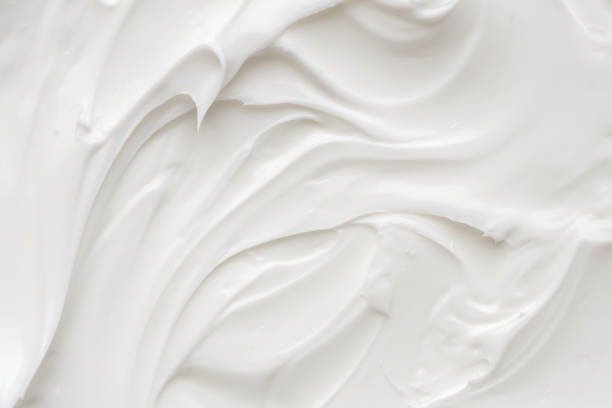
A semi-occlusive balm with long slip; typical viscosity around 80,000–250,000 cps.
- Suitable for: night use, dry climates, users who like “traditional balm” feel
- Key selling points: long massage playtime, strong sensorial identity
- Packaging/use tips: jar or stick; warn about transfer/staining expectations
Which packaging options make sense for muscle pain relief cream?
Choose packaging that prevents leaks, supports controlled dosing, and leaves enough label space for directions and warnings—especially in OTC lanes.
Factors to align with your brand
- Application method:Laminated tubes for controlled squeeze + travel durability. Pumps for studio/home repeat use and dosing consistency. Roll-on for no-mess targeted application (but requires ball-fit validation)
- Stability & protection:Tight seals to reduce leakage and odor loss. Output stability (no clogging, no sputter)
- Label and compliance space:Drug Facts + warnings/directions for US OTC lane
- Sustainability direction:PCR tubes/bottles where feasible; PCR caps/components where feasible
- Channel needs:Amazon: leak resistance + scuff-proof decoration. Retail: premium tactile packaging cues; clear benefit hierarchy.

Laminated Tube (60–120g)
Best all-around for leak control and label space.
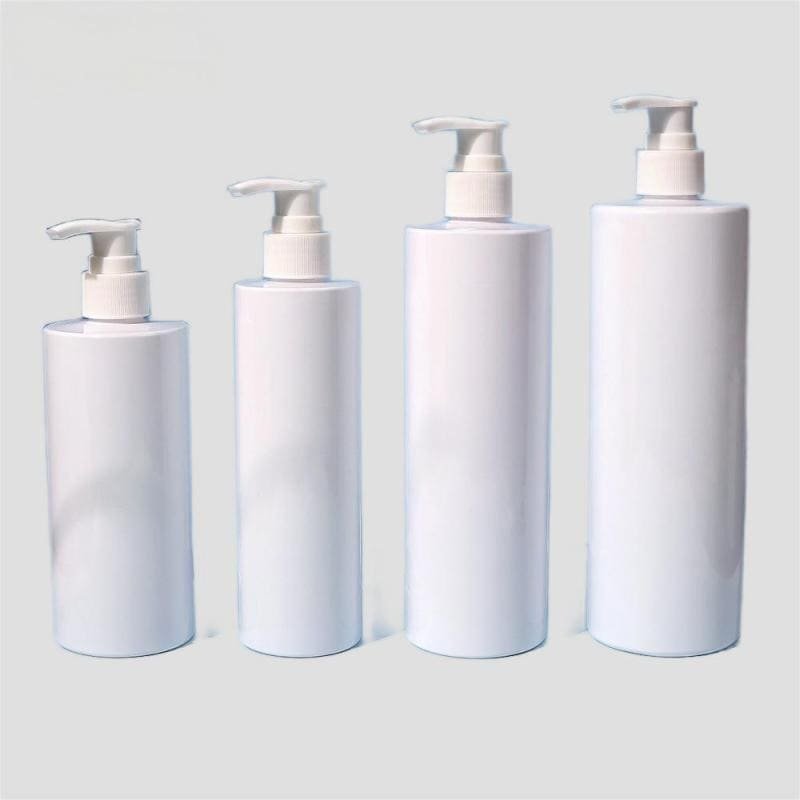
Pump Bottle (sports/studio)
Best for repeat dosing and clean use.

Jar (balm lane)
Only if the brand accepts higher transfer risk.

PCR Options
Post-consumer recycled components where feasible.
What do brands most often ask about this muscle pain relief cream?
Brands usually ask which OTC active story fits Amazon and sports channels, how to reduce burn/sting and strong odor complaints, how to prevent staining and leakage returns, and what documentation is needed for a compliant US OTC launch.
1. Which active system sells best: menthol, hot/cold rubs, lidocaine, or diclofenac gel?
- Menthol gels win sports and “fresh feel” buyers; hot/cold rubs win classic back/shoulder routines
- Lidocaine lanes attract low-odor, “numbing” shoppers
- Diclofenac gels are arthritis-specific and require tighter positioning discipline
2. How can burn/sting complaints be reduced?
- Control solvent balance and sensory intensity (especially capsaicin/menthol heat)
- Use a non-greasy base that spreads fast so users don’t over-rub
- Add clear “thin layer” + “stop if irritation” directions
3. Can this be used with heat pads or tight bandaging?
- Many OTC labels warn against heating devices and tight bandaging—build directions accordingly
- Design the product to feel effective without requiring heat “boosting”
- Make warnings highly readable for Amazon and retail shoppers
4. How do you prevent staining, greasy feel, and strong lingering odor?
- Engineer for low transfer (fast rub-in, controlled oils/waxes)
- Manage odor at the base level; avoid fragrance masking that creates “weird scent” reviews
- Validate with fabric rub tests and in-use panels (shirt collar, bedsheets)
5. What testing and documentation matter most for US OTC and Amazon readiness?
- Drug Facts + compliant warnings/directions are non-negotiable in the OTC lane
- Stability + packaging compatibility reduce leaks, separation, and odor drift returns
- COA/SDS and batch QC anchors support consistent reorders
6. Tube vs pump vs roll-on—what should be chosen?
- Tubes are the safest default for shipping durability and label space
- Pumps fit studio/home repeat use and controlled dosing
- Roll-ons improve “no mess” but need stricter fit/output validation to avoid failures
How will Zerun Cosmetic support private label muscle pain relief cream projects?
- Our team will answer your inquiries within 12 hours.
- Your information will be kept strictly confidential.





Zerun supports muscle pain relief cream brands with market-appropriate active lane planning, clean-finish texture engineering, and channel-ready packaging—helping you launch a rub that feels credible, applies cleanly, and earns repeat purchase.
We start from your reality:
- Your target users (sports recovery, desk/back, joint routines) and climates
- Your lane choice (menthol, hot/cold counterirritant, lidocaine, arthritis gel) and channel plan (Amazon, retail, studio)
- Your packaging preference, scent policy, and budget for stability and compatibility testing
We co-develop formulas, formats and routines:
- Fast-dry gels, non-greasy creams, and balm textures designed for low transfer and quick rub-in
- Sensory intensity control to reduce burn/sting and “too strong smell” complaints
- Simple usage rules (dose, frequency, what to avoid) that reduce misuse reviews
We help plan claims, tests and documentation:
- Market-appropriate claim boundaries and label-ready directions/warnings for OTC lanes
- Stability, odor/phase drift tracking, and packaging compatibility validation
- On-pack guidance that reduces staining, leakage, and irritation complaints
If you already have reference products or ideas, share:
- Links/photos of products you like (rub-in speed, scent level, finish, packaging)
- Your “must avoid” issues (burning, greasy residue, staining, leakage, overpowering odor)
- Your target markets, initial volumes, and desired launch timing
Based on this, we can propose a clear muscle pain relief cream development roadmap and sampling plan. Use the contact form, email or WhatsApp on this site to start your private label muscle pain relief cream project with Zerun.

