Skip to content
Private label pain relief cream: how can brands design an effective fast-acting topical comfort hero product?
A winning pain relief cream gives brands a simple promise shoppers immediately understand: fast comfort for sore muscles and stiff joints—without greasy residue, overpowering odor, or “it burned my skin” complaints. The best products also feel great to apply (massage slip), absorb cleanly, and stay stable through shipping and seasonal heat/cold.
Most failures come from treating “pain relief” like a cosmetic claim. In many markets (especially the US), pain relief is an OTC drug pathway, which means the active system, Drug Facts labeling, warnings, and compliance gates matter as much as texture. Brands also need to avoid high-risk positioning tied to cosmetic procedures (including tattoo-related pain claims), which FDA has specifically flagged.
What are the key specifications of this custom pain relief cream?
Start by deciding which lane you’re building, because it changes everything: counterirritant cooling/warming (menthol/camphor/methyl salicylate or capsaicin), numbing (lidocaine), or anti-inflammatory arthritis lane (diclofenac 1%). Those choices drive claims, warnings, format, sensory profile, and packaging from day one.


Spec / Parameter Card
| Field | Options / Recommendations |
|---|---|
| Regulatory Lane (Market-Dependent) | OTC topical analgesic / arthritis pain reliever pathway in the US when making “pain relief” claims |
| Core Formats | Cream • Gel-cream • Gel • Ointment/balm • Roll-on lotion • Tube-first concepts for mass retail/e-commerce |
| Primary Active System | Cooling counterirritant (menthol ± camphor/methyl salicylate) • Warming (capsaicin) • Numbing (lidocaine) • Arthritis NSAID gel (diclofenac 1%) |
| Sensory Target | Fast onset perception (cool/heat/numble feel) with low residue; control “too strong” sting and lingering odor complaints |
| Skin Feel & Slip | Massage-friendly glide, then clean absorb; avoid heavy petrolatum feel unless building a balm/ointment SKU |
| Fragrance Strategy | Low fragrance or fragrance-free leaning is safer for tolerance; active odor control (especially menthol/camphor lanes) improves repeat purchase |
| Skin Type Fit | Normal • active/sport users • mature/joint-focused users; sensitive-skin lane requires gentler sensation + clear warnings/instructions |
| Usage Frequency | Typical OTC-style directions are multiple applications per day (label-driven); design formula to avoid tack buildup |
| Stability & QC | Viscosity drift • phase stability • active uniformity • odor control • packaging compatibility (tube crimp integrity, cap seal, pump output consistency) |
| Packaging Compatibility | Volatile actives and strong odor systems need tight seals and low-permeation components; e-commerce requires leak resistance |
| Docs | COA/SDS • stability/micro (as applicable) • label set and claim boundary review; Drug Facts style compliance for OTC lanes |
| Sampling & Lead Time | Iterations usually come from sensation tuning (too hot/too cold), residue control, and packaging odor/leak management |
| Typical MOQ | 1,000–3,000 pcs/SKU for validated bases; higher for custom dispensing components or premium decoration |
More Private Label Products
Private Label Sports Muscle Relief →
How to Launch Sports Muscle Relief Products →
Private Label Skincare Solutions→
Private Label Clinic Care Solutions→
Private Label Pet Care Solutions→
Private Label Tan Care Solutions→
Private Label Intimate Care Solutions→
Private Label Tattoo Care Solutions→
Private Label Facial Care Solutions→
Private Label Body Care Solutions→
Private Label Beard Care Solutions→
Private Label Hair Care Solutions →
Which customers and channels is this pain relief cream for?
Pain relief topicals sell best when the shopper can self-select the lane in 3 seconds: cooling fast relief, warming deep comfort, numbing spot relief, or arthritis-focused daily use. Reviews are won or lost on sensory strength, residue, and whether the packaging leaks in transit.
Pain relief creams convert when the lane is obvious and the skin feel is clean. This tab maps cooling, warming, numbing, and arthritis-focused concepts to textures, active systems, and packaging that reduce complaints.
Sports / Post-Workout Soreness (Cooling “Fast Feel” Lane)
- Texture: Fast-absorbing gel-cream or light cream.
- Core stack: Menthol-led counterirritant system (lane-dependent).
- Notes: Control intensity and odor; “not greasy” is the review driver.
- Micro-CTA: Build a Cooling Fast-Feel Cream
Back / Neck Tension (Massage Slip Lane)
- Texture: Richer cream with extended slip, then clean finish.
- Core stack: Cooling-warming perception balance (system-dependent).
- Notes: Slip matters more than “strong burn”; avoid staining residue.
- Micro-CTA: Create a Massage-Slip Relief Cream
Arthritis / Daily Joint Comfort (Arthritis Gel Lane)
- Texture: Pharmaceutical-style gel (non-greasy, measured dosing).
- Core stack: Diclofenac 1% arthritis pain reliever lane (market-dependent).
- Notes: Dosing clarity and warnings are essential; tube integrity is critical.
- Micro-CTA: Develop an Arthritis-Use Gel SKU
Spot Relief / “Numbing” Preference (Numbing Lane)
- Texture: Cream/lotion with fast dry-down.
- Core stack: Lidocaine 4% topical anesthetic lane (market-dependent).
- Notes: Strong compliance boundaries; avoid risky procedure-related positioning.
- Micro-CTA: Design a Clean Numbing Cream
Sensitive / “Too Strong Burns” Shoppers (Comfort-Control Lane)
- Texture: Low-fragrance cream with controlled sensation curve.
- Core stack: Lower-intensity perception within the chosen lane + comfort emollients (lane-dependent).
- Notes: Clear “how much/how often” instructions reduce irritation reviews.
- Micro-CTA: Tune a Gentle-Feel Relief Cream
Age changes the reason to buy: younger users want post-gym speed, 30s–40s want desk/back comfort, 50s+ want joint routines. This tab adapts texture, dosing, and packaging for real habits.
Teens & 20s – Post-Workout “Quick Fix”
- Texture: Cooling gel-cream, fast dry, no residue.
- Core stack: Cooling counterirritant lane with clean finish.
- Notes: Low mess + travel-friendly tubes win.
20s–30s – Active Lifestyle + On-the-Go
- Texture: Light cream with fast absorb.
- Core stack: Cooling or balanced lane (system-dependent).
- Notes: Odor control and “won’t stain clothes” positioning reduce returns.
30s–40s – Desk Neck/Back + Massage Use
- Texture: Creamier slip for massage, then non-greasy finish.
- Core stack: Counterirritant lane tuned to feel strong but tolerable.
- Notes: Pump/tube dosing consistency improves repeat purchase.
40s–60s – Stiff Joints + Daily Routine
- Texture: Gel or cream chosen for daily compliance and comfort.
- Core stack: Arthritis-focused lane where applicable (market-dependent).
- Notes: Clear instructions and warnings matter more than “strong feel.”
60s+ – Simplicity + Easy Dispensing
- Texture: Cream or gel with easy spread.
- Core stack: Lane chosen for comfort and predictable use.
- Notes: Easy-open caps, controlled dispensing, and readable label layout.
What can top-selling pain relief creams teach your formula design?
Top sellers prove there isn’t one “best” pain relief cream—there are lanes. Menthol/camphor/methyl salicylate dominates the cooling counterirritant lane, lidocaine owns the numbing lane, diclofenac leads the arthritis gel lane, and capsaicin plays the warming lane. Winning formulas pair a clear lane story with packaging that won’t leak and a skin feel that doesn’t annoy shoppers after day 3.
| Brand / Product | Core Actives (typical) | Format / Texture | Strengths | Gaps / Considerations |
|---|---|---|---|---|
| Voltaren Arthritis Pain Gel | Diclofenac sodium 1% | Gel (tube) | Clear arthritis lane; non-greasy pharma feel | Strong labeling/warnings expectations; routine instructions must be precise |
| Biofreeze Pain Relief | Menthol (menthol-led lane) | Gel/roll-on | Instant cooling perception; sports channel fit | Odor intensity and drying feel need control (lane tuning) |
| Bengay Ultra Strength | Camphor 4% + Menthol 10% + Methyl salicylate 30% | Cream | Strong “classic” counterirritant equity | High intensity can trigger sensitivity complaints; odor control matters |
| Icy Hot Cream | Menthol 10% + Methyl salicylate 30% | Cream/stick | Familiar hot/cold positioning; high mass demand | Residue and intensity balance; leakage in transit is a review killer |
| Tiger Balm (Ultra/White) | Camphor + Menthol (varies by SKU) | Ointment/balm | Heritage trust; strong sensation | Balm feel can be polarizing; strong scent, petrolatum base expectations |
| Aspercreme with Lidocaine | Lidocaine HCl 4% | Cream/lotion | Clear “numbing” lane; spot-use clarity | Higher compliance sensitivity; avoid procedure-related marketing risk |
| Salonpas Deep Relieving Gel | Camphor 3.1% + Menthol 10% + Methyl salicylate 15% | Gel | Gel feel + strong perception; e-commerce friendly | Gel can pill under clothing if tack isn’t tuned |
| Capsaicin Cream | Capsaicin 0.025% or 0.1% (SKU-dependent) | Cream | Warming lane with distinct repeat users | “Burning” complaints are common without clear onboarding rules |
Custom Funtion Formula for your brand? You can review skincare function formulation pages:
Custom Barrier Repair Formulations →Custom Sensitive Skin Care Formulations →Custom After Sun Formulations →Custom Refreshing Formulations →
Pain Relief Cream Finish Products you may want to reference:


Make A Sample First?
If you have your own formula, packaging idea, logo artwork, or even just a concept, please share the details of your project requirements, including preferred product type, ingredients, scent, and customization needs. We’re excited to help you bring your personal care product ideas to life through our sample development process.
How should you design the formula and active stack for pain relief cream?
Treat “pain relief” as a compliance-led product design problem, not just a sensory problem. In the US, pain relief claims typically place the product into OTC drug territory with Drug Facts, active rules, and warnings; the formula must be built to match the lane and the label from the start.
Step 1 – Define the job and usage lane
- Cooling counterirritant vs warming capsaicin vs numbing lidocaine vs arthritis diclofenac lane
- Decide the “strength perception” target (strong vs gentle feel) and the residue target (gel-clean vs massage cream)
- Lock channel reality: e-commerce leak risk, odor tolerance, and repeat-use comfort
Step 2 – Choose the active system that matches the label strategy
- Menthol/camphor/methyl salicylate counterirritant lane (classic hot/cold story)
- Lidocaine lane for “numbing” positioning (spot-use clarity is key)
- Diclofenac 1% lane for arthritis positioning (strict instruction expectations)
- Capsaicin lane for warming users (needs onboarding instructions)
Step 3 – Balance results with tolerance and sensory
- Tune the sensation curve (too fast/too hot = complaint risk; too weak = “did nothing” reviews)
- Control odor and “medicinal” after-smell without masking that irritates skin
- Engineer slip + absorb: enough massage glide, then low residue for clothing contact
Step 4 – Validate stability, compatibility, and compliance gates
- Confirm package sealing and odor containment; run shipping heat/cold and leak testing for e-commerce
- Verify dose consistency (tube output, pump sputter, roll-on ball performance) and phase stability
- Run label/claim boundary checks early; avoid risky “procedure pain” marketing angles that trigger enforcement attention

| Active (Common OTC Levels) | Key Features | Suitable Uses / User Types | Recommended Combinations | Suggested Packaging |
|---|---|---|---|---|
| Menthol (often 3–10%) | Cooling counterirritant “fast feel” | Sports soreness, quick comfort lanes | With compatible counterirritants by lane | Tight-seal tubes, pump where feasible |
| Camphor (often ~3–11%) | Strong counterirritant perception | Heritage balm/ointment users | With menthol in classic lanes | Ointment jars/tins, sealed tubes |
| Methyl Salicylate (often ~10–30%) | “Hot” counterirritant lane driver | Muscle/joint aches lanes | With menthol (classic hot/cold) | Tube (laminate preferred), secure caps |
| Lidocaine HCl (4%) | Numbing/spot relief lane | Targeted areas; “numb feel” seekers | Keep concept simple to reduce misuse | Tube or controlled pump; clear dosing |
| Diclofenac sodium (1%) | Arthritis pain reliever lane | Daily joint routine users | Typically standalone lane with strict directions | Tube; tamper evidence and clarity |
| Capsaicin (0.025%–0.1%) | Warming lane; repeat-user favorite | Chronic “warmth” preference shoppers | Needs onboarding guidance to reduce burn complaints | Tube; avoid eye-contact risk positioning |
Which textures work best for pain relief cream?
The best pain relief cream textures spread easily for massage, deliver a clear cooling/warming/numbing perception, then dry down to a clean finish—without greasy transfer to clothes and without sensation spikes that trigger irritation complaints.
Considerations by market and user
- Climate:Hot / humid: gel-creams and light creams that dry fast and don’t feel oily. Cold / dry: richer creams or ointment-leaning textures that keep slip and comfort
- Skin type & routine:Sensitive skin: controlled sensation curve, low fragrance, clear “start small” rules. Active users: fast dry-down and low residue to avoid clothing transfer. Mature users: more cushion slip for massage, but still non-greasy finish
- Channel:Amazon / e-commerce: leakage, strong odor, and “burned my skin” are return drivers—packaging seal + tolerance testing are non-negotiable. Retail: first-touch sensory and absorb speed decide trial conversion. Sports/clinic: practical dispensing and fast feel outperform “luxury heavy” textures
Fast-dry cooling gel-cream (sport + daytime lane)

A light gel-cream with quick absorb; typical viscosity around 8,000–25,000 cps.
- Suitable for: gym users, humid climates, daytime use under clothing
- Key selling points: quick cooling feel, non-greasy finish, low transfer
- Packaging/use tips: laminate tube or pump; design cap seals for travel
Massage-slip relief cream (balanced comfort lane)

A cream with longer playtime for massage; typical viscosity around 35,000–90,000 cps.
- Suitable for: neck/back massage users, home routines, cold/dry climates
- Key selling points: great slip, comforting feel, absorbs without sticky film
- Packaging/use tips: tube or jar; add clear “wash hands after” guidance
Anhydrous balm/ointment (heritage + intense lane)
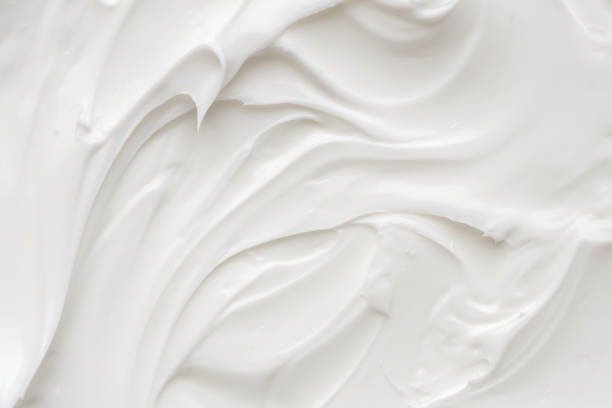
A wax/petrolatum-style balm; typical viscosity around 80,000–200,000+ cps.
- Suitable for: traditional balm users, targeted spots, cold weather
- Key selling points: strong sensory, long-lasting feel, highly portable
- Packaging/use tips: tin/jar with tight closure; manage scent expectations
Which packaging options make sense for pain relief cream?
Choose packaging that prevents leakage, contains strong odor systems, dispenses repeatable doses, and leaves enough label space for clear directions and warnings (especially for OTC lanes).
Factors to align with your brand
- Application method:Tubes for mass retail and e-commerce durability. Pumps for cleaner use and repeatable dosing (when formula allows). Jars/tins for balm concepts and heritage positioning
- Stability & protection:Tight seals to reduce evaporation/odor escape (menthol/camphor lanes). Tamper evidence and cap integrity for shipping. Consistent output (no clogging/sputter) across temperature swings
- Sustainability direction:PCR tubes/bottles where feasible. PCR caps/components where feasible. Simplify component mix to improve recyclability
- Label and artwork space:Clear directions, warnings, and “wash hands after” style instructions (lane-dependent). Avoid risky procedure-related claims; keep positioning compliant
- Channel needs:Amazon: leak resistance and odor containment reduce returns. Retail: tactile premium and easy-open closures improve conversion. Sports/clinic: fast dispense and portability matter most

Laminate Tube (50–120g)
Best all-around for e-commerce durability and odor containment.
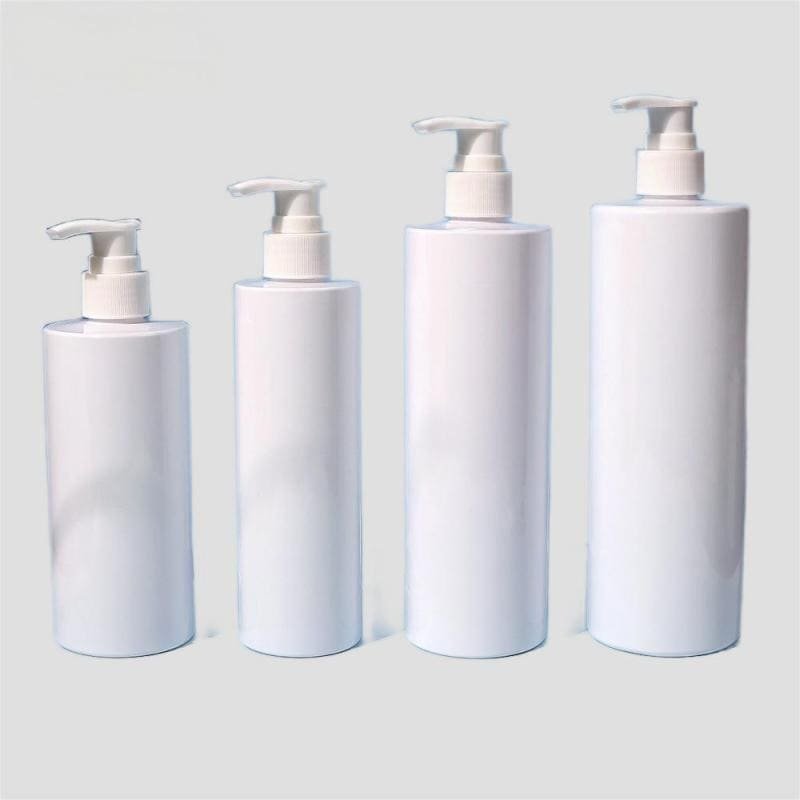
Pump Bottle (100–200ml)
Cleaner dispensing for daily-use creams (formula-dependent).

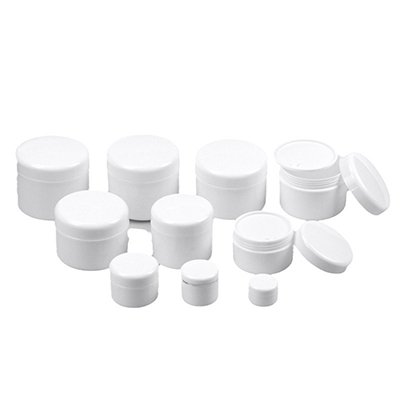
Tin/Jar (balm lane)
Strong heritage cue; prioritize tight sealing.
PCR Options
Post-consumer recycled components where feasible.
What do brands most often ask about this pain relief cream?
Brands usually ask which active lane is safest for their target market (cooling vs warming vs numbing vs arthritis), how to avoid “too strong/burning” reviews, how to prevent leakage and odor during shipping, and how to keep positioning compliant—especially avoiding high-risk claims tied to cosmetic procedures.
1. Is “pain relief cream” a cosmetic or an OTC drug product?
- “Pain relief” is typically treated as an OTC drug claim in the US, requiring Drug Facts and compliant actives
- Cosmetic-style positioning usually shifts to “soothing comfort” or “cooling sensation,” not pain treatment
- Classification varies by market, so the label strategy must be decided before finalizing the formula
2. Which lane sells best: cooling, warming, numbing, or arthritis gel?
- Cooling counterirritants (menthol-led) win broad mass demand and sports use
- Numbing (lidocaine) is a clear “spot” lane with strong expectations and strict boundaries
- Arthritis gel (diclofenac 1%) is a distinct routine lane with very specific directions and warnings
3. How can “burning” or irritation complaints be reduced?
- Control the sensation curve (avoid spike intensity) and keep fragrance low
- Add clear use rules: start small, avoid broken skin, wash hands after application
- Validate across sensitive-skin panels and real clothing-contact scenarios (transfer/friction)
4. What prevents leakage and strong odor issues during shipping?
- Use tight-seal packaging (tube barrier, cap seal, tamper evidence) and test in heat/cold cycles
- Optimize formula rheology so it won’t thin out in transit and seep into the cap
- Treat odor containment as a packaging KPI, not just a fragrance decision
5. Why is “procedure pain relief” positioning risky (including tattoo-related angles)?
- FDA has issued enforcement actions around topical pain relief products marketed for use before/during/after cosmetic procedures
- Claims can exceed allowed indications and raise serious safety concerns
- Safer strategy is to keep positioning within the approved lane and avoid procedure-linked marketing
6. What are typical MOQs, lead times, and main cost drivers?
- Typical MOQ: 1,000–3,000 units per SKU, higher for custom components or premium decoration
- Lead time is driven by sensory iteration, packaging leak/odor testing, and compliance review cycles
- Cost drivers: active lane choice, packaging barrier level, and validation/testing depth
How will Zerun Cosmetic support private label pain relief cream projects?
- Our team will answer your inquiries within 12 hours.
- Your information will be kept strictly confidential.





Zerun supports pain relief cream brands with lane-first formula design, controlled-sensation texture engineering, and channel-ready packaging plans—so your hero SKU delivers fast comfort with fewer irritation complaints and fewer shipping returns.
We start from your reality:
- Your target users (sports soreness, massage use, arthritis routine, spot relief) and climates
- Your lane choice and compliance path by market (cooling/warming/numbing/arthritis gel)
- Your channel plan (Amazon, retail, clinic) and your leakage/odor tolerance thresholds
We co-develop formulas, formats and routines:
- Fast-dry gel-creams, massage-slip creams, and balm/ointment textures with controlled intensity
- Active-lane sensory tuning to reduce “too strong” and “did nothing” reviews
- Simple usage rules (dose, frequency, wash-hands guidance) that reduce misuse complaints
We help plan claims, tests and documentation:
- Label and claim boundary planning to match the chosen lane and market requirements
- Stability, packaging leak testing, odor containment checks, and temperature-cycle validation
- Channel-ready packaging specs (cap seals, tamper evidence, ship-tested tubes)
If you already have reference products or ideas, share:
- Links/photos of products you like (lane, sensation strength, finish, packaging)
- Your “must avoid” issues (burning, greasy residue, odor, leakage, staining)
- Your target markets, initial volumes, and desired launch timing
Based on this, we can propose a clear pain relief cream development roadmap and sampling plan. Use the contact form, email or WhatsApp on this site to start your private label pain relief cream project with Zerun.