Skip to content
Private label selenium sulfide shampoo: how can brands build a high-efficacy anti-dandruff hero without crossing compliance lines?
A successful selenium sulfide shampoo helps control visible flakes, itch, and scalp irritation while keeping hair clean and manageable—without over-drying, staining, strong odor, or a “medicated” user experience that kills repeat purchase.
Many brands copy “extra strength” positioning without understanding that selenium sulfide is regulated very differently by market. In the US, selenium sulfide dandruff products sit under the OTC drug framework (Drug Facts, monograph conditions), while many other regions treat anti-dandruff shampoos as cosmetics with specific concentration limits and warning statements.
What are the key specifications of this custom selenium sulfide shampoo?
You need to define your target markets, the selenium sulfide level, claims/labeling pathway, scalp type focus, cleansing system, and the sensorial profile before we lock development.

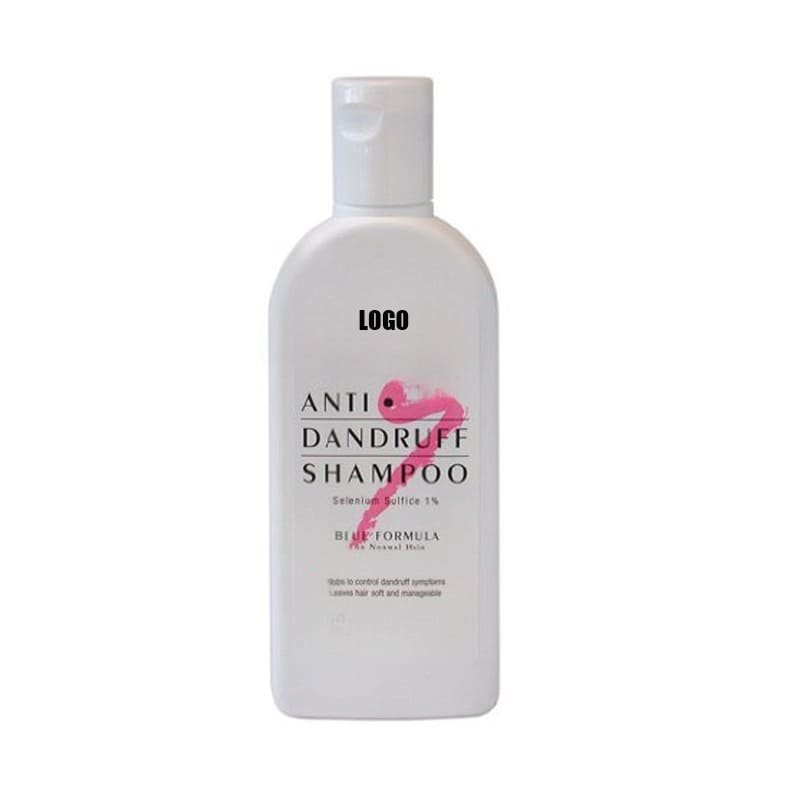
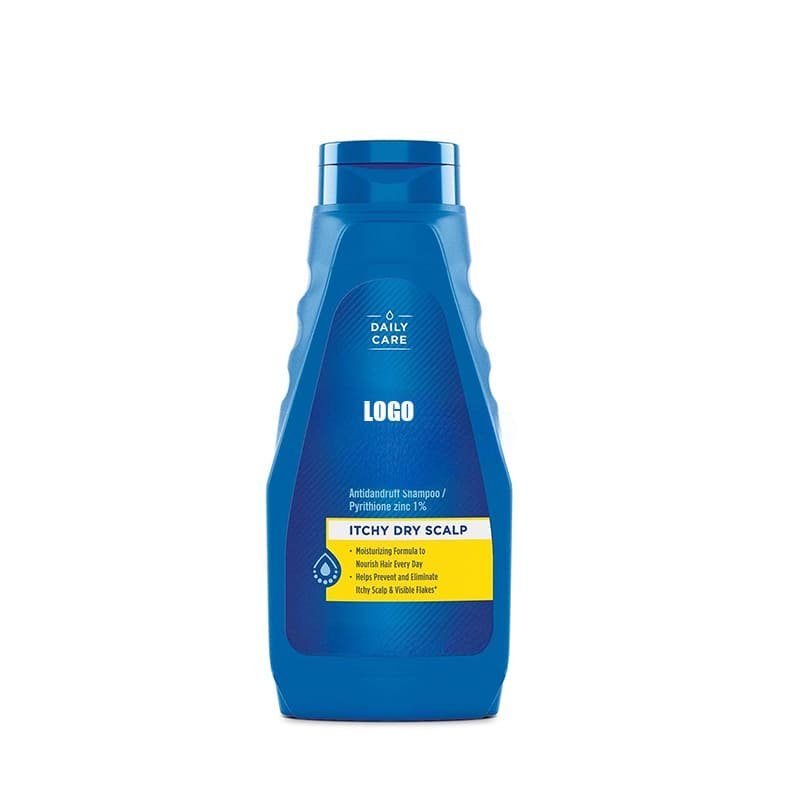
Spec / Parameter Card
| Field | Options / Recommendations |
|---|---|
| Core Formats | Rinse-off anti-dandruff shampoo • 2-in-1 shampoo + conditioner • Scalp-focused “treatment wash” |
| Active System | Selenium sulfide (market-dependent concentration + grade); suspension stability is critical |
| Typical Actives & Ranges (by market rules) | US OTC monograph lists selenium sulfide 1% and micronized 0.6% for dandruff/seb derm control |
| Claim Focus | Controls visible flakes • Helps relieve itch/irritation associated with dandruff • Scalp comfort + clean feel (claims must match local pathway) |
| Cleansing System | Balanced surfactant blend (scalp efficacy + non-stripping lengths); optional sulfate-free variants |
| Conditioning System | Light conditioning polymers + silicone/non-silicone slip options to reduce “medicated dryness” |
| Scalp Sensory | Clean/neutral • Fresh herbal • Low-fragrance “pharmacy” profile (avoid harsh medicinal odor) |
| Color & Staining Control | Color strategy + rinseability to reduce residue on hair/scalp and bathroom surfaces |
| Stability & QC | Accelerated + real-time stability; suspension control, viscosity drift, fragrance stability, fill-weight control |
| Docs | COA, SDS, micro & stability data; market-specific compliance file/labeling support (Drug Facts where required) |
| Sampling & Lead Time | Base system: lab samples in days; full validation depends on suspension + compatibility testing |
| Typical MOQ | 1,000–3,000 pcs/SKU for validated bases; higher for fully custom packaging or premium decoration |
More Related
Custom Anti Hair Loss Formulations →
Private Label Cosmetic Manufacturer→
Private Label Deodorant Spray→
Custom Deodorant Formulations→
Private Label Whitening Cream→
Private Label Hair Growth Serum→
Private Label Lightweight Conditioner→
Top 12 Most Expensive Hair Oil In The World: Value Ingredinets Guide→
18 Best Hair Oil Brands: Quality, Ingredients & Value Guide→
Most Expensive Hair Serum: OEM Formulations Guide→
Most Expensive Hair Care Products: OEM Cost Guide→
Most Expensive Hair Gel: Price Guide→
Most Expensive Hair Treatment: Product Function & Value Guide→
Which customers and channels is this selenium sulfide shampoo for?
Selenium sulfide shampoo primarily targets users who need strong dandruff/flake control and want a reliable weekly or 2–3x/week “reset wash,” especially when lighter anti-dandruff actives feel insufficient.
Selenium sulfide shampoos must balance scalp performance with hair feel. We tune cleansing strength, conditioning, viscosity, and fragrance so oily roots don’t feel coated, while dry lengths don’t feel stripped after “treatment-level” cleansing.
Oily Scalp & Heavy Build-Up
- Texture: Clear or translucent gel shampoo with crisp rinse.
- Core stack: Selenium sulfide system + oil-control sensorials (non-irritating).
- Notes: Focus on “clean scalp, clean roots,” residue control, fresh feel.
- Micro-CTA: Build a High-Performance Oily-Scalp Dandruff Shampoo
Normal Scalp & Everyday Users
- Texture: Creamy gel-cream shampoo with moderate conditioning.
- Core stack: Selenium sulfide + gentle conditioning system for daily acceptability.
- Notes: Position as “routine anti-dandruff hero” with comfortable sensorials.
- Micro-CTA: Create an Everyday Anti-Dandruff Selenium Shampoo
Dry / Sensitive Scalp With Visible Flakes
- Texture: Gentle creamy shampoo, lower stripping feel.
- Core stack: Selenium sulfide + scalp-comfort conditioning + mild fragrance.
- Notes: Emphasize comfort, reduced visible flaking, and non-harsh wash.
- Micro-CTA: Design a Comfort-Focused Anti-Dandruff Shampoo
Thick / Curly Hair That Needs Slip
- Texture: Richer gel-cream with detangling focus.
- Core stack: Selenium sulfide + higher slip polymers/silicones (or silicone-free alternatives).
- Notes: Prevent “treatment shampoo makes my curls rough” complaint.
- Micro-CTA: Develop a Detangling Dandruff Shampoo for Curls
Men’s Grooming / Barbershop Use
- Texture: Fast-foam, easy-rinse, clean scent.
- Core stack: Selenium sulfide + simple conditioning + “no-nonsense” sensorials.
- Notes: Strong efficacy story + straightforward usage directions.
- Micro-CTA: Launch a Barbershop-Ready Anti-Dandruff Hero SKU
Anti-dandruff needs vary by life stage—teens want oil and flakes controlled fast, while 30+ users want scalp comfort without drying. We adjust wash frequency guidance, conditioning, and fragrance to fit real routines.
Teens & Early 20s – Oily Roots, Frequent Washing
- Texture: Crisp gel shampoo, clean rinse.
- Core stack: Selenium sulfide system + build-up control sensorials.
- Notes: “Flakes + oil control” positioning with simple directions.
20s–30s – Styling, Sweat, Busy Routines
- Texture: Gel-cream with balanced conditioning.
- Core stack: Selenium sulfide + anti-frizz and manageable feel.
- Notes: “Scalp reset” 2–3x/week, compatible with styling routines.
30s–40s – Stress, Sensitive Scalp Tendencies
- Texture: Creamy comfort shampoo.
- Core stack: Selenium sulfide + comfort-focused base.
- Notes: Emphasize scalp comfort + reliable control, avoid harsh “clinic smell.”
40s–50s – Dryness + Scalp Flaking
- Texture: Richer gel-cream, better slip.
- Core stack: Selenium sulfide + stronger conditioning.
- Notes: Keep efficacy but reduce roughness on lengths.
60s+ – Ease, Mild Sensory, Clear Directions
- Texture: Gentle creamy shampoo, low fragrance.
- Core stack: Selenium sulfide system + mild base.
- Notes: Simple on-pack routine instructions; avoid irritant-heavy fragrance.
What can top-selling selenium sulfide shampoos teach your formula design?
Winning selenium sulfide shampoos are built on repeatable suspension stability, credible flake/itch performance, and a hair-feel upgrade that makes users stay—plus market-correct labeling when the product is regulated as a drug.
| Brand / Product | Core Actives (typical) | Format / Texture | Strengths | Gaps / Considerations |
|---|---|---|---|---|
| Selsun Blue (OTC/Retail variants by market) | Selenium sulfide (varies by country) | Classic medicated shampoo | Strong anti-dandruff heritage; clear consumer understanding of “works fast.” | Market rules differ; some regions sell 2.5% versions, others require lower or OTC-drug pathways. |
| Store-brand “1% Selenium Sulfide” shampoos | Selenium sulfide 1% | Simple medicated base | Value positioning; easy substitution behavior in dandruff category. | Sensory often weak (odor, dryness); stability + hair feel upgrades can differentiate. |
| “Clinical” dandruff shampoos (alt-actives) | Often different actives (e.g., ketoconazole, piroctone olamine, climbazole by region) | Gel / gel-cream | Compete for the same user: “moderate–severe flakes.” | Not selenium sulfide, but benchmark their sensory, foam, and fragrance strategy. |
| Scalp-care prestige shampoos (dandruff-adjacent) | Soothing + exfoliation narratives | Premium gel-cream | Premium scent + hair feel set consumer expectations higher. | Must keep claims realistic if not drug-labeled; avoid implying disease treatment. |
Custom Funtion Formula for your brand? You can review hair function formulation pages:
Custom Dandruff Formulations→, Custom Refreshing Formulations→,Custom Scalp Care Formulations→, Custom Calming Scalp Formulations→,
Selenium Sulfide Shampoo Finish Products you may want to reference:
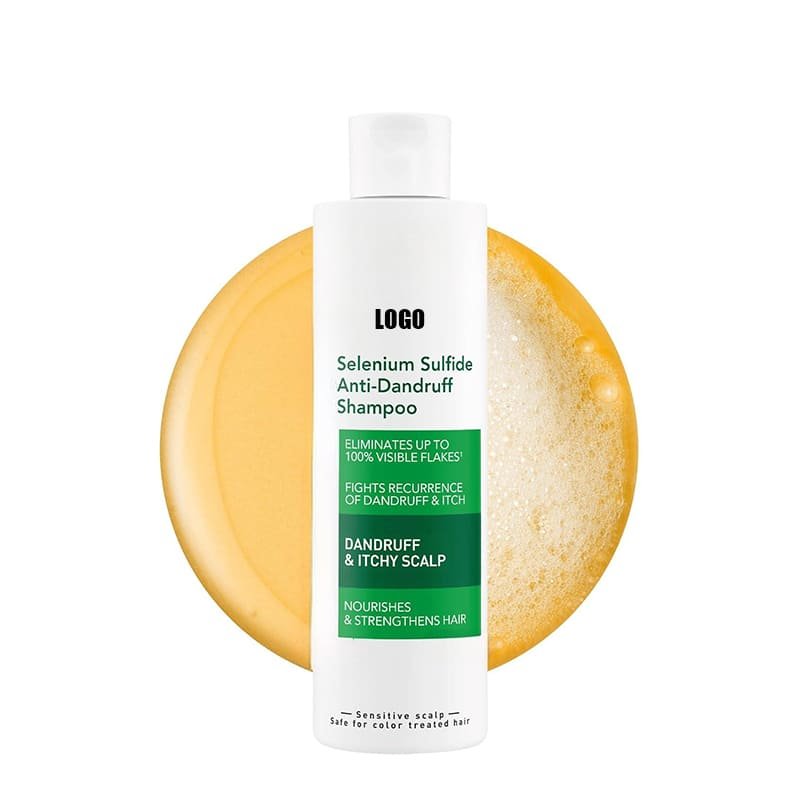
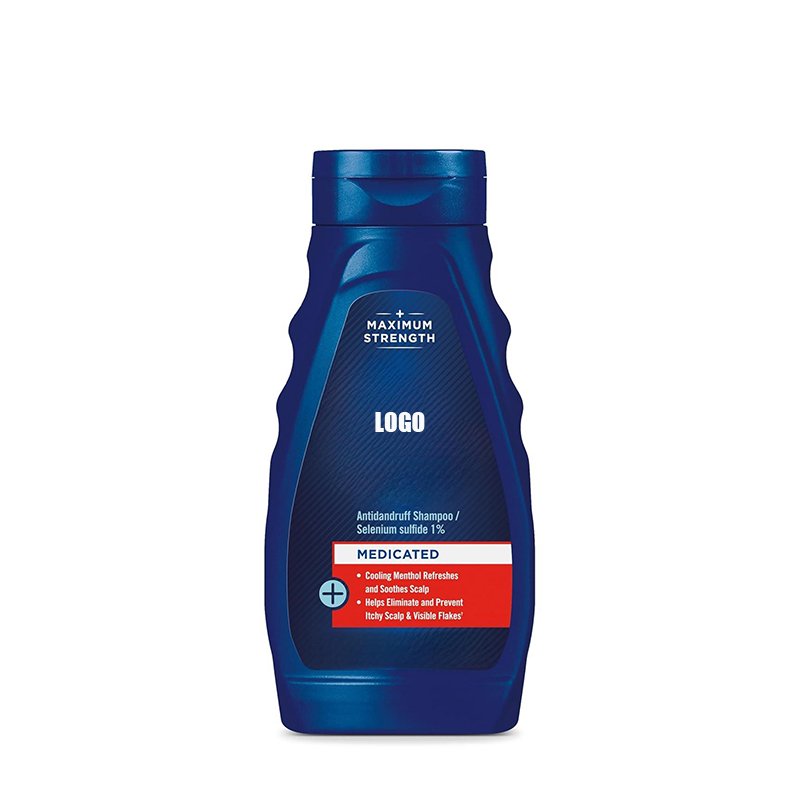
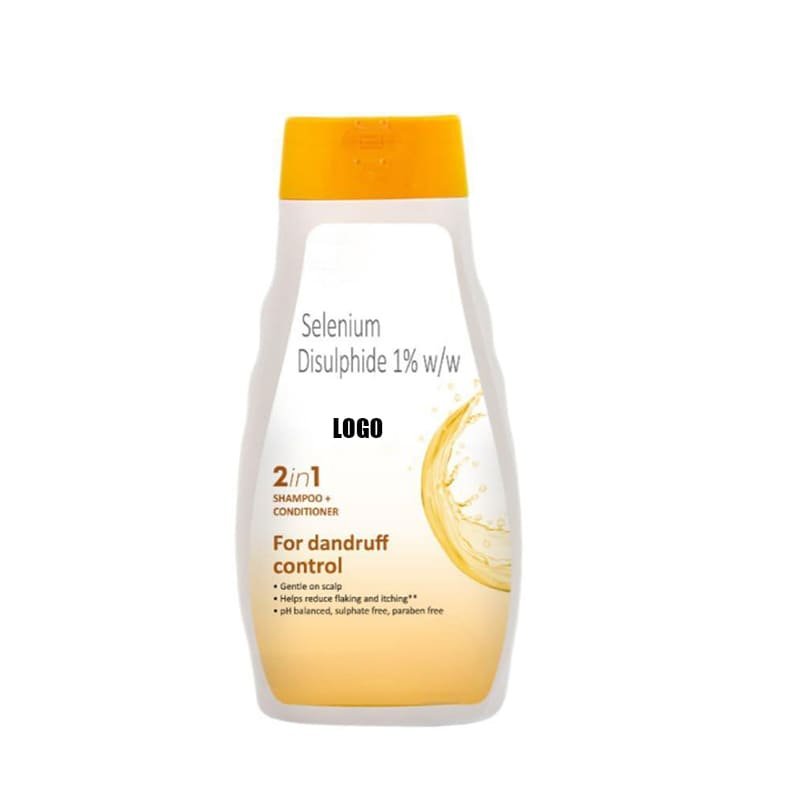
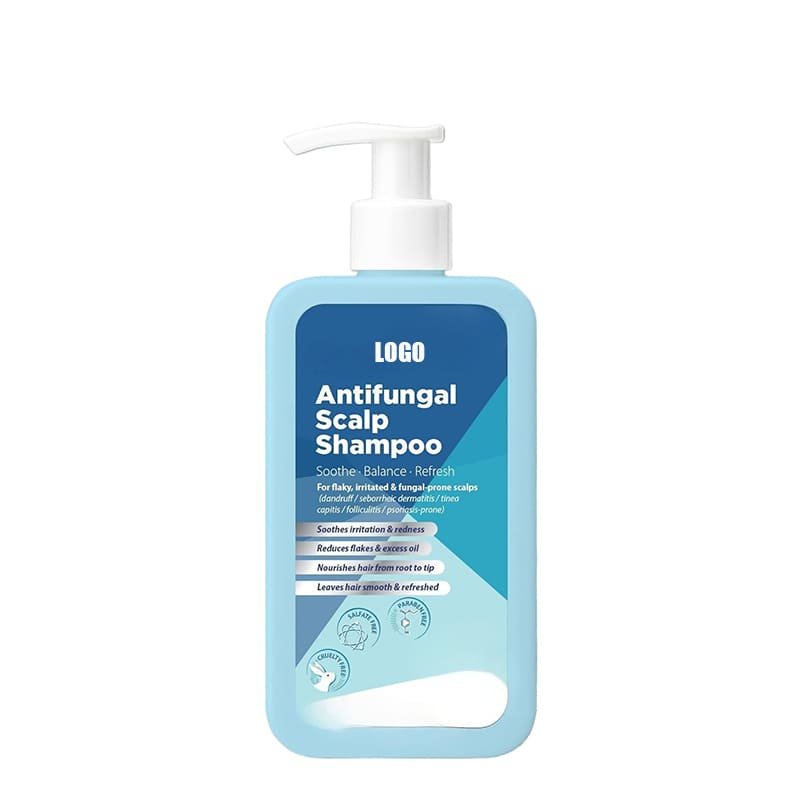
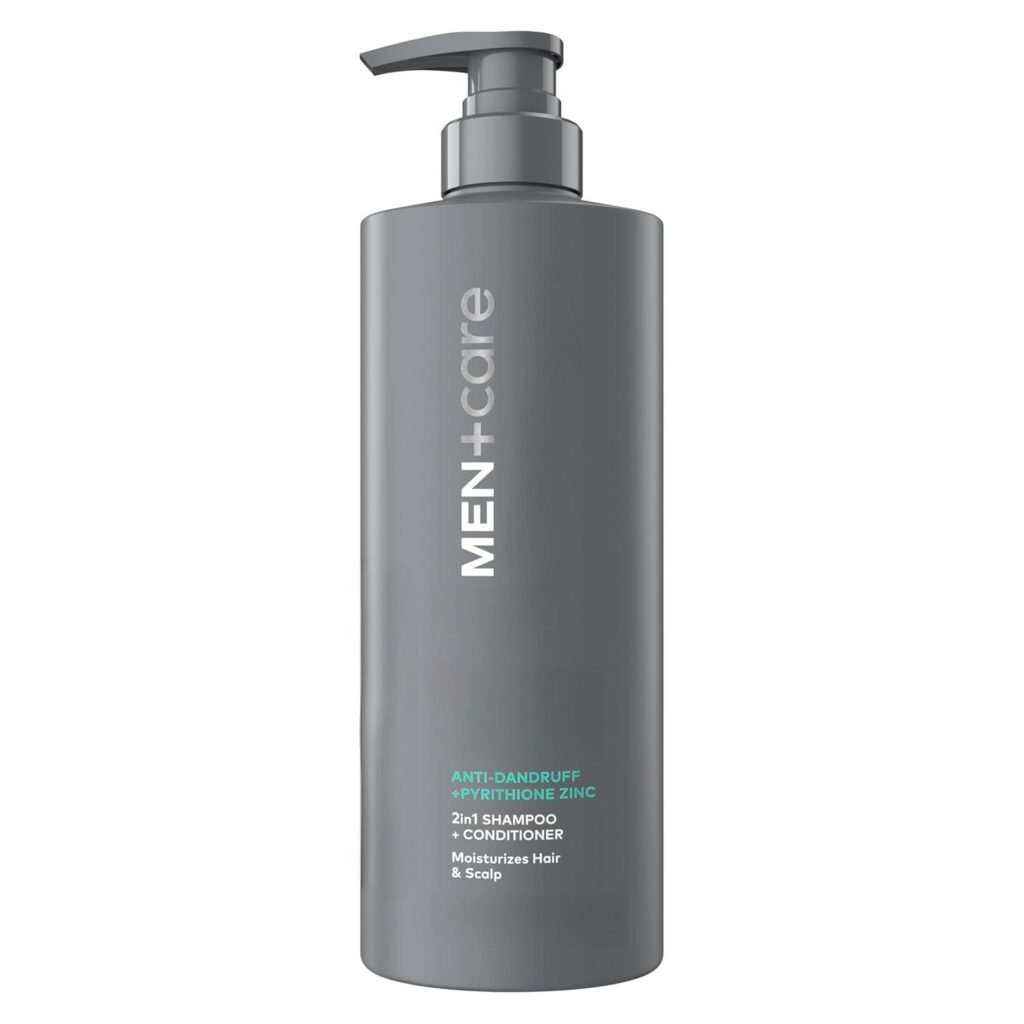
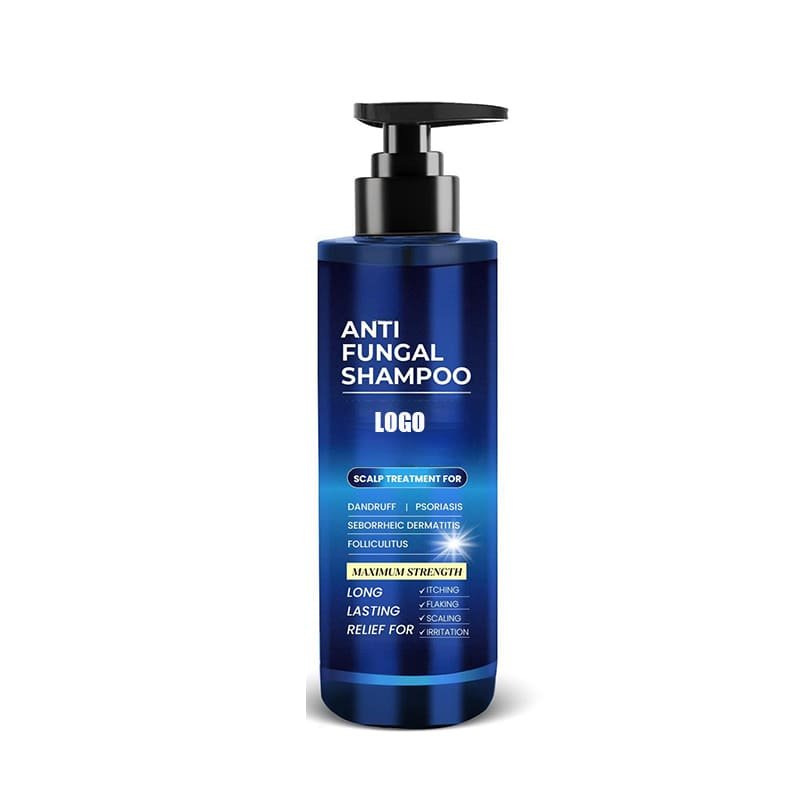
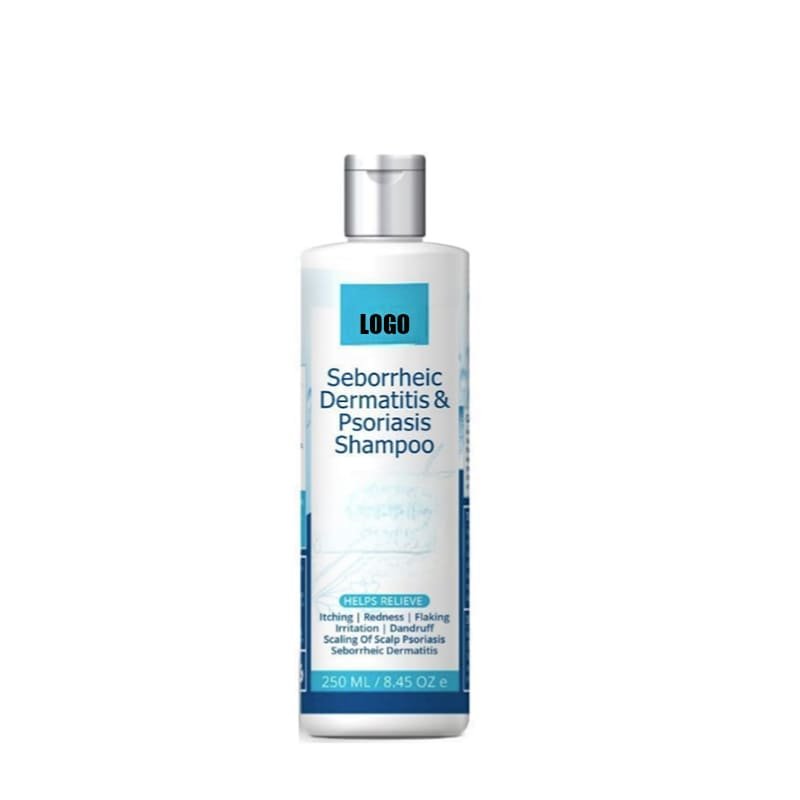
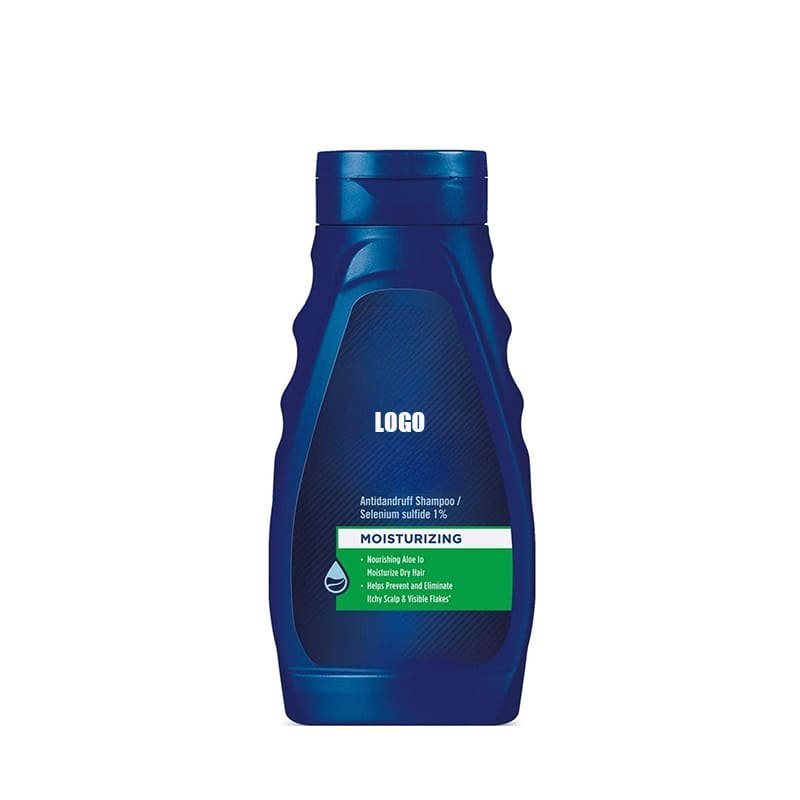
Make A Sample First?
If you have your own formula, packaging idea, logo artwork, or even just a concept, please share the details of your project requirements, including preferred product type, ingredients, scent, and customization needs. We’re excited to help you bring your personal care product ideas to life through our sample development process.
How should you design the formula and active stack for selenium sulfide shampoo?
A strong selenium sulfide shampoo starts with the right regulatory path, then uses a stable suspension + balanced cleansing/conditioning so the product feels “effective” without feeling harsh.
Step 1 — Define the “must-win” benefit (and your claim boundary)
- Core outcome: reduced visible flaking + itch comfort, with a clean scalp feel.
- US pathway note: selenium sulfide anti-dandruff claims fall under the OTC dandruff/seb derm monograph framework (Drug Facts, permitted actives/concentrations, directions/warnings).
- EU/ASEAN-style pathway note: selenium disulphide is typically restricted to anti-dandruff shampoos at up to 1% with specific warning wording on label in many frameworks that mirror EU Annex III.
Step 2 — Choose the base system that protects performance and user experience
- Suspension-first engineering: selenium sulfide is a suspended active; stability (no settling, no clumping, consistent dosing) is non-negotiable.
- Cleansing balance: enough cleansing to remove flakes/oil, but not so aggressive that users rebound into dryness/irritation.
- Conditioning strategy: add slip and manageability so hair doesn’t feel “treatment-dry.”
Step 3 — Balance efficacy with tolerance and sensorial acceptance
- Irritation control: avoid harsh fragrance loads and overly stripping surfactants.
- Smell management: build a clean fragrance profile that reduces “medicated sulfur” perception without being overpowering.
- User guidance: clear frequency (often 2x/week+) and contact-time instructions aligned to your market rules.
Step 4 — Run compatibility and stability checks that prevent costly failures
- Suspension + viscosity drift: ensure uniformity from first fill to end-of-shelf-life.
- Packaging compatibility: check closure materials, leak resistance, and labeling durability in wet environments.
- Claims + labeling review: especially critical for US OTC Drug Facts vs cosmetic labeling pathways.

| Active (Use Range) | Key Features | Suitable Uses / Hair Types | Recommended Combinations | Suggested Packaging |
|---|---|---|---|---|
| Selenium sulfide (market-dependent) | Anti-dandruff active; controls flaking/itch associated with dandruff/seb derm (when used under applicable rules) | Oily, flaky scalps; moderate–severe dandruff users | Pair with conditioning system + low-irritation fragrance | HDPE/PET bottles, flip-top or disc-top |
| Selenium sulfide 1% (US OTC monograph) | Listed OTC monograph active level for dandruff/seb derm control | Scalp flakes + itch | Balanced cleansing + detangling feel | Standard shampoo bottle formats |
| Selenium sulfide micronized 0.6% (US OTC monograph) | Listed monograph option; can improve dispersion/sensory in some systems | Users wanting lighter sensorials | Hair-feel upgrade system | Standard formats |
| Conditioning polymers / slip agents | Reduce roughness after treatment cleansing | Dry lengths, curly hair | Pair with gentle surfactant blend | Any |
| Scalp-soothing support (cosmetic) | Comfort narrative (non-drug claims) | Sensitive-feeling scalp | Use with careful compatibility validation | Any |
Which textures work best for selenium sulfide shampoo?
The best selenium sulfide shampoo textures keep the active evenly suspended, rinse clean, and leave hair soft—without watery separation, heavy coating, or gritty settling.
Considerations by market and user
- Climate: Hot / humid: lighter, cleaner-rinse gel textures that don’t feel film-forming. Cold / dry: gel-cream textures with more slip to prevent rough lengths.
- Hair type & styling: Fine/oily hair: clearer gels with crisp rinse and lighter conditioning. Curly/coily hair: richer gel-creams to reduce tangles and post-wash dryness. Color-treated hair: avoid overly harsh cleansing; prioritize manageability.
- Channel: Amazon / e-commerce: texture photos should show “uniform, stable suspension” + rich foam cues. Pharmacy / OTC-style retail: users accept a “treatment wash” feel, but still demand low odor. Salon / professional: premium slip + fragrance refinement matter for repeat use.
Clear-to-translucent suspension gel shampoo
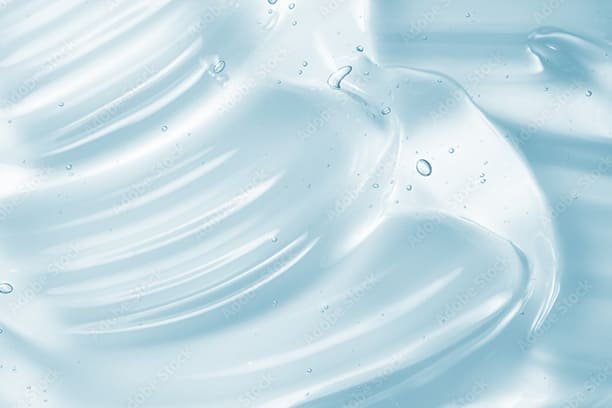
A crisp gel texture designed to hold suspended actives; typical viscosity around 4,000–9,000 cps.
- Best for oily scalps and “clean rinse” preference
- Strong foam perception with controlled conditioning
- Works well in flip-top bottles for shower use
Pearlized gel-cream treatment shampoo
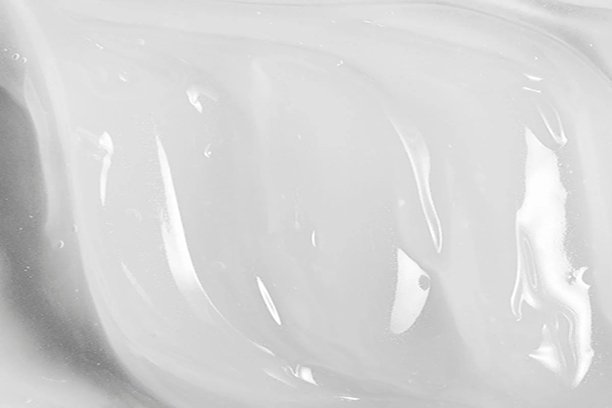
A creamier, more cushioned wash with better slip; typical viscosity around 8,000–18,000 cps.
- Better for dry lengths, curls, and frequent-use comfort
- Helps reduce “medicated dryness” complaints
- Excellent for premium positioning and refined fragrance
Dense salon-style creamy shampoo
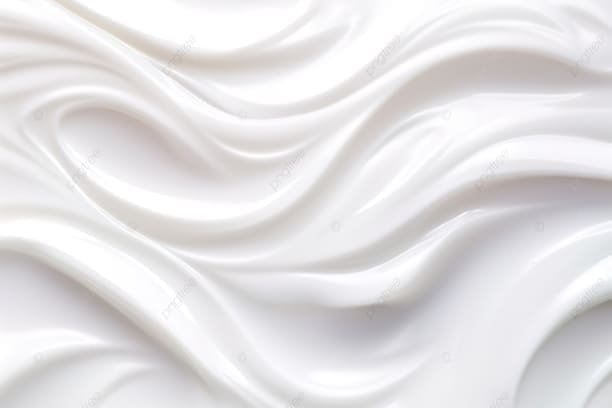
A richer, heavier body shampoo; typical viscosity around 15,000–30,000 cps.
- Best for thick hair users who demand detangling after anti-dandruff washing
- Strong sensorial “premium” feel even in a treatment category
- Pair with accurate dosing directions so users don’t over-apply
Which packaging options make sense for selenium sulfide shampoo?
Choose packaging that protects formula stability, supports wet-hand usability, and gives enough label space for market-required directions/warnings—especially important where the product is an OTC drug.
Factors to align with your brand
- User experience: Flip-top / disc-top caps for easy shower control. Anti-slip bottle shapes for pharmacy and family use.
- Stability & protection: Materials compatible with surfactants + suspended active systems. Leak-tested closures for e-commerce shipping.
- Sustainability direction: PCR PET/HDPE options where feasible. Simple mono-material components to improve recyclability.
- Label and artwork space: Room for clear usage directions and warnings (Drug Facts where required). Icons for “flakes,” “itch,” “scalp care,” and usage frequency.
- Channel needs: Amazon: robust bottle/closure + protective secondary packaging if needed. Pharmacy/retail: clean, clinical clarity; easy-to-read benefit hierarchy.

HDPE/PET Shampoo Bottle (200–500ml)
Reliable, cost-efficient, and ideal for mass and pharmacy channels.

Premium Oval Bottle + Disc-Top (250–400ml)
More premium shelf presence with strong wet-hand UX.

Squeeze Bottle (for thicker creams)
Best for dense creamy textures that need controlled dispensing.

PCR Options
Post-consumer recycled resin options with matte finishes for upgraded shelf feel.
What do brands most often ask about this selenium sulfide shampoo?
Brands usually ask how to balance efficacy vs hair feel, which markets treat it as OTC drug vs cosmetic, what concentration is allowed, how to write compliant claims, and how to prevent settling or odor issues.
1. What selenium sulfide concentration can we use in the US vs EU/other markets?
- US OTC monograph lists selenium sulfide 1% (and micronized 0.6%) for dandruff/seb derm control
- Many EU-aligned cosmetic frameworks restrict selenium disulphide to anti-dandruff shampoos up to 1% with specific warning wording
- We finalize levels after confirming your exact destination markets and pathway
2. Is “2.5% selenium sulfide” allowed, and why do I see it in some countries?
- Some markets sell 2.5% versions (e.g., Canada retail examples exist)
- In the US, higher strengths are commonly treated as prescription products
- We can propose a compliant global strategy (often a 1% core SKU + market-specific variants)
3. How do we avoid dryness and rough hair feel (the #1 repeat-purchase killer)?
- Use a balanced cleansing system instead of “strip-to-fix” surfactants
- Add the right slip/conditioning so lengths stay manageable
- Tune fragrance so it reads clean—not harsh medicated
4. How do we stop settling, clumping, or inconsistent dosing?
- Engineer a suspension system designed for the active from day one
- Validate viscosity stability across temperature cycling and transport
- Add QC checks for uniformity (top/middle/bottom sampling)
5. What claims are safe—and what crosses the line into drug-only territory?
- US: follow OTC monograph labeling/claims and Drug Facts requirements
- Elsewhere: align to cosmetic claim rules + required warnings (where applicable)
- We help you write benefit language that is truthful, market-fit, and low-risk
6. What are typical MOQs, lead times, and cost drivers for this kind of shampoo?
- MOQs often start around 1,000–3,000 units/SKU for validated bases
- Lead times depend on packaging sourcing + stability validation for the suspension
- Key cost drivers: active system grade, conditioning package, fragrance strategy, packaging, and testing depth
How will Zerun Cosmetic support private label selenium sulfide shampoo projects?
- Our team will answer your inquiries within 12 hours.
- Your information will be kept strictly confidential.





Zerun supports anti-dandruff brands with market-aware compliance planning, suspension-stable formula engineering, and hair-feel-first sensorial upgrades, so your selenium sulfide shampoo performs like a treatment but repurchases like a premium daily brand.
We start from your reality:
- Target markets (US OTC vs EU-style cosmetic pathways) and channel positioning (Amazon, pharmacy, salon).
- Your scalp focus (oily build-up vs dry flakes vs “moderate–severe”) and desired wash frequency.
- Your fragrance direction (clinical clean, fresh, or low fragrance) and hair-feel expectations.
We co-develop formulas, formats and routines:
- Stable selenium sulfide shampoo systems (gel, gel-cream, rich cream) with controlled sensorials.
- Hair-feel upgrades: slip, manageability, and rinseability without heavy coating.
- Optional line extensions: clarifying pre-wash, scalp scrub, conditioner, or weekly reset kit.
We help plan claims, tests and documentation:
- US: align product concept with OTC monograph actives/concentrations + label structure basics.
- EU-aligned markets: align concentration limits and warning statements where applicable. (Cosmetics Info)
- Stability and QC planning focused on suspension integrity and consistency across batches.
If you already have reference products or ideas, share:
- Links/photos of selenium sulfide shampoos you like (texture, scent, bottle, claims).
- Your target users, price tier, and destination markets.
- Your initial volume expectations and target launch timing.
Based on this, we’ll propose a clear selenium sulfide shampoo development roadmap and sampling plan. Use the contact form, email, or WhatsApp on this site to start your private label selenium sulfide shampoo project with Zerun.