Skip to content
Private Label Skincare Manufacturer
Too many generic catalogues? Confusing formula jargon? unclear pricing? and no one owning your long-term roadmap? This page is designed to walk you step by step from “I want 3–5 hero SKUs” to a structured, launch-ready line that fits your channels, budget and growth plan.
Private label skincare manufacturer works best when you treat it as a focused OEM/ODM project, not a catalogue shopping exercise. New and growing brands should start with clear hero routines, realistic MOQs and a partner who can translate ideas into tested, compliant formulas and packs.
Table of Contents
Can't find the answers?
No worries, please contact us and we will answer all the questions you have during the whole process of leather goods customization.
Who do we support with private label skincare?
We support new and growing skincare brands, retailers and clinics that want to launch or extend lines using proven base formulas instead of starting from zero. Our focus is helping you build coherent hero routines, not just buying isolated “me too” SKUs.
Partner profiles we serve
- Brand and business types
- New skincare and beauty founders
- Existing brands expanding into skincare from other categories
- Retailers developing store-brand skincare
- Clinics, medi-spas and salon chains building branded skincare
- DTC and marketplace-led skincare labels
- Typical project starting points
- “I want 3–5 hero products to test the market.”
- “I have a moodboard and some reference products, but no formulas yet.”
- “I already sell one SKU and need a full routine around it.”
- “I want my own label version of proven categories: cleanser, serum, cream, mask.”
Example private label partner profiles
| Partner Type | Main Channels | Key Needs in Private Label Skincare | Typical Project Start Point |
|---|---|---|---|
| New founder / indie brand | DTC, marketplaces, social commerce | Simple, low-MOQ hero routine | 3–5 SKUs across cleanse, treat, moisturise |
| Existing beauty brand | Retail, DTC | Add skincare to existing colour / hair range | Plug-in skincare line under existing brand umbrella |
| Retailer private label | Supermarkets, drugstores, e-commerce | Reliable supply and clear positioning levels | Entry + mid-tier private label skincare range |
| Clinic / medi-spa | Clinics, online | Gentle, credible clinic-branded homecare | Small line around cleansing, soothing, anti-aging or brightening |
What types of private label skincare products can we develop for your brand?
We offer private label options across facial cleansing, toning, serums, creams, eye care, masks and selected body and specialty products. You can build simple 3–5 SKU starter lines or more complete routines tailored to your target customers, concerns and price tiers.

Facial care basics
- Cleansers: gels, foams, milks, oils, balms, micellar-style concepts
- Toners, essences and mists
- Moisturisers: lotions, creams, gel-creams

Targeted treatments
- Serums for hydration, brightening, anti-aging, blemish-prone skin
- Eye serums, creams and gels
- Spot treatments and targeted correctors

Masks and extras
- Wash-off masks and sleep masks
- Cream, gel, clay and exfoliating masks
- Lip care options and occasional-use treatments


Adjacent categories(optional)
- Body care basics (lotions, creams, scrubs)
- Hand, foot and neck/decolletage care
- Selected hair and scalp-care SKUs where relevant
Example private label skincare mapping
| Routine Step | Product Type | Main Use Case | Example Formats |
|---|---|---|---|
| Cleanse | Gel / foam / milk cleanser | Daily facial cleansing | Tube, bottle with pump |
| Prep | Toner / essence / mist | Hydration and texture prep | Bottle, spray, essence bottle |
| Treat | Serum (HA, brightening, anti-aging, blemish care) | Targeted concerns | Dropper, airless pump, slim bottle |
| Moisturise | Cream / lotion / gel-cream | Barrier support and comfort | Jar, tube, airless pump |
| Eye | Eye serum / cream / gel | Eye area hydration and appearance | Tube, roll-on, airless, jar |
| Weekly / extra | Mask / sleep mask / lip care | Occasional intensive care and pampering | Jar, tube, sachet |
What levels of private label customisation can Zerun offer?
We structure private label into levels: ready-to-brand formulas, light customisation of fragrance, texture or actives, and semi-custom options that move closer to full custom. This lets you balance speed, cost, differentiation and long-term control as your brand scales.
Private label customisation levels
- Level 1 – Ready-to-brand
- Use proven in-house base formulas
- Choose from curated claim and market stories
- Minimal adjustments; fastest route to market
- Level 2 – Light customisation
- Adjust scent, texture or minor actives within safe ranges
- Align ingredient stories with your brand positioning
- Keep existing test and stability backbone where possible
- Level 3 – Semi-custom / near-custom
- Combine base systems with more tailored active stacks
- Deeper integration with your chosen concerns and markets
- Bridge between private label and full custom formulation
- Path toward full custom
- When volumes and strategy justify, shift into custom briefs
- Reuse learnings from private label performance and feedback
- Maintain continuity in hero products while upgrading formulas
Example customisation level comparison
| Level | Typical Use Case | Customisation Scope | Speed to Market | Relative Cost |
|---|---|---|---|---|
| Level 1 – Ready-to-brand | First launch, fast testing | Logo, packaging, fragrance selection* | Fastest | Lowest |
| Level 2 – Light customisation | Brand-fit fine tuning | Fragrance, texture tweaks, minor actives | Fast–moderate | Low–medium |
| Level 3 – Semi-custom | Stronger differentiation and storytelling | Actives stack, texture, claims emphasis | Moderate | Medium |

How do we use base formulas and hero routines to build your line?
We shortlist proven base formulas by skin type and concern, then group them into simple hero routines like hydration, brightening, anti-aging or sensitive care. From there we adjust active stories and claims to align with your positioning and target markets.
Building from base formulas and routines
- Base formula selection
- Shortlist from internal portfolio by skin type and concern
- Consider climate, skin feel and channel (pharmacy, DTC, spa)
- Review INCI comfort versus your target markets
- Hero routine design
- Hydration-focused sets (cleanser + toner + HA serum + cream)
- Brightening-focused sets (gentle cleanser + tone + brightening serum)
- Anti-aging-focused sets (serum + eye care + richer cream or mask)
- Sensitive-skin-friendly sets (minimal fragrance, barrier support)
- Active library mapping
- Popular actives: niacinamide, HA, peptides, ceramides, plant extracts, etc.
- Blemish-oriented options within cosmetic scope
- Barrier and soothing actives for sensitive segments

Which textures, formats and routines fit your channels best?
We tune textures and routine complexity to where you sell: straightforward, easy-use formats for marketplaces; richer sensorials and more steps for spa or premium DTC; gentle, low-fragrance profiles for clinic and pharmacy. Each routine must feel realistic for your users.
Texture and routine strategy
- Channel-specific preferences
- Amazon / marketplaces: clear hero benefits, easy textures, straightforward routines
- DTC multi-step brands: more steps with distinct sensorials
- Pharmacy / clinic: gentle, non-irritating textures, minimalist scent
- Spa / premium retail: richer sensorial experience and ritual feel
- Climate and skin-type considerations
- Light gel-creams for hot, humid climates
- Rich creams and balms for cold or dry regions
- Variants for oily, combination, dry or sensitive skin
- Routine simplicity vs depth
- 3-step starter routines for first launch
- 5–7-step options for advanced users or premium lines
- Kits and sets organised by concern, not only by step count

How do we support packaging, branding and design for private label lines?
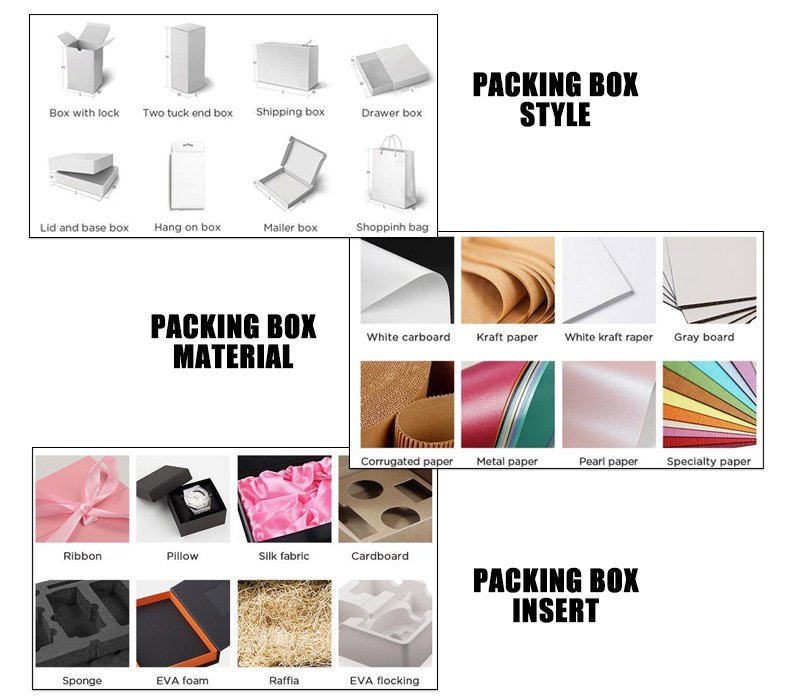
We propose cohesive packaging families—bottles, tubes, jars and sets—then support you with basic branding and artwork layouts. The goal is to create packs that are channel-appropriate, protect formulas, look consistent on shelf and online, and can scale as you add SKUs.
Packaging and branding strategy
- Packaging families
- Consistent bottle and tube families for cleansers, toners and serums
- Jar, tube and airless options for creams and masks
- Eye, lip and spot products with smaller, precise formats
- Channel-specific packaging choices
- E-commerce- and FBA-proof packs and boxes
- Shelf-friendly packs for retail and pharmacy displays
- Clinic and spa packaging with clean, professional aesthetics
- Branding and artwork support
- Logo and label layout guidance for new brands
- Regulatory panel and INCI placement support
- Simple design systems that can scale as you add SKUs
What compliance, documentation and testing support can you expect?
We provide core documentation such as INCI lists, specification sheets and agreed test summaries, then help you decide which stability, compatibility, tolerance or consumer tests are necessary. Claim wording is aligned with available evidence and your target channels and regions.
Compliance and documentation support
- Standard documentation
- INCI lists and product specification sheets
- Basic safety and quality-related documents where applicable
- Guidance on what you still need to arrange locally (if any)
- Testing options
- Stability and compatibility testing
- Consumer perception tests for key SKUs
- Tolerance or patch tests for sensitive positioning
- More advanced clinical-style studies for hero SKUs (case by case)
- Claim and labelling support
- Review of your proposed key claims vs formula and tests
- Suggestions for channel-appropriate wording
- Alignment with label, packaging and online listing content

MOQs, costing and launch timelines for private label projects
We map minimum order quantities by format and packaging, highlight main cost levers and propose realistic launch timelines by customisation level. You start with a focused set of SKUs and volumes, then expand once performance and cash-flow are validated.
Volume, cost and timeline strategy
- MOQ planning
- MOQ bands per format (bottle, tube, jar, set)
- Strategies to share components or bases across SKUs
- Advice on starting with a small but credible range
- Cost levers
- Base vs active complexity and level of customisation
- Packaging materials, finish and decoration choices
- Pack size and set configuration to reach target retail prices
- Timeline guidance
- Typical sequence: brief → base selection → sampling → confirm → production
- Different timing for Level 1 vs Level 2/3 projects
- Recommendations for soft launch vs full-scale rollout

How does Zerun support your private label skincare journey over time?
We treat private label as the start of a partnership. After launch we review feedback, refine underperforming SKUs, plan extensions and, when volumes justify, transition selected products toward more customised or fully custom formulas while keeping your brand story consistent.
Playlist

0:16
0:16
0:16

Collaboration journey with Zerun
- Starting collaboration
- Share your brand story, channels, target customers and budget level
- Show us reference products and key concerns you want to address
- Decide how many SKUs you realistically want to launch first
- Our support along the way
- Shortlist base formulas and propose hero routines
- Align on customisation level and packaging families
- Coordinate sampling, feedback rounds, tests and documentation
- From launch to growth
- Plan first production and replenishment logic
- Review early feedback and sales, then adjust or extend line
- Identify SKUs that may later move to more custom or premium versions


Case study: How brands chose between private label and OEM/ODM?
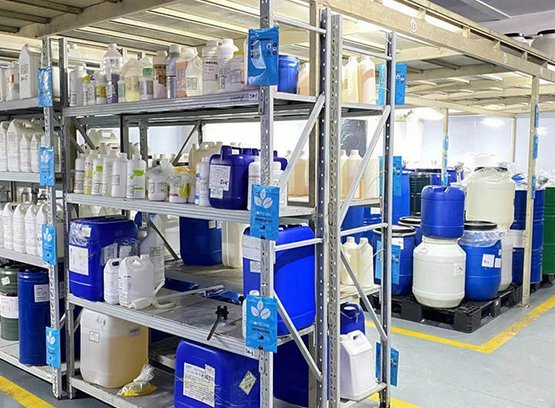
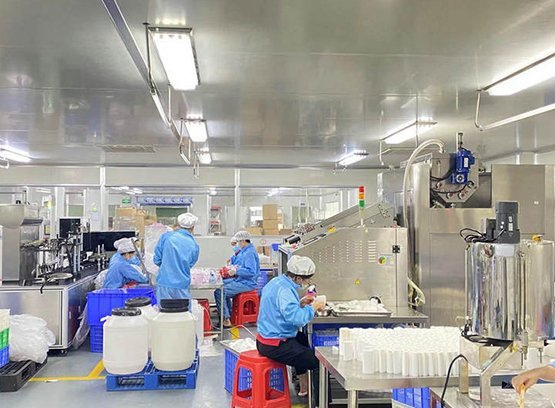
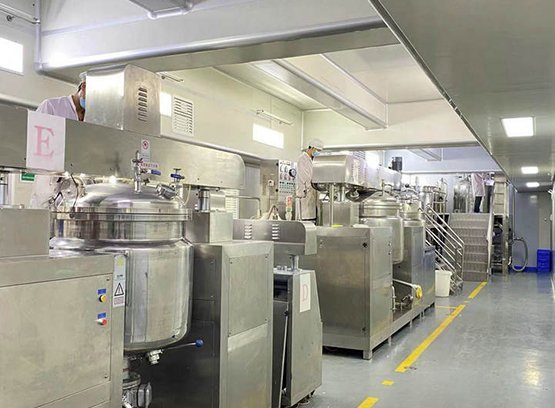
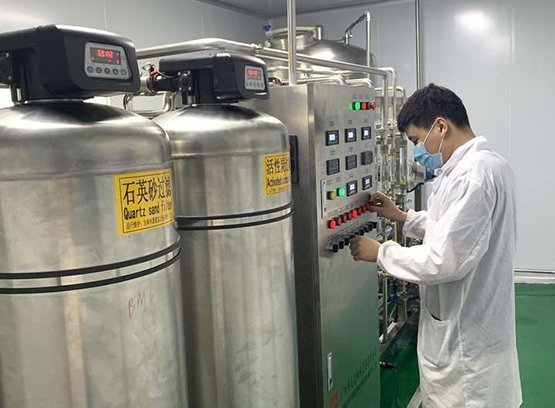
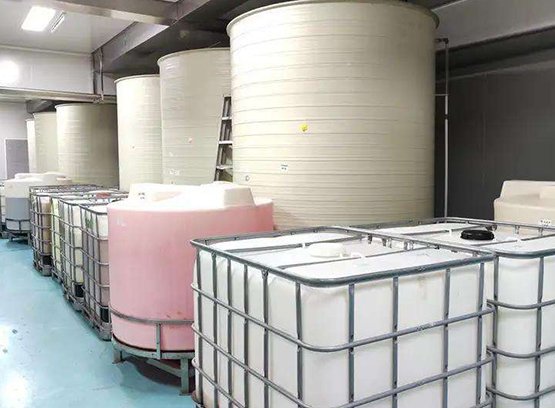
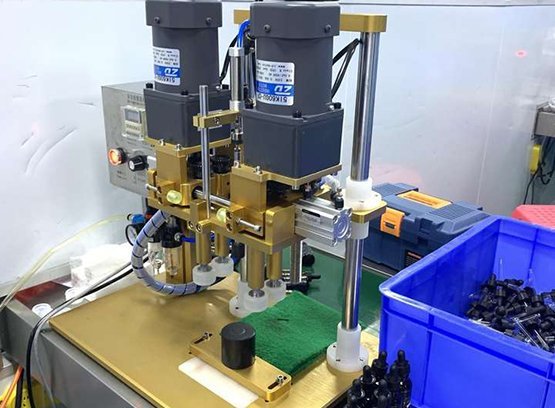
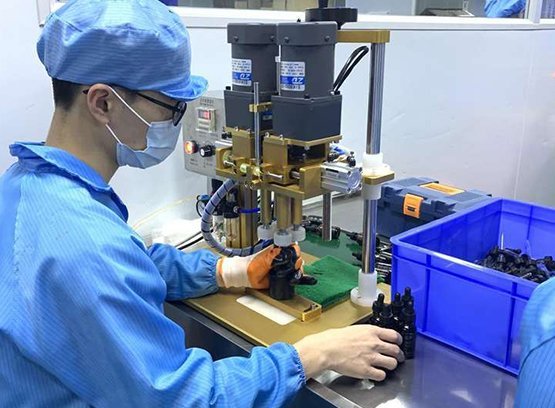
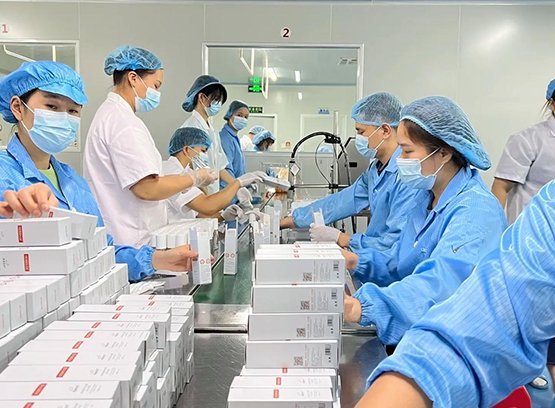
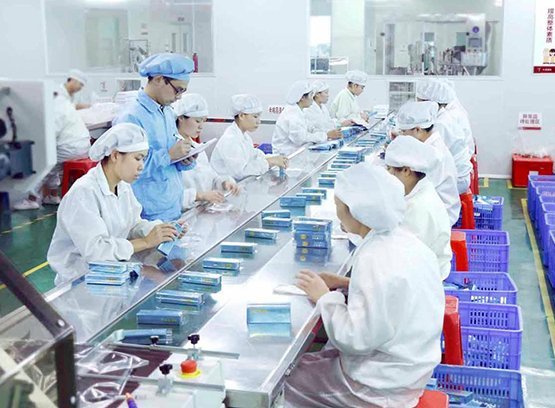
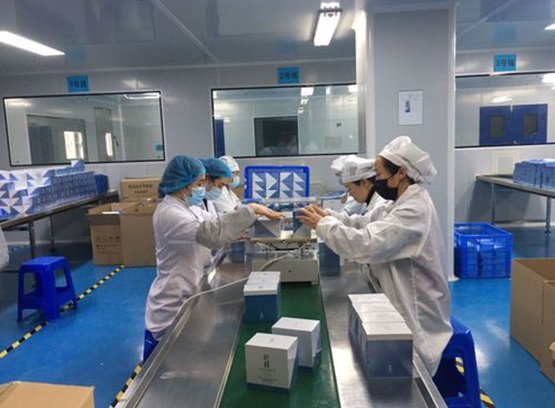
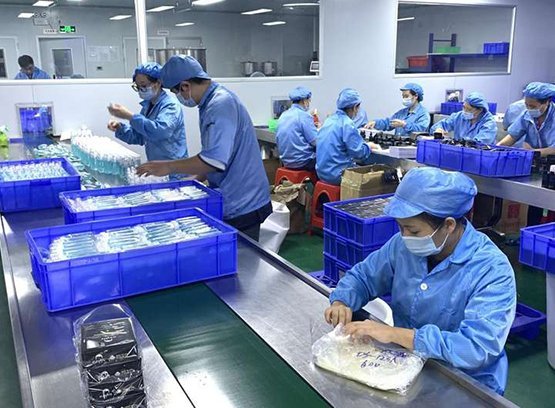
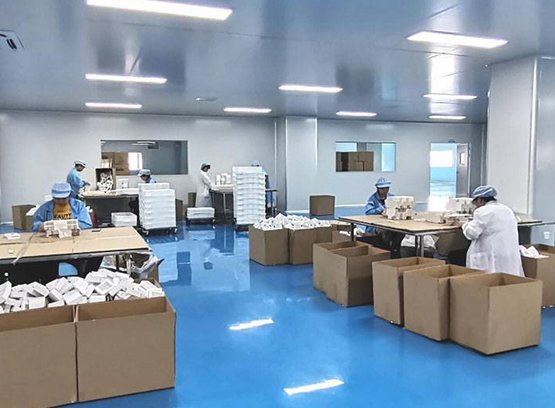
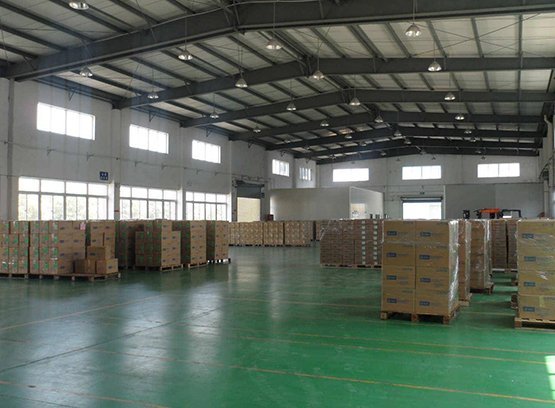
With four specialized factories, over 5,000 mature formulas and 26 R&D chemists, Zerun Cosmetic can translate a clear brief into a full skincare line: from lab concept and customized packaging to printing, international shipping and long-term line extensions.
Mini case story 1 – US Amazon brand: start private label, then upgrade serums
A new US Amazon brand wanted to enter the brightening and hydrating skincare niche with limited team size and no in-house chemist. They needed professional-looking products, but their main goal was to test category, pricing and marketing angles as fast as possible.
- We helped them choose a small private label line: cleanser, toner, hydrating serum and cream, all based on proven formulas.
- They selected packaging from existing bottles and jars and focused their energy on branding, listing optimisation and reviews.
- After one year, two serums emerged as clear heroes. We then upgraded these to custom formulas, keeping the same global concept but strengthening the active stacks and textures.
This path let them move from “generic-looking” to more unique over time, using real sales data as their guide.
Mini case story 2 – European derm-style brand: direct to custom for sensitive skin
A European brand approached us with a clear mission: a line for sensitive, redness-prone skin that would be sold in pharmacies and clinic-like environments. Their brand promise depended on tolerance, barrier repair and careful ingredient selection.
- From the start, we recommended a full custom route for their core cleanser, serum and cream.
- We worked within strict requirements around surfactants, fragrance, allergens, preservatives and pH, and we designed textures that felt medical yet pleasant.
- For some secondary SKUs (like hand cream and body lotion), we used customized private label bases aligned with the same positioning.
Here, generic formulas would not have supported their claims or retailer expectations. Custom development was a strategic necessity, not a luxury.
Mini case story 3 – Middle Eastern salon chain: hybrid model for in-salon and retail
A salon chain in the Middle East wanted both professional in-salon treatments and retail sets clients could take home. They needed:
- Distinctive, sensorially rich formulas for in-salon use, and
- A reliable, scalable line for retail shelves without excessive R&D.
We proposed a hybrid plan:
- In-salon hero treatments (masks, serums, intensive creams) were built as custom formulas, co-created with the salon team to match their treatment protocols.
- The retail line used customized private label products with coordinated packaging and scents, keeping lead times and complexity under control.
This way, the chain gained both signature professional products and an accessible retail range, while managing risk and timelines.
FAQ – Frequently Asked Questions Private Label Skincare OEM/ODM
Q1: How is private label skincare different from fully custom skincare development?
Private label skincare uses proven base formulas with lighter customisation, while fully custom skincare development starts from scratch and requires more time, testing and investment.
Private label: faster to market, lower development cost, less risk
Fully custom: higher differentiation, more control, higher budget
Many brands start with private label and upgrade selected hero SKUs later
Q2: What is the minimum number of SKUs I should launch in a private label skincare line?
Most new and growing brands start with 3–5 SKUs, enough to create a simple, believable routine without overwhelming your budget, inventory or customers.
Typical first set: cleanser + serum + cream (plus eye care or a mask)
Later you can expand into oil control, anti-aging, brightening or sensitive lines
Focus on one or two core concerns for the first launch
Q3: Do I need to know my exact formula or INCI list before contacting Zerun?
No, you do not need a finished formula. It is enough to share your target customers, concerns, benchmarks and restrictions so we can recommend suitable base formulas and actives.
Tell us which problems you want to solve and which claims you prefer
Share 2–3 benchmark products per SKU with links or photos
Specify any must-avoid ingredients (fragrance, alcohol, specific allergens, etc.)
Q4: What are typical MOQs and costing considerations for private label skincare?
Typical MOQs depend on format, packaging and customisation level, but we can often start with manageable volumes if your project is focused and part of a longer-term brand plan.
Different bottles, tubes, jars and airless pumps have different MOQs
Fragrance, actives and packaging finishes are key cost drivers
Sharing components across SKUs can help optimise both MOQ and unit cost
Q5: How long does it usually take to launch a private label skincare line?
A realistic timeline from clear brief to first shipment is usually a few months, depending on customisation level, testing, packaging decisions and how quickly samples and artwork are approved.
Level 1 (ready-to-brand) is fastest; Level 2–3 require more sampling and checks
Testing and certification needs can extend timelines
Early clarity on launch date and channels helps us build a realistic schedule
Q6: What information should you include in a private label skincare RFQ?
A clear RFQ for private label skincare should explain who you are, your channels, target routines, benchmarks, volumes, timelines and any non-negotiable restrictions or certifications.
1. Brand and channel basics
Brand name and website
Main channels: Amazon, DTC, retail, clinic, spa, etc.
Target regions and key markets (US, EU, UK, Middle East, etc.)
Your current portfolio and where skincare will sit in it
2. Project scope and positioning
Are you testing a new skincare line or extending an existing one?
Target consumer profiles (age, gender, skin type, price tier)
Main concerns to address: hydration, brightening, anti-aging, blemish, sensitive, etc.
Desired brand style: clinical, clean, natural, spa-like, K-beauty inspired, etc.
3. Product and formula expectations
Number of SKUs you want in the first launch (e.g. 3–5 hero products)
Product types per step: cleanser, toner, serum, cream, eye care, masks, extras
Benchmarks: links or photos of products you like and what you like about them
Any preferred or banned ingredients (fragrance-free, alcohol-free, vegan, etc.)
4. Packaging, volume and budget signals
Preferred formats: bottle, tube, jar, airless pump, sachets, sets
Pack sizes (ml/g) and rough retail price targets
Estimated first order quantity and 12-month sales expectations
Any specific certifications (vegan, cruelty-free, region-specific requirements)
5. Timelines and decision process
Target launch window or key trade show dates
Internal decision timeline (when you need samples, final offers, POs)
Whether you need help prioritising SKUs or routine structure
Any other OEM/ODM partners you are comparing, and what matters most
Start to private label your skincare line with zerun now?
The next step is to turn your ideas and benchmarks into a simple RFQ, share your priorities and let us propose base formulas, routines, packaging and a realistic launch plan.