Skip to content
Private label tanning oil: how can brands design an effective sun-kissed glow hero product?
A winning tanning oil gives brands a clear “beach-day glow” story: skin looks more radiant and feels softer while outdoors—without feeling greasy, staining swimsuits, clogging spray nozzles, or turning rancid-smelly after a few hot days in transit.
Most failures come from mixing up lanes (SPF vs non-SPF) and skipping real-world stability: oxidation odor, color drift, leaky closures, slippery residue, or “this has no protection” confusion. The winning approach is a photostable oil base + an antioxidant comfort system + the right dispensing packaging, with simple on-pack use rules.
GMP/ISO • EU/US compliant docs • Samples in 3–7 days • MOQ from 1,000 pcs
What are the key specifications of this custom tanning oil?
Decide first whether this is a non-SPF “glow tanning oil” (cosmetic body oil positioning) or an SPF tanning oil (sun protection positioning). That choice drives allowed claims, testing, labeling, and even which bottle types (spray vs pump) make sense from day one.
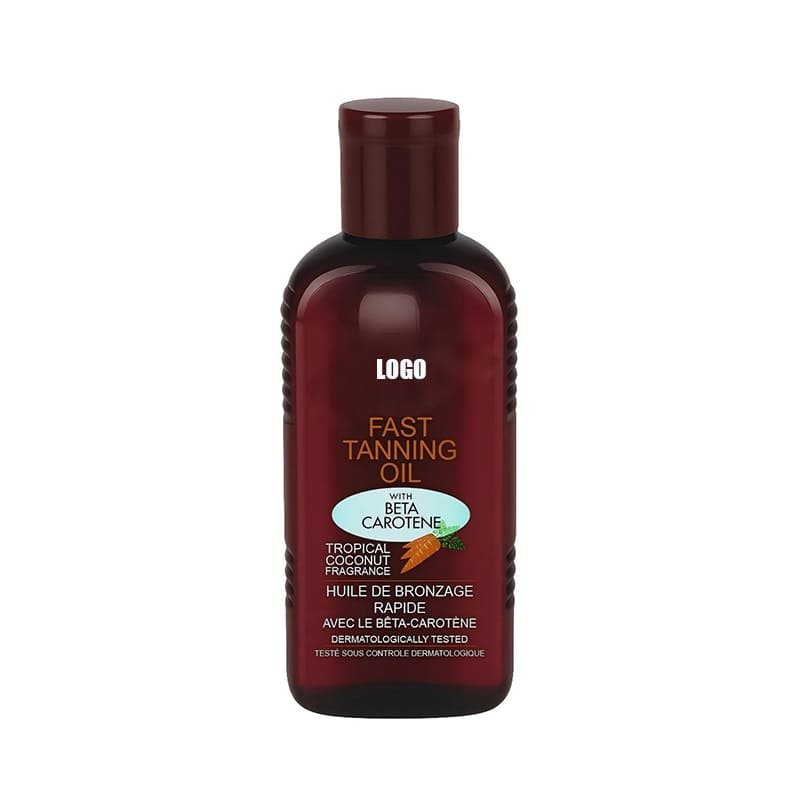
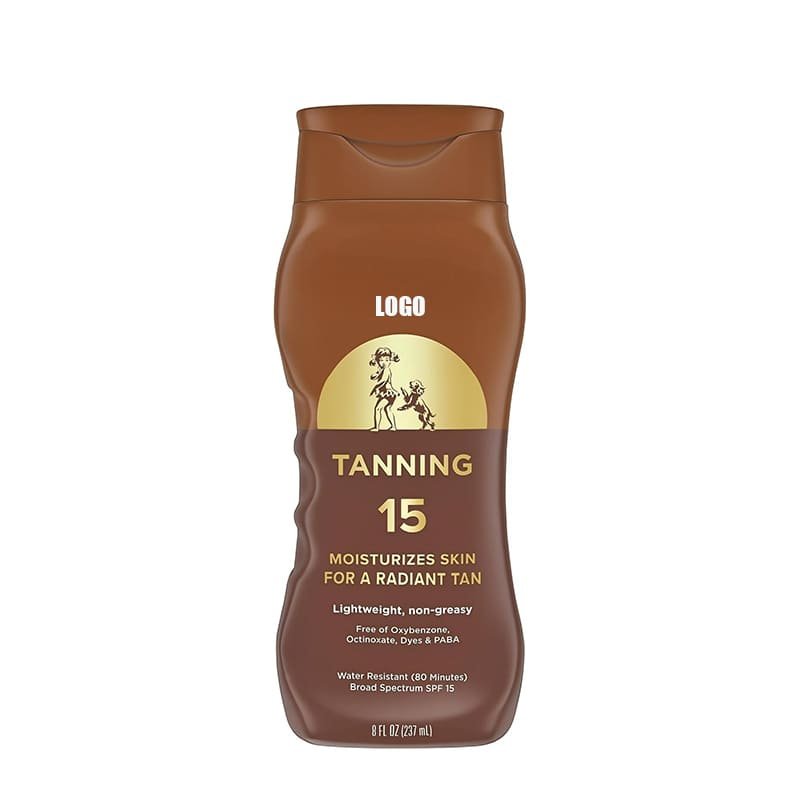
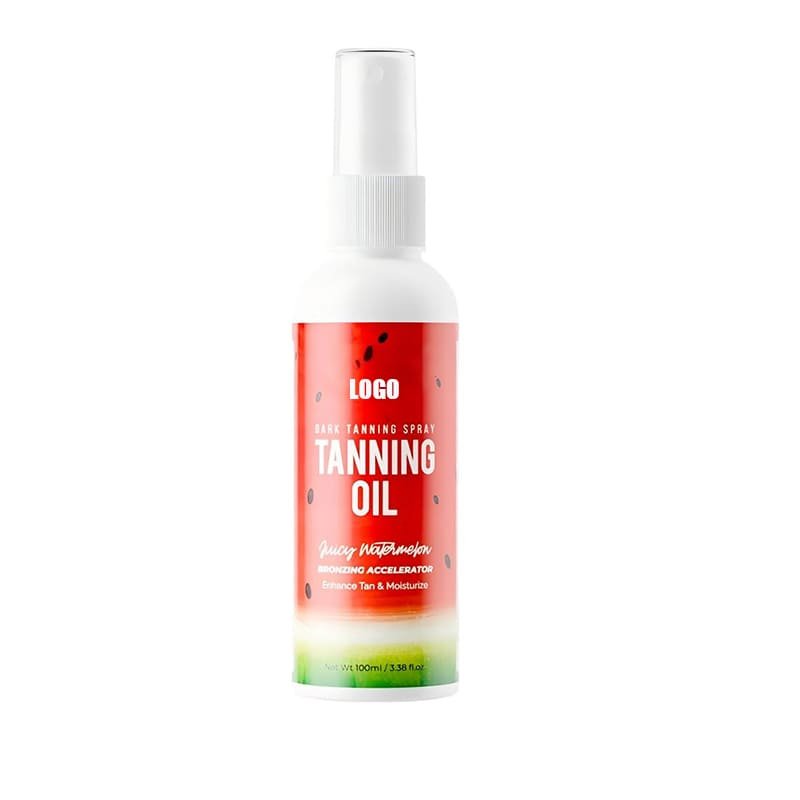
Spec / Parameter Card
| Field | Options / Recommendations |
|---|---|
| Core Formats | Dry oil spray • Classic body oil • Gel-oil (thicker, less runny) • Shimmer oil (fine glow) |
| Lane Choice | Non-SPF tanning oil (radiance + moisturization) or SPF tanning oil (requires sunscreen testing/label rules by market) |
| Oil Base Strategy | Fast-dry “dry oil” esters + lightweight plant oils • richer oil blend for dry skin • oxidation-resistant blend (project-dependent) |
| Antioxidant Support | Vitamin E direction; polyphenol direction for odor/color stability support (keep it cosmetic) |
| Sensory Targets | Low-grease • low-slip • low-stain • “beach scent” optional but controlled (heat stability) |
| Shimmer / Glow Option | Pearl/mica direction for subtle radiance (avoid heavy glitter transfer) |
| Fragrance Strategy | Tropical scent (controlled) or very low scent / fragrance-free leaning (sensitive lane + oxidation control) |
| Water Resistance (if SPF lane) | Define water-resistance target and validate per destination-market norms (channel-dependent) |
| Claim Focus | Sun-kissed glow • moisturizes/softens • radiant-looking skin • beach-day body oil (avoid medical/UV speed claims) |
| Skin Type Fit | Normal/dry • “glow seekers” • sensitive fragrance-avoid lane • outdoor/water-sport lane (if SPF lane) |
| Stability & QC | Oxidation odor, color drift, viscosity drift, nozzle performance (sprays), leakage resistance, packaging compatibility |
| Docs | COA, SDS, stability data; claim boundary guidance; if SPF lane: required sunscreen labeling/testing pathway by market |
| Sampling & Lead Time | Most iterations come from odor/oxidation control, spray feel (droplet size), stain risk, and packaging leakage/nozzle clogging |
| Typical MOQ | 1,000–3,000 pcs/SKU for validated bases; higher for custom sprayers, specialty coatings, or premium decoration |
More Private Label Products
Private Label Sports Muscle Relief →
How to Launch Sports Muscle Relief Products →
Private Label Skincare Solutions→
Private Label Clinic Care Solutions→
Private Label Pet Care Solutions→
Private Label Tan Care Solutions→
Private Label Intimate Care Solutions→
Private Label Tattoo Care Solutions→
Private Label Facial Care Solutions→
Private Label Body Care Solutions→
Private Label Beard Care Solutions→
Private Label Hair Care Solutions →
Which customers and channels is this tanning oil for?
Tanning oils sell best as an outdoor-day body oil that makes skin look more radiant and feel smoother. The formula must feel comfortable in heat, travel well, and dispense cleanly without leaks or clogged sprayers.
Tanning oils win when they feel light in heat and stay fresh-smelling. This tab shows how oil weight, fragrance level, and antioxidant supports shift for dry skin, sensitive users, and outdoor-channel expectations.
Dry / Dehydrated (Glow + Softness Lane)
- Texture: Silky oil or gel-oil, cushioned slip.
- Core stack: Nourishing oil blend + vitamin E direction + comfort feel.
- Notes: “Soft skin after sun” is the repeat-purchase driver.
- Micro-CTA: Create a Nourishing Tanning Oil
Normal / Combination (Non-Greasy Daily Beach Lane)
- Texture: Dry oil spray or light oil, fast dry-down.
- Core stack: Lightweight base + low-stain design + antioxidant support.
- Notes: Reduce “too oily” complaints without feeling dry.
- Micro-CTA: Build a Dry Oil Spray Tanning Oil
Sensitive / Fragrance-Avoid (Low-Reactance Lane)
- Texture: Low-residue dry oil or simple light oil.
- Core stack: Minimal fragrance + oxidation-control strategy + comfort direction.
- Notes: Heat-stable, low-odor is the trust signal.
- Micro-CTA: Design a Low-Scent Tanning Oil
Beach Vacation / Glow Seekers (Signature Scent Lane)
- Texture: Dry oil spray with elegant sheen.
- Core stack: Lightweight oils + signature fragrance (controlled) + subtle glow option.
- Notes: Scent should stay “clean” after heat exposure.
- Micro-CTA: Launch a Signature Beach Glow Oil
Outdoor / Water Activities (Channel-Strict Lane)
- Texture: Spray oil with controlled slip, or gel-oil for less run.
- Core stack: Base tuned for outdoor wear; if SPF lane, align water resistance + labeling pathway.
- Notes: Leakage resistance and sprayer reliability matter most.
- Micro-CTA: Develop an Outdoor-Ready Tanning Oil
Routine goals change with age: younger buyers chase scent and glow, 30s–40s want a “non-greasy, non-stain” upgrade, and older users prefer comfort, simpler scent, and easy dispensing over hype.
Teens & Early 20s – First “Beach Glow” Oil
- Texture: Dry oil spray, fast dry-down.
- Core stack: Lightweight oil base + controlled fragrance.
- Notes: Simple rules reduce misuse (reapply feel, avoid over-application).
20s–30s – Glow + Aesthetic + Travel-Friendly
- Texture: Dry oil spray or light shimmer oil.
- Core stack: Lightweight base + subtle radiance option + odor-stability support.
- Notes: “Doesn’t stain my bikini” drives reviews.
30s–40s – Non-Greasy Upgrade (Comfort + Look)
- Texture: Light oil or gel-oil with less slip.
- Core stack: Oxidation-resistant strategy + vitamin E direction + premium after-feel.
- Notes: Less slippery, more wearable on the move.
40s–50s – Comfort-First Outdoor Body Oil
- Texture: Silky oil or gel-oil, cushioned feel.
- Core stack: Nourishing blend + comfort supports + low scent.
- Notes: Packaging ease (pump/spray) becomes a key preference.
60s+ – Simple, Low-Irritation, Easy Dispensing
- Texture: Gentle light oil, low residue.
- Core stack: Minimal fragrance + comfort direction.
- Notes: Clear label guidance and easy-grip packaging matter.
What can top-selling tanning oils teach your formula design?
Top sellers in Amazon’s Tanning Oils & Lotions category show shoppers love a fast “sun-kissed glow” experience, but they quickly churn if the oil feels greasy, smells rancid, or leaks in a beach bag. The best products pair a recognizable scent story with reliable dispensing and a non-stain, fast-dry finish.
| Brand / Product | Core Actives (typical) | Format / Texture | Strengths | Gaps / Considerations |
|---|---|---|---|---|
| Hawaiian Tropic Dark Tanning Oil (SPF 0) | Coconut oil + cocoa butter direction | Classic oil | Iconic “tropical oil” positioning; strong beach identity | Oxidation/odor and leak control are make-or-break in this lane |
| Banana Boat Deep Tanning Oil (SPF 4) | Coconut oil + fruit/carrot extract direction (brand-led) | Spray oil | Familiar mass-market tanning-oil format; “light sunscreen oil” story | SPF lane requires strict labeling/testing by market; spray performance must stay stable |
| Australian Gold Instant Bronzer Spray Gel (SPF 15) | “Instant bronzer” direction + aloe direction | Spray gel | Bronzer + sun-care feel; strong “color” experience | Higher complexity: bronzer transfer risk + nozzle/clog risk; SPF rules apply by market |
| Sun Bum SPF 15 Moisturizing Tanning Oil | Multi-oil blend direction + aloe direction | Oil | “Bronzed with protection” positioning; strong lifestyle branding | SPF lane requires drug-style labeling/testing in the U.S.; fragrance stability in heat matters |
| Carroten Intensive Tanning Oil (SPF 0) | Carrot + coconut oil direction (brand-led) | Oil | Clear “deep tan” positioning; strong regional equity | Non-SPF lane must avoid protection confusion; oxidation control is critical |
| COCOSOLIS CHOCO / ALOHA Suntan & Body Oil | Organic oil blend direction | Oil | “Natural/organic tanning oil” narrative; strong sensorial appeal | Natural oils can oxidize faster—stability and packaging discipline decide repeat purchase |
| Maui Babe Browning Lotion | “Tan accelerator” lotion lane | Lotion | Cult-following; strong word-of-mouth | Lotion lane competes on feel + stain risk; claim language must stay compliant and non-medical |
Custom Funtion Formula for your brand? You can review skincare function formulation pages:
Custom After Sun Formulations →Custom Moisturizing Formulations →Custom Nourishing Formulations →Custom Anti Oxidation Formulations →Custom Sensitive Skin Care Formulations →
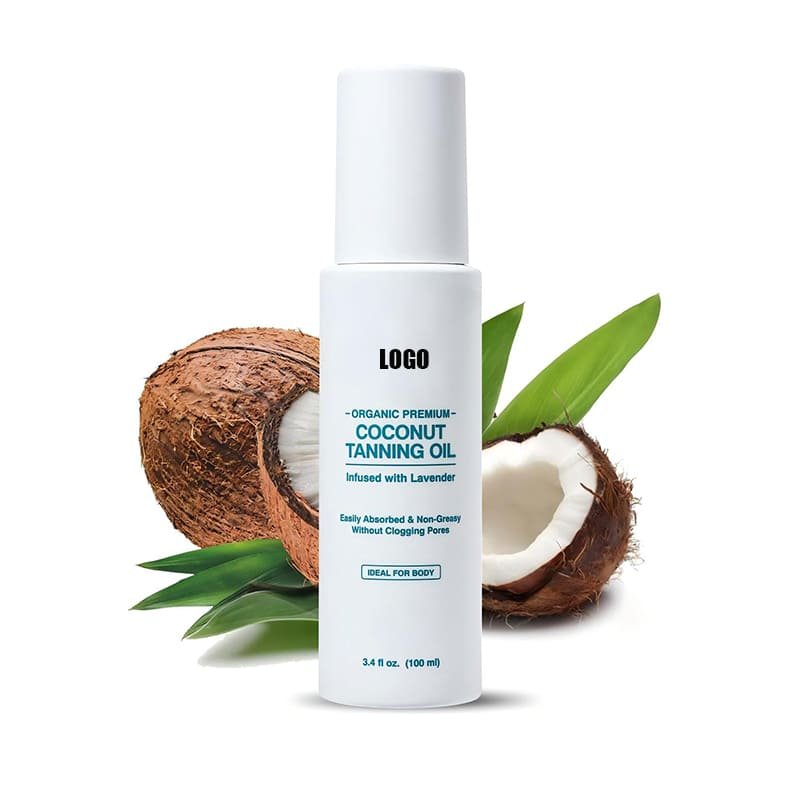
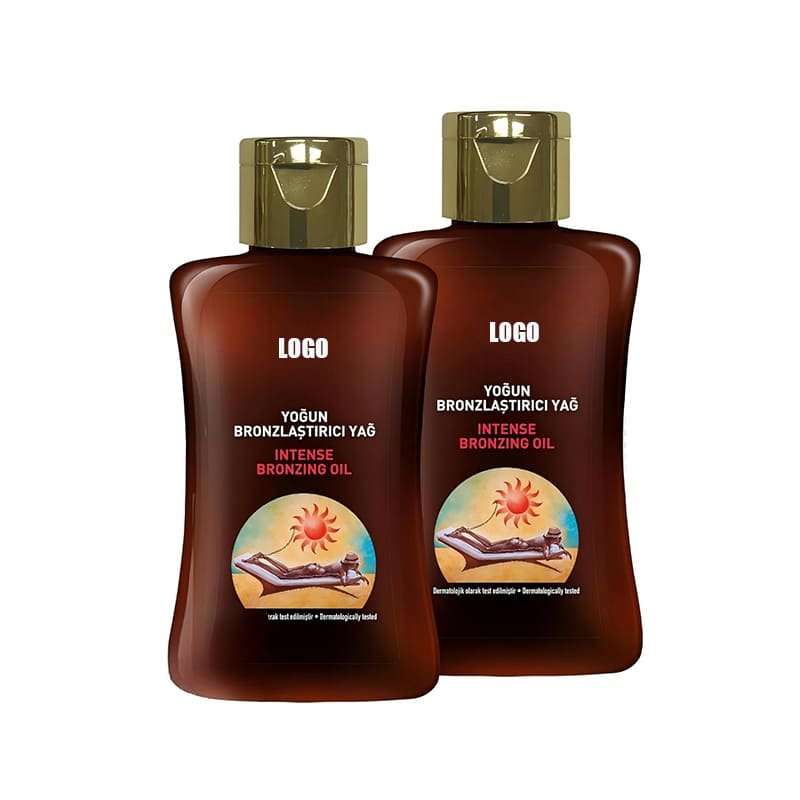
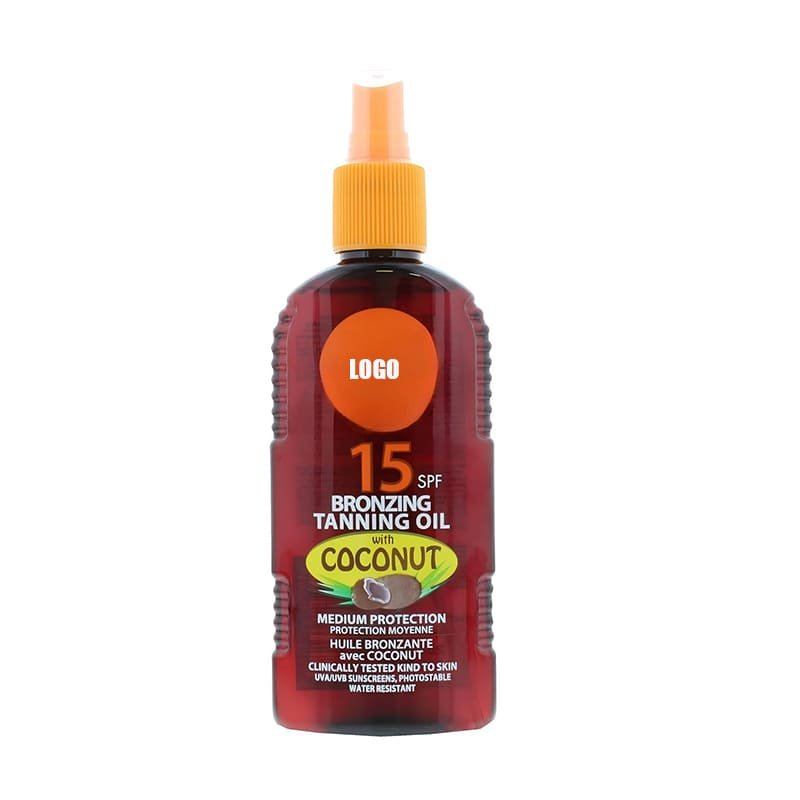
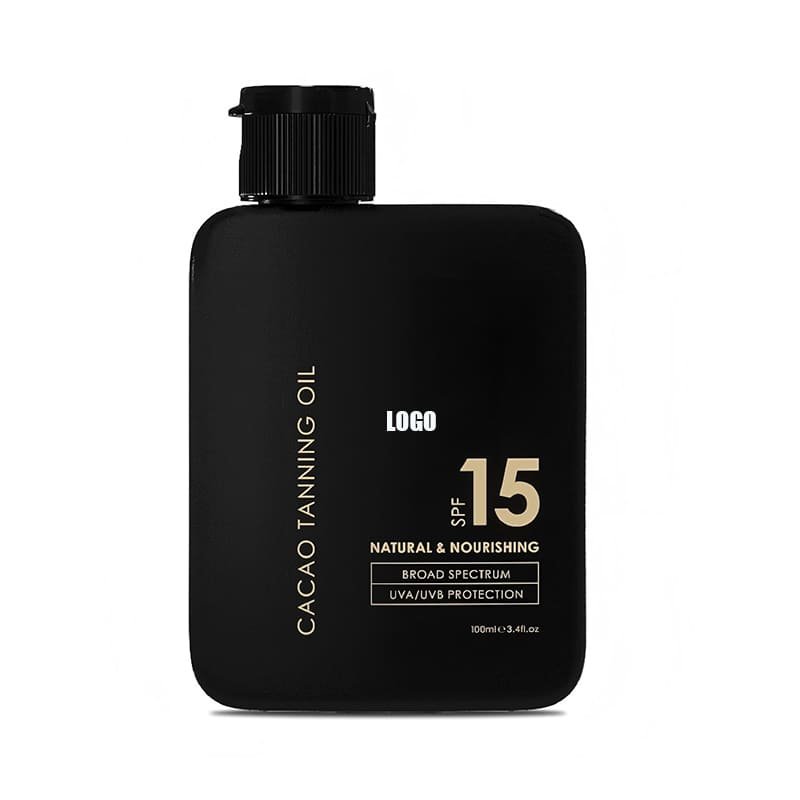
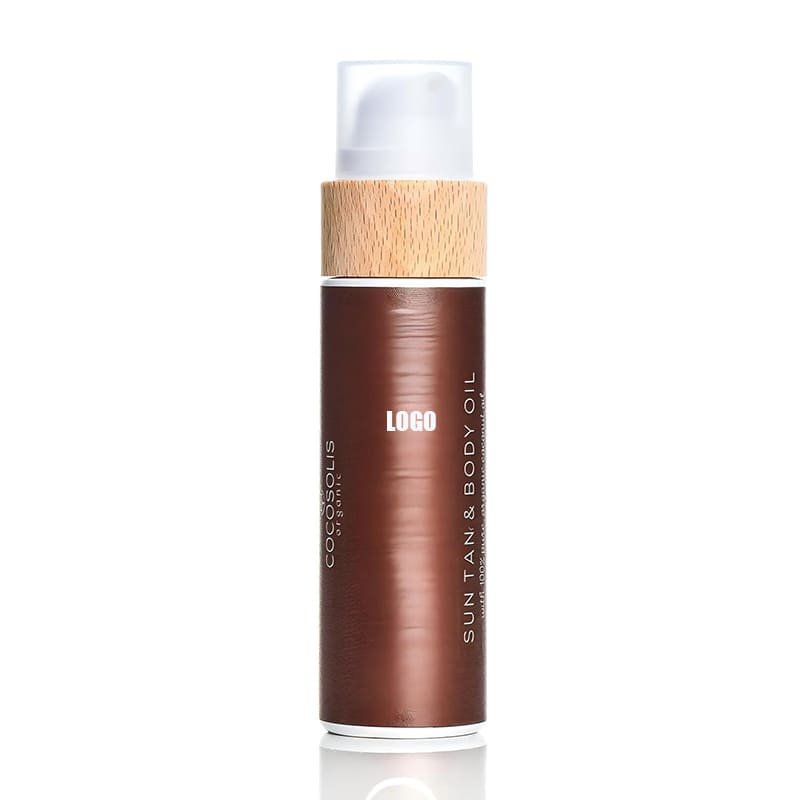
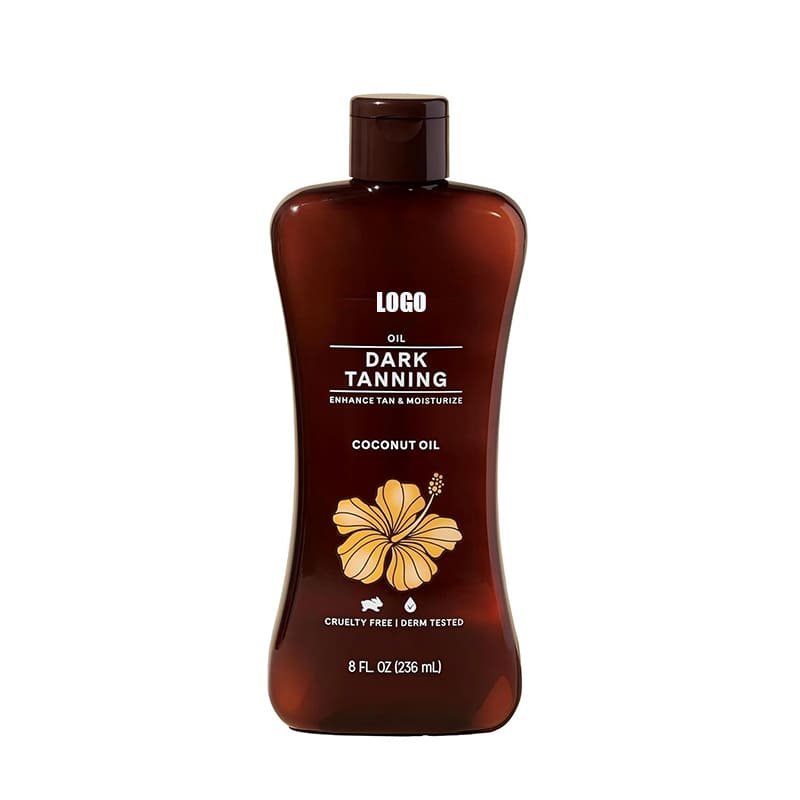
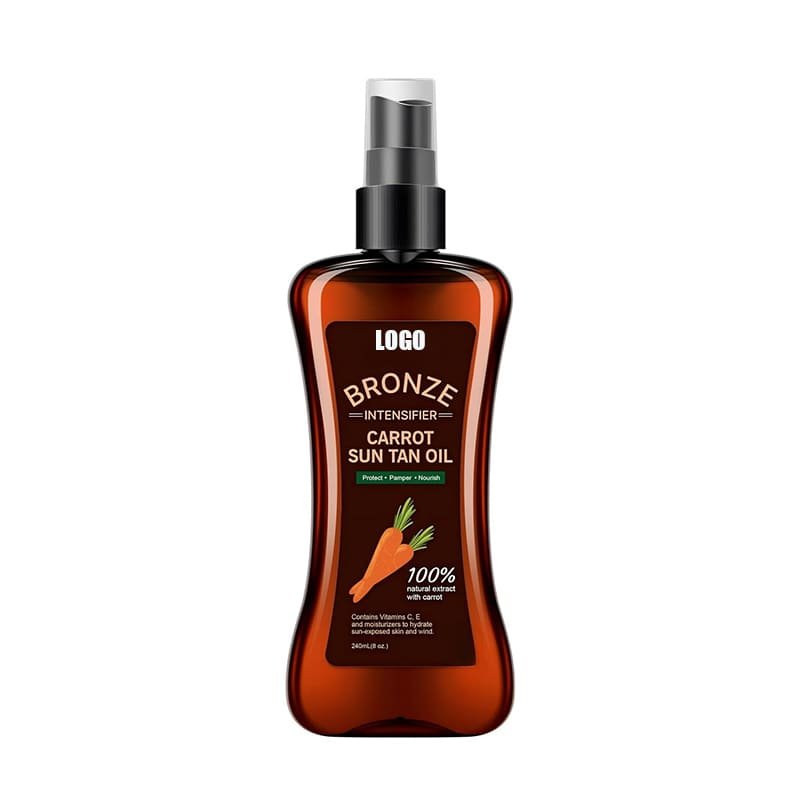
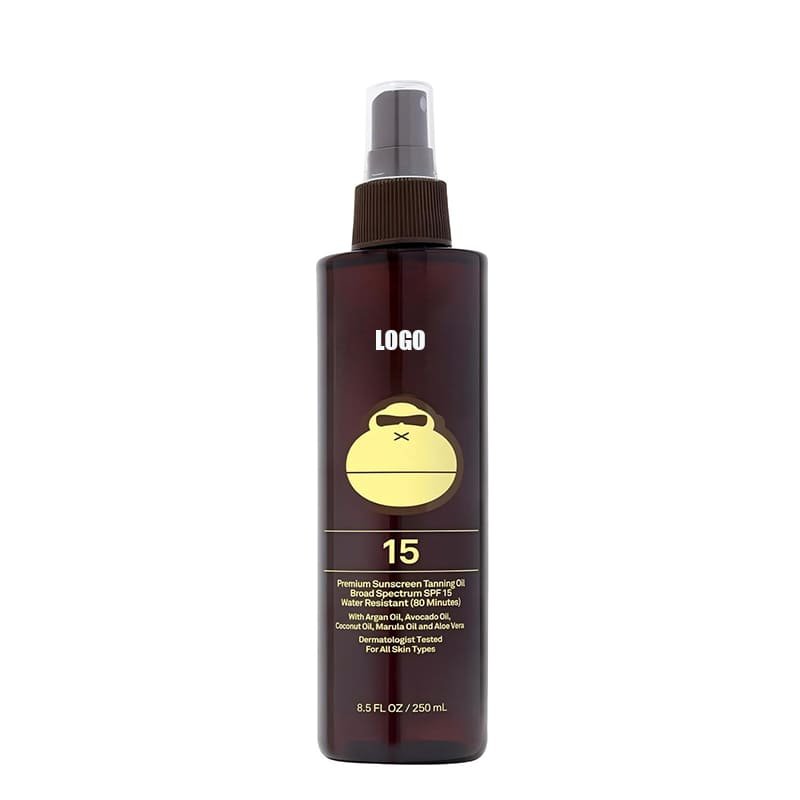
Tanning Oil Finish Products you may want to reference:
Make A Sample First?
If you have your own formula, packaging idea, logo artwork, or even just a concept, please share the details of your project requirements, including preferred product type, ingredients, scent, and customization needs. We’re excited to help you bring your personal care product ideas to life through our sample development process.
How should you design the formula and active stack for tanning oil?
Treat tanning oil as a sensorial + stability product first: it must feel good in heat, smell clean over time, and dispense reliably. If you choose an SPF lane, the project becomes a sun-care compliance build with specific testing and labeling rules by market.
Step 1 – Define the job and usage lane
- Non-SPF “glow tanning oil” vs SPF tanning oil (market-by-market pathway)
- Set the experience target: fast dry-down, low slip, low stain, beach-bag friendly
- Decide the brand story: signature scent vs low-scent / sensitive leaning
Step 2 – Choose the oil base and positioning system
- Build the base around a “dry oil” feel (lightweight, fast-absorbing) or a richer comfort feel
- Add antioxidant support (vitamin E direction) to help reduce oxidation-odor risk
- If shimmer is required: choose subtle radiance that doesn’t transfer heavily
Step 3 – Balance glow, comfort, and heat stability
- Control oxidation: avoid “rancid” drift with smart oil selection + antioxidants + low headspace strategy
- Keep fragrance stable (heat-exposed logistics) and avoid aggressive sensitizing scent directions
- Tune stain/slip: reduce heavy residue that causes “greasy hands / slippery body” complaints
Step 4 – Validate stability, packaging compatibility, and channel reality
- Track odor/color drift, viscosity drift, and (for sprays) nozzle output consistency
- Run heat-cycle + transport-leak checks (caps, sprayers, seals, liner fit)
- If SPF lane: align tests/labeling to destination-market sunscreen requirements

| Active (Use Range) | Key Features | Suitable Uses / Skin Types | Recommended Combinations | Suggested Packaging |
|---|---|---|---|---|
| Lightweight “Dry Oil” Emollients (system-dependent) | Fast-dry, low-grease sensory | Normal/combination; humid climates | With vitamin E direction | Fine-mist spray / pump |
| Nourishing Plant Oil Blend (system-dependent) | Softens, improves look of dryness | Dry skin; cooler climates | With antioxidant support | Pump / flip-top |
| Vitamin E (Tocopherol, 0.2–1%) | Antioxidant support; helps reduce odor drift risk | Most lanes | With lightweight or nourishing oil base | Any (prefer opaque/UV-protecting where needed) |
| Carrot / “Sun-kissed glow” botanical direction (system-dependent) | Story-led “radiant tan” positioning | Glow seekers | With vitamin E; low-scent strategy | Pump / spray |
| Shimmer minerals (very low, project-dependent) | Subtle radiance, “glow finish” | Vacation / photo-friendly lanes | With dry oil base to reduce transfer | Pump / spray with compatible hardware |
| Soothing oil-compatible comfort direction (system-dependent) | Helps reduce “tight, dry” feel after outdoor time | Sensitive/dry lanes | With nourishing base + low fragrance | Pump / flip-top |
| UV filters (SPF lane only; level by regulation) | Sun protection positioning (market-regulated) | Outdoor/water lanes | With photostability strategy + compliant labeling | Spray gel / oil (market-dependent) |
Which textures work best for tanning oil?
The best tanning oil textures feel lightweight in heat—fast dry-down, low slip, low stain—while staying stable (no rancid odor or color drift) and dispensing consistently from the chosen sprayer or pump.
Considerations by market and user
- Climate:Hot / humid: dry oil sprays with quick dry-down and minimal residue. Cold / dry: slightly richer oils or gel-oils to reduce tightness
- Skin type & routine:Normal/combination: non-greasy feel with controlled sheen. Dry: cushioned slip without heavy, sticky residue. Sensitive: low fragrance and clean, stable odor profile
- Channel:Amazon / e-commerce: leaks, rancid smell, and staining complaints drive returns—packaging and stability are conversion gates. Retail: signature scent and elegant after-feel drive trial. Resort / travel: mini sizes + leak resistance matter most
Dry oil spray (fast-finish beach lane)

A very light sprayable oil with quick dry-down; typical viscosity around 5–80 cps.
- Suitable for: hot climates, normal/combination skin, active outdoor use
- Key selling points: non-greasy feel, easy reapply, lower slip perception
- Packaging/use tips: fine-mist sprayer; validate clog/leak and droplet feel
Classic tanning body oil (iconic glow lane)
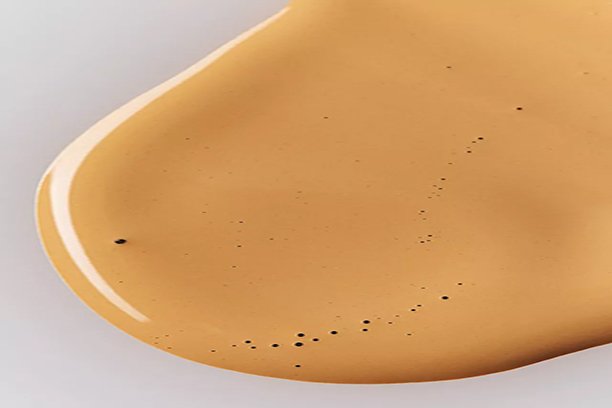
A light-to-medium body oil with visible sheen; typical viscosity around 80–400 cps.
- Suitable for: glow seekers, beach vacation positioning, dry-leaning skin
- Key selling points: “sun-kissed radiance,” soft skin feel, signature scent story
- Packaging/use tips: pump or flip-top to reduce over-dosing and leaks
Gel-oil tanning oil (less runny, lower mess lane)
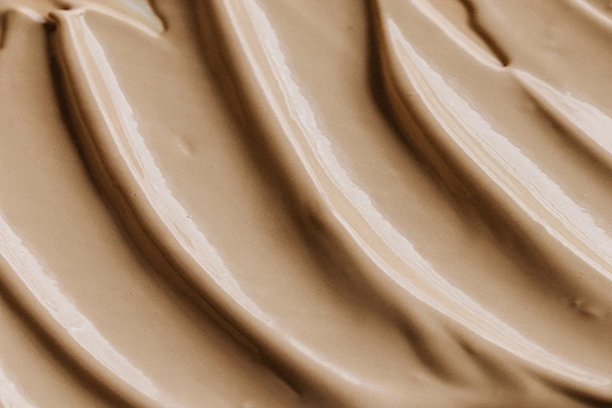
A thicker oil-gel that stays put and feels controlled; typical viscosity around 2,000–15,000 cps.
- Suitable for: users who hate runny oils; travel/resort channels
- Key selling points: less dripping, more controlled application, premium feel
- Packaging/use tips: pump or squeeze tube; verify heat stability and flow
Which packaging options make sense for tanning oil?
Choose packaging that prevents leaks, keeps dispensing consistent, and protects the formula from heat/light stress—while leaving enough label space for clear lane guidance (SPF vs non-SPF) and use instructions.
Factors to align with your brand
- Application method:Fine-mist spray for fast coverage and “dry oil” positioning. Pumps/flip-tops for controlled dosing and lower leak risk. Gel-oils often benefit from pumps or tubes for mess control
- Stability & protection:Opaque/amber materials where needed to reduce light stress. Tight closures and liner/seal choices to reduce leakage. Sprayer performance consistency over time (no clogging, no sputter)
- Sustainability direction:PCR PET bottles where feasible. PCR caps/components where feasible. Simplify component mix to improve recyclability
- Label and artwork space:Clear lane statement: SPF vs non-SPF (avoid protection confusion). Simple use rules: amount, reapply feel, stain caution. For SPF lane: required warnings/format by market
- Channel needs:Amazon: leak resistance + stable odor reduces returns. Retail: premium sprayer feel and tactile packaging supports price point. Travel/resort: mini sizes + secure caps reduce complaints

Fine-Mist Spray Bottle (100–200ml)
Best for dry oil sprays and fast coverage.
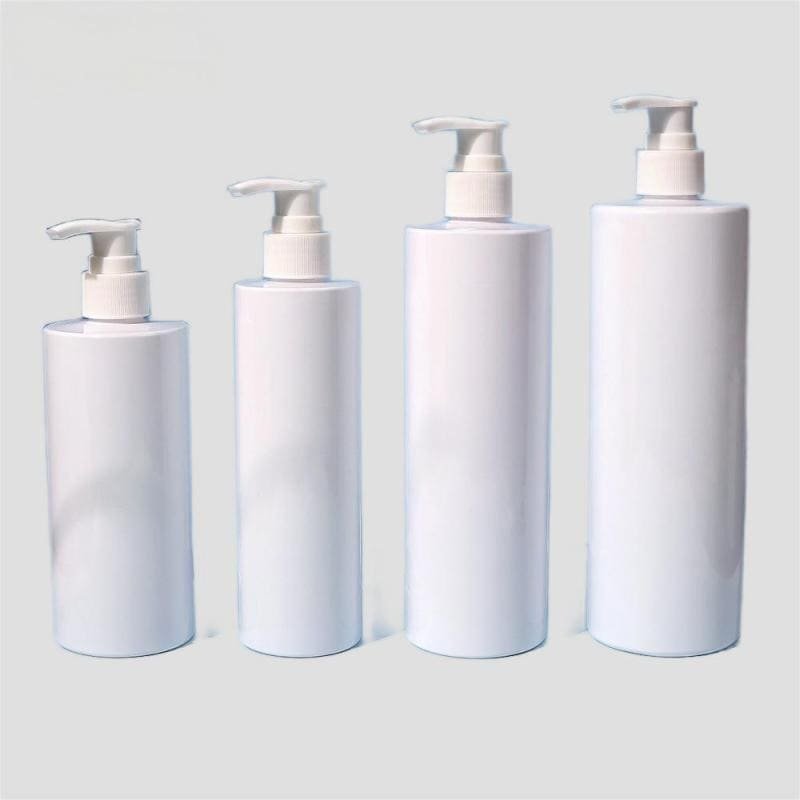
Pump Bottle (100–200ml)
Great for controlled dosing with lower leak risk.

Flip-Top Bottle (100–200ml)
Simple, cost-efficient, travel-friendly..

PCR Options
Post-consumer recycled components where feasible.
What do brands most often ask about this tanning oil?
Brands usually ask how to position SPF vs non-SPF clearly, how to prevent rancid odor and leakage, and how to reduce staining/greasy feel while still delivering a noticeable “sun-kissed glow” experience.
1. Does tanning oil need SPF, and how should it be labeled?
- Decide the lane early: non-SPF glow oil vs SPF tanning oil (different compliance paths)
- If SPF lane: follow destination-market sunscreen labeling/testing requirements (U.S. OTC Drug Facts rules apply)
- If non-SPF: prevent “protection confusion” with clear on-pack positioning
2. How can staining on swimsuits and clothes be reduced?
- Choose a low-stain base and avoid heavy, high-transfer colorants
- Control shimmer level and particle type to reduce transfer risk
- Add simple user rules: apply thinly, let dry, then dress
3. Why do some tanning oils smell rancid after a short time?
- Oxidation-prone oil choices and heat exposure drive odor drift
- Headspace/closure choices and light exposure accelerate changes
- Antioxidant support + packaging discipline reduces complaint risk
4. What packaging prevents leaks and sprayer failures best?
- Fine-mist sprayers require hardware compatibility testing to avoid clog/sputter
- Pumps/flip-tops reduce travel leaks and overdosing complaints
- Leak testing (cap/liner/seal) should be a core QA gate for e-commerce
5. What claims are “safe premium” vs high-risk for tanning oil?
- Safer: “sun-kissed glow,” “radiant-looking skin,” “moisturizes/softens”
- Higher risk: implying faster tanning via UV amplification or sunburn prevention without SPF lane compliance
- SPF claims must follow regulated sunscreen rules by market
6. What are typical MOQs, lead times and cost drivers?
- Typical MOQ: 1,000–3,000 units per SKU, higher for specialty sprayers or custom decoration
- Lead time depends on odor/oxidation stability work and packaging compatibility iterations
- Cost drivers: packaging hardware, fragrance system, shimmer option, and validation depth
## How will Zerun Cosmetic support private label tanning oil projects?
- Our team will answer your inquiries within 12 hours.
- Your information will be kept strictly confidential.





Zerun supports tanning oil brands with stability-first oil blend engineering, non-greasy sensory design, and leak-resistant packaging plans—helping you launch a sun-kissed glow hero that customers trust and repurchase.
We start from your reality:
- Your target users (dry skin comfort, non-greasy beach use, sensitive fragrance-avoid) and climates
- Your lane choice (non-SPF glow tanning oil vs SPF tanning oil) and channel plan (Amazon, retail, resort)
- Your packaging preference (fine-mist spray / pump / flip-top), fragrance policy, and budget for validation
We co-develop formulas, formats and routines:
- Dry oil sprays, classic body oils, and gel-oil textures tuned for fast dry-down and low stain
- Antioxidant-supported oil systems engineered for odor control and heat stability
- Simple use rules (dose, dry time, stain caution, lane clarity) that reduce misuse reviews
We help plan claims, tests and documentation:
- Cosmetic-safe glow and moisturization claims with clear lane messaging to avoid protection confusion
- Stability (odor/color drift), packaging compatibility, and leak testing for e-commerce readiness
- If SPF lane: market-aware labeling/testing planning aligned to destination requirements
If you already have reference products or ideas, share:
- Links/photos of tanning oils you like (finish, scent, sprayer feel, packaging)
- Your “must avoid” issues (rancid odor, greasy slip, staining, leakage, clogging)
- Your target markets, initial volumes, and desired launch timing
Based on this, we can propose a clear tanning oil development roadmap and sampling plan. Use the contact form, email or WhatsApp on this site to start your private label tanning oil project with Zerun.