Skip to content
Private label tattoo aftercare cream: how can brands design an effective “fresh ink comfort + barrier support” hero product?
A winning tattoo aftercare cream helps newly tattooed skin stay comfortable and hydrated—without sting, heavy greasiness, clogged-feel breakouts, or “it ruined the ink / made it peel badly” complaints. The best sellers win on one thing: thin-layer usability + predictable comfort, not “more actives.”
Most failures come from treating aftercare like a normal body cream. Fresh tattoos behave like irritated, vulnerable skin that needs a breathable moisture barrier, low-allergen choices, and simple usage rules (thin layer, clean hands, avoid fragrance/irritants). Dermatology guidance also consistently frames aftercare around keeping the area clean and using gentle, fragrance-free moisturizers.
GMP/ISO • EU/US compliant docs • Samples in 3–7 days • MOQ from 1,000 pcs
What are the key specifications of this custom tattoo aftercare cream?
Decide the lane first: a light, breathable cream for daily use (most scalable for DTC/Amazon) vs a balm/ointment-style occlusive for very dry phases. That one decision drives texture, ingredient limits, packaging, and how you write “thin layer” rules to protect reviews. General aftercare guidance commonly emphasizes gentle cleansing plus thin-layer moisturizing rather than “active-heavy” formulas.


Spec / Parameter Card
| Field | Options / Recommendations |
|---|---|
| Core Formats | Light cream • Gel-cream • Balm-cream hybrid • Ointment-style balm (lane-based) |
| Comfort System | Low-sting, fragrance-free leaning; minimize common irritants for compromised-feel skin |
| Barrier Support | Occlusives (light) + skin-identical lipids direction (ceramides/cholesterol/FA) + humectants (low tack) |
| Soothing Supports | Panthenol, allantoin, beta-glucan, bisabolol, centella direction (project-dependent) |
| “What to avoid” strategy | No strong acids/retinoids, no high alcohol, low essential oils/fragrance; minimize allergen load |
| Claim Focus | Comforting hydration • supports the skin barrier • helps reduce dry, tight feel • helps skin look smoother (cosmetic-safe) |
| Skin Fit | Sensitive/reactive • dry/itch-prone • normal skin wanting a clean aftercare routine |
| Usage Rules | “Clean hands + thin layer + 2–3x/day as needed” (plus artist-instruction alignment) (webmd.com) |
| Safety Notes | External use; avoid use on infected/abnormally swollen skin; stop if irritation worsens (market wording) |
| Stability & QC | Separation, odor drift, viscosity drift, micro/challenge (water-based), packaging compatibility, pump/clog performance |
| Docs | COA, SDS, micro & stability data; fragrance allergen status where applicable; claim boundary guidance by market |
| Sampling & Lead Time | Most iterations come from sting-feel control, “too greasy” complaints, and pump/dispensing behavior |
| Typical MOQ | 1,000–3,000 pcs/SKU for validated bases; higher for custom airless/pumps or premium decoration |
More Private Label Products
Private Label Sports Muscle Relief →
How to Launch Sports Muscle Relief Products →
Private Label Skincare Solutions→
Private Label Clinic Care Solutions→
Private Label Pet Care Solutions→
Private Label Tan Care Solutions→
Private Label Intimate Care Solutions→
Private Label Tattoo Care Solutions→
Private Label Facial Care Solutions→
Private Label Body Care Solutions→
Private Label Beard Care Solutions→
Private Label Hair Care Solutions →
Which customers and channels is this tattoo aftercare cream for?
Tattoo aftercare products sell best when the routine feels foolproof: cleanse gently, apply a thin layer, stay comfortable, and don’t trigger avoidable irritation. Brands win when the formula behaves consistently across climates and doesn’t feel like a heavy ointment unless that’s the explicit positioning.
Tattoo aftercare creams win when they feel soothing, non-stinging, and easy to apply in a thin layer. This tab shows how texture, barrier supports, and irritation-control choices shift by skin type and complaint risk.
Sensitive / Reactive (Low-Sting Comfort Lane)
- Texture: Light cream or gel-cream, fragrance-free leaning.
- Core stack: Panthenol + allantoin/beta-glucan direction + low-irritant base.
- Notes: Sting control and allergen-minimization protect reviews.
- Micro-CTA: Create a Low-Sting Aftercare Cream
Dry / Tight / Flaky (Barrier-First Lane)
- Texture: Cream with cushion slip; optional balm-cream hybrid.
- Core stack: Humectants + light occlusive + ceramide/barrier direction.
- Notes: Avoid “too greasy” while preventing over-dry peeling feel.
- Micro-CTA: Build a Barrier-Comfort Aftercare Cream
Oily / Breakout-Prone (Breathable, Non-Clog Lane)
- Texture: Fast-absorbing gel-cream; low residue.
- Core stack: Lightweight emollients + low-tack humectants + soothing supports.
- Notes: Reduce “clogged pores” and “shiny film” complaints.
- Micro-CTA: Develop a Breathable Aftercare Gel-Cream
Itchy / Irritated Feel (Soothing Routine Lane)
- Texture: Light cream, low fragrance/low odor.
- Core stack: Panthenol + bisabolol/centella direction + gentle base.
- Notes: “Comfort without sting” matters more than “strong actives.”
- Micro-CTA: Design an Itch-Comfort Aftercare Cream
Color-Protection Mindset (Long-Term Tattoo Care Lane)
- Texture: Daily body-lotion feel (non-greasy).
- Core stack: Barrier hydration + antioxidant direction (gentle).
- Notes: Position for healed tattooed skin maintenance and sun-care pairing.
- Micro-CTA: Launch a Daily Tattoo Care Moisturizer
Routine changes by audience: younger buyers want fast, clean aftercare; 30s–40s want comfort with low irritation; older users want richer cushion and easy dispensing. This tab maps texture and packaging choices to routine behavior.
Teens & Early 20s – First Aftercare Purchase
- Texture: Gel-cream, quick dry-down.
- Core stack: Gentle humectants + light emollients + panthenol direction.
- Notes: Keep instructions simple: thin layer, no fragrance drama.
20s–30s – DTC/Amazon Buyers
- Texture: Light cream, non-greasy finish.
- Core stack: Barrier hydration + soothing supports; low allergen load.
- Notes: “No sting, no heavy film” is the conversion driver.
30s–40s – Sensitive Routine Users
- Texture: Soft cream or gel-cream with cushion.
- Core stack: Panthenol + allantoin/beta-glucan direction + fragrance-free leaning base.
- Notes: Reduce complaint risk for users already prone to irritation.
40s–50s – Dryness + Maintenance Buyers
- Texture: Richer cream, still breathable.
- Core stack: Ceramide/barrier direction + balanced occlusives.
- Notes: Premium after-feel and pump ease matter.
60s+ – Ease of Use (No-Mess Lane)
- Texture: Medium cream, smooth spread, low drag.
- Core stack: Comfort supports + simple barrier hydration.
- Notes: Pumps/airless often preferred over jars for hygiene and control.
What can top-selling tattoo aftercare creams teach your formula design?
Top sellers prove buyers want comfort + hydration + “thin layer works” more than complicated actives. The repeat-purchase winners also avoid strong fragrance and keep textures predictable across healing stages.
| Brand / Product | Core Actives (typical positioning) | Format / Texture | Strengths | Gaps / Considerations |
|---|---|---|---|---|
| Hustle Butter Deluxe Tattoo Aftercare Balm (5 oz) | Plant butters/oils direction; petroleum-free | Thick balm | Massive category momentum; strong “natural” story | Can feel heavy; scent/essential-oil tolerance varies by user |
| Mad Rabbit Tattoo Balm & Aftercare Cream | “Clean ingredients” positioning; petroleum-free claim | Balm-cream | Strong brand in tattoo care; “daily moisturize” angle | “Color enhancement” language must be kept cosmetic-safe |
| After Inked Tattoo Aftercare Lotion | Hydrating cream with grape seed oil direction | Lotion/cream | “Light moisturizer” aftercare feel; broad appeal | Lotion lane needs strong preservative + micro plan |
| Tattoo Goo Aftercare (kit/lotion) | Balm + lotion + soap ecosystem | Lotion/balm | Full routine bundle; recognizable name | Bundle approach increases complexity for private label matching |
| H2Ocean Aquatat Tattoo Healing Ointment | “Breathable barrier” ointment direction | Ointment/cream | Fragrance- & dye-free positioning; thin barrier feel | Ointment lane can polarize “greasy vs protective” expectations |
| INK-EEZE Tattoo Aftercare Cream / Ointment lines | Essential oils direction; multiple variants | Ointment/cream | Tattoo-artist channel visibility; multiple sensory options | Essential oils can raise sensitivity complaints if not managed |
| Aquaphor Healing Ointment (often used for tattoos) | Petrolatum-based skin protectant | Ointment | Widely used; strong occlusive protection logic | Some guidance favors water-based lotion for tattooed skin long-term; instruction clarity matters |
Custom Funtion Formula for your brand? You can review skincare function formulation pages:
Custom Sensitive Skin Care Formulations→ ,Custom Anti Inflammatory Formulations→,Custom Moisturizing Formulations→,
Tattoo Aftercare Cream Finish Products you may want to reference:


Make A Sample First?
If you have your own formula, packaging idea, logo artwork, or even just a concept, please share the details of your project requirements, including preferred product type, ingredients, scent, and customization needs. We’re excited to help you bring your personal care product ideas to life through our sample development process.
How should you design the formula and active stack for tattoo aftercare cream?
Treat tattoo aftercare as comfort engineering + irritation-risk control, not “active stacking.” Most mainstream aftercare advice emphasizes gentle cleansing plus thin-layer moisturizing, and many routines shift from heavier ointments early to lighter lotions later—so the formula lane should match that real behavior.
Step 1 – Define the job and usage lane
- Fresh-ink comfort cream vs balm/ointment lane vs “healed tattoo daily care” lotion lane
- Decide the “thin layer” experience target: spreadability, zero sting, low residue
- Align instruction style with common aftercare guidance (clean hands, gentle cleanse, thin re-apply)
Step 2 – Choose the barrier + comfort architecture
- Pick the barrier approach: light occlusive + humectant balance vs richer balm-cream hybrid
- Add soothing supports (panthenol/allantoin/beta-glucan direction) to reduce complaint risk
- Keep fragrance/essential oils conservative (sensitivity and “stinging” reviews are high-impact)
Step 3 – Balance results with tolerance and feel
- Avoid high-drag tack (too sticky feels “dirty” and over-applied)
- Tune emollients to reduce “greasy film” without leaving tightness
- Design for re-application 2–3x/day without pore-clog feel
Step 4 – Validate stability, micro safety, and real-world use
- Run micro/challenge testing for water-based creams; validate preservative system robustness
- Confirm no separation/odor drift and predictable viscosity across temperature cycles
- Validate dispensing: no pump clog, no sputter, clean cut-off to reduce mess

| Active (Use Range) | Key Features | Suitable Uses / Skin Types | Recommended Combinations | Suggested Packaging |
|---|---|---|---|---|
| Panthenol (0.5–5%) | Comfort support; helps reduce dry, tight feel | Sensitive, itchy-feel, daily aftercare | With gentle humectants + light occlusives | Tube / pump / airless |
| Allantoin (0.1–0.5%) | Soothing support; helps calm irritated feel | Sensitive/reactive; post-procedure feel | With panthenol + barrier lipids direction | Tube / pump |
| Beta-glucan direction (0.1–1%) | Comfort + barrier-support positioning | Reactive users; redness-prone feel | With panthenol + ceramide direction | Airless / pump |
| Ceramide complex direction (0.1–1%, system-based) | Barrier support, “skin-identical” story | Dry/tight, mature, sensitive | With cholesterol/FA direction + humectants | Airless / pump |
| Bisabolol / Centella direction (0.1–0.5%) | Calming feel, irritation-risk control | Itchy-feel, reactive routines | With panthenol + low-fragrance base | Tube / pump |
| Low-tack humectants (glycerin/HA direction) | Hydration without sticky drag | All skin types (tuned low) | With gel-cream or light cream textures | Pump / tube |
| Light occlusives (lane-based) | Reduce water loss; comfort film | Dry/flaky phases | With balanced emollients to avoid grease | Jar (balm) / tube (cream) |
Which textures work best for tattoo aftercare cream?
The best tattoo aftercare textures spread easily in a thin layer, feel soothing with no sting, and dry down to a breathable comfort film—without leaving a greasy shine or encouraging over-application.
Considerations by market and user
- Climate:Hot / humid: gel-cream or light cream with fast dry-down and low residue. Cold / dry: cushioned cream or balm-cream hybrid to reduce tightness and flake-feel
- Skin type & routine:Oily/breakout-prone: breathable gel-cream, non-clog emollients, low tack. Dry/sensitive: medium cream with barrier-lipid direction, minimal fragrance. Heavy re-applying users: “thin layer still works” spreadability is critical
- Channel:Amazon / e-commerce: “stings,” “too greasy,” and “broke me out” are conversion killers—texture must be predictable. Tattoo studios: hygienic dispensing (tube/pump) and quick use matters. Retail: premium slip + clean finish drives trial conversion
Breathable gel-cream (clean aftercare lane)

A fast-absorbing gel-cream with minimal residue; typical viscosity around 6,000–18,000 cps.
- Suitable for: oily/combo skin, humid climates, frequent re-application
- Key selling points: non-greasy, low tack, “thin layer works” feel
- Packaging/use tips: tube or pump; emphasize “apply a thin layer”
Soft comfort cream (balanced barrier lane)

A medium-light cream with cushion slip; typical viscosity around 20,000–60,000 cps.
- Suitable for: normal/dry skin, sensitive routines, broad DTC/Amazon audiences
- Key selling points: soothing comfort, reduced tightness, clean dry-down
- Packaging/use tips: airless or tube; reduce contamination risk vs open jars
Balm-cream hybrid (dry/flaky phase lane)
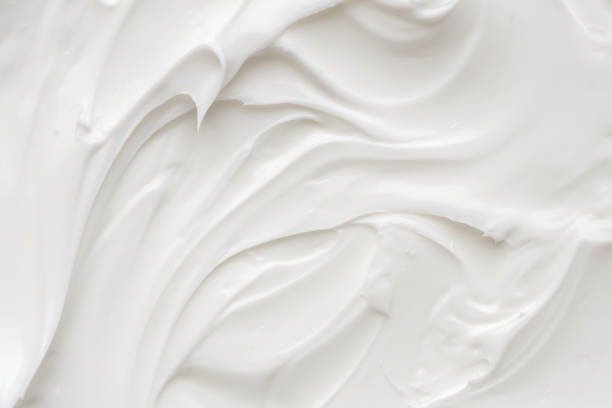
A richer, protective cream-balm feel; typical viscosity around 80,000–180,000 cps.
- Suitable for: dry climates, tight/flaky feel phases, users who like “protective” aftercare
- Key selling points: cushion comfort, longer-lasting film, reduced re-apply frequency
- Packaging/use tips: jar or wide-mouth tube; clear “small amount” usage rules
Which packaging options make sense for tattoo aftercare cream?
Choose packaging that supports hygiene, controlled dosing, and mess-free re-application—while leaving enough label space for simple “thin layer” rules and sensitivity notes.
Factors to align with your brand
- Application method:Tubes for hygiene + portability (studio and travel friendly). Pumps/airless for repeatable dosing and reduced contamination. Jars mainly for balm-cream hybrids where scoop use is expected
- Stability & protection:Barrier to leakage in transit (e-commerce). Pump cut-off cleanliness to avoid cap mess.Material compatibility (no paneling, no stress cracking, no odor absorption)
- Sustainability direction:PCR PE/PCR PET components where feasible. Mono-material direction (tube + cap) to simplify recycling pathways
- Label and artwork space:Clear usage: cleanse → thin layer → reapply as needed. “Fragrance-free” or “low fragrance” policy callout if applicable
- Channel needs:Amazon: leak resistance + hygienic use reduces returns. Tattoo studios: quick dispensing + portability. Retail: premium tactile packaging supports price point.

Squeeze Tube (50–100ml)
Best all-around for hygiene, portability, and clean re-application.
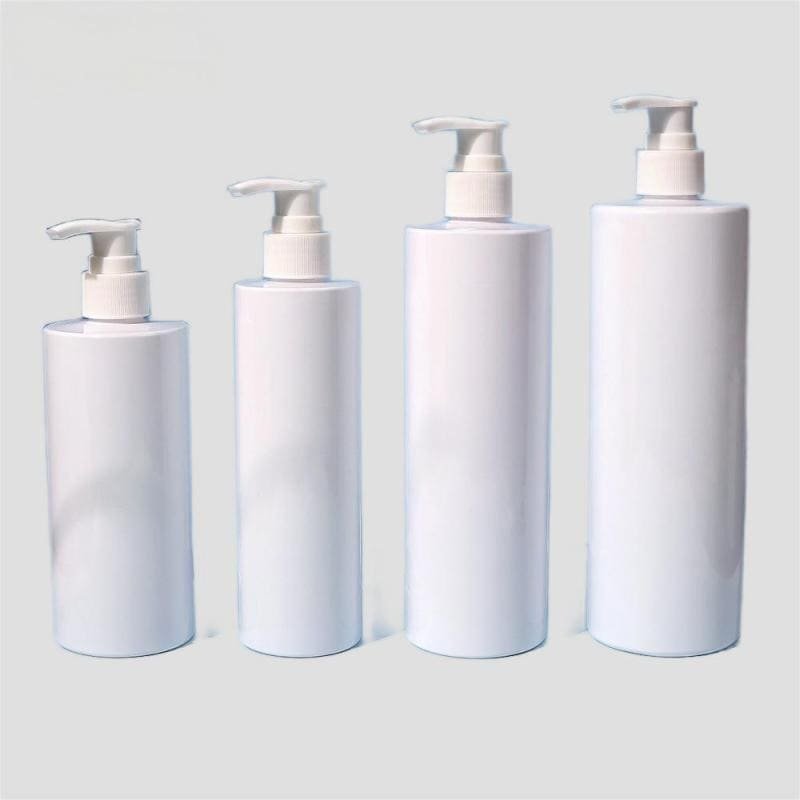
Pump Bottle (50–100ml)
Works for lotion/cream lanes with stable viscosity.

Airless Pump (30–75ml)
Great for controlled dosing and reduced contamination risk.
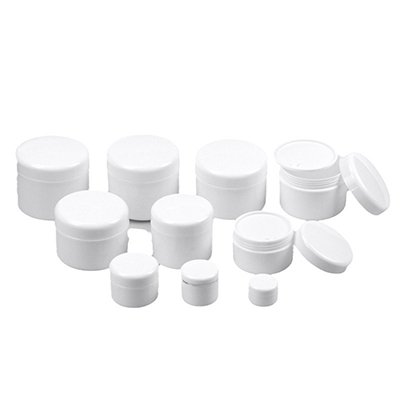
PCR Options
Post-consumer recycled components where feasible.
What do brands most often ask about this tattoo aftercare cream??
Brands usually ask how to prevent stinging and irritation on fresh tattoos, how to choose “cream vs balm vs ointment” lanes without triggering greasy/breakout reviews, and how to write simple usage rules that match real aftercare behavior.
1. What should a tattoo aftercare cream actually do?
- Support comfort and hydration so tattooed skin feels less dry and tight
- Help maintain a breathable moisture barrier without heavy grease
- Stay low-sting and low-irritant to protect early reviews
2. Cream vs balm vs ointment—how should the lane be chosen?
- Cream/gel-cream fits “daily re-apply” routines and broad e-commerce audiences
- Balm/ointment lanes fit users who prefer a more protective film (risk: “too greasy”)
- Clear thin-layer instructions prevent over-application and clogged-feel complaints
3. How can stinging and irritation complaints be reduced?
- Keep fragrance and essential oils conservative; avoid alcohol-heavy systems
- Use comfort supports (panthenol/allantoin direction) and minimize allergen load
- Validate “no-sting” feel with realistic user testing across sensitive segments
4. Is petroleum-based aftercare a problem for tattoos?
- Some routines use occlusive ointments early, but long-term tattooed-skin care often favors gentle lotions
- The safest brand approach is lane clarity plus thin-layer rules (avoid heavy overuse)
- Instructions should align with dermatologist-style guidance for tattooed skin care
5. How should aftercare instructions be written to protect reviews?
- Keep it simple: cleanse gently, pat dry, apply a thin layer, reapply as needed
- Add “less is more” language to reduce greasy buildup and breakouts
- Include a stop-use note if irritation worsens and a “follow artist instructions” line
6. What are typical MOQs, lead times, and cost drivers?
- Typical MOQ: 1,000–3,000 units per SKU, higher for custom airless/pumps or decoration
- Lead time depends on texture iterations, micro/challenge testing, and packaging trials
- Cost drivers: packaging format, preservative/micro plan, and “low-irritant” ingredient choices
How will Zerun Cosmetic support private label tattoo aftercare cream projects?
- Our team will answer your inquiries within 12 hours.
- Your information will be kept strictly confidential.





Zerun supports tattoo aftercare cream brands with comfort-first formula design, irritation-risk control, and channel-ready packaging plans—helping you launch a simple, review-safe aftercare hero customers trust and repurchase.
We start from your reality:
- Your target users (sensitive, oily, dry, studio clients) and climates
- Your lane choice (gel-cream vs comfort cream vs balm-cream hybrid) and channel plan (Amazon, retail, tattoo studios)
- Your fragrance policy, ingredient exclusions, and budget for micro/stability validation
We co-develop formulas, formats and routines:
- Breathable gel-creams, soft comfort creams, and richer balm-cream hybrids built for thin-layer use
- Comfort support stacks engineered to reduce sting and irritation complaints
- Simple usage rules (dose, frequency, hygiene notes) that reduce misuse reviews
We help plan claims, tests and documentation:
- Cosmetic-safe claims focused on comfort, hydration, and barrier support
- Micro/challenge (water-based), stability, and packaging compatibility validation
- On-pack instructions that reduce greasy buildup, stinging complaints, and return risk
If you already have reference products or ideas, share:
- Links/photos of aftercare products you like (finish, spread, residue, scent level, packaging)
- Your “must avoid” issues (sting, grease, breakouts, strong fragrance, mess)
- Your target markets, initial volumes, and desired launch timing
Based on this, we can propose a clear tattoo aftercare cream development roadmap and sampling plan. Use the contact form, email or WhatsApp on this site to start your private label tattoo aftercare cream project with Zerun.