 Skip to content
Private label tattoo balm: how can brands design an effective tattoo aftercare comfort hero product?
A winning tattoo balm gives brands a simple “comfort + protection” aftercare story: helps reduce dryness, tightness, and flaking so fresh ink looks calm and cared-for—without greasy transfer on clothes, clogged-feeling occlusion, or a heavy scent that irritates newly tattooed skin.
Most failures come from treating tattoo balm like a random body butter. The real conversion killers are too-occlusive heaviness (bumps/“suffocating”), fragrance/essential-oil sensitivity, melt instability in hot climates, and jar contamination concerns. The winning approach is a low-irritant occlusive network + glide control (thin layer rules) + packaging that stays clean in studios and at home, with clear “fresh tattoo vs healed tattoo” use guidance.
GMP/ISO • EU/US compliant docs • Samples in 3–7 days • MOQ from 1,000 pcs
What are the key specifications of this custom tattoo balm?
First decide the lane: a fresh-tattoo aftercare balm (thin, breathable-feel, low irritant) vs a healed-tattoo “daily tattoo butter” (shine + softness + color-pop look). That choice drives wax/butter ratios, glide, fragrance policy, and whether stick packaging makes more sense than a jar.


Spec / Parameter Card
| Field | Options / Recommendations |
|---|---|
| Core Formats | Scoopable balm in tin/jar • Firm travel balm stick • Whipped butter-balm (soft) |
| Base System | Butter + oil + wax network (controls glide, occlusion, and melt stability) |
| Occlusion Level | Light-to-medium “breathable-feel” for fresh tattoos; richer lane for healed tattoos (set by target users/climate) |
| Glide & Spread | Must spread in a thin film (avoid over-application that feels heavy/greasy) |
| Sensory Finish | Non-sticky • low-transfer • non-grainy (butter crystallization control) |
| Comfort Supports | Panthenol, bisabolol direction, calendula/centella direction (project-dependent; keep irritation risk low) |
| Fragrance Strategy | Strongly prefer fragrance-free or ultra-low scent (fresh tattoo sensitivity + studio preferences) |
| Claim Focus | Comfort moisturization • supports a softer, smoother feel • helps reduce visible flaking from dryness • helps maintain a healthy-looking tattooed-skin appearance (cosmetic) |
| Skin Type Fit | Normal • dry • sensitive/reactive • active lifestyle friction-prone (by lane + thin-layer rules) |
| Usage Frequency | Fresh tattoos: thin layer as needed; Healed tattoos: daily maintenance (positioning-dependent) |
| Stability & QC | Melt stability (hot climates) • sweating/oil bleed • graininess control • odor stability • packaging compatibility (stick twist, wiper, tin seams) |
| Micro & Hygiene | Anhydrous systems lower risk, but hygiene-by-design matters (stick > jar for studios; include usage rules) |
| Docs | COA, SDS, stability data, packaging compatibility notes; claim boundary guidance by market |
| Sampling & Lead Time | Most iterations come from: glide vs transfer, melt point, and fragrance/irritation feedback |
| Typical MOQ | 1,000–3,000 pcs/SKU for validated bases; higher for custom sticks, custom tins, or premium decoration |
More Private Label Products
Private Label Sports Muscle Relief →
How to Launch Sports Muscle Relief Products →
Private Label Skincare Solutions→
Private Label Clinic Care Solutions→
Private Label Pet Care Solutions→
Private Label Tan Care Solutions→
Private Label Intimate Care Solutions→
Private Label Tattoo Care Solutions→
Private Label Facial Care Solutions→
Private Label Body Care Solutions→
Private Label Beard Care Solutions→
Private Label Hair Care Solutions →
Which customers and channels is this tattoo balm for?
Tattoo balms sell best when they make aftercare feel effortless: clean application, thin-layer glide, and predictable comfort. Dermatologists commonly recommend keeping tattooed skin moisturized when it feels dry and protecting tattoos from sun exposure once appropriate.
Tattoo balms win when they spread in a thin film, stay stable in heat, and avoid fragrance irritation. This tab shows how texture, occlusion level, and comfort supports change by skin sensitivity, dryness, and lifestyle friction.
Fresh Tattoo Aftercare
- Texture: Soft scoopable balm or firm stick with quick melt
- Core stack: Low-irritant occlusive base + panthenol/bisabolol direction
- Notes: Thin-layer rules prevent “too greasy” complaints
- Micro-CTA: Create a Fresh Tattoo Aftercare Balm
Dry / Flaky Tattooed Skin
- Texture: Cushion balm-butter with reduced wax drag
- Core stack: Barrier-feel oils + comfort supports + low-scent policy
- Notes: Must reduce tightness without heavy residue
- Micro-CTA: Build a Comfort Balm for Dry Tattooed Skin
Sensitive / Reactive
- Texture: Minimalist balm, low potential irritants
- Core stack: Simple base + conservative soothing direction
- Notes: Studio-friendly, fewer triggers, easier compliance language
- Micro-CTA: Design a Fragrance-Free Tattoo Balm
Active Lifestyle / Friction-Prone Areas
- Texture: Firmer balm (higher structure) to reduce smear/transfer
- Core stack: Wax network tuned for slip + staying power
- Notes: “Doesn’t rub off on shirts” is the hero promise
- Micro-CTA: Develop a Non-Transfer Tattoo Balm
Healed Tattoos
- Texture: Whipped butter-balm or balm-to-oil melt
- Core stack: Skin-softening oils + antioxidant direction (optional)
- Notes: Position as daily maintenance + glow look
- Micro-CTA: Launch a Daily Tattoo Butter Balm
Age changes the routine goal: first-tattoo buyers want simple, safe comfort; 20s–30s need travel-friendly application; 40s+ prefer richer softness; 60+ wants easy, clean dosing with minimal irritation risk.
Teens & Early 20s – First Tattoo Aftercare Basics
- Texture: Simple, fragrance-free leaning balm
- Core stack: Minimalist occlusive base + comfort direction
- Notes: Clear “thin layer” instructions reduce misuse
20s–30s – Gym / Travel / Studio-Friendly Aftercare
- Texture: Firm balm stick or clean tin balm
- Core stack: Non-transfer glide system + low scent
- Notes: Convenience + clean application drives repeat purchase
30s–40s – Sensitive Routines + Multi-Product Stacking
- Texture: Low-irritant, non-sticky balm
- Core stack: Comfort supports + conservative botanical direction
- Notes: Avoid fragrance and “hot” essential oils
40s–50s – Dryness + Texture Comfort
- Texture: Cushion butter-balm with soft after-feel
- Core stack: Barrier-feel oils + optional antioxidants
- Notes: Richness is fine if it doesn’t transfer
60s+ – Ease of Use + Clean Dosing
- Texture: Twist-up stick (easy application) or soft balm with wide-mouth jar
- Core stack: Simple comfort base, minimal irritants
- Notes: “Easy, clean, no mess” positioning converts
What can top-selling tattoo balms teach your formula design?
Top sellers prove buyers want one thing: comfort without complications—no heavy grease, no strong scent, and no “it melted in my bag” disappointment. They also show that studio-friendly packaging (clean dosing) and thin-layer guidance matter as much as the ingredient story. Dermatology guidance also emphasizes moisturizing tattooed skin when dry and protecting tattoos from sun exposure for long-term appearance.
| Brand / Product | Core Actives (typical) | Format / Texture | Strengths | Gaps / Considerations |
|---|---|---|---|---|
| Hustle Butter Deluxe Tattoo Aftercare Balm | Butter/oil base (vegan “butter” lane) | Soft butter-balm | Strong “petroleum-free tattoo butter” identity; studio popularity | Heat stability + transfer control are key in this lane |
| Mad Rabbit Tattoo Balm | “Clean ingredients” positioning | Balm / balm-style aftercare | Strong DTC branding; daily maintenance angle | Must avoid fragrance irritation perception; keep finish non-greasy |
| Tattoo Goo Original Aftercare Salve/Balm | Natural oils + salve base | Tin salve | Legacy aftercare recognition; travel tin format | Ingredient stories sometimes overreach; keep claims cosmetic-safe |
| Sorry Mom Tattoo Balm | Aftercare balm positioning | Balm in tube/tin (market-dependent) | Studio-forward brand; “calm itch/red look” messaging | Sensitivity risk if scented; keep fragrance policy strict |
| Viking Revolution Tattoo Care Balm | Natural aftercare balm | Balm (2oz) | Value + Amazon traction; “before/during/after” positioning | Needs clear usage rules to prevent over-application |
| INK-EEZE Tattoo Balm / Ointment line | Ointment/balm aftercare | Ointment/balm | Artist ecosystem; strong familiarity | Essential oils/fragrance variants can be polarizing—offer low-scent options |
| Aquaphor Healing Ointment (commonly used for aftercare) | Petrolatum-based ointment | Ointment | Mass familiarity; strong barrier feel | Some routines prefer lighter, non-scented options; positioning must be careful |
| Dr. Bronner’s Unscented Organic Magic Balm | Beeswax/hemp oil balm base | Firm balm | Clean, unscented multi-use credibility | Not tattoo-specific—brands must create clear tattoo use guidance |
Custom Funtion Formula for your brand? You can review skincare function formulation pages:
Custom Moisturizing Formulations → Custom Barrier Repair Formulations →Custom Anti-inflammatory Formulations →Custom Sensitive Skin Care Formulations →
Tattoo Balm Finish Products you may want to reference:


Make A Sample First?
If you have your own formula, packaging idea, logo artwork, or even just a concept, please share the details of your project requirements, including preferred product type, ingredients, scent, and customization needs. We’re excited to help you bring your personal care product ideas to life through our sample development process.
How should you design the formula and active stack for tattoo balm?
Treat tattoo balm as a hygiene-aware, irritation-minimized occlusive system—not a “more oils = better” project. The best outcomes come from controlling film thickness, glide, and heat stability, while keeping fragrance and potential irritants tightly managed.
Step 1 – Define the job and usage lane
- Fresh tattoo aftercare comfort vs healed tattoo daily maintenance shine
- Decide packaging lane: stick (clean dosing) vs jar/tin (rich sensory)
- Set the experience target: thin-layer spread, low transfer, low scent, stable in heat
Step 2 – Choose the occlusive network and comfort strategy
- Build a butter/oil/wax structure that forms a light protective film without feeling suffocating
- Select comfort supports (panthenol / bisabolol / centella direction) based on sensitivity risk
- Keep fragrance policy strict: fragrance-free or ultra-low scent as the default
Step 3 – Balance comfort with “review-proof” sensory
- Prevent graininess (butter crystallization) and oil bleed (sweating)
- Control slip vs drag: too waxy feels tuggy; too oily transfers to clothing
- Build a clear “thin layer, reapply as needed” user rule into label/story
Step 4 – Validate stability, compatibility, and real-world use
- Heat testing (hot car, shipping), melt point consistency, odor stability
- Packaging compatibility: tin seams, jar liner, stick twist mechanism, cap torque
- Consumer-simulation: transfer to fabric, feel under clothing, and ease of clean application

| Active (Use Range) | Key Features | Suitable Uses / Skin Types | Recommended Combinations | Suggested Packaging |
|---|---|---|---|---|
| Panthenol (0.2–2%) | Comfort support; helps reduce dryness-feel complaints | Fresh tattoo comfort lanes; sensitive routines | With minimalist balm base | Stick, tin, or jar |
| Bisabolol direction (0.05–0.5%) | Calms the look of irritation from dryness (cosmetic) | Sensitive / reactive lanes | With panthenol + simple base | Stick preferred |
| Centella / calendula direction (0.1–1%, type-dependent) | Soothing positioning (keep conservative) | Comfort-first lanes | With barrier-feel oils | Stick or jar |
| Vitamin E (0.2–1%) | Antioxidant support; oil phase protection | Healed tattoo maintenance lane | With plant oils/butters | Tin/jar/stick |
| Barrier-feel oils (system-dependent) | Slip + softness; controls transfer when balanced | Dry/rough tattooed skin | With wax network control | Tin/jar |
| Wax structuring system (system-dependent) | Controls melt stability + film thickness | Hot climates; travel | With balanced oils/butters | Stick or tin |
| Fragrance-free strategy (policy) | Reduces irritation risk perception | All lanes | Minimalist formula direction | Studio-friendly packs |
Which textures work best for tattoo balm?
The best tattoo balm textures form a thin, protective, non-sticky film that reduces dryness and friction—without heavy grease, wax drag, graininess, or melting in warm climates.
Considerations by market and user
- Climate:Hot / humid: firmer balms or sticks with higher structure to resist melting and reduce smear. Cold / dry: softer scoopable balms with more cushion and comfort slip
- Skin type & routine:Sensitive/reactive: minimalist, fragrance-free leaning, low potential irritants. Dry/rough: cushion balm with reduced wax drag and longer-lasting softness. Active lifestyle: non-transfer finish under clothing, thin-layer guidance
- Channel:Amazon / e-commerce: “melted in transit” and “too greasy” drive returns—heat stability and transfer testing are non-negotiable. Tattoo studios: clean dosing + low scent is the sales trigger. Retail/gifting: premium sensory and packaging aesthetics must still stay irritation-safe.
Firm travel balm stick (studio-clean lane)

A firm, twist-up balm designed for clean dosing; typical viscosity around 250,000–900,000 cps
- Suitable for: studios, travel, hot climates, active users
- Key selling points: hygienic application, less mess, better melt control
- Packaging/use tips: twist-up stick; add “apply thin layer” instruction
Soft scoopable butter-balm (comfort cushion lane)

A soft balm that melts on contact; typical viscosity around 120,000–450,000 cps
- Suitable for: dry skin, larger tattoos, cold/dry climates
- Key selling points: cushion feel, easy spread, reduces tightness-feel
- Packaging/use tips: tin or jar; include clean-hand rule and small-scoop guidance
Balm-to-oil melt (daily maintenance glow lane)

A balm that liquefies quickly into a light oil film; typical viscosity around 60,000–250,000 cps
- Suitable for: healed tattoos, “shine/softness” users, gifting/DTC
- Key selling points: instant glow look, smooth glide, premium sensory
- Packaging/use tips: tin/jar or wide-stick; define how little is needed to prevent greasiness
Which packaging options make sense for tattoo balm?
Choose packaging that keeps application clean, prevents melt/bleed issues in transit, and fits how customers actually use tattoo aftercare (studio, travel, gym, home).
Factors to align with your brand
- Application method:Stick formats for clean, hygienic dosing (studio-friendly). Tins/jars for rich sensory and easy access for larger pieces
- Stability & protection:Heat stability: cap seal, liner choice, and component tolerances matter. No oil seepage: control inner seals and material compatibility
- Sustainability direction:Aluminum tins (widely recyclable where systems exist). PCR PP/PET jars where feasible. Paperboard push-up tubes for certain balm structures (needs stability validation)
- Label and artwork space:Clear “thin layer” rule and reapply guidance. Fragrance-free callouts and sensitivity notes (cosmetic-safe wording)
- Channel needs:Amazon: leak resistance + heat-tested pack-out reduces returns. Studio: clean use, professional look, easy upsell at checkout. Retail/gifting: premium decoration without compromising closure integrity

Twist-Up Balm Stick (15–30g)
Best for hygienic dosing and travel.

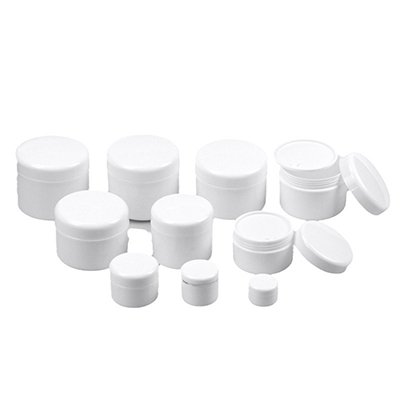
Aluminum Tin (15–60g)
Classic studio format; strong gifting appeal.
PCR Options
Post-consumer recycled components where feasible.
What do brands most often ask about this tattoo balm?
Brands usually ask how to avoid greasy transfer while still feeling protective, how to keep the balm stable in hot shipping conditions, whether fragrance-free is necessary for reviews, and which packaging is most studio-friendly.
1. What should a tattoo balm do (without crossing medical claims)?
- Provide comfort moisturization and a softer, smoother feel for tattooed skin
- Help reduce visible flaking from dryness when used consistently
- Stay cosmetic-safe by avoiding “healing/cure/prevent infection” language
2. Why do some tattoo balms feel “too greasy” or cause transfer?
- Oil-to-wax balance is too loose, so film thickness becomes heavy
- Users over-apply when spread isn’t controlled (no thin-layer guidance)
- The finish isn’t tuned for clothing friction and warm climates
3. How can melt issues in shipping and hot climates be prevented?
- Use a firmer structure (stick or higher melt stability balm) for hot markets
- Validate heat stability with real pack-out scenarios (summer transit simulation)
- Choose closures/liners that prevent oil bleed and leakage
4. Is fragrance-free really necessary for tattoo aftercare balms?
- Fresh tattoos often have higher sensitivity, so low-scent reduces complaint risk
- “Smells strong” is a common negative review trigger in aftercare categories
- Fragrance-free simplifies studio recommendations and repeat purchase
5. Which is better: stick or tin/jar for tattoo balm?
- Stick: cleaner dosing, travel-friendly, studio checkout upsell
- Tin/jar: richer sensory, easier for larger pieces, more “butter” feel
- The best choice depends on climate, hygiene expectations, and positioning
6. What are typical MOQs, lead times, and cost drivers?
- Typical MOQ: 1,000–3,000 units per SKU, higher for custom sticks/tins/decoration
- Lead time depends on texture iterations and heat-stability validation
- Cost drivers: packaging format, decoration, and stability/compatibility testing
How will Zerun Cosmetic support private label tattoo balm projects?
- Our team will answer your inquiries within 12 hours.
- Your information will be kept strictly confidential.





Zerun supports tattoo balm brands with stability-tested balm structuring, low-irritant sensory design, and channel-ready packaging planning—helping you launch an aftercare hero that earns trust and repeat purchase.
We start from your reality:
- Your target users (fresh tattoo aftercare, sensitive skin, daily tattoo maintenance) and climates
- Your channel plan (tattoo studios, Amazon, DTC, retail gifting) and price target
- Your packaging preference, fragrance policy, and stability requirements for shipping
We co-develop formulas, formats and routines:
- Firm sticks, soft scoopable balms, and balm-to-oil textures tuned for thin-layer comfort
- Low-transfer glide systems that feel protective without greasy heaviness
- Simple usage rules (thin layer, clean hands, reapply logic) that reduce misuse reviews
We help plan claims, tests and documentation:
- Cosmetic-safe claims focused on comfort moisturization and healthy-looking tattooed skin
- Heat stability, odor stability, graininess control, and packaging compatibility validation
- On-pack guidance that prevents “too much product” complaints and improves satisfaction
If you already have reference products or ideas, share:
- Links/photos of balms you like (glide, finish, scent level, packaging)
- Your “must avoid” issues (greasy transfer, melting, irritation, graininess)
- Your target markets, initial volumes, and desired launch timing
Based on this, we can propose a clear tattoo balm development roadmap and sampling plan. Use the contact form, email or WhatsApp on this site to start your private label tattoo balm project with Zerun.

