Skip to content
Private label tea tree oil shampoo: how can brands design a clean, itch-comfort scalp shampoo that controls oil and flakes without dryness or irritation?
A successful tea tree oil shampoo helps the scalp feel cleaner and calmer, reduces itchy discomfort and the look of flakes over time, and leaves hair fresh and light—without harsh stripping, strong medicinal odour, or tingling that becomes burning for sensitive scalps.
Many brands overload tea tree oil and end up with stinging, dryness and complaint-heavy reviews, or they push “treat dandruff” drug-style promises without the right regulatory pathway. The winning approach is a controlled tea tree system + scalp-comfort actives + a balanced cleanse/condition finish, with clear usage guidance and claim boundaries.
What are the key specifications of this custom tea tree oil shampoo?
You need to define your scalp problem lane (oily scalp, itchy/flaky scalp, post-workout scalp reset), your tea tree intensity and fragrance direction, your claim boundaries, and your usage frequency before we start development.


Spec / Parameter Card
| Field | Options / Recommendations |
|---|---|
| Core Formats | Tea tree shampoo • Scalp clarifying tea tree shampoo • Tea tree + mint shampoo • Tea tree anti-itch shampoo • Scalp-care gel shampoo |
| Tea Tree System | Melaleuca alternifolia (tea tree) oil in controlled safe range; allergen-managed fragrance strategy |
| Supporting Actives | Panthenol, niacinamide, zinc PCA, soothing botanicals, mild exfoliation acids (market-dependent), humectants |
| Cleanse Style | Deep-clean but balanced • “gentle daily” scalp shampoo • weekly reset variant (stronger) |
| Claim Focus | Scalp refresh • Itch comfort • Oil control • Reduces visible flake look • Helps scalp feel clean (cosmetic) |
| pH Window | Typically 4.5–5.5 |
| Fragrance Strategy | Tea-tree-forward herbal • fresh mint-herbal • toned-down clean scent • low-allergen / fragrance-minimized |
| Hair Type Fit | Fine/oily • normal • colour-treated (gentler) • curly/coily (anti-dry) • sensitive scalp (low tea tree) |
| Sensitivity Controls | Tea tree level + cooling level + surfactant harshness tuned to avoid burn/sting complaints |
| Stability & QC | Viscosity stability, fragrance stability, micro/challenge, foam/rinse feel, EO solubilization checks |
| Docs | COA, SDS, stability & micro data; claim boundary and label instruction support |
| Sampling & Lead Time | Existing bases: fast sampling; scent/tingle and EO compatibility may need more rounds |
| Typical MOQ | 1,000–3,000 pcs/SKU for validated bases; higher for custom packaging |
More Related
Custom Anti Hair Loss Formulations →
Private Label Cosmetic Manufacturer→
Private Label Deodorant Spray→
Custom Deodorant Formulations→
Private Label Whitening Cream→
Private Label Hair Growth Serum→
Private Label Lightweight Conditioner→
Top 12 Most Expensive Hair Oil In The World: Value Ingredinets Guide→
18 Best Hair Oil Brands: Quality, Ingredients & Value Guide→
Most Expensive Hair Serum: OEM Formulations Guide→
Most Expensive Hair Care Products: OEM Cost Guide→
Most Expensive Hair Gel: Price Guide→
Most Expensive Hair Treatment: Product Function & Value Guide→
Which customers and channels is this tea tree oil shampoo for?
Tea tree oil shampoo primarily targets users who want a cleaner-feeling scalp, less itch discomfort, and reduced visible flakes—especially oily scalps and active lifestyles—without “medicated” positioning.
Tea tree shampoos must be tuned by scalp sensitivity and oil level—stronger builds work for oily, build-up prone scalps, but sensitive or dry scalps need lower tea tree, gentler surfactants and more comfort actives. This tab shows how we adjust tea tree intensity, cleansing power and conditioning balance so each SKU feels refreshing, not harsh.
Oily Scalp & Fine Hair
- Texture: Clear gel tea tree shampoo, fast rinse.
- Core stack: Tea tree + zinc PCA/niacinamide + lightweight conditioning.
- Notes: Focus on sebum control feel and volume-safe finish.
- Micro-CTA: Design an Oil-Control Tea Tree Shampoo
Normal Scalp & Hair
- Texture: Gel or lightly pearled shampoo.
- Core stack: Tea tree at moderate level + panthenol + balanced cleanse.
- Notes: “Everyday clean scalp” positioning without harshness.
- Micro-CTA: Create an Everyday Tea Tree Shampoo
Itchy or Flaky Scalp (Cosmetic Positioning)
- Texture: Comfort gel-cream shampoo.
- Core stack: Tea tree (controlled) + soothing supports + hydration balance.
- Notes: Emphasise itch comfort and reduced visible flakes over time.
- Micro-CTA: Build an Itch-Comfort Tea Tree Shampoo
Sensitive / Reactive Scalp
- Texture: Gentle, low tea tree gel-cream.
- Core stack: Low tea tree + panthenol/allantoin + humectants.
- Notes: Fragrance-minimized; avoid strong mint “burn” feel.
- Micro-CTA: Develop a Sensitive-Scalp Tea Tree Shampoo
Curly / Coily & Dry Lengths
- Texture: Cushion gel-cream with slip.
- Core stack: Tea tree + moisture support + detangling feel.
- Notes: Detox without roughness; reduce tangling complaints.
- Micro-CTA: Launch a Curl-Friendly Tea Tree Shampoo
Tea tree shampoo routines vary by age and lifestyle—teens need oil control and fresh scalp feel, 20s–30s often deal with styling build-up and gym sweat, and older users want itch comfort without dryness. We tune tea tree intensity, surfactant strength and scent profile so each routine gets a realistic frequency that prevents overuse and irritation complaints.
Teens & Early 20s – Oily Roots + Build-Up
- Texture: Clear gel shampoo.
- Core stack: Tea tree + oil-control supports.
- Notes: Fresh scalp feel and lighter roots.
20s–30s – Gym Sweat + Styling Products
- Texture: Detox gel with strong rinse.
- Core stack: Tea tree + balancing supports + light conditioning.
- Notes: “Reset between washes” positioning.
30s–40s – Busy, Stressed Scalps
- Texture: Balanced gel-cream.
- Core stack: Tea tree + comfort actives + scalp-refresh story.
- Notes: Comfort + freshness, not harsh “strip.”
40s–50s – Dryness + Sensitivity Risk
- Texture: Gentle gel-cream, lower tea tree.
- Core stack: Panthenol + soothing supports.
- Notes: “Calm scalp” and reduced tightness feel.
Post-Workout / Men’s Grooming – Fast Clean Feel
- Texture: Fast-rinse gel.
- Core stack: Tea tree + fresh herbal scent, controlled intensity.
- Notes: Barbershop/men’s cues without medicinal smell.
What can top-selling tea tree oil shampoos teach your formula design?
Top tea tree shampoos succeed when they deliver a noticeable clean scalp sensation and a recognisable herbal freshness, but they avoid harsh stripping and make the finish feel soft enough for repeat use. The biggest complaint patterns usually come from formulas that are too strong for daily use or too intense for sensitive scalps.
| Brand / Product | Core Actives (typical) | Format / Texture | Strengths | Gaps / Considerations |
|---|---|---|---|---|
| Paul Mitchell Tea Tree Special Shampoo | Tea tree oil, peppermint, lavender (varies) | Clear gel shampoo | Iconic tea tree + mint freshness; salon heritage | Can feel strong/tingly for sensitive scalps |
| OGX Tea Tree Mint Shampoo archetype | Tea tree + mint story | Shampoo | Mass-market familiarity; strong scent appeal | Needs better comfort balance for frequent use |
| Maple Holistics Tea Tree Shampoo archetype | Tea tree + botanicals | Shampoo | Natural-focused narrative | Must control EO levels to reduce irritation risk |
| Renpure Tea Tree Lemon Sage style | Tea tree + herbal blend | Shampoo | Fresh herbal direction | Fragrance intensity and sensitivity management |
| Briogeo Scalp Revival tea tree lane (if present) | Scalp-care botanicals | Shampoo | Premium scalp positioning | Often higher price; needs clear differentiation |
Custom Funtion Formula for your brand? You can review hair function formulation pages:
Custom Dandruff Formulations→, Custom Refreshing Formulations→,Custom Scalp Care Formulations→,
Tea Tree Oil Shampoo Finish Products you may want to reference:


Make A Sample First?
If you have your own formula, packaging idea, logo artwork, or even just a concept, please share the details of your project requirements, including preferred product type, ingredients, scent, and customization needs. We’re excited to help you bring your personal care product ideas to life through our sample development process.
How should you design the formula and active stack for tea tree oil shampoo?
Start with a scalp goal and tea tree intensity ladder, then build the cleansing system around comfort—because tea tree is powerful in perception and can become irritating if overdone.
Step 1 – Define your scalp promise and claim boundaries
- Oily scalp refresh vs itch comfort vs visible flake reduction (cosmetic)
- Decide daily gentle vs weekly reset strength
- Avoid drug-style dandruff treatment claims unless you follow that pathway
Step 2 – Choose your tea tree system and fragrance direction
- Tea tree oil in a controlled safe range, properly solubilized
- Decide scent: tea-tree-forward herbal, tea tree + mint freshness, or toned-down clean
- Build low-allergen/fragrance-minimized versions for sensitive segments
Step 3 – Balance cleanse power with comfort and finish
- Oil-control supports for oily scalps (without squeaky dryness)
- Humectants + panthenol/soothing supports to reduce tightness and itch feel
- Lightweight conditioning to reduce tangling and rough finish complaints
Step 4 – Validate stability, micro, and irritation-risk controls
- EO solubilization and fragrance stability across temperatures
- Micro/challenge testing and viscosity stability
- Sensory panels for “tingle vs burn” threshold control and rinse feel

| Active (Use Range) | Key Features | Suitable Uses / Hair Types | Recommended Combinations | Suggested Packaging |
|---|---|---|---|---|
| Tea Tree Oil (controlled) | Fresh herbal scalp-clean story | Oily, itchy, active users | With panthenol + gentle cleanse | Bottles |
| Zinc PCA | Oil-control and scalp balance narrative | Oily scalp | With tea tree + niacinamide | Bottles |
| Niacinamide | Scalp barrier support story | Stressed scalp | With tea tree + humectants | Bottles |
| Panthenol | Comfort + less tight feel | Dry/sensitive | With gentle surfactants | Any |
| Allantoin / Bisabolol | Calming support | Sensitive/itchy scalps | With low tea tree level | Any |
| Mild acids (rinse-off, market-dependent) | “Reset” and build-up management | Oily/build-up routines | With soothing supports | Bottles |
| Humectants | Reduce dryness and tightness | Dry climates | With panthenol | Any |
| Lightweight conditioning agents | Softer finish post-cleanse | Long hair/curls | With tea tree system | Bottles |
Which textures work best for tea tree oil shampoo?
The best tea tree oil shampoo textures feel clean and fast-rinsing with a controlled “freshness” sensation, while leaving enough slip that hair doesn’t feel rough or squeaky—especially for users who want frequent scalp reset without irritation.
Considerations by market and user
- Climate: Hot / humid: clear gels that rinse quickly and reduce greasy rebound. Cold / dry: slightly cushioned gel-creams to prevent tight scalp feel.
- Hair type & styling: Fine/oily: clear gels with lightweight finish and strong rinse-clean feel. Curly/coily: gel-creams with more slip and anti-dry balance. Sensitive scalp: gentler textures with lower tea tree intensity and minimal fragrance.
- Channel: Amazon / e-commerce: “fresh scalp,” “itch comfort,” “non-drying” claims with clear usage frequency cues. Salon / barber: professional gel textures, strong foam and rinse performance Retail: clear “strength level” ladder (gentle daily vs weekly reset).
Clear fresh scalp gel shampoo
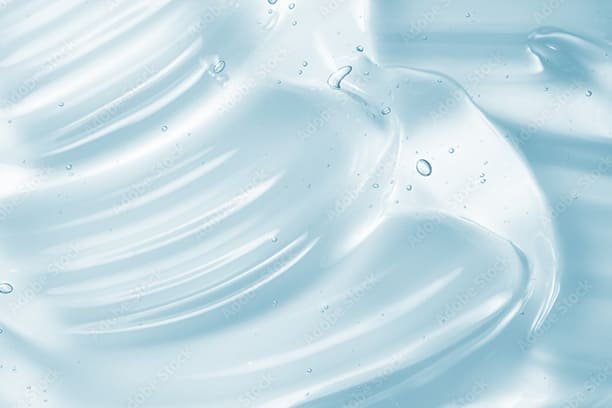
A transparent, fast-rinsing gel; typical viscosity around 3,000–8,000 cps.
- Best for oily scalps, gym routines, and strong “clean scalp” sensation seekers
- Delivers a noticeable herbal freshness with minimal residue
- Works well in flip-top bottles or pumps for quick in-shower dosing
Balanced pearlised tea tree shampoo

A slightly richer, pearlised gel; typical viscosity around 5,000–12,000 cps.
- Best for mainstream daily users who want tea tree benefits without harshness
- More “salon-like” feel with better combability after rinse
- Ideal for 250–500ml bottles and family-size packs
Gentle tea tree gel-cream for sensitive scalps
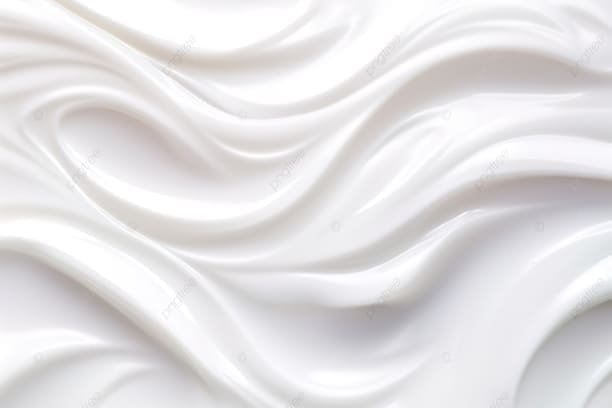
A cushioned gel-cream with more slip; typical viscosity around 10,000–25,000 cps.
- Best for sensitive/itchy scalps and dry climates where strong gels feel too stripping
- Reduces tightness and “burn” complaints by lowering sting triggers
- Performs well in squeeze bottles or tubes for controlled dispense
Which packaging options make sense for tea tree oil shampoo?
Choose packaging that supports wet-hand control, communicates strength level clearly, and is leak-safe for e-commerce—while leaving room for usage guidance that prevents overuse.
Factors to align with your brand
- Application and dosing: Flip-top bottles for quick shower use. Pumps for family sizes, salons, and back-bar convenience. Travel sizes for gym bags and trial conversion.
- Brand image: Clear bottle to highlight gel clarity (if stable to display). Matte/clinical packaging for sensitive scalp lanes. Colour-coded variants: gentle daily vs strong reset.
- Sustainability direction: PCR PET bottles and PCR caps where feasible. Refill pouches for repeat purchase.
- Label and artwork space: “Gentle daily” vs “weekly reset” frequency guidance. Icons for “oil control,” “itch comfort,” “fresh herbal”. Caution cues for very sensitive scalps (patch guidance if needed).
- Channel needs: Amazon: seals and leak tests. Salon: 500ml–1L pumps and back-bar ergonomics. Retail: quick strength-level scanning.

Flip-Top Bottle (250–400ml)
Best mainstream format for tea tree shampoos.
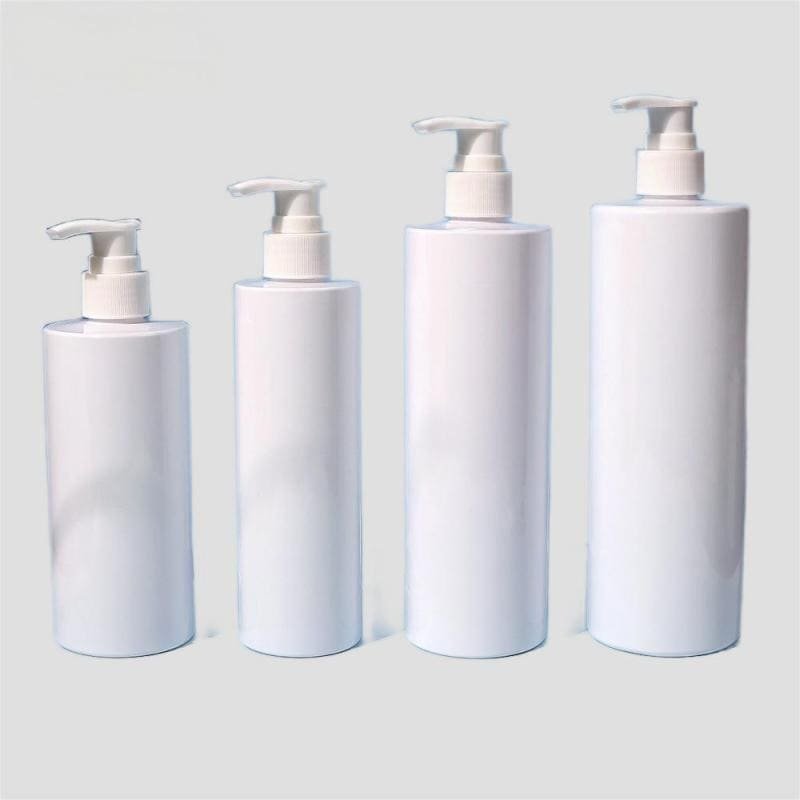
Pump Bottle (300–500ml)
Great for repeat users, families, and premium positioning.

PCR Options
Post-consumer recycled components where feasible.
What do brands most often ask about this tea tree oil shampoo?
Brands usually ask how strong the tea tree scent and sensation should be, how to reduce itch and visible flakes without crossing into drug claims, how to avoid dryness and irritation, and what frequency guidance prevents negative reviews.
1. How strong should tea tree oil be in shampoo without causing irritation?
- We tune tea tree level and solubilization so it feels fresh, not burning
- Sensitive-scalp SKUs use lower tea tree and gentler fragrance
- The cleansing system and mint/cooling choices affect perceived harshness
2. Can we claim it “treats dandruff” or “antifungal”?
- Those claims can trigger drug/medical positioning depending on market
- Many brands position around itch comfort and reduced visible flakes (cosmetic)
- We align claim language with your target markets and risk appetite
3. How do we reduce itch and flake complaints without making hair dry?
- We combine controlled tea tree with soothing supports and hydration balance
- Gel-cream options add slip and reduce “squeaky” feel
- We also guide routine pairing (conditioner/mask) for better reviews
4. Should we make a daily tea tree shampoo or a weekly reset version?
- Daily versions use gentler surfactants and lower tea tree intensity
- Weekly reset versions can be stronger for build-up removal
- A 2-SKU ladder often improves conversion and reduces misuse
5. How do we avoid the “medicinal” smell while keeping tea tree identity?
- We can soften the profile with herbal-citrus or clean-fresh directions
- Low-allergen fragrance options reduce complaint risk
- Scent intensity can be tuned by channel (retail vs salon vs Amazon)
6. What are typical MOQs, lead times and cost drivers?
- MOQs usually start around 1,000–3,000 units per SKU, higher for custom packaging
- Lead time depends on fragrance development, EO compatibility, and packaging supply
- Cost drivers: tea tree quality, supporting actives, pumps/large formats, and testing
How will Zerun Cosmetic support private label tea tree oil shampoo projects?
- Our team will answer your inquiries within 12 hours.
- Your information will be kept strictly confidential.





Zerun supports scalp-care and “fresh clean” hair brands with controlled tea tree systems, scalp-comfort active stacks, texture engineering, packaging options and regulation-aware claim language—helping you build a tea tree shampoo that feels effective, smells right, and earns repeat purchase.
We start from your reality:
- Your target users (oily scalp, itchy scalp, gym routines, sensitive scalp) and climates.
- Your tea tree intensity level and fragrance direction (tea tree-forward vs softened clean).
- Your markets, claim boundaries, and channel plan (Amazon, salon, retail).
We co-develop formulas, formats and routines:
- Daily gentle tea tree shampoos, stronger weekly reset versions, and sensitive gel-cream variants.
- Active stacks combining tea tree with panthenol/niacinamide/zinc PCA and soothing supports.
- Matching range planning: scalp scrub, clarifying shampoo, conditioner, and scalp tonic.
We help plan claims, tests and documentation:
- Scalp refresh, itch comfort, oil control and visible flake reduction claims crafted for your markets.
- Stability, micro/challenge, viscosity and EO compatibility support for export readiness.
- Support with INCI layout, label instructions and frequency guidance to reduce misuse.
We think in routines, not single SKUs:
- A launch ladder: gentle daily tea tree shampoo + weekly reset + sensitive scalp version.
- Size ladders (travel, retail, salon back-bar) to increase AOV and repurchase.
- Portfolio architecture optimised for SEO, AI recommendations and bundle strategies.
If you already have reference products or ideas, share:
- Links or photos of tea tree shampoos you like (scent, texture, packaging, claims).
- Your target consumers, hero benefits and destination markets.
- Your initial volume expectations and desired launch timing.
Based on this, we can propose a clear tea tree oil shampoo development roadmap and sampling plan. Use the contact form, email or WhatsApp on this site to start your private label tea tree oil shampoo project with Zerun.