Skip to content
Private label urea cream: how can brands design an effective roughness-smoothing and barrier-repair hero moisturizer?
A successful urea cream makes rough, dry, bumpy-looking skin feel softer fast, while still staying comfortable enough for daily use. Because urea can act as both a water-binder and a “softening” exfoliation support, the real win is building the right strength lane with a stable, non-sticky cream base.
Many brands fail by pushing urea too high without preventing crystallization, creating a greasy occlusive feel that buyers hate, or pairing “strong smoothing” with fragrance/surfactants that trigger stinging on compromised skin. The winning approach is a stable urea system + a cushiony barrier emulsion + a clear use-frequency lane, especially for hands/feet and roughness-prone body zones.
GMP/ISO • EU/US compliant docs • Samples in 3–7 days • MOQ from 1,000 pcs
What are the key specifications of this custom urea cream?
First define the lane (daily 5–10% comfort, 10–20% smoothing, or 20–40% intensive foot/callus style), then lock texture, after-feel, and packaging before development starts.


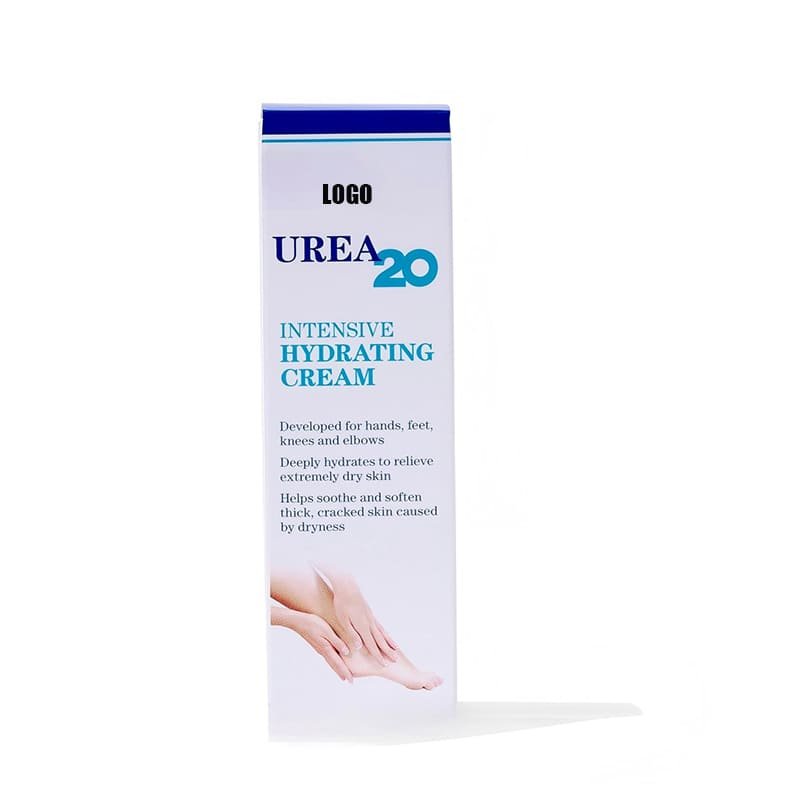
Spec / Parameter Card
| Field | Options / Recommendations |
|---|---|
| Core Formats | Body cream • Hand cream • Foot cream/heel balm • Rich lotion • Gel-cream (fast-absorbing) |
| Urea System | 5–10% daily hydration/comfort lane • 10–20% roughness smoothing lane • 20–40% intensive foot/callus-style lane (positioning-dependent) |
| Supporting Actives | Glycerin/betaine • panthenol • allantoin • ceramide-like lipids • cholesterol/fatty alcohols • barrier oils/butters • optional mild exfoliation partners (project-dependent) |
| Base Structure | Cushion O/W emulsion; controlled occlusion (non-greasy); low tack; fast rub-in |
| Claim Focus | Softens rough-feeling skin • smoother-looking texture • long-lasting hydration • helps reduce dry flaky appearance (cosmetic) |
| pH Window | System-dependent; tuned for urea stability + skin comfort |
| Fragrance Strategy | Fragrance-free or very low allergen risk recommended for “repair” positioning; light scent optional for lifestyle body care |
| Skin Type Fit | Dry/very dry body • rough/bumpy-looking texture • hands (frequent washing) • feet/heels (intensive lane) |
| Usage Frequency | Daily comfort vs targeted nightly “intensive zone care” clearly defined |
| Stability & QC | Urea crystallization risk, viscosity drift, odor stability, micro/challenge, packaging compatibility, heat/cold cycling |
| Docs | COA, SDS, micro & stability data; claim boundary guidance by market |
| Sampling & Lead Time | High-urea lanes often need multiple iterations to prevent grit/crystals and keep a clean after-feel |
| Typical MOQ | 1,000–3,000 pcs/SKU for validated bases; higher for custom airless/pumps or premium components |
More Private Label Products
Private Label Antiperspirant Deodorant→
Private Label Oily Skin Cleanser→
Private Label Glycolic Acid Face Wash
Private Label Shower Body Wash
Private Label Charcoal Face Wash
Private Label Salicylic Acid Toner
Private Label Azelaic Acid Serum
Private Label Glycolic Acid Cream
Private Label Exfoliating Face Scrub
Private Label Skin Tightening Cream
Which customers and channels is this urea cream for?
Urea creams fit buyers who want visible “soft + smooth” results on rough body zones (arms, legs, hands, feet) without greasy residue—especially in e-commerce where texture complaints and “too sticky” reviews kill repeat purchase.
Urea creams sell best when each SKU is built around a clear lane: daily comfort hydration, roughness smoothing, or intensive foot care. This tab shows how urea strength, occlusion, and soothing supports change by concern.
Rough & Bumpy-Looking Texture
- Texture: Cushion body cream or rich lotion, fast rub-in.
- Core stack: 10–20% urea lane + humectants + barrier lipids.
- Notes: Prioritize “no grit/no tack” to protect reviews.
- Micro-CTA: Build a Urea Smoothing Body Cream
Very Dry, Flaky-Looking Body Skin
- Texture: Comfort cream-gel or medium-rich cream.
- Core stack: 5–10% urea lane + glycerin/betaine + ceramide-like supports.
- Notes: Focus on long hydration without heavy occlusion.
- Micro-CTA: Create a Daily Urea Repair Moisturizer
Hands: Frequent Washing / Sanitizer Use
- Texture: Hand cream with quick absorb and low slip.
- Core stack: Urea comfort lane + panthenol/allantoin + film-forming barrier feel.
- Notes: Non-greasy finish improves daytime compliance.
- Micro-CTA: Develop a Fast-Absorbing Urea Hand Cream
Feet & Heels: Thick Rough Patches
- Texture: Heel balm or dense foot cream with strong cushion.
- Core stack: 20–40% urea lane + optional exfoliation partners + strong occlusion control.
- Notes: Packaging and dosing rules matter to avoid overuse complaints.
- Micro-CTA: Design an Intensive Urea Heel Balm
Sensitive / Reactive Dryness
- Texture: Fragrance-free cream-gel or gentle cream.
- Core stack: Lower urea lane + soothing supports + simplified base.
- Notes: Reduce sting risk; avoid “strong peel” messaging.
- Micro-CTA: Formulate a Sensitive-Skin Urea Comfort Cream
Age and routine change expectations: teens want fast smoothing for rough body zones, 20–30s want lightweight daily care, 30–50s prioritize barrier comfort, and 60+ prefers richer, simpler textures with easy dosing.
Teens & Early 20s – Rough Arms/Legs
- Texture: Fast-absorbing lotion-cream hybrid.
- Core stack: 10–20% urea lane + light barrier supports.
- Notes: Keep finish clean; fragrance low.
20s–30s – Daily Body Care
- Texture: Lightweight cream-gel or silky lotion.
- Core stack: 5–10% urea lane + humectants.
- Notes: No pilling, no tack.
30s–40s – Repair Comfort
- Texture: Medium-rich cream with quick rub-in.
- Core stack: Urea comfort lane + ceramide-like lipids + panthenol.
- Notes: Clear “daily vs nightly zones” rules.
40s–50s – Dryness
- Texture: Cushion cream with premium slip.
- Core stack: 10–20% urea lane + barrier lipid blend.
- Notes: Sensory must feel nourishing, not greasy.
60s+ – Comfort and Simplicity
- Texture: Plush cream or balm for targeted zones.
- Core stack: Lower-sting urea lane + simplified soothing supports.
- Notes: Pumps/airless often preferred over jars for ease.
What can top-selling urea creams teach your formula design?
Top urea sellers show two winning paths: daily 10% comfort smoothing that feels elegant, and intensive 20–40% foot care that still avoids gritty crystals. The best SKUs also keep instructions simple to prevent overuse backlash.
| Brand / Product | Core Actives (typical) | Format / Texture | Strengths | Gaps / Considerations |
|---|---|---|---|---|
| La Roche-Posay Lipikar Urea 10% Roughness Smoothing Lotion | 10% urea + shea butter + allantoin | Lotion | “Comfort + smoothing” positioning, barrier-friendly cues | Premium sensorial expectations; fragrance tolerance decisions matter |
| ISDIN Uradin 10 Body Lotion | 10% urea + dexpanthenol direction | Lotion | Lightweight, non-greasy hydration story | Needs strong texture engineering to avoid tack at higher humectant loads |
| Flexitol Heel Balm | 25% urea | Heel balm | Clear “intensive heel” lane with strong urea signal | High-urea stability (grit/crystals) and dosing guidance are critical |
| Ebanel Urea Cream 40% | 40% urea + 2% salicylic acid | Cream | “Maximum smoothing” message for very rough zones | Higher sting risk; requires careful base + labeling/frequency rules |
| Cetaphil Exfoliating Rough & Bumpy Cream | 20% urea + BHA/PHA direction | Cream | Strong “rough & bumpy” texture result promise | Balance exfoliation with comfort to avoid irritation reviews |
| Udderly Smooth Extra Care Cream | 10% urea | Cream | Simple value proposition; broad daily-use appeal | Can feel heavy if base is too occlusive; finish needs modernizing |
| Eucerin Roughness Relief Lotion | Urea-enriched direction | Lotion | Strong mass trust; “roughness relief” equity | If urea % is not emphasized, performance must be felt through texture and after-feel |
Custom Funtion Formula for your brand? You can review skincare function formulation pages:
Custom Moisturizing Formulations →,Custom Barrier Repair Formulations →,Custom Exfoliating Formulations →, Custom Hand Foot Care Formulations →,
Urea Cream Finish Products you may want to reference:


Make A Sample First?
If you have your own formula, packaging idea, logo artwork, or even just a concept, please share the details of your project requirements, including preferred product type, ingredients, scent, and customization needs. We’re excited to help you bring your personal care product ideas to life through our sample development process.
How should you design the formula and active stack for urea cream?
Build urea cream like a stable hydration + smoothing system. Urea delivers best when the base prevents crystallization, keeps tack low, and supports barrier comfort.
Step 1 – Define the job and strength lane
- Daily comfort hydration (5–10%) vs roughness smoothing (10–20%) vs intensive foot zones (20–40%)
- Decide the application zones (full body vs targeted elbows/knees/heels)
- Set the after-feel target: fast rub-in, low tack, no greasy film
Step 2 – Choose the urea system and base emulsion structure
- Select urea level and solvent/humectant balance to avoid grit/crystals over time
- Build a cushion O/W emulsion with controlled occlusion (silicones/esters/waxes as needed)
- Decide format: jar cream (rich), tube cream (hygienic), pump/airless (premium dosing)
Step 3 – Balance results with tolerance using support actives
- Add humectants (glycerin/betaine) to boost hydration and reduce “tight dry” rebound
- Add soothing supports (panthenol, allantoin) for comfort and wider user tolerance
- For stronger lanes, keep exfoliation partners conservative and pair with barrier lipids to protect reviews
Step 4 – Validate stability, compatibility, and bathroom reality
- Screen for crystallization/grit, viscosity drift, odor changes, and heat/cold cycling
- Run micro/challenge testing (water activity and preservative plan matter)
- Confirm packaging compatibility (tube squeeze, pump output consistency, cap sealing/leak tests)

| Active (Use Range) | Key Features | Suitable Uses / Skin Types | Recommended Combinations | Suggested Packaging |
|---|---|---|---|---|
| Urea (lane-dependent) | Hydration + softening smoothing support | Dry/rough/bumpy-looking zones | With glycerin + barrier lipids | Tube, jar, pump/airless |
| Glycerin / Betaine | Hydration, reduces tightness feel | All skin types | With urea in all lanes | Any |
| Panthenol (0.2–2%) | Comfort support, reduces “sting” complaints | Sensitive/reactive dryness | With urea + humectants | Any |
| Allantoin (0.1–0.5%) | Soothing, comfort positioning | Dry/rough users | With urea + barrier emollients | Any |
| Ceramide-like lipids / cholesterol direction | Barrier support story | Dryness-prone, mature routines | With urea comfort lanes | Jar, tube, airless |
| Salicylic acid / gentle exfoliation partners (project-dependent) | Extra smoothing on very rough zones | Targeted body/feet lanes | Only with strong comfort plan + clear usage rules | Tube (targeted), jar |
Which textures work best for urea cream?
The best urea cream textures feel cushiony and fast-absorbing, delivering “softened roughness” without tack, greasiness, or gritty crystals—especially important for hands, clothing contact, and e-commerce reviews.
Considerations by market and user
- Climate:Hot / humid: lighter lotion-cream or cream-gel textures with fast rub-in. Cold / dry: richer cushion creams with controlled occlusion to reduce reapplication complaints.
- Skin type & routine:Rough/bumpy zones: medium-rich creams that leave a smooth finish, not a waxy film. Sensitive/reactive dryness: lower-sting comfort creams, fragrance-free leaning. Foot/heel intensive: dense balms with clear “night care” guidance.
- Channel:Amazon / e-commerce: “sticky” and “gritty” reviews destroy conversion—finish and stability win. Retail/pharmacy: trust cues (urea %, fragrance-free) and sensorial trial matter. Derm-adjacent: minimal fragrance, barrier-first positioning performs better.
Silky lotion-cream (daily comfort lane)

A lightweight lotion-cream with quick rub-in; typical viscosity around 8,000–25,000 cps.
- Suitable for: daily full-body use, humid climates, 20–30s routines
- Key selling points: fast absorb, low tack, layers under clothing
- Packaging/use tips: pump or tube; position as daily AM/PM body care
Cushion body cream (roughness smoothing lane)

A medium-rich cream with premium slip; typical viscosity around 30,000–90,000 cps.
- Suitable for: rough/bumpy-looking areas, cold/dry climates, 30–50s comfort needs
- Key selling points: noticeable softness, smoother feel, non-greasy barrier comfort
- Packaging/use tips: jar or tube; define “target zones vs full body” on label
Dense heel balm (intensive lane)
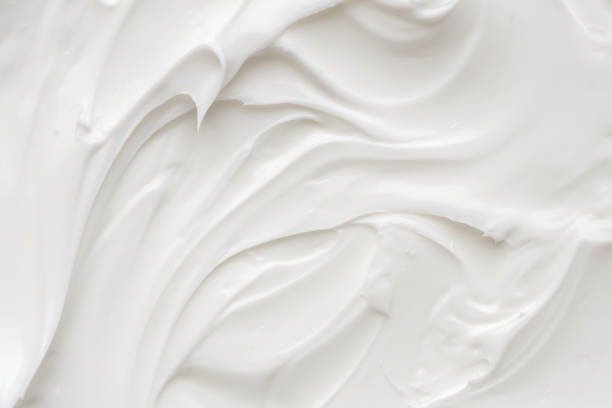
A thick balm-cream designed for overnight zone care; typical viscosity around 120,000–300,000+ cps.
- Suitable for: heels/elbows/knees, “night repair” users, winter dryness
- Key selling points: strong softening feel, reduced rough patch look, long-lasting cushion
- Packaging/use tips: tube preferred for hygiene; add simple frequency rules to prevent overuse
Which packaging options make sense for urea cream?
Choose packaging that supports clean dosing, protects stability (especially higher urea lanes), and matches how customers actually use body/hand/foot products.
Factors to align with your brand
- Application method:Tubes for targeted zones, hygiene, and travel-friendly use. Pumps for daily full-body use and controlled dosing. Jars for rich “spa body cream” sensorials (needs hygiene messaging).
- Stability & protection:Material compatibility with humectant-heavy systems. Seal integrity and leak testing for e-commerce shipping. Pump performance for higher-viscosity creams (no clogging)
- Sustainability direction:PCR tubes and caps where feasible. PCR PET bottles for pumps. Reduced-component packs to improve recyclability
- Label and artwork space:Strength lane and frequency rules (“daily” vs “night zones”). Simple “avoid eyes / broken skin” guidance when needed
- Channel needs:Amazon: leak resistance + clear use rules = fewer returns. Retail/pharmacy: premium tactile packaging lifts conversion and trust.

Squeeze Tube (75–150ml)
Best for targeted rough zones and hand/foot creams.

Pump Bottle (200–400ml)
Great for daily body lotion-cream, family use.
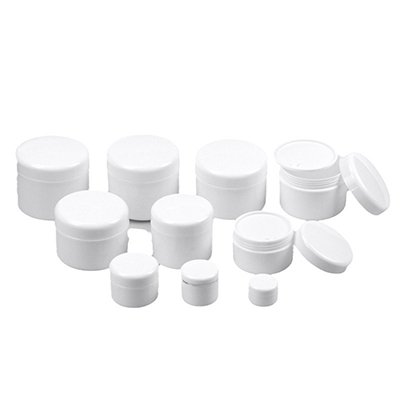
PCR Options
Post-consumer recycled components where feasible.
What do brands most often ask about this urea cream?
Most questions cluster around choosing the right urea %, avoiding tack or gritty crystals, deciding if a foot-focused SKU is needed, and how to position “smoothing” without crossing into medical claims.
1. How strong should urea cream be for a hero SKU?
- Choose a lane: 5–10% daily comfort, 10–20% roughness smoothing, or 20–40% intensive zones
- Match format to lane: lotion-cream for daily, dense balm for heels
- Write simple frequency rules to prevent overuse complaints
2. Why do some urea creams feel gritty over time?
- Urea can crystallize if the system and solvents aren’t balanced
- Heat/cold cycling can expose stability weaknesses (grit + viscosity drift)
- Stability screening and packaging-fit testing are non-negotiable for higher lanes
3. Can urea cream work for “rough and bumpy-looking” skin?
- Yes, when positioned as smoothing + hydration (not “peel-level exfoliation”)
- Medium-rich textures with low tack convert better than heavy greasy bases
- Pair with barrier supports to reduce sting and drop-off
4. Is a separate foot/heel SKU necessary?
- Not always—some brands win with one smoothing body cream plus “target-zone” directions
- A dedicated heel balm helps when an intensive lane (20–40%) is part of the portfolio
- Packaging and dosing instructions matter more than “strongest %” messaging
5. Should urea cream be fragranced?
- Fragrance-free builds trust for repair and sensitive routines
- If scented, keep allergen risk low and validate on reactive users
- The stronger the lane, the more fragrance can amplify “sting” perception
6. What are typical MOQs, lead times, and cost drivers?
- Typical MOQ: 1,000–3,000 units/SKU, higher for custom airless/pumps
- Cost drivers: urea lane strength, stability engineering, barrier lipid stack, packaging format
- Timeline drivers: iteration cycles to remove tack/grit and lock stability
How will Zerun Cosmetic support private label urea cream projects?
- Our team will answer your inquiries within 12 hours.
- Your information will be kept strictly confidential.





Zerun supports urea cream brands with lane-based urea system design, stability-first texture engineering, and channel-ready packaging plans—helping you launch a smoothing moisturizer that customers actually finish and repurchase.
We start from your reality:
- Your target users (daily body care, rough/bumpy-looking zones, hands, feet) and climates
- Your strength lane (daily vs smoothing vs intensive) and channel plan (Amazon, retail, pharmacy, derm-adjacent)
- Your fragrance policy, positioning boundaries, and budget for stability/testing
We co-develop formulas, formats and routines:
- Lotion-creams, cushion body creams, and intensive heel balms in clear strength lanes
- Urea + barrier support stacks that reduce tack, sting, and “gritty” stability failures
- Simple routine rules that reduce misuse and improve review outcomes
We help plan claims, tests and documentation:
- Cosmetic-safe claims for smoothing rough-feeling skin and long-lasting hydration
- Micro/challenge, stability, heat/cold cycling, and packaging compatibility validation
- On-pack usage guidance that matches lane strength and target zones
If you already have reference products or ideas, share:
- Links/photos of urea creams you like (finish, absorb speed, richness, packaging)
- Your “must avoid” issues (sticky feel, greasy film, gritty crystals, strong fragrance)
- Your target markets, initial volumes, and desired launch timing
Based on this, we can propose a clear urea cream development roadmap and sampling plan. Use the contact form, email or WhatsApp on this site to start your private label urea cream project with Zerun.