Skip to content
Tranexamic Acid Ingredient Custom Cosmetics Manufacturer
Discover tranexamic acid (TXA) for melasma, dark spot and post-acne mark reduction via plasmin-pathway modulation.
See 2–5% use levels, cetyl tranexamate HCl options, compatible co-actives, pH 5–7 systems, chelation/preservation tips, UV-barrier packaging, MOQ, and private-label OEM/ODM solutions.
What Is Tranexamic Acid

Tranexamic Acid (TXA) is a water-soluble lysine analogue that down-modulates the plasmin/inflammatory cascade implicated in hyperpigmentation. In skincare it helps fade melasma and PIH, even skin tone, and support a calmer barrier, fitting daily brightening routines.
INCI: Tranexamic Acid · CAS: 1197-18-8 · white crystalline powder; water-soluble, odorless or nearly odorless. (ECHA, Wikipedia)
Source: Typically chemical synthesis to high purity; cosmetic use favors pharma-grade TXA or cosmetic-grade derivatives.
Water Solubility: TXA is water-soluble; Cetyl Tranexamate HCl (CTH) is oil-dispersible for emulsions/anhydrous hybrids.
pH Flexibility:
Neutral-friendly: TXA works best at pH 5.0–7.0 with broad formulation freedom.
System design: Use chelators, humectants, and compatible preservatives for clarity and long-term stability.
Tranexamic Acid Benefits: Mechanisms, Results & OEM Formulation
TXA targets melanin triggers upstream of tyrosinase by inhibiting the plasmin pathway, reducing inflammation-mediated melanogenesis and melanosome transfer signals. It is barrier-friendly, plays well with niacinamide, arbutin, vitamin C derivatives, and scales across serums, creams, toners, masks.

Melasma & Dark Spot Reduction
Mechanism: Inhibits plasmin activity → lower arachidonic acid/prostaglandins and inflammatory mediators, indirectly down-modulating tyrosinase and melanosome transfer.
Benefits: Fades melasma, reduces spot contrast, and evens overall tone.
Importance: A derm-favored route for stubborn pigmentation with good tolerance.
Use level & testing: TXA 2–5% in serums/creams; assess ΔL* / Δa* colorimetry, Mexameter, and MASI for melasma.
Good pairings: Niacinamide (2–5%), arbutin (1–2%), EAA/AA2G (2–5%), licorice (glabridin), azelaic acid (5–10%).
Post-Inflammatory Hyperpigmentation (PIH)
Mechanism: Dampens inflammatory signaling that sustains PIH and normalizes keratinocyte-melanocyte crosstalk.
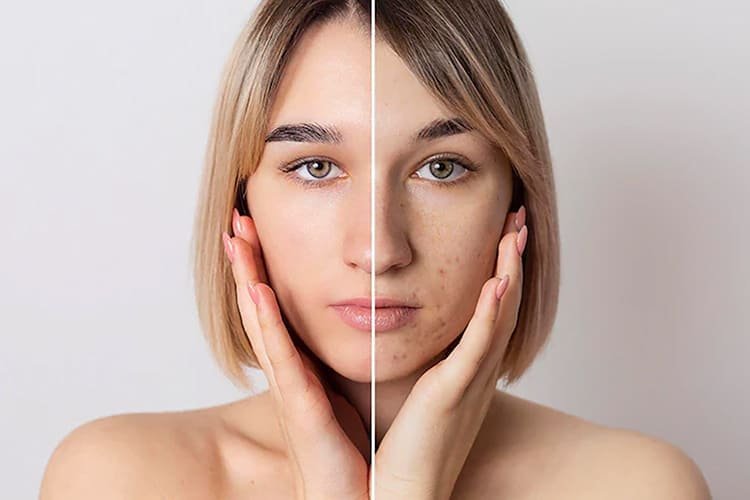
Benefits: Softens post-blemish marks, reduces lingering redness, speeds a more uniform fade.
Importance: Strong post-acne story without exfoliation-related sting.
Use level & testing: TXA 3–5% toners/essences; track ΔL*, standardized photography, participant diaries.
Good pairings: Panthenol, centella, zinc PCA, low-% PHA/AHA for texture.
Tone Evenness & Brightness
Mechanism: Interrupts melanin up-regulation and transfer, minimizing diffuse sallowness.
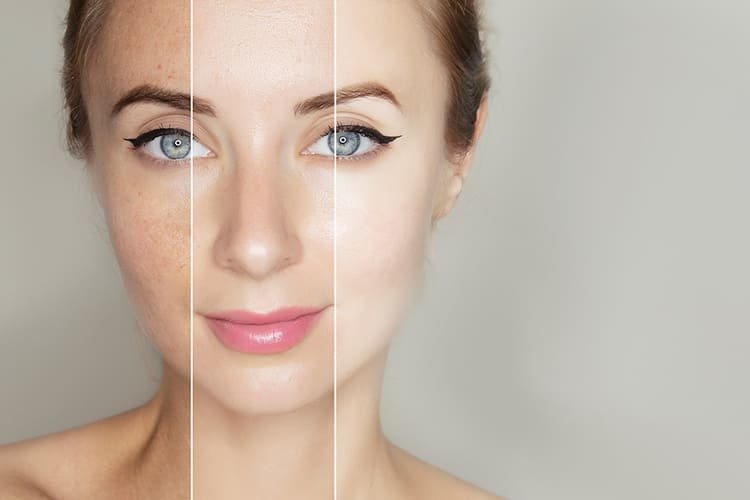
Benefits: Brighter look, more even reflection, healthier radiance.
Importance: Enables daily brightening with a gentle profile for broad skin types.
Use level & testing: TXA 2–3% day serums/lotions; validate with ΔL*, gloss/illumination imaging.
Good pairings: Niacinamide, vitamin C derivatives, ferulic + vitamin E (AM).
Barrier-Friendly Clarifying
Mechanism: Non-acid, non-exfoliating; reduces inflammatory amplifiers that can disrupt the barrier.
Benefits: Smoother-looking texture with low irritation risk versus strong acids.
Importance: Fits sensitive and combination skin portfolios.
Use level & testing: TXA 2–4% gel-creams; measure TEWL, redness a*, self-assessed comfort.
Good pairings: Ceramides, HA, cholesterol/FA blends, bisabolol.

Best Product Formats for Tranexamic Acid
TXA formulates cleanly across serums, toners, gel-creams, and masks—from daily brightening to targeted spot correctors—balancing clarity, comfort, and measurable fade.

Dark Spot Correcting Glow Serum

Brightening Serum

Tranexamic Acid Serum

Barrier Repair Cream

Brightening Toner

Soothing Face Mask
Ready to Create Your Tranexamic Acid Brightening Line?
Share your target markets, claims, textures, and price bands—our chemists return a percentage/base/co-actives proposal within 48 hours. We engineer pH-5–7 systems, derivative options (CTH), chelation/preservation, and UV-barrier packaging to scale from lab to pilot. Start with a free sample or formulation consultation.
Tranexamic Acid Concentration Options | Custom for OEM/ODM
Choose the right tranexamic acid (TXA) pathway for brightening and tone-evening claims. Use TXA (water-soluble) for serums/essences/gel-creams, or cetyl tranexamate HCl (CTH, oil-dispersible) for emulsions/anhydrous hybrids. We align % with pH 5–7 systems, humectants/chelators, preservation, solvents (water/glycols), and packaging, delivering full testing dossiers for compliant launches.
1. Concentration Range
Typical cosmetic levels:
1–2%: Gentle maintenance or sensitive-skin toners/essences.
2–3%: The daily-workhorse level in serums/gel-creams for PIH/diffuse unevenness.
3–5%: Targeted spot-corrector range for stubborn dark spots/melasma maintenance.


2. Typical Use Levels
| Target Use Case | TXA Type & % | Best Formats | pH Window | Proof & QA |
|---|---|---|---|---|
| Melasma & dark-spot focus | TXA 3–5% | serum/cream | 5.0–6.0 | ΔL*, Mexameter, MASI, standardized photo |
| Daily brightening & maintenance | TXA 2–3% + niacinamide 2–5% | essence/gel-cream | 5.2–6.2 | ΔL*, illumination/gloss imaging, diary scores |
| Post-acne mark care (PIH) | TXA 2–3% + EAA/AA2G 2–5% | toner/serum | 5.0–6.0 | Δa* redness index, Mexameter, photo grading |
| Oil-dispersible systems / makeup-friendly | CTH 0.5–2% | emulsion/anhydrous hybrid | 5.0–6.5 / N/A | Shade stability, pilling tests, wear under SPF/makeup |
| Sensitive routine / barrier-first | TXA 1–2% + panthenol/ceramides | gel-cream/lotion | 5.0–5.8 | TEWL, a* redness, HRIPT, micro compatibility |
*Final percentage depends on target claim, skin type, and regional compliance.
Tranexamic Acid Formulation & Actives Ingredient Customization
Build brightening systems around water-soluble TXA. Pair with niacinamide, vitamin C derivatives, arbutin, licorice, azelaic acid, HA, panthenol, and ceramide complexes. Engineer pH 5–7, add chelators/preservatives, control color stability, and choose UV-barrier, low-oxygen packaging for long-term clarity.
1. Formulation Systems
2. Ingredient Customization Case

Daily Brightening Serum
Benefits: Fast-absorbing clarity boost that brightens tone, reduces uneven patches, and layers cleanly under sunscreen and makeup.
Actives: TXA 3% + Niacinamide 4% + EAA 3% + HA 0.2%;pH 5.4–5.8.
Post-Blemish Fade Essence
Benefits: Targets post-acne marks and lingering redness to speed a more uniform fade with low irritation risk.
Actives: TXA 2.5% + AA2G 2% + Panthenol 1% + Ectoine 0.3%;pH 5.2–5.8.
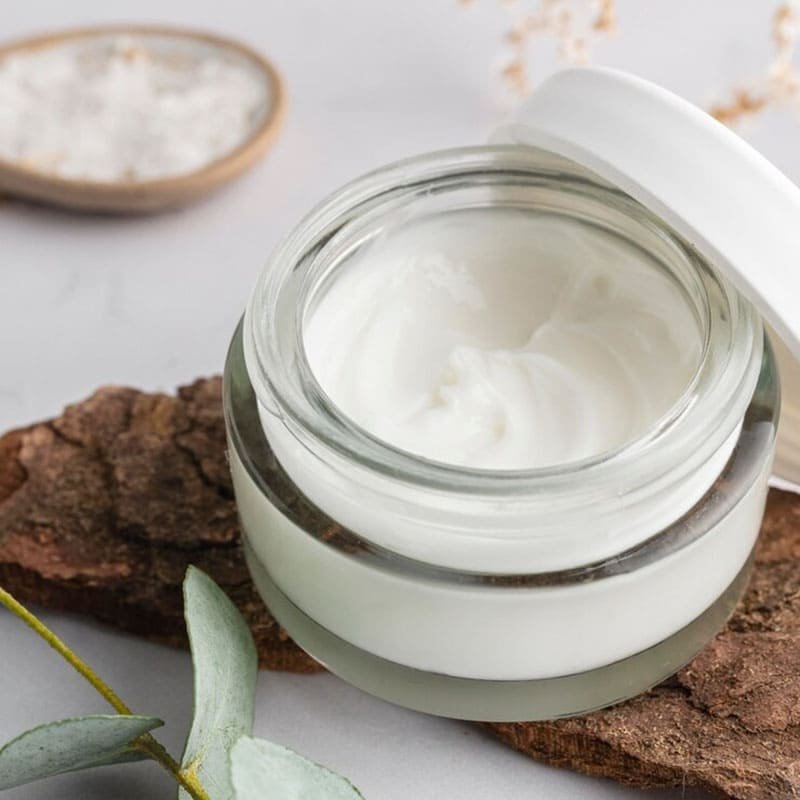
Sensitive-Skin Gel-Cream
Benefits: Calms visible redness while supporting barrier recovery and comfortable daily brightening.
Actives: TXA 2% + Ceramides/Cholesterol/FA + Bisabolol + HA 0.2%;pH 5.0–5.6.
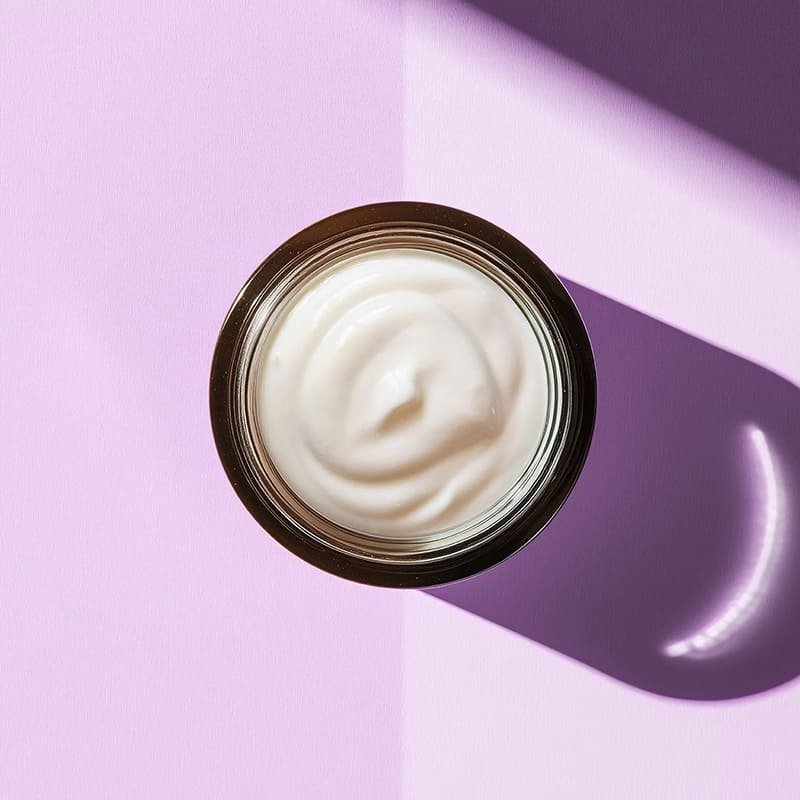
Spot-Focus Corrector
Benefits: High-precision dark-spot care that reduces spot contrast and edges for smoother tone transitions.
Actives: TXA 4–5% + Arbutin 1.5% + Licorice (glabridin) + EAA 2%;pH 5.2–5.8.
Day Emulsion
Benefits: Brightening care that resists pilling, preserves foundation grip, and keeps tone looking even through the day.
Actives: CTH 1% + Niacinamide 3% + low-tack film former;pH 5.3–6.0.
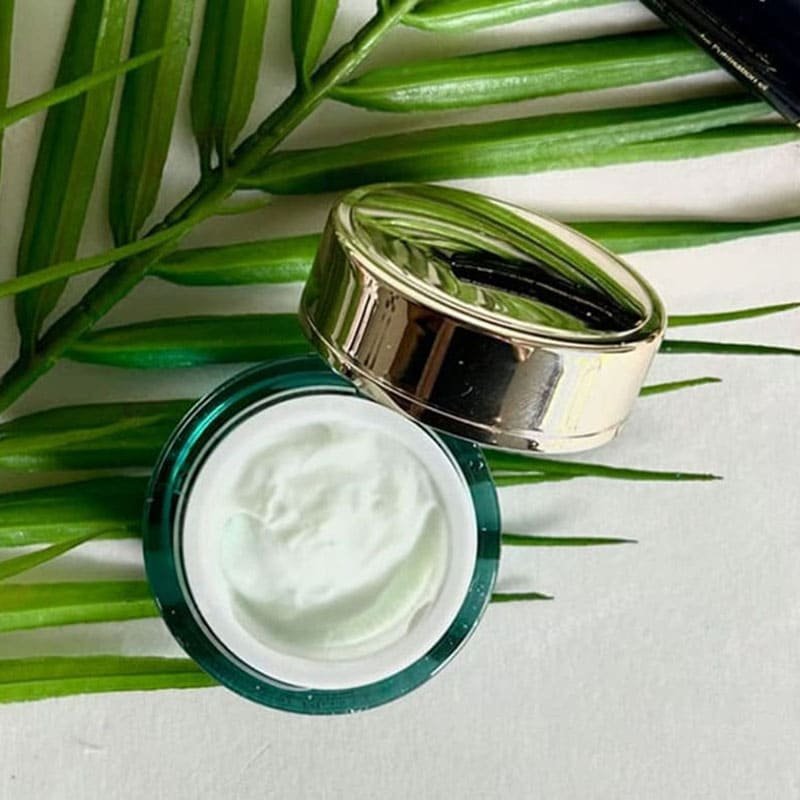
Cream for Melasma Maintenance
Benefits: Comforting overnight formula supporting tone stability between clinic visits and daily sunscreen use.
Actives: TXA 2–3% + Azelaic 5–8% (region) + Panthenol 2%;pH 5.2–5.8.
Tranexamic Acid Global Trends & Regional Analysis
The Tranexamic Acid Market is characterized by strong adoption across pharmaceuticals, cosmetics, and healthcare sectors. The cosmetics sector has experienced rapid growth due to its skin-brightening and anti-pigmentation properties, driving investments in dermatological research and formulation technologies.
1. Tranexamic Acid Global Trends
The Global Tranexamic Acid Market was valued at USD 8,659.0 Million in 2024 and is anticipated to reach a value of USD 13,594.2 Million by 2032 expanding at a CAGR of 5.8% between 2025 and 2032.


Growing Demand in Dermatology and Cosmetic Applications
The rising demand for advanced skin care treatments presents a significant opportunity in the Tranexamic Acid Market. Dermatologists and cosmetic companies are increasingly formulating tranexamic acid into topical creams, serums, and oral supplements to address hyperpigmentation, melasma, and uneven skin tone. The compound’s proven effectiveness in reducing melanin synthesis without causing skin irritation has led to its widespread adoption in premium cosmetic product lines. With consumer spending on personal care and dermatology treatments steadily increasing in Asia-Pacific and Europe, manufacturers are investing heavily in dermatology-focused R&D. This opportunity is further amplified by the integration of novel drug delivery technologies, such as liposomal and nanoencapsulation methods, to improve efficacy and absorption rates.
2. Tranexamic Acid Regional Analysis
Asia-Pacific accounted for the largest market share at 42% in 2024 however. North America is expected to register the fastest growth, expanding at a CAGR of 6.2% between 2025 and 2032.
Rising Adoption Across Healthcare and Cosmetics
The North America Tranexamic Acid Market represented nearly 28% of the global volume in 2024, with strong demand emerging from pharmaceutical, cosmetic, and clinical sectors. Increasing adoption in dermatology and aesthetic medicine is supported by regulatory approvals for topical formulations, while the pharmaceutical industry leverages tranexamic acid in trauma and surgery management. The U.S. and Canada benefit from digital transformation in healthcare supply chains, advanced R&D investments, and automation in drug manufacturing, which enhances overall efficiency. Additionally, supportive government frameworks encouraging innovation in biopharmaceuticals have accelerated product availability across clinical and cosmetic applications.
Expanding Role in Therapeutics and Cosmetic Dermatology
The Europe Tranexamic Acid Market accounted for approximately 22% of global share in 2024, with Germany, France, and the UK being the largest contributors. Demand is driven by increasing use in surgical procedures and dermatological therapies. European regulatory bodies emphasize quality and safety in pharmaceuticals, encouraging sustainable manufacturing and ethical sourcing practices. Notably, the EU’s focus on green chemistry and low-emission processes has pushed companies to innovate. Cosmetic applications of tranexamic acid, particularly in skin-brightening and hyperpigmentation treatments, are also gaining momentum, fueled by higher consumer awareness and the adoption of advanced formulation technologies.

More Tranexamic Acid product customization instructions and FAQs
Q: What skin types is Tranexamic Acid suitable for?
A: TXA suits most skin types—including sensitive, combination, oily, and mature—because it is non-acidic and generally well tolerated. It targets melasma, dark spots, and post-acne marks (PIH) without the sting of strong exfoliants. For dryness-prone users, we pair TXA with humectants (HA, glycerin) and barrier lipids to keep comfort high in daily-use SKUs.
Q: Can Tranexamic Acid be used together with Vitamin C or Niacinamide in one formula/routine?
A: Yes. TXA layers and co-formulates well with niacinamide, vitamin C derivatives (EAA/AA2G), arbutin, and licorice (glabridin) for multi-pathway brightening. AM routines often use TXA + antioxidants + SPF; PM routines may add azelaic (region-permitting). We run pilling/makeup-wear tests to ensure smooth layering with sunscreen and foundation.
Q: What’s the difference between 1–2%, 2–3%, and 3–5% TXA concentrations?
A:
- 1–2%: Gentle maintenance or sensitive-skin toners/essences; helps keep tone even with low irritation risk.
- 2–3%: The daily-workhorse level in serums/gel-creams for PIH/diffuse unevenness; balances efficacy and tolerance.
- 3–5%: Targeted spot-corrector range for stubborn dark spots/melasma maintenance; typically used on localized areas and supported with UV diligence.
Q: Will Tranexamic Acid irritate acne-prone or inflamed skin?
A: TXA is non-exfoliating and pH-neutral-friendly (5–7), making it a strong option for acne-prone or redness-prone skin seeking tone correction. It helps dampen inflammatory messengers that keep PIH active. Still, combine cautiously with strong retinoids/AHAs if the barrier is compromised. We often add panthenol/ceramides to enhance comfort.
Q: How long does it take to see visible results with Tranexamic Acid?
A: Expect early tone-evening in 3–4 weeks with consistent use. PIH often improves by 4–8 weeks, while stubborn melasma may require 8–12+ weeks plus strict daily SPF. Combining TXA with niacinamide or vitamin C derivatives accelerates results. Consistency, photo-protection, and proper layering are key to sustained improvement.
Launch Your Custom Cosmetics Line Now!