Skip to content
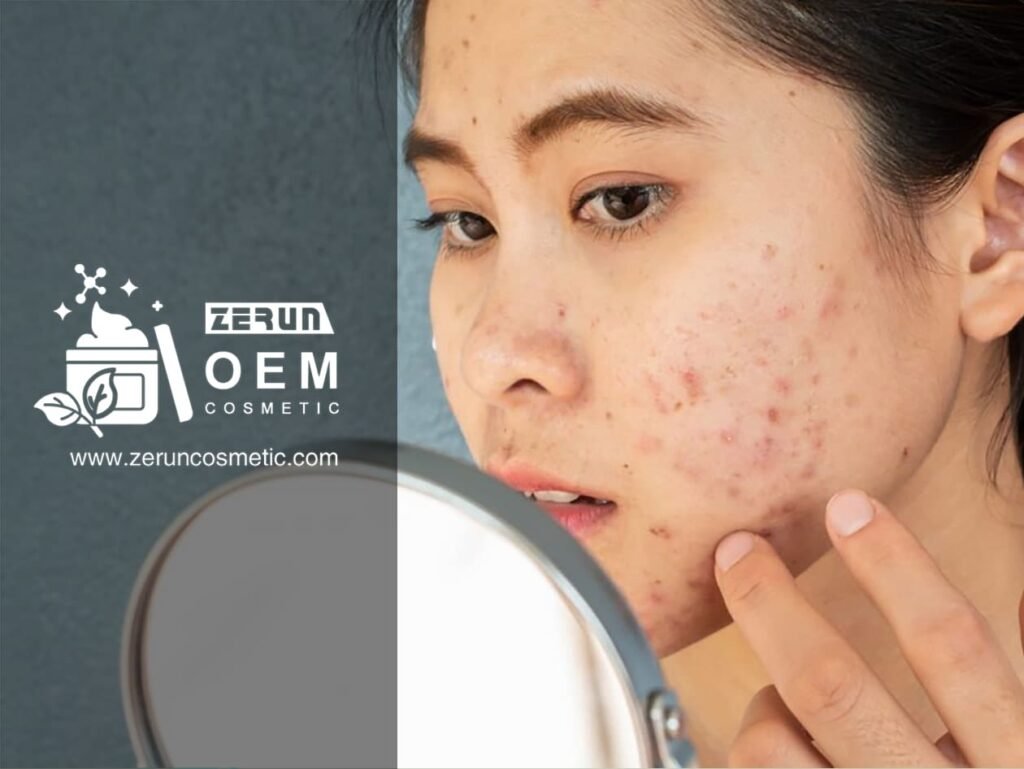
Pimples always seem to appear at the worst possible moment—before a meeting, a date, a product photoshoot, or a client event. Whether you’re a consumer or a skincare brand owner, “why am I breaking out?” is one of the most frustrating questions in beauty.
Pimples are caused by a mix of excess oil, clogged pores, bacteria, inflammation, and internal triggers like hormones and stress. When dead skin and sebum get trapped inside a pore, Cutibacterium acnes bacteria multiply, your immune system reacts, and a visible bump forms. Genetics, products, environment, and lifestyle decide how often and how badly this happens. But if so many people have pimples, why do some clear up easily while others struggle for years—even when they use “acne” products?
What exactly is a pimple—and how does it form in the skin?
Most pimples follow the same basic script: your pore becomes clogged, oil and dead cells build up, bacteria flourish, and the body responds with inflammation. The type of lesion you see—tiny white bump, black dot, red painful lump—depends on where the clog sits, how deep it goes, and how strong the inflammatory response is.
What happens inside a pore before you see a pimple?
A pimple starts long before you see it on the surface. First, the follicle opening narrows, then oil and dead cells accumulate, then bacteria multiply and trigger inflammation. By the time the bump is visible, that process has been going on for days or weeks.
Inside the follicle, several things go wrong at once:
- Increased sebum production. Hormones (especially androgens like testosterone) tell the sebaceous glands to produce more oil.
- Sticky dead cells (hyperkeratinization). Instead of shedding cleanly, corneocytes clump together and plug the follicle, trapping sebum.
- Bacterial overgrowth. Cutibacterium acnes (formerly Propionibacterium acnes) thrive in this oxygen-poor, lipid-rich environment.
- Inflammation. Bacterial by-products and oxidized sebum irritate the follicle wall. The immune system sends in white blood cells, causing redness, swelling, and sometimes pus.
If the follicle wall remains intact, you get smaller lesions (whiteheads, blackheads, papules). If it ruptures into the surrounding dermis, you may see deeper, painful nodules and cysts that can scar.
What types of pimples are there—and what does each type mean?
Different-looking pimples often reflect different stages or depths of the same disease process. Understanding them helps consumers choose products and helps brands design targeted formulas and claims.
| Lesion type | What it looks like | Main issue | Typical depth |
|---|---|---|---|
| Microcomedone | Invisible “pre-pimple” | Early clog of cells + sebum | Very superficial |
| Whitehead | Small closed bump with white center | Closed comedone, trapped sebum | Superficial |
| Blackhead | Dark open pore | Oxidized sebum in open comedone | Superficial |
| Papule | Small red, tender bump | Inflammatory, no visible pus | Mid-follicular |
| Pustule | Red bump with yellow/white center | Pus (immune cells + bacteria) | Mid-follicular |
| Nodule | Large, deep, painful lump | Deep inflammation, wall rupture | Deep in dermis |
| Cyst | Soft, fluctuant, often painful swelling | Cavity with pus + inflammation | Deep, often scarring |
For cosmetic brands, this is the basis for segmenting solutions:
- Blackheads/whiteheads → keratolytic + sebum control, gentle daily use.
- Papules/pustules → anti-inflammatory + antibacterial actives.
- Nodules/cysts → often medical territory; OTC claims must remain cosmetic-supportive, not therapeutic.
Are all pimples considered “acne”—or can you get pimples from other causes?
Not every bump is classic acne. Pimple-like lesions can be caused by acne, folliculitis, fungal overgrowth, irritation, or even product allergy. That’s why copywriting and product claims need to be precise.
Examples:
- Acne vulgaris: Typical teen/adult breakouts on face, chest, back, with comedones, papules, pustules, +/- nodules.
- Fungal folliculitis (Malassezia): Uniform itchy bumps, often on forehead, back, chest; triggered by humidity, occlusive products, or certain oils. Anti-acne actives may not help.
- Irritant or allergic folliculitis: New bumps after harsh surfactants, fragrances, or comedogenic formulas; often linked to specific products or treatments.
- Mechanical acne (“acne mechanica”): From friction, helmets, tight masks, bra straps—especially in athletes or workers.
For B2B buyers, this matters because “anti-pimple” and “anti-acne” are not always the same functional target. A gym-wear brand might need anti-friction, sweat-resilient formulas, while a K-beauty brand might focus on barrier-calming and sebum balance.
Pimples form when oil, dead skin, and bacteria create a clog inside the follicle, triggering inflammation. The visible bump type depends on depth and damage to the follicle wall. Not all bumps are identical acne; fungal, friction, or irritant lesions need different formulation and positioning strategies.

What internal factors cause pimples—hormones, genetics, and stress?
Behind almost every breakout are internal drivers. Hormones, genes, stress hormones, and sometimes medical conditions set the “breakout threshold” of your skin. Two people can use the same products and live in the same city, but one breaks out easily because their biology pushes their skin toward more oil and more inflammation.
How do hormones influence pimples?
Androgens (like testosterone and DHT) are key drivers of sebum production and follicle activity. When androgen levels rise—or when follicles are more sensitive to androgens—the skin gets oilier, and pores clog more easily.
Key scenarios:
- Puberty: Rising androgens in all genders; classic teen acne surge.
- Menstrual cycle: Many women notice flares in the week before their period when progesterone and androgens interact with oil glands.
- PCOS and endocrine issues: In some women, high androgens from polycystic ovary syndrome (PCOS) or other hormonal disorders drive stubborn acne along jawline and lower face.
- Androgenic medications/supplements: Certain steroids, progestins, or high-dose bodybuilding supplements can increase breakouts.
For brands, this is why long-term sebum management and gentle keratolytics (salicylic acid, LHA, niacinamide, zinc salts) are attractive; they don’t change hormones but help skin cope better with hormonally driven oiliness.
Is acne really genetic—and what does that mean for expectations?
Yes, there is a strong genetic component to acne susceptibility, affecting how reactive sebaceous glands and follicles are. This doesn’t mean breakouts are inevitable, but it sets the baseline.
Genetics influence:
- Sebum quantity and composition – some people produce thicker, more comedogenic sebum.
- Keratinization patterns – how sticky dead cells are and how quickly follicles clog.
- Inflammatory response – some skin types mount stronger inflammatory reactions to small triggers.
- Scar tendency – certain individuals form deeper scars or post-inflammatory hyperpigmentation (PIH) more easily.
For a brand, this means: realistic claims (“helps reduce the appearance of blemishes,” “supports clearer-looking skin”) and routine-based systems are more credible than promising a single magic product for “all acne types.”
How does stress make pimples worse—even without changing products?
Stress isn’t just a vague lifestyle factor. Chronic stress can shift hormone patterns, increase cortisol, disrupt sleep, and worsen inflammatory responses—all of which are acne-relevant.
Practical pathways:
- Cortisol and androgens: Prolonged stress can tip the balance toward higher androgen impact, leading to more oil.
- Sleep disruption: Poor sleep impairs barrier repair and immune balance, making skin more reactive.
- Behavioral changes: Under stress, many people touch their face more, cleanse less consistently, or forget gentle routines.
- Glycemic control: Stress eating (high sugar, refined carbs) can spike insulin and IGF-1, which are linked to acne severity.
For brands marketing to stressed young professionals or students, positioning around barrier support, gentle daily routines, and oil/inflammation balance fits triggers better than just “stronger actives.”
Internal factors—especially hormones, genetics, and stress—set the baseline risk for pimples. Androgens drive oil production, genes shape follicle behavior, and chronic stress amplifies inflammation and lifestyle issues. Skincare alone can’t change hormones or DNA, but smart routines and formulations help skin handle these internal pressures more effectively.
Which daily habits and skincare products can trigger pimples?
Even with “normal” hormones, what you put on your skin and how you treat it each day can trigger or calm pimples. For many consumers, breakouts are a mix of biology plus avoidable habits: comedogenic formulas, harsh cleansing, over-layering, or poor sun protection strategy.
Can skincare products themselves cause pimples?
Yes—and often in more than one way. Products can clog pores, irritate the barrier, feed certain microbes, or trap sweat and oil under occlusive layers.
Common product-related breakout triggers:
- Heavy, occlusive textures for oily or humid climates (rich balms, thick creams, unfiltered mineral oils, wax-heavy makeup).
- Highly comedogenic oils or esters on breakout-prone areas (e.g., some butters, isopropyl myristate, certain lanolin derivatives), depending on dose and formula context.
- Fragrances and colorants that irritate sensitive skin, leading to inflammation and pimple-like lesions.
- “Slugging” or multiple occlusive layers in hot climates without proper exfoliation or cleansing.
For brands, two key opportunities:
- Non-comedogenic, non-occlusive systems tested on acne-prone volunteers.
- Clear front-of-pack messaging (“for acne-prone skin,” “tested on oily skin,” “non-comedogenic”) backed by meaningful formulation and testing, not just marketing claims.
Are you cleansing too much—or not enough?
Cleansing is a classic double-edged sword. Too little cleansing leaves sweat, pollution, and product residue in pores; too much stripping cleansing damages the barrier and increases irritation.
- Under-cleansing:
- Sleeping in makeup or SPF frequently.
- No cleanse after sweat-heavy workouts or helmet use.
- Only using water in a high-pollution city.
- Over-cleansing:
- Using strong sulfates or high-pH soaps multiple times per day.
- Combining aggressive scrubs with strong acids.
- Feeling “tight” and squeaky after washing.
For B2B buyers, this is why balanced gel-to-foam, low-SLS, or sulfate-free cleansers with mild surfactants and pH 4.5–5.5 are winning categories. They remove pore-clogging debris without dismantling the barrier.
How do makeup and sunscreen choices affect pimples?
Makeup and sunscreen are double-key categories for pimples, because they are worn for long hours and often layered.
Typical issues:
- Heavy coverage foundations with occlusive film-formers and pigments can trap sebum.
- Long-wear or waterproof products require strong removers; if not fully removed, residue accumulates.
- Comedogenic or strongly occlusive sunscreens may trigger breakouts in humid climates or under masks.
- Physical-only mineral sunscreens with certain heavy emollients can clog pores if they’re not well balanced.
What this means for brands:
- Lightweight, non-comedogenic base products with film formers designed for oily/acne-prone skin.
- Hybrid sunscreens with sebum-balancing and soothing actives (niacinamide, green tea, zinc PCA).
- Clear “acne-friendly” SPF” ranges for daily office/screen use vs. sport/outdoor extremes.
Daily habits and topical products often tip the scales from “genetically pimple-prone” to “actively breaking out.” Comedogenic or occlusive formulas, harsh cleansing, poor makeup removal, and unsuitable sunscreens are major triggers. Smart product design and routines can significantly reduce these avoidable, behavior-driven causes of pimples.

Does diet, sleep, and lifestyle really affect pimples?
Yes, but not in a simplistic “one food equals one pimple” way. For both consumers and product developers, it’s more useful to think in patterns: glycemic load, dairy type, sleep quality, smoking, and overall inflammation rather than single forbidden ingredients.
Which foods are most commonly linked to breakouts?
Research suggests high-glycemic diets and certain dairy patterns may worsen acne in some people, while a balanced diet with anti-inflammatory fats and plenty of fiber supports calmer skin. This is population-level data; individual responses vary.
Broad patterns:
- High-glycemic foods (white bread, sugary drinks, sweets) → rapid blood sugar spikes → increased insulin and IGF-1 → boosted sebum and keratinization.
- Certain dairy consumption (particularly skim milk in some studies) has been correlated with higher acne prevalence in some populations.
- Ultra-processed foods rich in trans fats and additives may raise systemic inflammation, indirectly impacting skin.
- Protective patterns likely include higher omega-3 intake (fatty fish, flax), colorful vegetables, and lower sugar.
For brands, this doesn’t mean “diet cures acne,” but content marketing around holistic skin health resonates with educated consumers and supports realistic positioning.
How do sleep and circadian rhythm influence pimples?
Sleep is often overlooked. Poor or irregular sleep can disrupt hormone balance, increase baseline inflammation, and slow barrier repair.
- Barrier recovery: Many repair processes peak at night; shortened or fragmented sleep interferes with this, making skin more reactive.
- Hormones and stress: Chronic sleep debt can increase cortisol and alter appetite-regulating hormones, indirectly influencing diet and stress.
- Behavioral factors: People who sleep poorly may have less energy for consistent routines or may pick at their skin more.
From a brand perspective, “overnight recovery” or “barrier support while you sleep” isn’t just marketing fluff if the formulas truly focus on hydration, soothing ingredients, and barrier lipids for acne-prone but sensitized skin.
Do smoking, vaping, or pollution levels matter for pimples?
Yes, though the impact may be more visible on overall complexion quality, dullness, and microcomedones rather than only large pustules. Pollution particles, smoke, and certain occupational exposures can increase oxidative stress and clog pores.
- Urban pollution introduces PM2.5–10 particles and polycyclic aromatic hydrocarbons that adhere to sebum and skin.
- Smoke (including passive or vaping aerosols) increases oxidative burden and can alter sebum composition.
- Occupational grime or occlusion (drivers, factory workers, chefs, gym staff) puts more daily load on the skin surface.
For B2B buyers, there’s a clear product opportunity: “anti-pollution” anti-blemish lines combining antioxidants, chelating agents, and gentle deep-cleansing formats that speak to the lifestyles of urban Gen Z and young professionals.
Lifestyle matters. High-glycemic diets, certain dairy habits, poor sleep, and polluted environments can push already acne-prone skin into frequent breakouts. While products can’t control diet or sleep, brands that acknowledge these factors and position routines as part of a holistic plan are more credible and effective.
Which ingredients actually help with pimples—and how should brands choose them?
Not all “anti-pimple” products are equal. Effective formulas target multiple points in the acne pathway: sebum control, keratinization, bacteria, and inflammation—while protecting the barrier. For B2B buyers, ingredient choice, % use range, and format are central to product success.
What are the core anti-pimple actives and what do they do?
Here are some of the most widely used, evidence-based cosmetic actives for pimple-prone skin, in a format that’s useful both for consumers and B2B formulation planning:
| Active / family | Main mechanism | Typical leave-on % range* | Best for… |
|---|---|---|---|
| Salicylic acid (BHA) | Lipophilic exfoliation inside pore, anti-inflammatory | 0.5–2% | Blackheads, congestion, oily T-zones |
| Azelaic acid | Anti-inflammatory, mild antibacterial, tone-evening | 5–15% (cosmetic) | Red bumps, PIH, sensitive-acne skin |
| Benzoyl peroxide | Antibacterial vs C. acnes, mild keratolytic | 2.5–10% (OTC, regulated) | Inflammatory pimples, pustules |
| Niacinamide | Sebum balancing, barrier support, anti-redness | 2–10% | Oily-sensitized skin, redness + pores |
| Retinoids (retinol etc.) | Normalize keratinization, prevent comedones | 0.1–1% (retinol, etc.) | Comedonal acne, texture, long-term use |
| Sulfur | Mild keratolytic, antimicrobial, oil-reducing | 3–10% (wash-off/masks) | Occasional flares, combo/oily skin |
- Always follow local regulatory and safety guidelines.
Benzoyl peroxide is regulated as a drug in some markets; brands must comply with applicable rules and cannot make medicinal claims if positioned as cosmetics.
For OEM/ODM manufacturers like Zerun cosmetic, the value lies in combining these actives smartly with soothing and barrier-restoring ingredients to reduce irritation and dropout rates.
How important is the vehicle (gel, lotion, serum, spot treatment)?
Very important. The same active ingredient can perform very differently depending on the vehicle, pH, and supporting ingredients.
Examples:
- Oil-free gels with salicylic acid are ideal for very oily, humid-climate users or under-mask use.
- Emulsion serums combining azelaic acid, niacinamide, and soothing agents fit sensitive or PIH-prone skin.
- Lightweight fluid lotions with encapsulated retinol can be better tolerated than traditional heavy creams on acne-prone faces.
- Spot treatments may justify higher active levels and more drying textures, but should not be used all over.
For B2B buyers, formulation should cover:
- Target skin type and climate.
- Consumer routines (multi-step vs minimalist).
- Regulatory environments (drug vs cosmetic categories).
- Packaging compatibility with active stability (airless, opaque, pump vs jar).
How should brands balance efficacy and tolerance for pimple-prone skin?
Strong actives without tolerance lead to abandoned products and negative reviews. The most successful anti-pimple lines prioritize a system: gentle cleanser + treatment + barrier-supporting moisturizer + non-comedogenic SPF.
Tolerance strategies:
- Pair actives with barrier supporters: ceramides, cholesterol, fatty acids, panthenol, beta-glucan.
- Use graded-strength portfolios: “starter,” “regular,” and “intensive” options to match tolerance.
- Design clear usage instructions: frequency, amount, and compatibility with other products.
- Provide calming companions: e.g., a “rescue cream” for retinoid beginners.
For OEM/ODM partners, this is where technical support matters—helping brands choose not just one hero product, but a coherent range that makes it easier for their customers to stick with the routine long enough to see results.
Effective anti-pimple products combine proven actives with appropriate vehicles and strong barrier support. Ingredients like salicylic acid, azelaic acid, niacinamide, retinoids, and sulfur can be powerful tools when dosed and combined correctly. For B2B buyers, success lies in designing a tolerable, system-based range, not just one “strong” product.

How can consumers reduce pimples with smarter routines?
Even the best formula fails if used in a chaotic routine. A simple, consistent, non-irritating routine often outperforms complex schemes with too many actives. For marketing content, consumers appreciate clear, actionable roadmaps more than vague “tips.”
What does a basic anti-pimple routine look like?
A solid routine doesn’t need 10 steps. Most acne-prone users do well with 4–5 core steps: cleanse, treat, moisturize, and protect.
| Routine step | Morning | Evening |
|---|---|---|
| Cleanse | Gentle gel/foam cleanser | Same gentle cleanser (double cleanse if makeup) |
| Treat (active step) | Light serum with niacinamide or azelaic acid | BHA/retinoid/azelaic acid (gradual introduction) |
| Moisturize | Oil-free, non-comedogenic lotion | Barrier-supporting, lightweight moisturizer |
| Sun protection | Non-comedogenic SPF 30–50 | If sun exposure (evening often none) |
| Spot treatment | As needed on individual pimples | As needed, avoiding overuse |
How long does it really take for pimples to improve?
One major cause of disappointment is unrealistic timelines. On average, clogged pores and inflamed lesions take several weeks to months to respond fully to a new routine.
- 4–6 weeks: Early reduction in new comedones and surface congestion with proper cleansing + BHA.
- 8–12 weeks: Clearer trend in fewer inflammatory pimples with consistent retinoid or azelaic acid.
- Longer for PIH/red marks: 3–6 months for dark marks to fade with diligent SPF and brightening support.
Setting these expectations in product pages and inserts reduces refunds and negative reviews and helps consumers understand that stopping too soon often leads to relapse.
When should someone see a dermatologist instead of just changing products?
This is important for ethical branding. Persistent, scarring, painful acne or sudden severe breakouts deserve medical evaluation. Cosmetic products can support, but not replace, professional care.
Red flags to highlight in educational content:
- Nodules or cysts that hurt deeply and leave scars.
- Acne with systemic symptoms (weight changes, irregular periods, hair thinning).
- Sudden explosive acne in adulthood, especially with new medications.
- Mental health impact: depression, anxiety, or strong self-esteem issues linked to skin.
Brands that acknowledge these limits build trust: when consumers feel respected, they’re more likely to purchase adjunctive products (gentle cleanser, non-comedogenic SPF, calming moisturizers) to use alongside medical treatments.
Smarter routines—not just stronger products—are key to reducing pimples. A simple, consistent sequence of gentle cleansing, targeted actives, barrier-supporting moisturizers, and daily SPF works best over time. Clear timelines and guidance on when to seek medical help protect both consumers and brand reputation.
What should B2B buyers consider when developing “anti-pimple” product lines?
From a B2B perspective, “what causes pimples” turns into a series of product design questions: Which triggers are we targeting? Which users? Which climates? Which regulations? Zerun cosmetic and similar OEM/ODM partners help brand owners convert acne science into profitable, compliant product portfolios.
Which consumer segments around pimples offer the best product opportunities?
Not every “pimple” customer is the same. Segmenting by age, severity, and lifestyle helps you design relevant SKUs and claims.
| Segment | Typical concerns | Ideal product focus |
|---|---|---|
| Teen / early 20s | Oily T-zone, blackheads, social anxiety | Affordable systems, gel cleansers, spot treatments |
| Adult women 25–40 | Jawline breakouts + fine lines/PIH | Gentle actives, barrier care, brightening serums |
| Male grooming segment | Back/chest pimples, shaving irritation | 2-in-1 washes, body sprays, post-shave solutions |
| Fitness / “maskne” users | Sweat, friction, helmet/mask acne | Sweat-resistant mists, quick cleansers, patches |
| Sensitive-skin niche | Redness, few but persistent pimples | Low-irritation, fragrance-free routines |
Each segment may need a different textures, fragrance approach, and hero actives even if they all “have pimples.”
How do you translate acne science into claims and testing plans?
Regulations in many markets distinguish cosmetic claims (appearance, comfort, oiliness, visible pores) from medical claims (treating disease). B2B buyers should align with their OEM/ODM on:
- Claim language: “helps reduce the appearance of blemishes,” “supports clearer-looking skin,” “helps balance sebum,” rather than “treats acne.”
- In vivo tests: Sebumeter readings, lesion counting, dermatologist grading, before–after photography on volunteers with blemish-prone skin.
- In vitro/ex vivo support: Sebum regulation assays, anti-inflammatory markers, microbiome balance studies where appropriate.
- Safety testing: HRIPT, irritation tests on sensitive skin panels, comedogenicity evaluations.
This ensures products are legally robust, scientifically credible, and marketable across multiple regions.
How can Zerun cosmetic support brand owners in custom anti-pimple solutions?
Zerun cosmetic isn’t just a factory—it’s a formulation and manufacturing partner. For pimple-focused lines, we can help with:
- Customized active combinations tailored to your target market (e.g., salicylic + niacinamide for US teens; azelaic + centella for EU-sensitive markets).
- Multiple product formats in one range: cleansers, toners, spot gels, serums, masks, body washes, and sunscreens.
- Packaging guidance (airless, tubes, pumps) that protects actives and fits retail or DTC branding.
- Global compliance support with documentation (INCI lists, safety assessments, stability, and compatibility testing).
By starting from real causes of pimples and matching them with evidence-based actives and smart formats, you can launch lines that feel modern, credible, and genuinely helpful to end users.
For B2B buyers, understanding what causes pimples is the foundation for segmentation, claims strategy, and formula design. Thoughtful targeting, legally sound claims, and robust testing turn “anti-pimple” into a sustainable product platform. Zerun cosmetic helps translate this science into custom, ready-to-launch solutions for global markets.

Conclusion
Pimples don’t appear out of nowhere. They’re the visible result of oil, dead cells, bacteria, and inflammation, shaped by internal factors like hormones, genetics, and stress—and amplified by products, diet, and lifestyle. For individual users, this means clearer skin rarely comes from one miracle ingredient; it usually comes from a consistent, gentle, multi-step routine that targets clogs, calms inflammation, and protects the barrier day after day.
For B2B buyers and skincare brands, “what causes pimples” is more than a blog topic—it’s a product roadmap. When you understand the real triggers your audience faces, you can design precise, credible anti-pimple lines with the right actives, textures, claims, and testing. If you’re planning to build or upgrade a blemish-prone skincare range, Zerun cosmetic can help you customize everything—from formula and packaging to documentation and sampling.