Skip to content
Antibacterial & antifungal dog shampoo: how to choose the right active system and wash routine
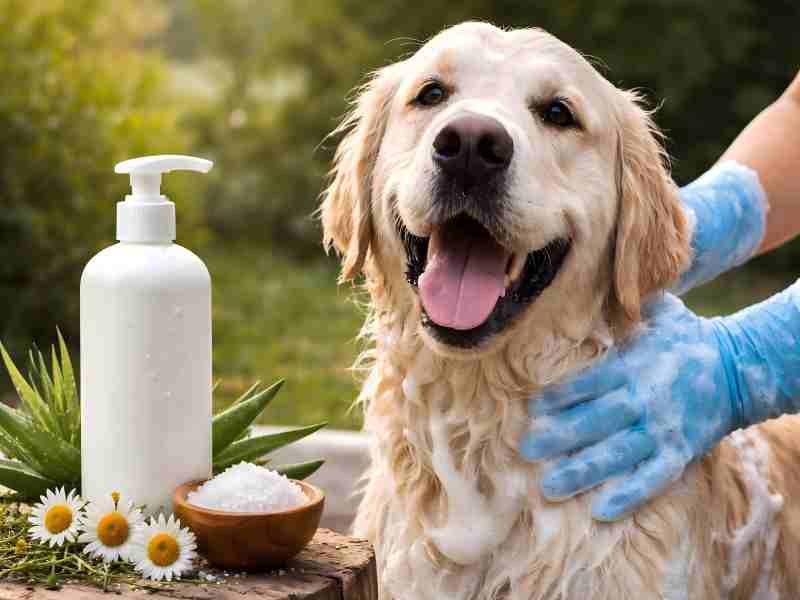
Your dog smells “yeasty” again two days after a bath. The coat feels greasy but the skin looks flaky. You try another shampoo and get the opposite problem: the dog stops itching for a moment, but the skin gets tight and dry, and the odor comes back. Then you read “antibacterial” and “antifungal” and assume it’s the strongest option—until you realize the results depend on the exact active system, how long it stays on the skin, and whether the routine is even being followed.
A reliable antibacterial + antifungal dog shampoo outcome comes from three decisions you can control: (1) match the active system to the most likely “problem pattern,” (2) design directions that enforce real skin contact time (often 5–10 minutes in medicated shampoo instructions), and (3) package the product so owners can dose consistently without over-washing or under-contacting.
Key takeaways for buyers
- “Antibacterial + antifungal” usually signals a medicated/antiseptic-style positioning, not a basic grooming shampoo.
- The most common US active pairing is chlorhexidine + an antifungal (often ketoconazole or miconazole).
- Protocol drives outcomes: wet coat → massage to skin → leave on → rinse well → repeat on schedule.
- Many labels and veterinary instructions use 5–10 minutes of contact time; owners skipping this is the #1 reason for “it didn’t work.”
- Frequency is often staged (e.g., multiple times weekly initially, then reduced), and should be framed as “as directed by a veterinarian.”
- Clear “when to see a vet” guardrails reduce risk and negative reviews (open wounds, severe redness, face/eye involvement, worsening).
What “antibacterial + antifungal” means in dog shampoos
A plain-language definition buyers can use
An antibacterial + antifungal dog shampoo is a topical wash designed to help manage situations where bacteria and/or fungal (often yeast) overgrowth is part of the skin problem pattern, using specific actives plus a wash protocol that keeps those actives in contact with the skin long enough to matter.
The 3 common problem buckets behind the keyword
- Odor + greasy film + recurrent itch (often described by owners as “yeasty” smell).
- Red, irritated patches + odor where antibacterial coverage is commonly sought.
- Mixed or unclear recurrence where combo systems are frequently selected first, with vet guidance if signs are severe or persistent.
The active systems you’ll see most
Below is the buyer-friendly way to talk about actives without turning your page into a medical textbook.
Common active directions in US medicated shampoos
- Chlorhexidine + ketoconazole: a widely used “combo” direction referenced in veterinary topical guidance and in many medicated shampoo directions.
- Chlorhexidine + miconazole: another common combo direction used in topical protocols.
- Other antiseptic / antifungal combinations exist, but in search results and labels the “chlorhexidine + azole” lane is the clearest, most standardized in instructions (including contact time language).
Comparison table buyers actually use
| Active system direction | Why buyers choose it | Owner-facing pros | Tolerance / usage notes |
|---|---|---|---|
| Chlorhexidine + ketoconazole | Broad “combo” coverage for mixed patterns | Clear protocol, familiar to vets/owners | Contact time matters; avoid eyes/mucous membranes; follow vet schedule |
| Chlorhexidine + miconazole | Similar combo logic | Often positioned for recurrent odor/itch patterns | Same protocol discipline; monitor dryness if overused |
| Antifungal-forward systems | When odor/greasy pattern dominates | Targets “yeast” language owners recognize | If bacterial signs dominate, owners may perceive “no change” |
What makes this SEO-friendly is not listing 20 actives. It’s giving buyers a short menu they can brief to a factory, then pairing it with a protocol that matches common label directions.
How to choose the right system for different dog skin patterns
This section is where decision pages win in US results: simple rules, no drama, clear guardrails.
Decision rules (non-medical wording)
- If the main complaint is recurrent odor + greasy film + itch, buyers usually prioritize antifungal coverage plus a non-stripping base so owners can bathe on schedule without over-drying.
- If the main complaint is redness/irritated patches + odor, buyers often prioritize antibacterial/antiseptic coverage and emphasize contact time and rinse quality (leftover residue can irritate).
- If the pattern is mixed, recurring, or “everything works for 48 hours then comes back,” combo systems are commonly selected, but your label and marketing should strongly encourage veterinary guidance when signs persist.
Red flags where owners should not self-manage
Keep this short, direct, and visible:
- Open sores, bleeding, or severe swelling
- Face/eye area involvement or ear canal use unless specifically directed
- Puppies or medically fragile dogs without veterinary direction
- Worsening signs after use (stop and consult a veterinarian)
Wash protocol that actually works
A strong formula cannot outperform weak protocol. US veterinary guidance and many medicated shampoo directions repeatedly point to the same core steps and the same make-or-break variable: contact time.
Step-by-step method (owner-proof)
- Pre-wet thoroughly with warm water so shampoo spreads to skin, not just hair tips.
- Apply enough product to build a rich lather and massage down to the skin (focus paws, armpits, groin, underside if those are complaint zones).
- Leave on for the instructed time window (many medicated shampoos specify 5–10 minutes; some guidance suggests setting a timer).
- Rinse extremely well. Residual medicated surfactant can drive “dryness and irritation” complaints.
- Repeat only if directions call for it (many labels say “rinse and repeat”).
Contact time and frequency rules buyers can safely publish
- Contact time is commonly specified as 5–10 minutes on medicated shampoo labels and veterinary bathing guidance.
- Frequency is often staged: some labels describe initial use 2–3 times per week for several weeks, then reducing (or “as directed by your veterinarian”).
Owner compliance tips that reduce churn and refunds
- Make “5–10 minutes” realistic: timer + towel wrap + lick-prevention + treat distraction.
- Add a dryness warning: if coat feels harsh or skin looks tighter, owners should reduce frequency and consult a vet rather than doubling product.
- Put “avoid eyes/mouth/mucous membranes” in plain language, not tiny legal text.
Formula design beyond actives
When buyers say “antibacterial + antifungal,” they’re buying a result, not just ingredients. Two products can share the same actives and perform very differently in the market because the base system changes owner compliance.
Base system comfort targets (what owners feel)
- Lathers fast, rinses clean, doesn’t leave a heavy medicinal residue
- Doesn’t spike “dryness complaints” after 2–3 uses
- Manages odor without relying on heavy fragrance masking
- Keeps coat combable (owners judge this immediately)
Support stack concepts (keep it simple)
If you add comfort ingredients, the goal is not “more actives.” The goal is tolerability so the dog can stay on a schedule long enough for the protocol to work.
Formats and line architecture
Veterinary topical guidance commonly mentions shampoo and wipes as topical options in these active directions, which opens an easy line-extension path: wash SKU + between-bath SKU.
Shampoo vs wipes/mousse: where each fits
- Shampoo: best for full-body coverage and deep coat contact time.
- Wipes: useful between baths for localized zones (paws, folds), and for owners who struggle with full bathing compliance.
Packaging and quality controls for private label
Packaging options that fit US channels
- Flip-top bottle: familiar and cost-efficient for DTC and retail.
- Pump: helpful for large dogs and controlled dosing, reduces waste.
- Travel size: good for trial and repeat purchase ladder.
Channel reality table
| Channel | Must-haves | Packaging notes |
|---|---|---|
| DTC | Clear directions, good photos, easy dosing | Label space for contact time + frequency |
| Amazon | Leak resistance, heat stability, rub-resistant label | Torque control, liners/seals, transit testing |
| Vet retail / specialty | Clinical look, fast compliance instructions | Higher trust if directions are unmissable |
QC and testing checklist (buyer-facing)
- Finished product specs: appearance, odor, viscosity targets
- Stability plan (including heat) + packaging compatibility
- Micro control plan appropriate for a high-water shampoo
- Transit/leak simulation for e-commerce
Claims boundary and US commercialization notes
This topic sits close to “medicated” expectations. Many products using these actives appear with standardized “Directions” language and precaution statements, which should guide how you write your copy and what documentation you prepare.
Practical rule for brand teams:
- If you market the product as addressing bacterial/fungal conditions with drug-like certainty, you may enter a higher compliance lane.
- If you keep language focused on careful, limited, cosmetic-style comfort and hygiene outcomes, you reduce risk—but you must still align with how the actives are regulated and labeled in your route to market.
For most brands, the safest execution is: publish clear use directions, avoid medical promises, and route final claims and labels through a compliance review based on your exact active system and market.
Private label sampling brief (copy/paste)
- Target channel: US DTC / Amazon / vet retail
- Target positioning: antibacterial + antifungal shampoo for recurring odor/itch patterns (non-promissory wording)
- Active system target: (choose one)
- Chlorhexidine + ketoconazole
- Chlorhexidine + miconazole
- Antifungal-forward system
- Performance targets: easy lather, clean rinse, tolerable feel on repeated use, low fragrance masking
- Directions you want on label: contact time (e.g., 5–10 minutes) + frequency plan + “as directed by veterinarian” language
- Packaging: bottle type, size ladder, leak spec for e-commerce
- Testing gates: stability, packaging compatibility, micro plan, transit/leak simulation
- Reference products: list 2–3 “match/beat” points (odor control, rinse feel, dryness complaints, scent)
Conclusion
The most bankable antibacterial + antifungal dog shampoo strategy is not chasing the longest INCI list. It’s choosing a recognizable active system, enforcing real contact time, and building a tolerable base and packaging that owners can follow for weeks—not days. When your label directions and packaging make compliance easy, outcomes improve, reviews stabilize, and the SKU becomes repeatable across DTC and Amazon.
More Related
Custom Formulations
Custom Brightening Formulations→
Custom Anti-Aging Formulations→
Custom Sunscreen Formulations→
Custom Acne Treatment Formulations→
Custom Sensitive Skin Care Formulations→
Custom Hair Growth Formulations→
Custom Anti Hair Loss Formulations→
Custom Smooth And Shine Hair Formulations→
Custom Anti Frizz Formulations→
Custom Hair Gloss Formulations→
Custom Anti Static Hair Formulations→
Custom Hair Moisturizer Formulations→
Custom Hair Nourishing Formulations→
Custom Hair Strengthening Formulations→
Custom Hair Damage Repair Formulations→
Custom Hair Volumizing Formulations→
Custom Hair Fluffy Formulations→
Custom Curl Defining Formulations→
Hot Private label Hair products
Private Label Hair Growth Oil→
Private Label Anti Dandruff Shampoo→
Private Label Anti Fungal Shampoo→
Private Label Luxury Hair Oil→
Private Label Lightweight Conditioner→
Private Label Peppermint Hair Oil→
Private Label Leave In Conditioner→
Private Label Curl Defining Cream→
Private Label Hair Volume Powder→
Hot ingredients
Custom cosmetic solutions
FAQ Categories
Can't find the answers?
No worries, please contact us and we will answer all the questions you have during the whole process of OEM Cosmetic customization.
Make A Sample First?
If you have your own formula, packaging idea, logo artwork, or even just a concept, please share the details of your project requirements, including preferred product type, ingredients, scent, and customization needs. We’re excited to help you bring your personal care product ideas to life through our sample development process.